
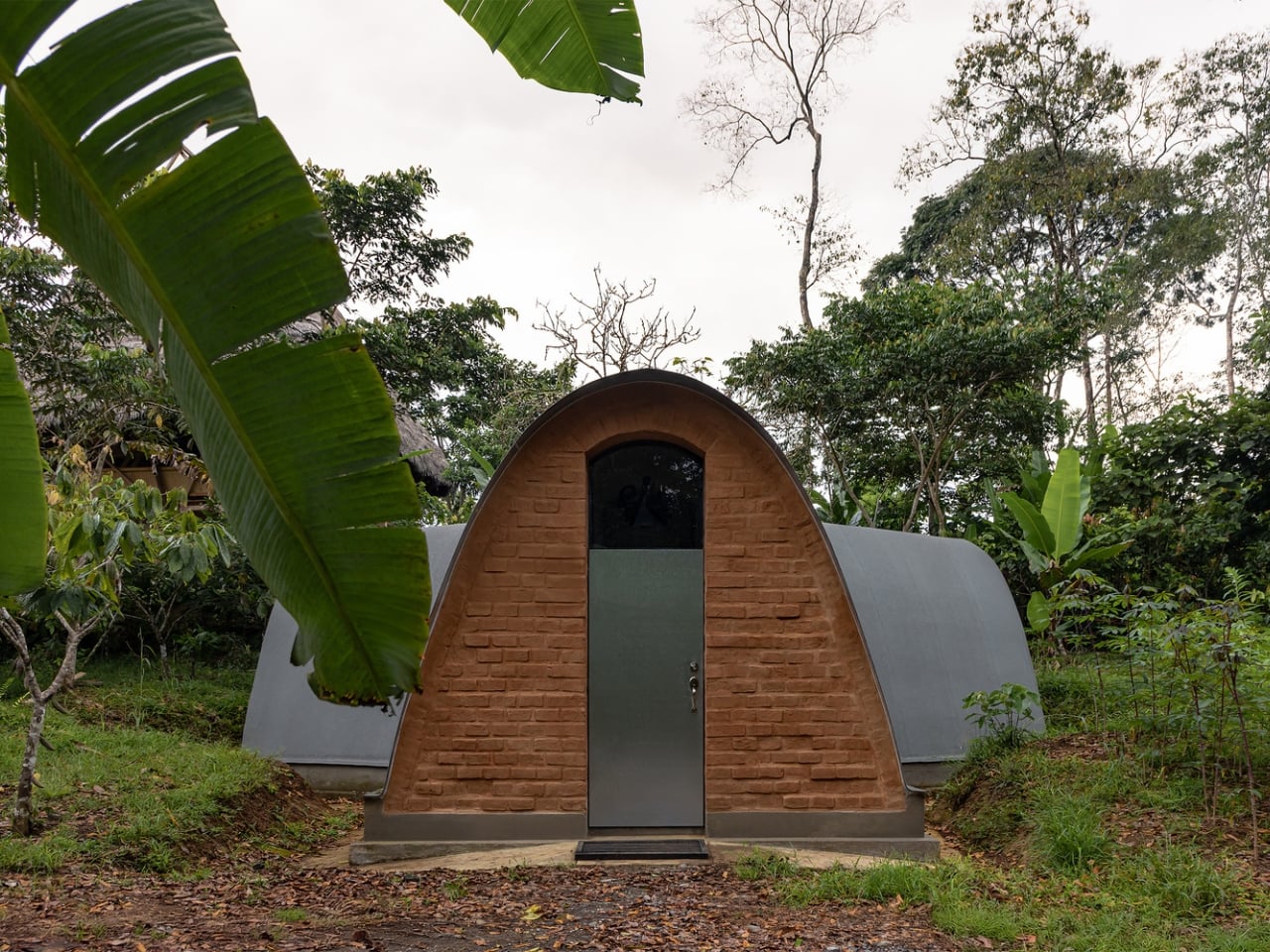
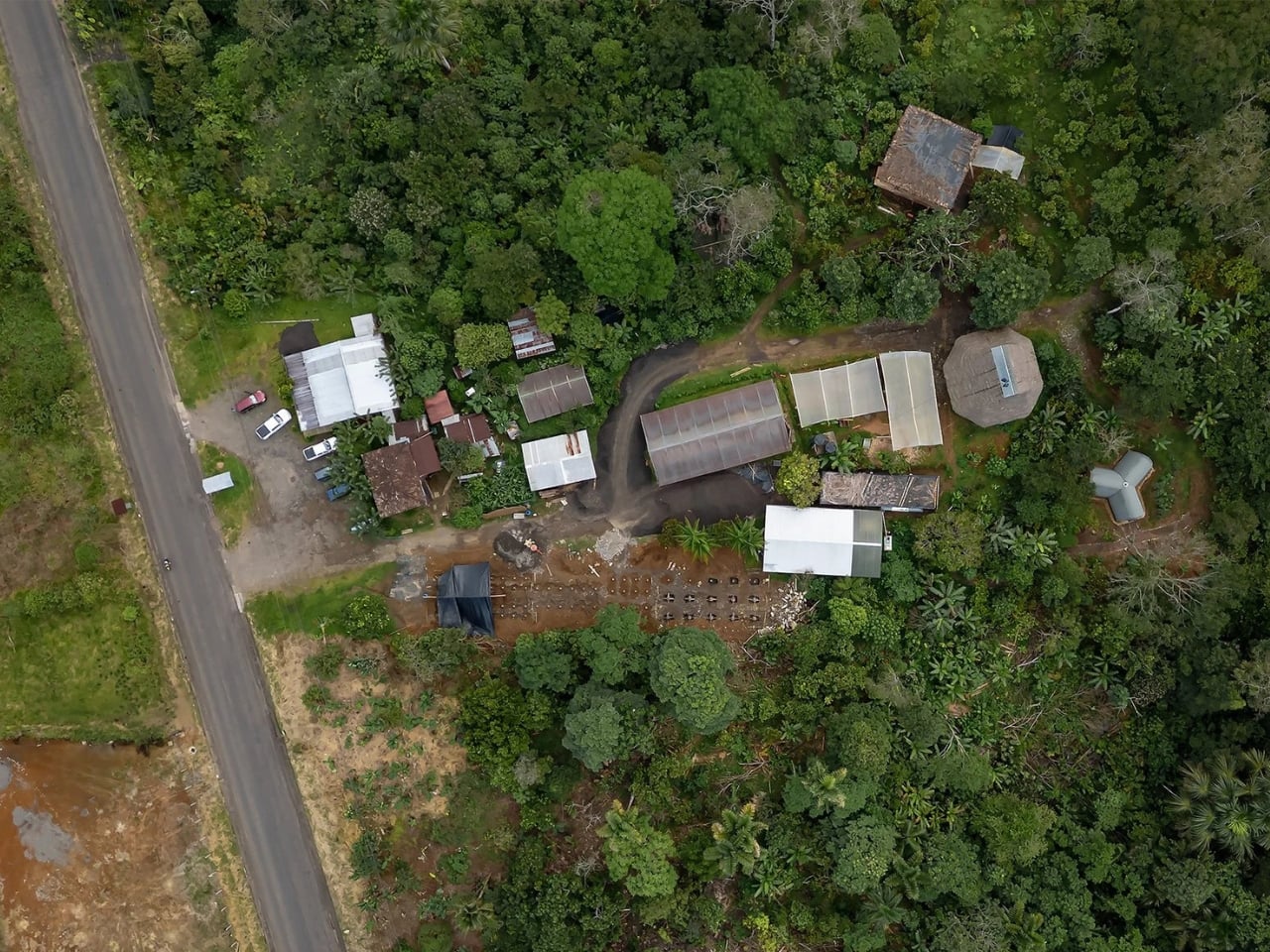
Most of us picture a laboratory as a sleek, sterile box of steel and glass perched on a university campus or inside some tech park. The Witoca Laboratory in Ecuador is none of those things. Built from adobe, shaped like a three-pointed star, and sitting quietly inside the buffer zone of the Sumaco Biosphere Reserve in the Ecuadorian Amazon, it looks less like a lab and more like something that grew out of the ground. Which, in a way, it did.
The building was designed by Ecuadorian studio Al Borde Arquitectos and completed in February 2025 in Huaticocha, a remote community in the Provincia de Orellana. At just 46 square metres (about 495 square feet), it is compact to the point of being almost modest. But modesty is somewhat deceptive here, because the thinking behind it is anything but small.
Designer: Al Borde
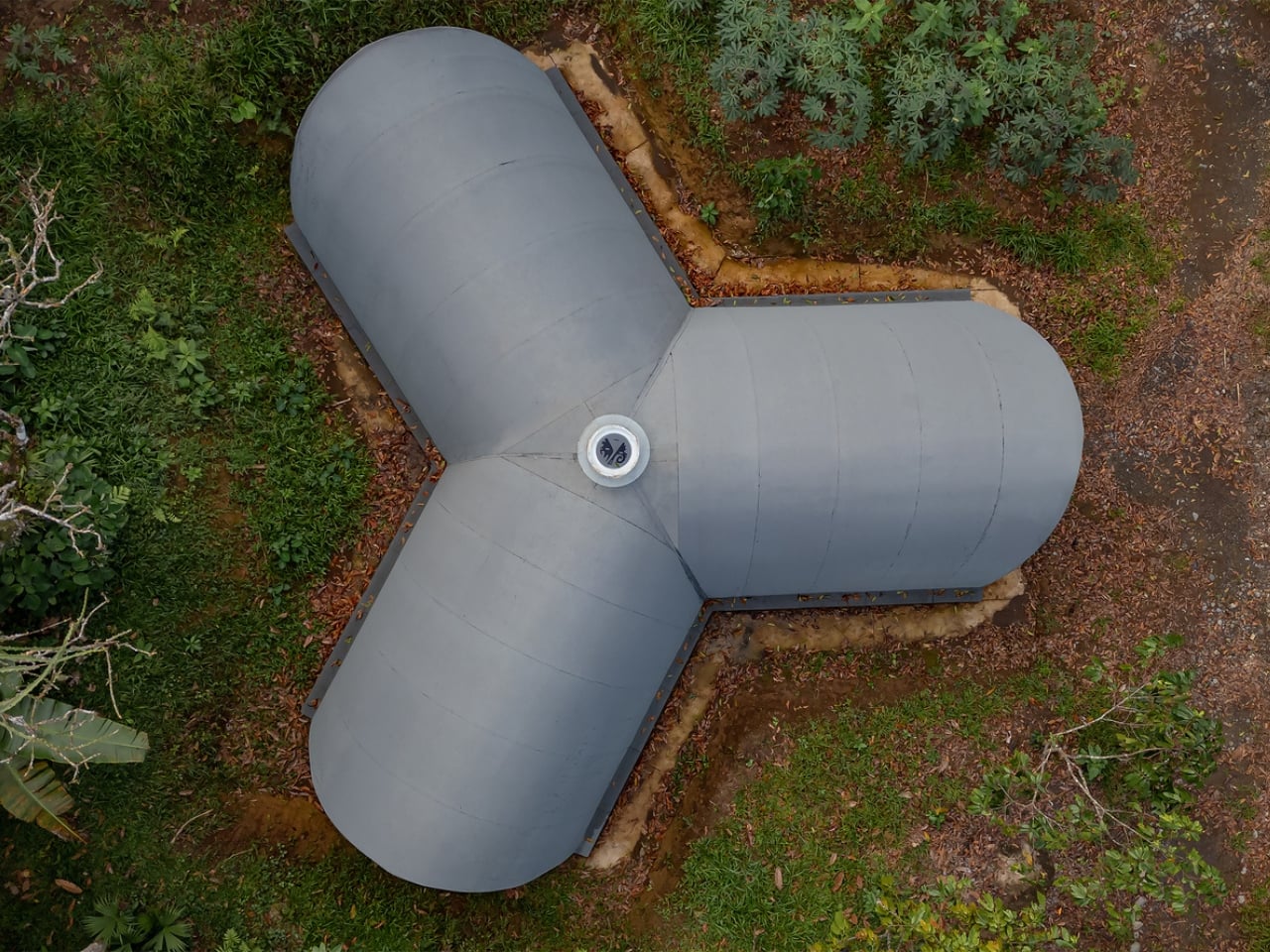
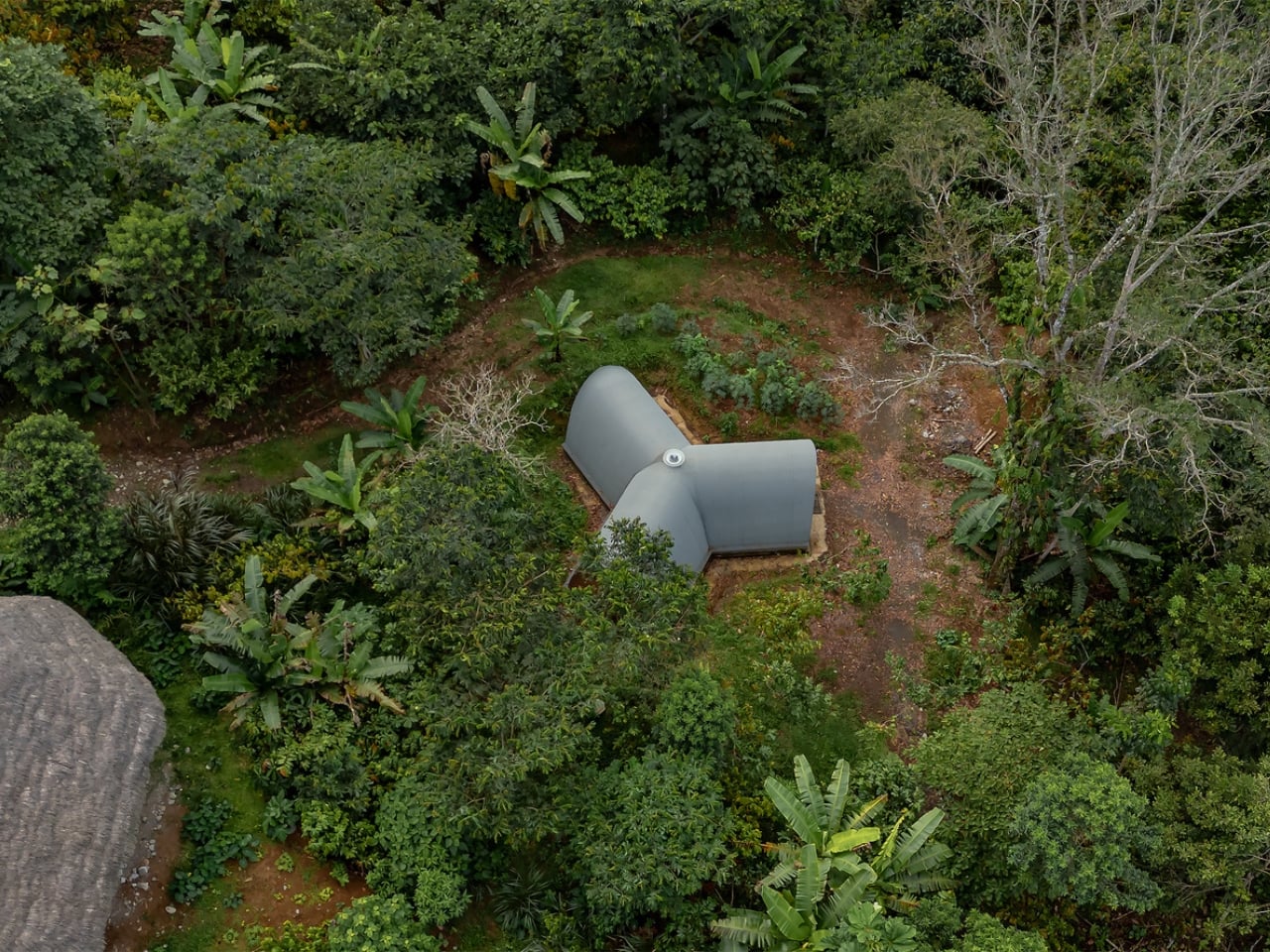
The Witoca community, which gives the lab its name, has been working to protect the Amazon’s coffee and cocoa farming from pests. Rather than reaching for chemical pesticides, they have gone in the opposite direction, cultivating antagonistic microorganisms that naturally discourage pest damage. The lab is where that cultivation happens. It is a biosecure environment, meaning it is fully sealed to prevent contamination, and every design decision feeds into that purpose, from its vaulted adobe walls to its airtight interior.
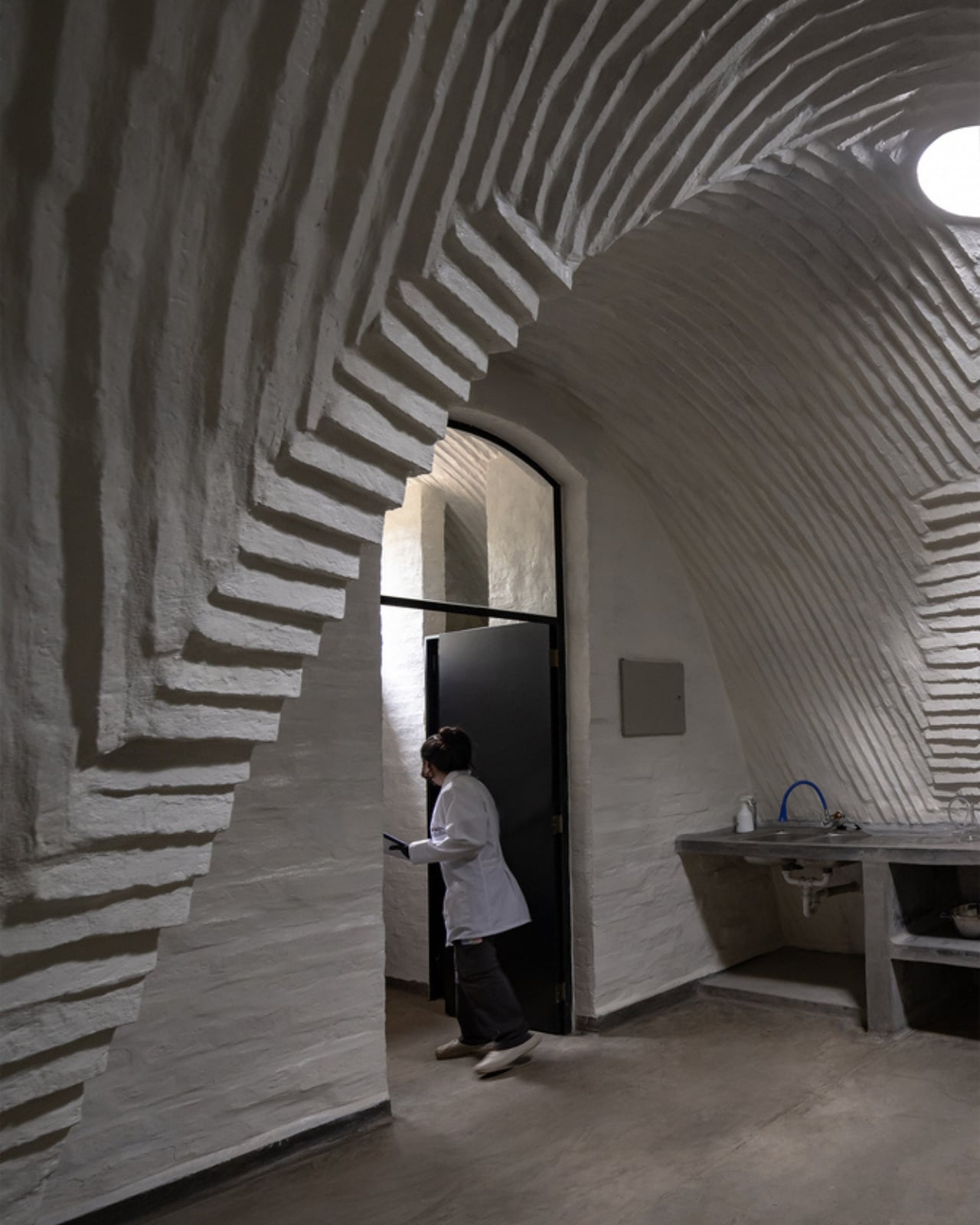
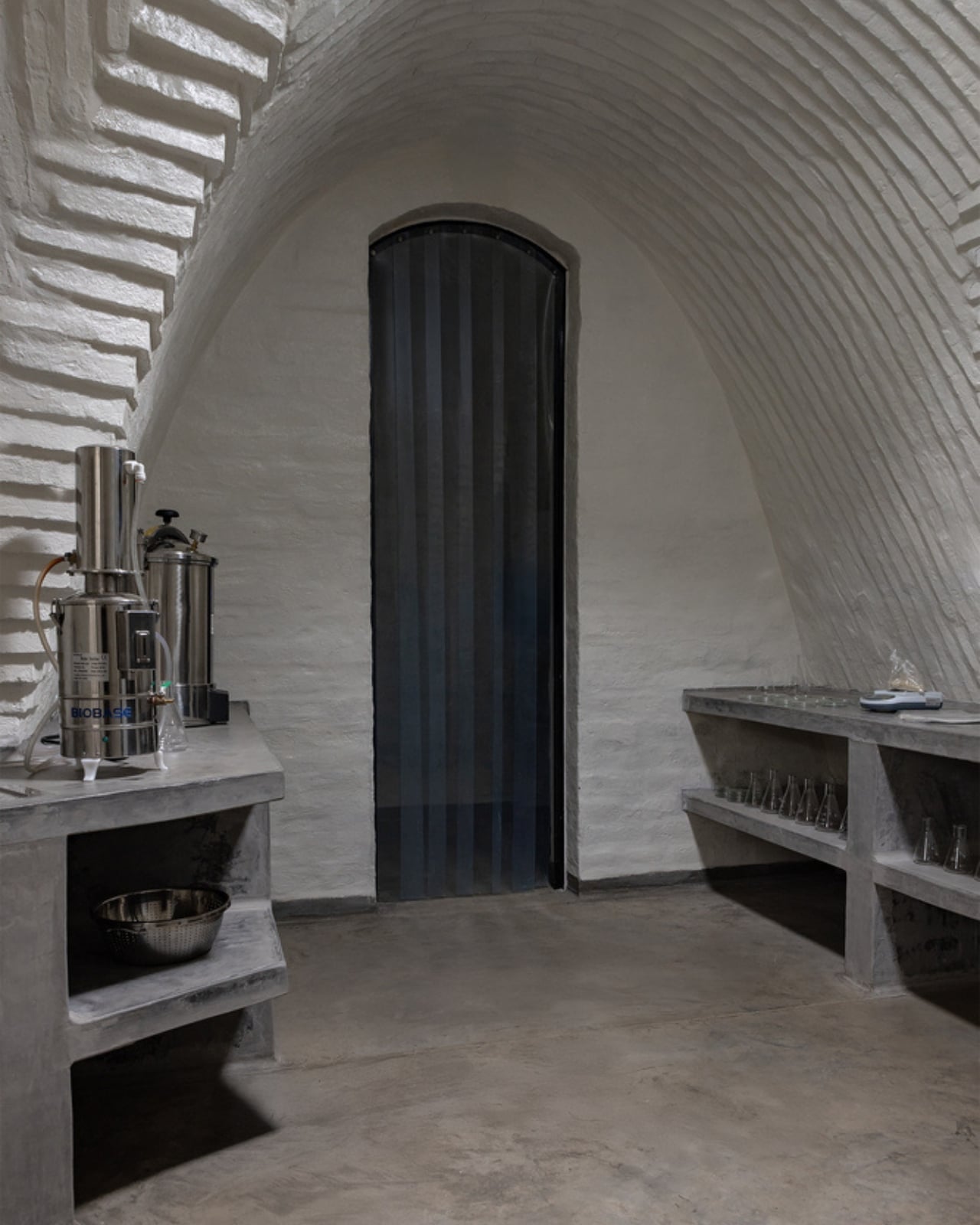
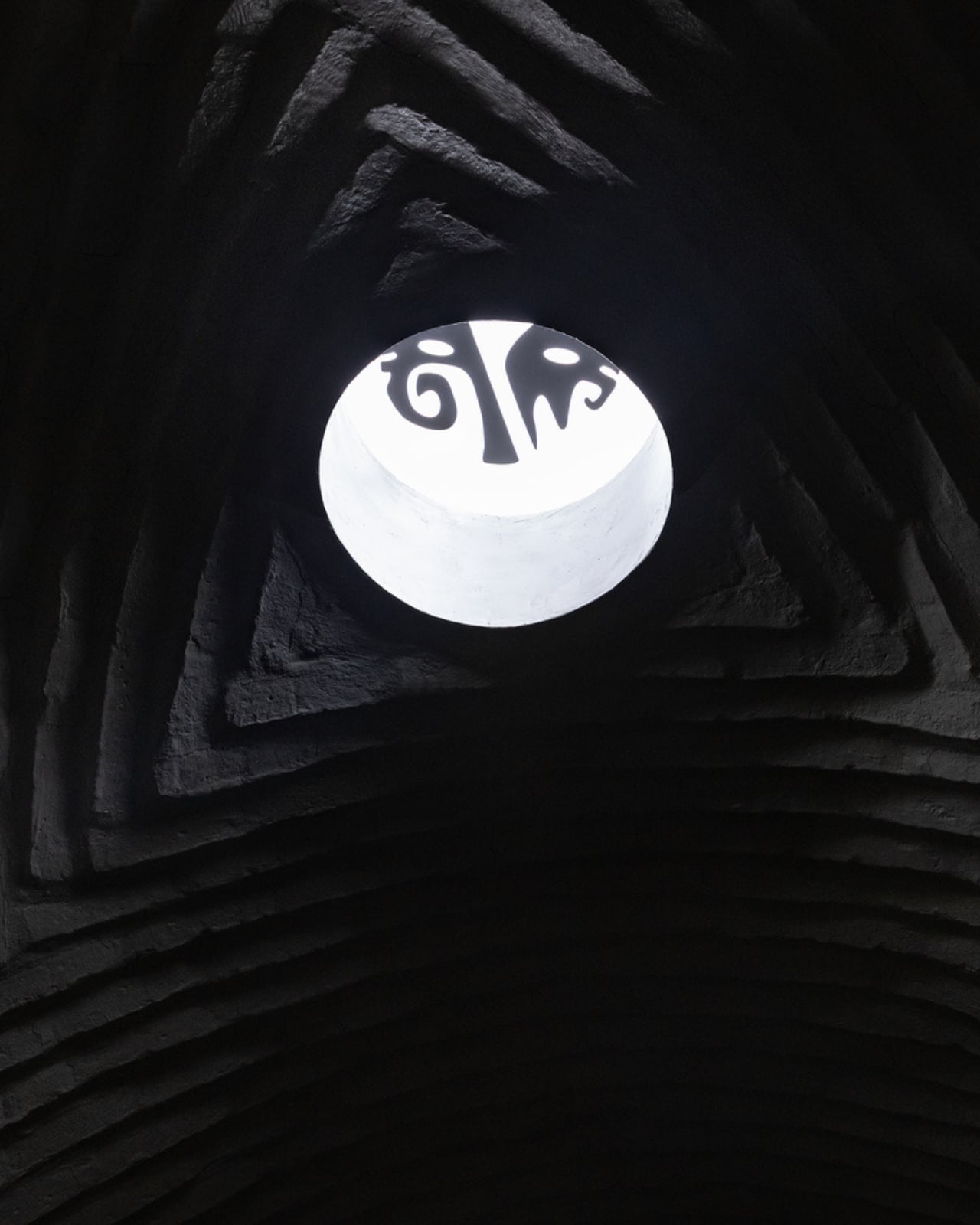
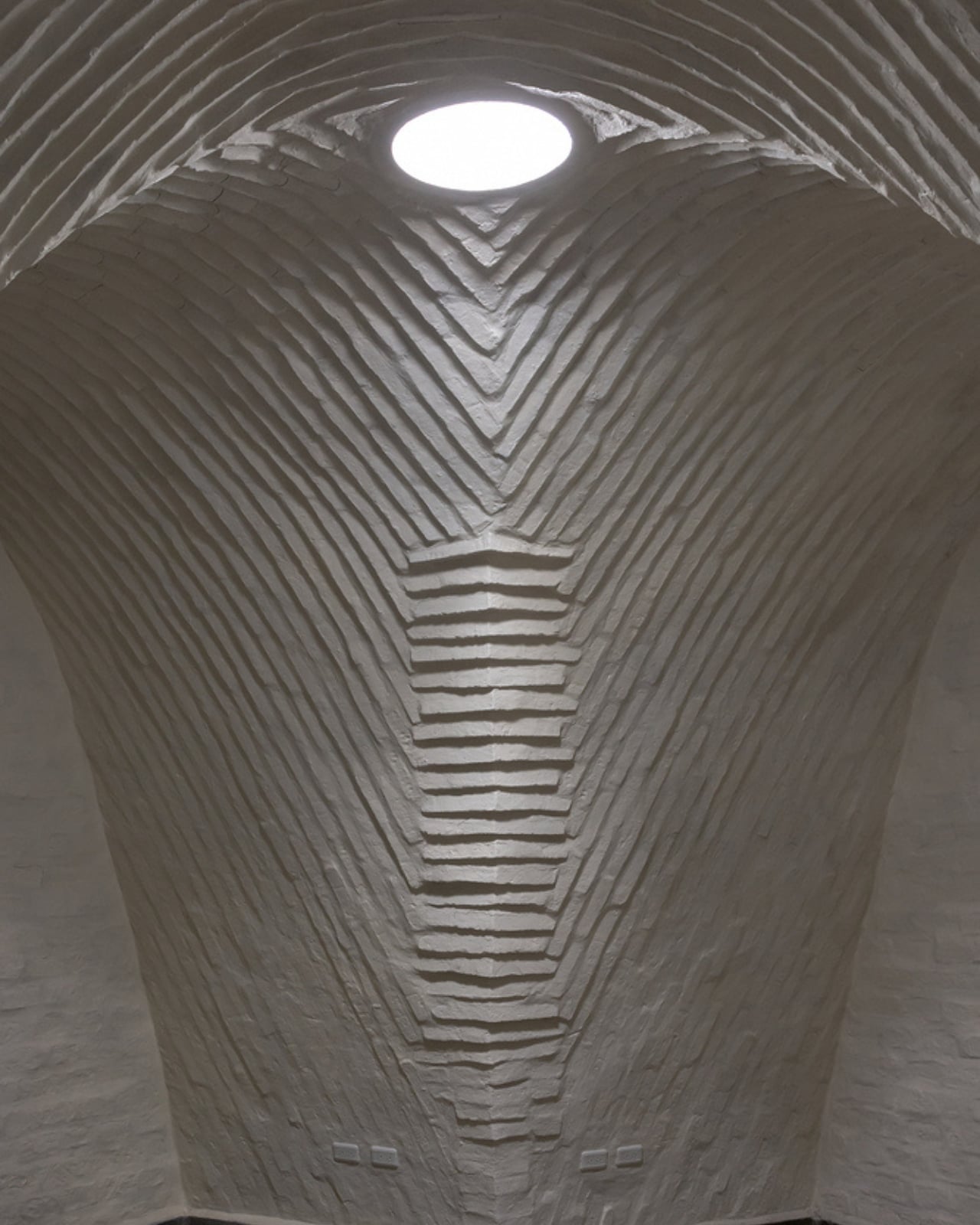
Adobe is not a material most people associate with scientific research, and I think that contrast is exactly what makes this project so compelling. Al Borde chose to work with local soil, using a vaulted construction technique built without formwork, developed in collaboration with structural engineer Patricio Cevallos of the Red PROTERRA network. The vault system draws on techniques rooted in Bolivian adobe construction, adapted here to meet the specific technical demands of a biosecure facility. It is a genuinely rare thing to see ancient building logic serving a cutting-edge scientific function, and Al Borde pulls it off without making either element feel like a compromise.
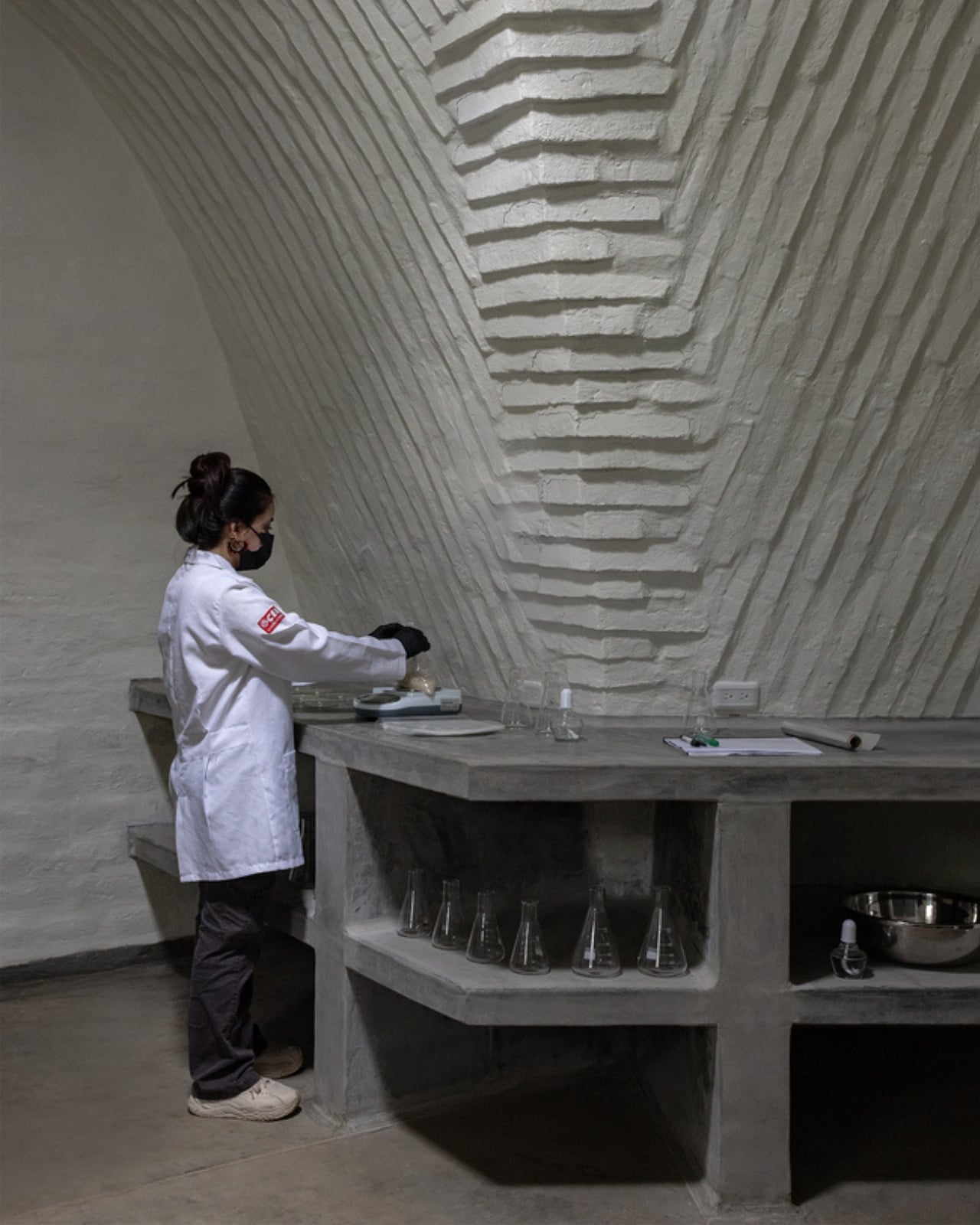
The Y-shaped plan is another smart move. Each arm of the structure radiates outward from a central point, giving the building a form that feels both purposeful and organic, like something that belongs in the landscape rather than imposed on it. That relationship to place is one of the things Al Borde is consistently good at, and Witoca Lab is a strong example of their approach to what architecture can actually do for a community.
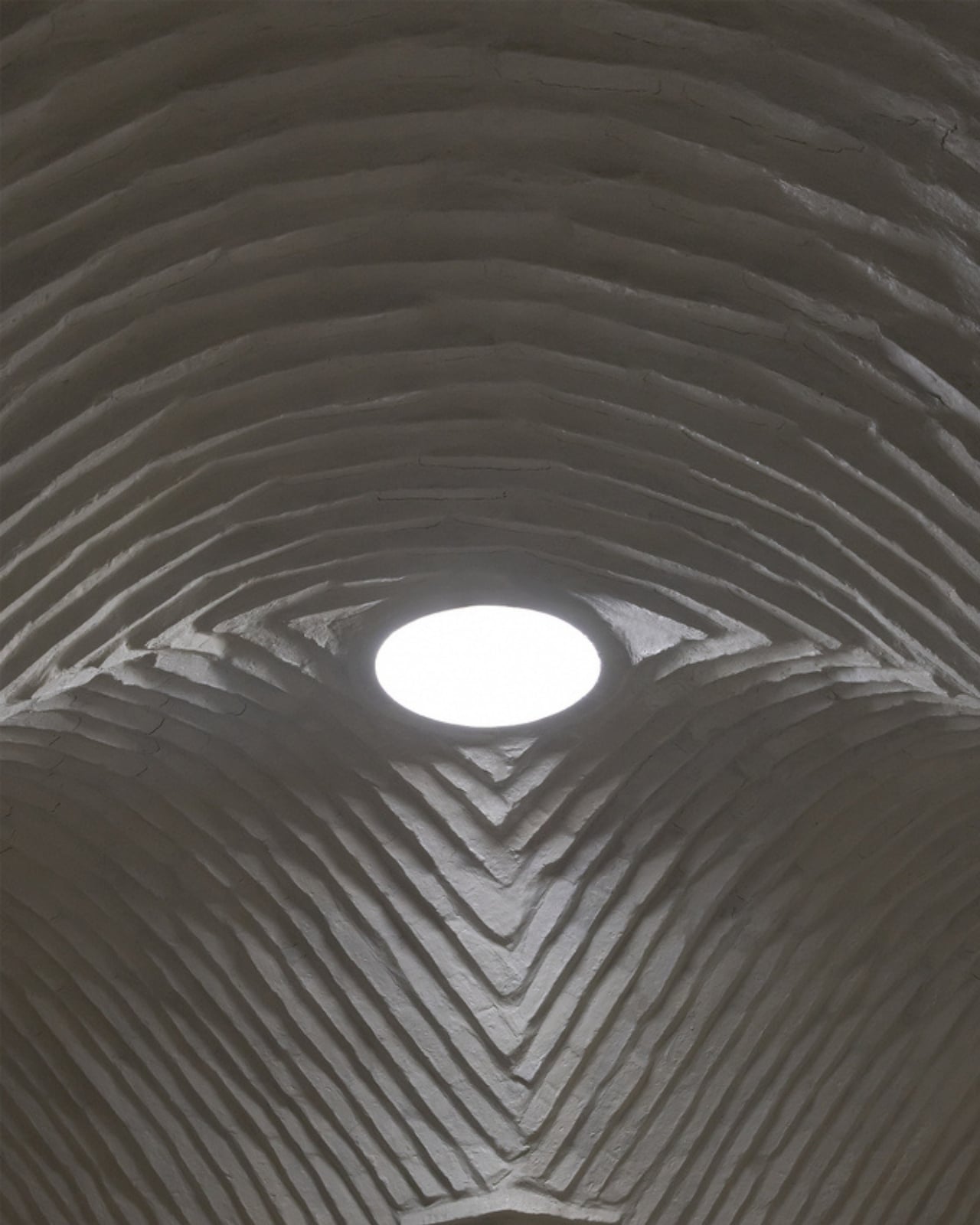
And that community dimension is hard to overstate. The lab is not a vanity project or a showpiece for outside visitors. It exists because the Witoca people needed a way to take a more active, autonomous role in protecting their land and their livelihoods. The project was commissioned by Witoca and supported by CEFA Ecuador, the Italian-Ecuadorian Fund for Sustainable Development, and the Alstom Foundation. That kind of multi-layer collaboration is often messy in practice, but the result here suggests it worked.
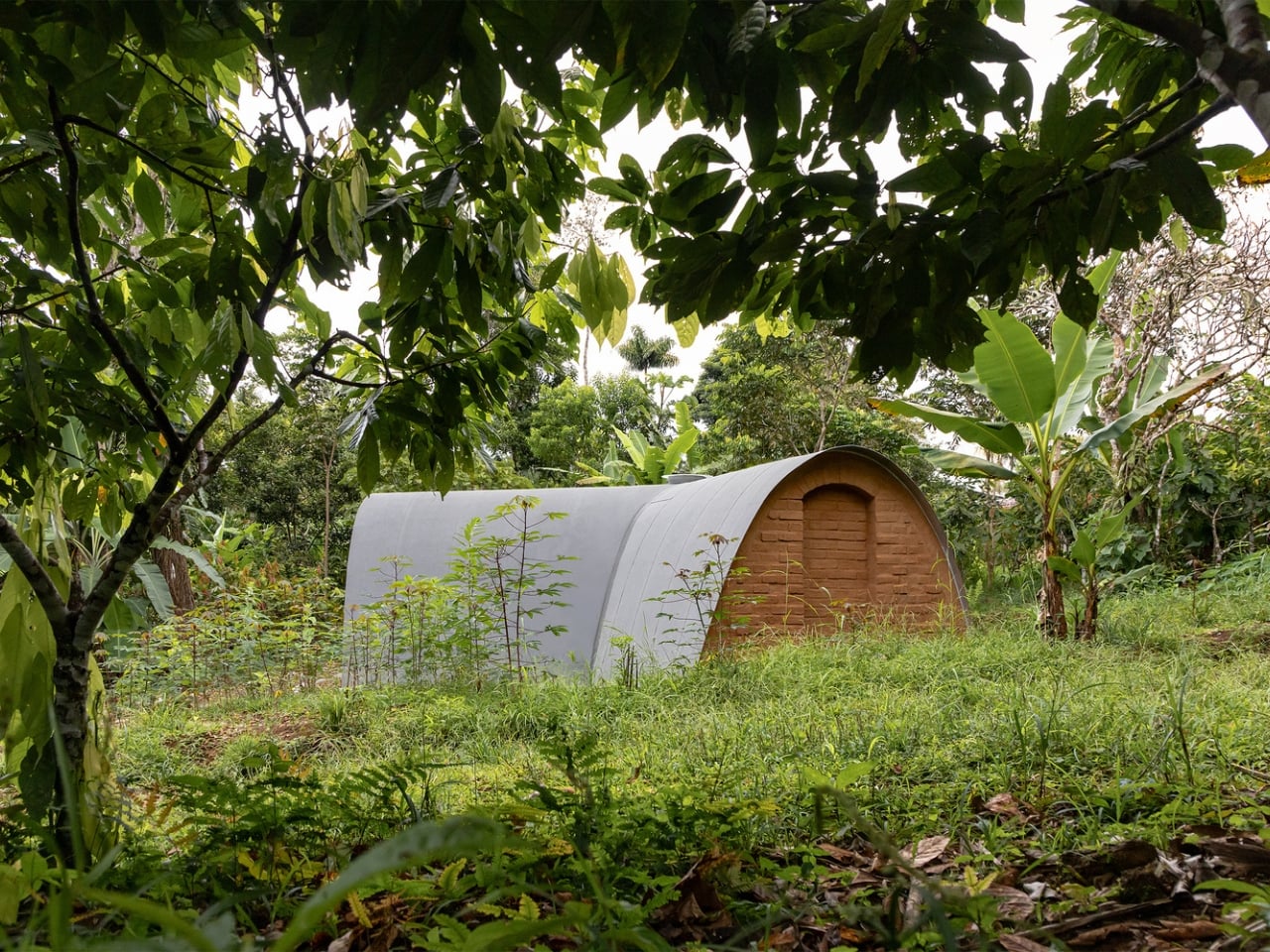
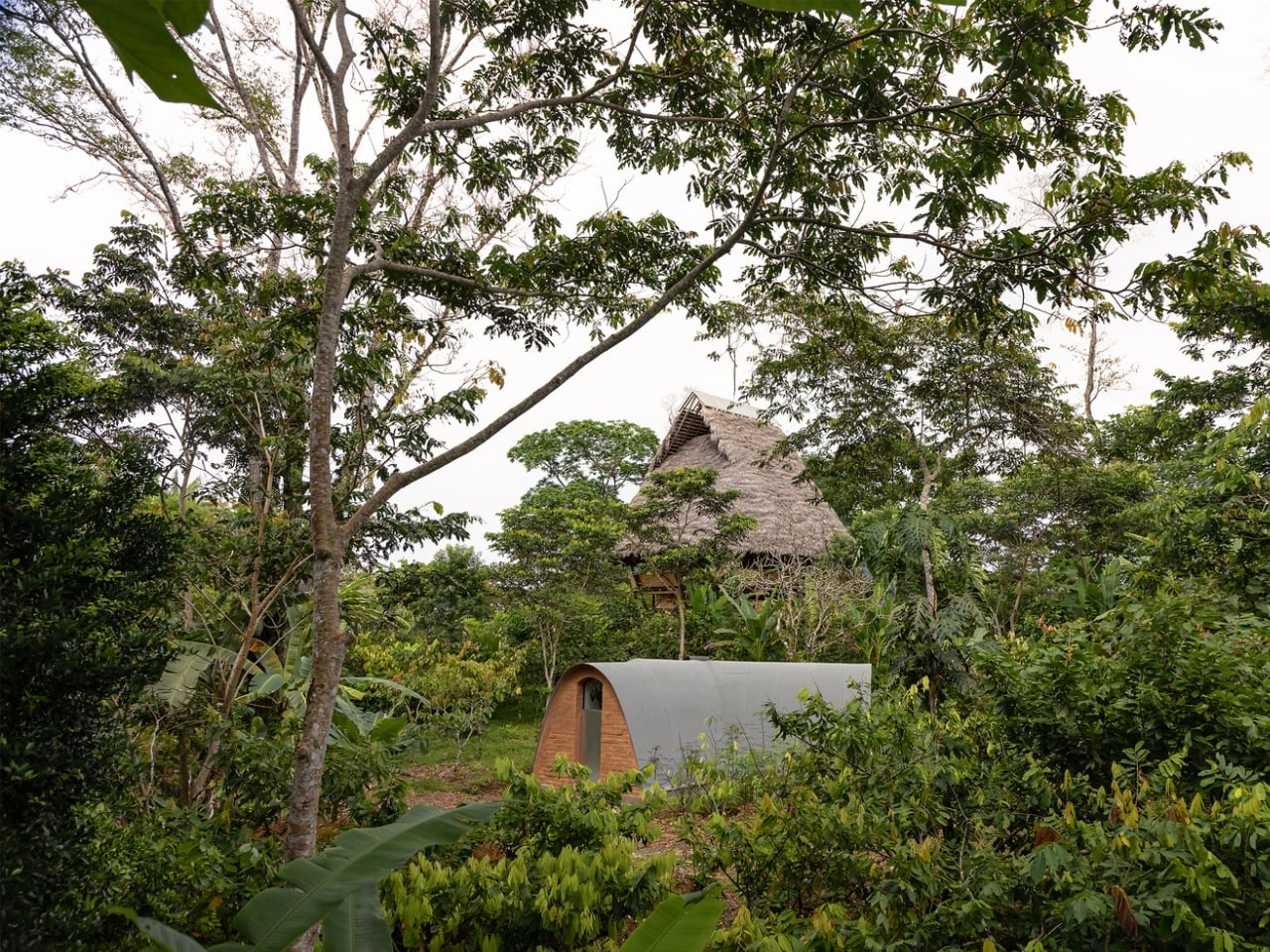
There is a broader conversation in architecture right now about what “sustainable” really means, and too often it gets reduced to solar panels and LEED certifications. Witoca Lab asks a different and, I’d argue, more honest question: what does it mean to build something that is genuinely of its place, for the people who live there, using what the land provides? Not every project needs to be on the cover of a design magazine to matter. But Witoca Lab deserves to be.
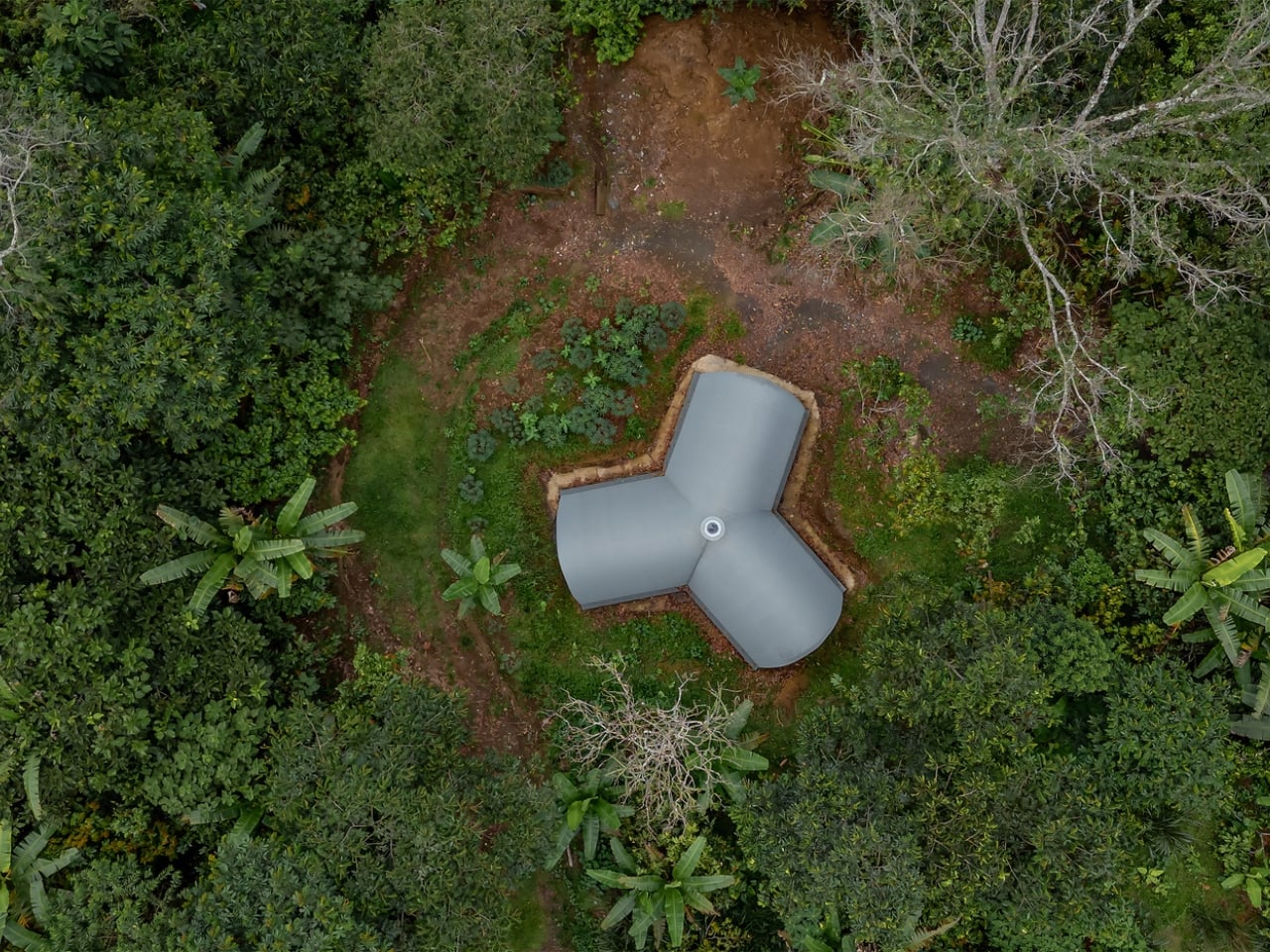
We spend a lot of time celebrating architecture that is visually dramatic or technically ambitious, and rightly so. But the work that tends to stay with me is the kind where the building quietly solves a real problem for a real community, and where the form and the function feel like they arrived at the same answer at the same time. Witoca Lab is that kind of work. It is made of mud. It is full of microbes. And it might be one of the most intelligent buildings completed this year.
The post Mud, Microbes, and the 46 m² Lab the Amazon Needed first appeared on Yanko Design.