
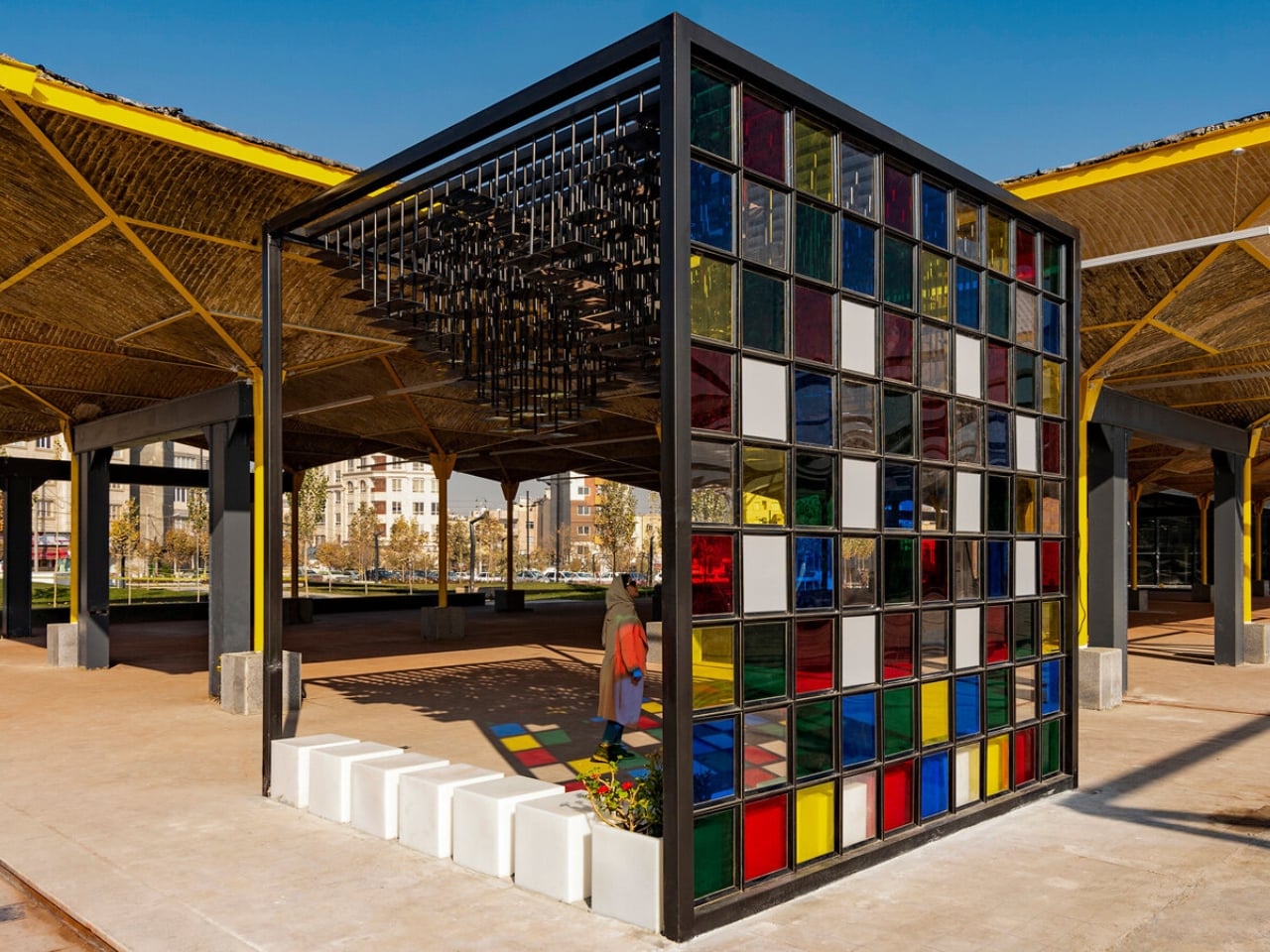
If you’ve ever been inside an Iranian shrine or palace, you already know the feeling. The moment you step into a space lined with mirror mosaic, you lose your sense of where the ceiling ends and the air begins. Fragments of light scatter in every direction, bouncing off thousands of hand-cut pieces of glass in a way that feels more like stepping into a living kaleidoscope than standing inside a building. That experience, rooted in a craft called Ayeneh-Kari, has shaped Persian architecture for centuries. Now, a studio called Ehsani Sharafeh Associates is doing something genuinely exciting: they’re rebuilding that feeling from scratch, using algorithms.
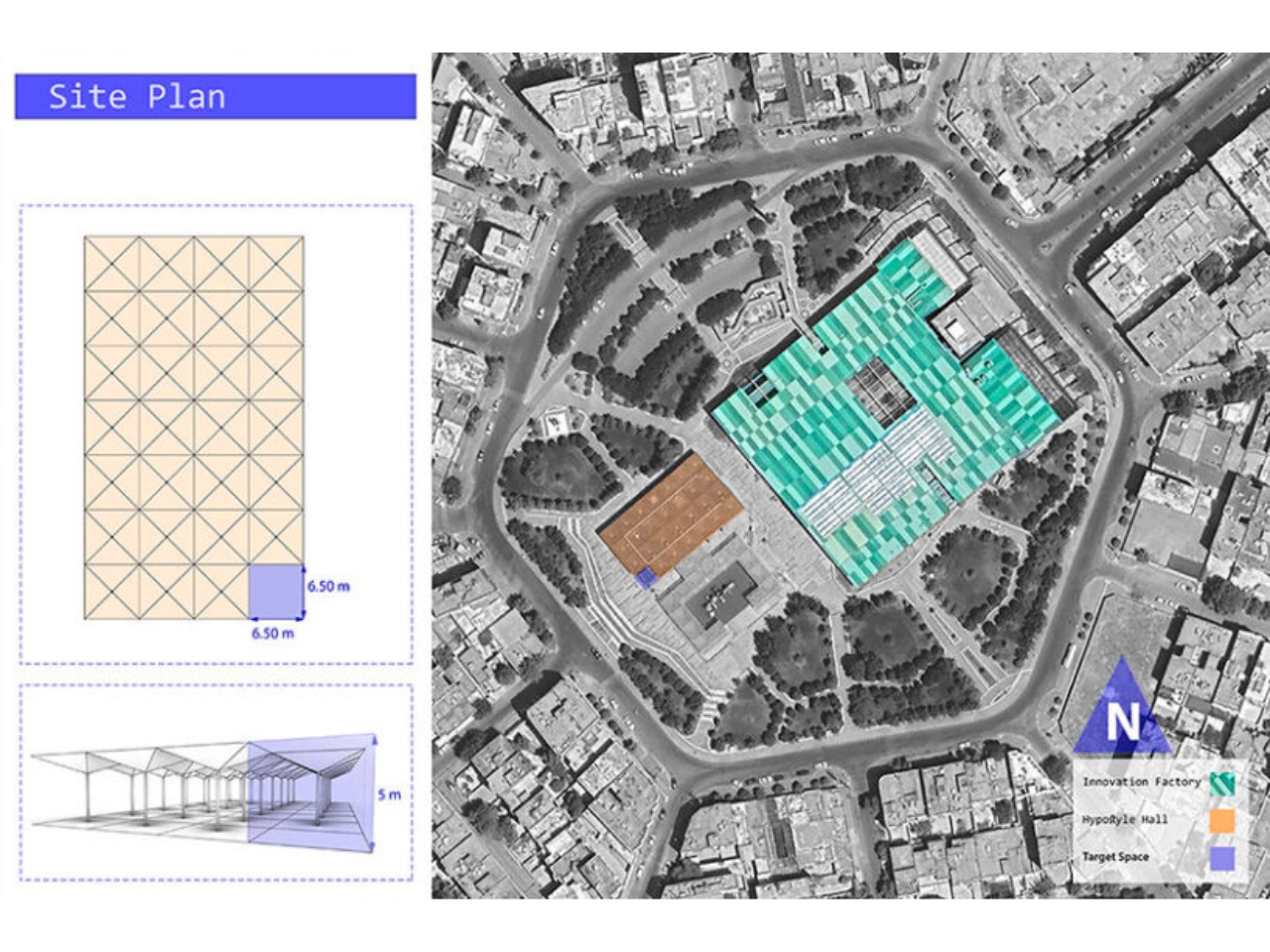
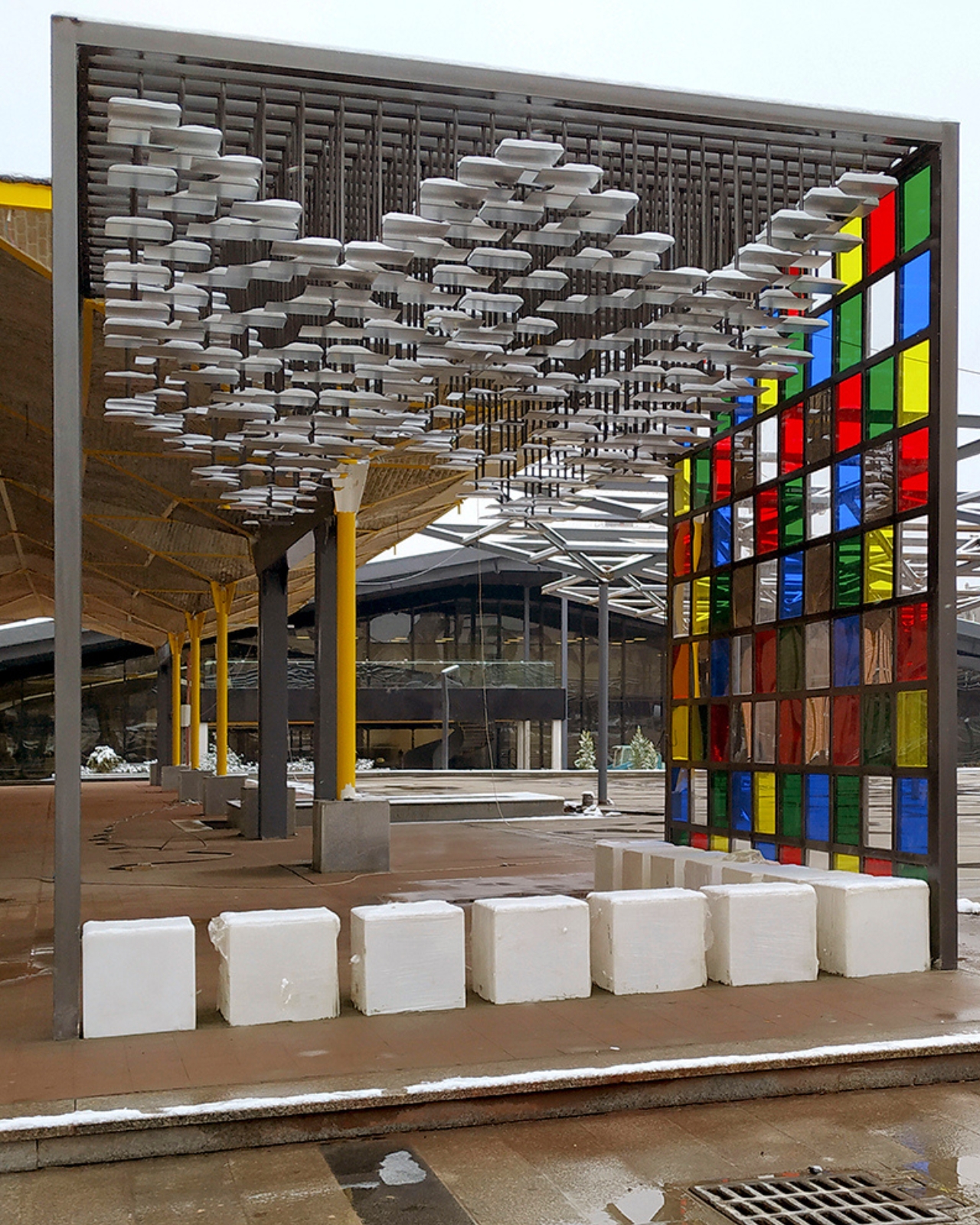
The Mirror Pavilion, located in Mashhad, Iran, sits inside a former industrial hall. That setup alone creates a tension worth paying attention to. The pavilion is a cubic structure inserted within the existing hypostyle framework, self-supporting and deliberately contrasting with its surroundings. From the base, the space feels restrained. But look up, and the whole thing shifts.
Designer: Ehsani Sharafeh Associates
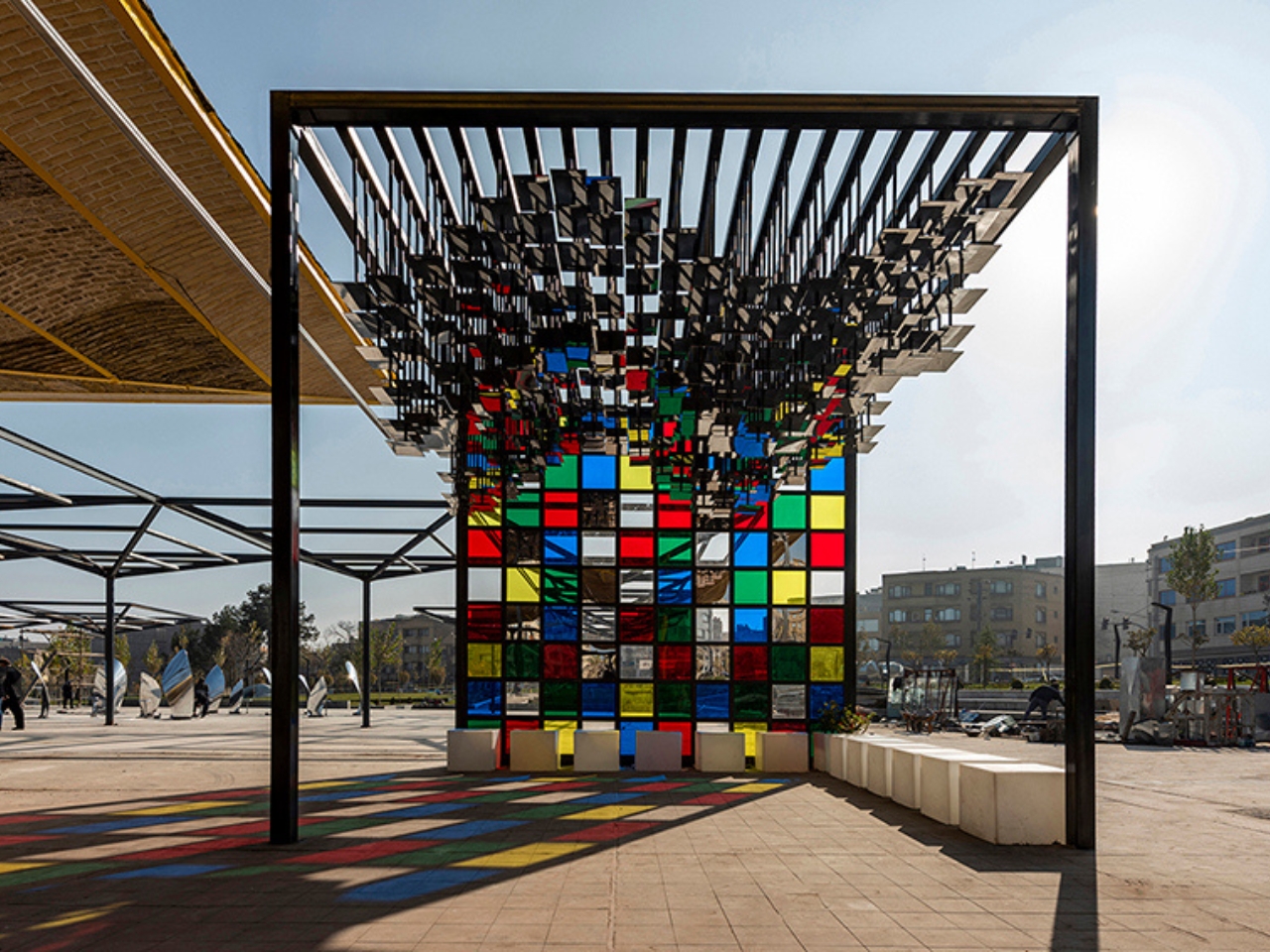
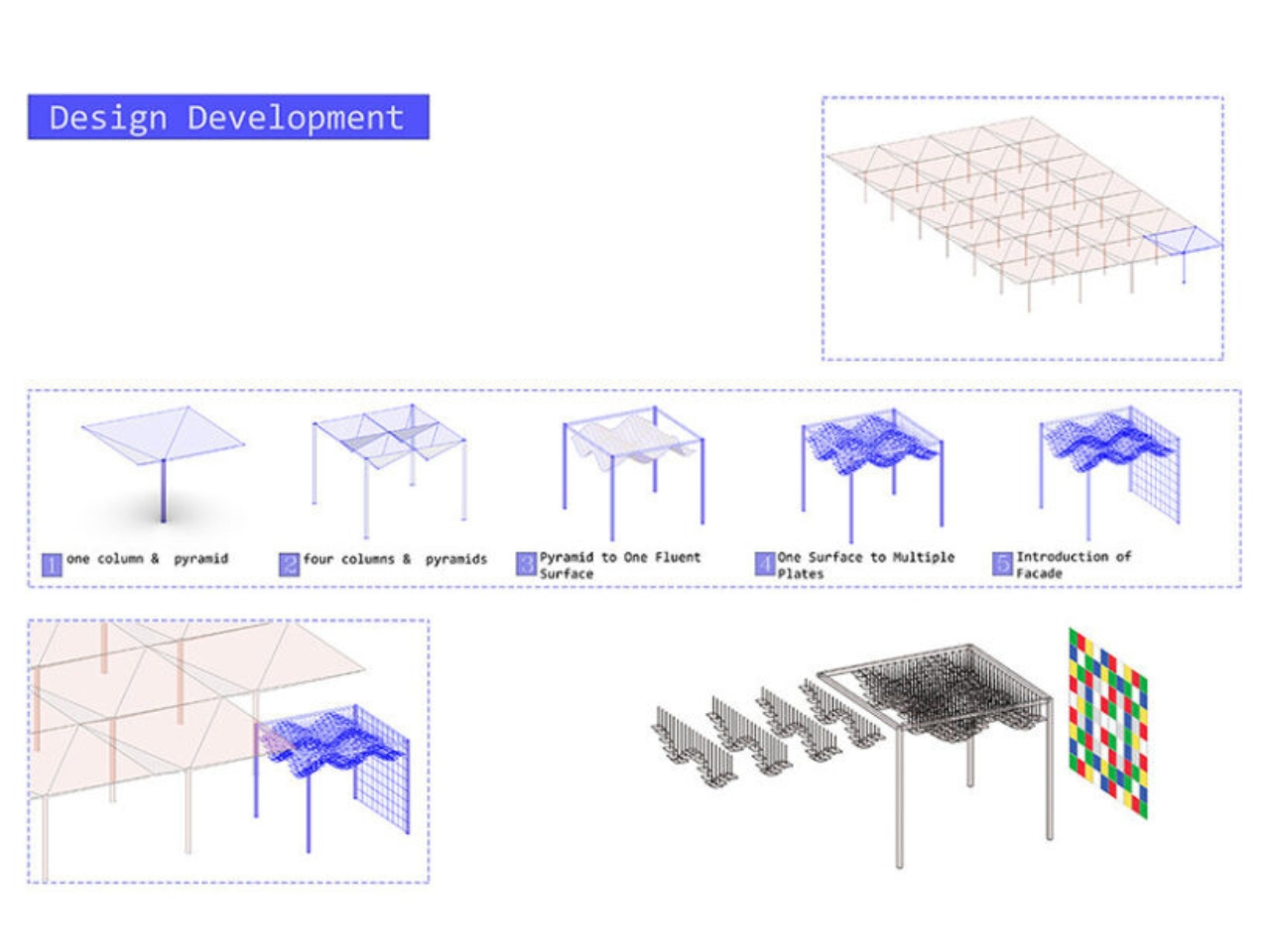
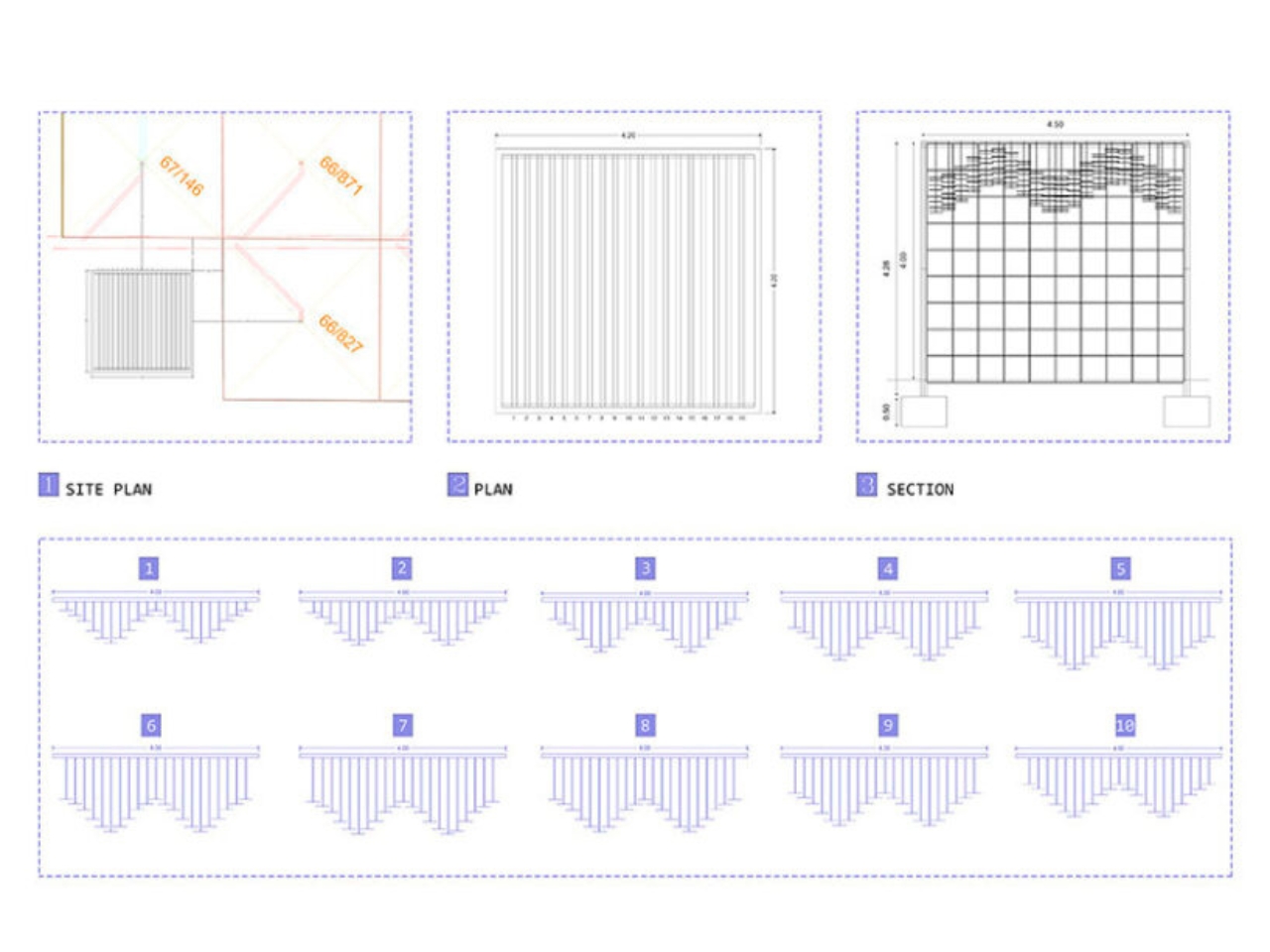
The ceiling is where the real conversation happens. Rather than replicating a traditional vault, the team designed a three-dimensional sinusoidal surface formed by merging four pyramidal geometries. It’s a mouthful to describe, but the visual effect is anything but clinical. Hundreds of fragmented mirrors are arranged across this undulating surface through computational processes, catching light and redistributing it in ways that feel almost alive. Add stained glass into the mix, and the space starts producing color shifts that no static installation ever could.
Ayeneh-Kari became prominent during the Safavid period in the 16th and 17th centuries, when trade routes brought large Venetian mirrors to the Persian court. Many of them arrived cracked or broken from the long journey. Rather than discarding the damaged pieces, Iranian craftsmen cut them into smaller fragments and reassembled them into intricate decorative mosaics. Out of something broken came something extraordinary, and that origin story feels deeply embedded in what mirrors have meant to Persian design ever since. The craft was inscribed on UNESCO’s Representative List of the Intangible Cultural Heritage of Humanity in December 2025, a recognition that feels both overdue and timely given projects like this one.
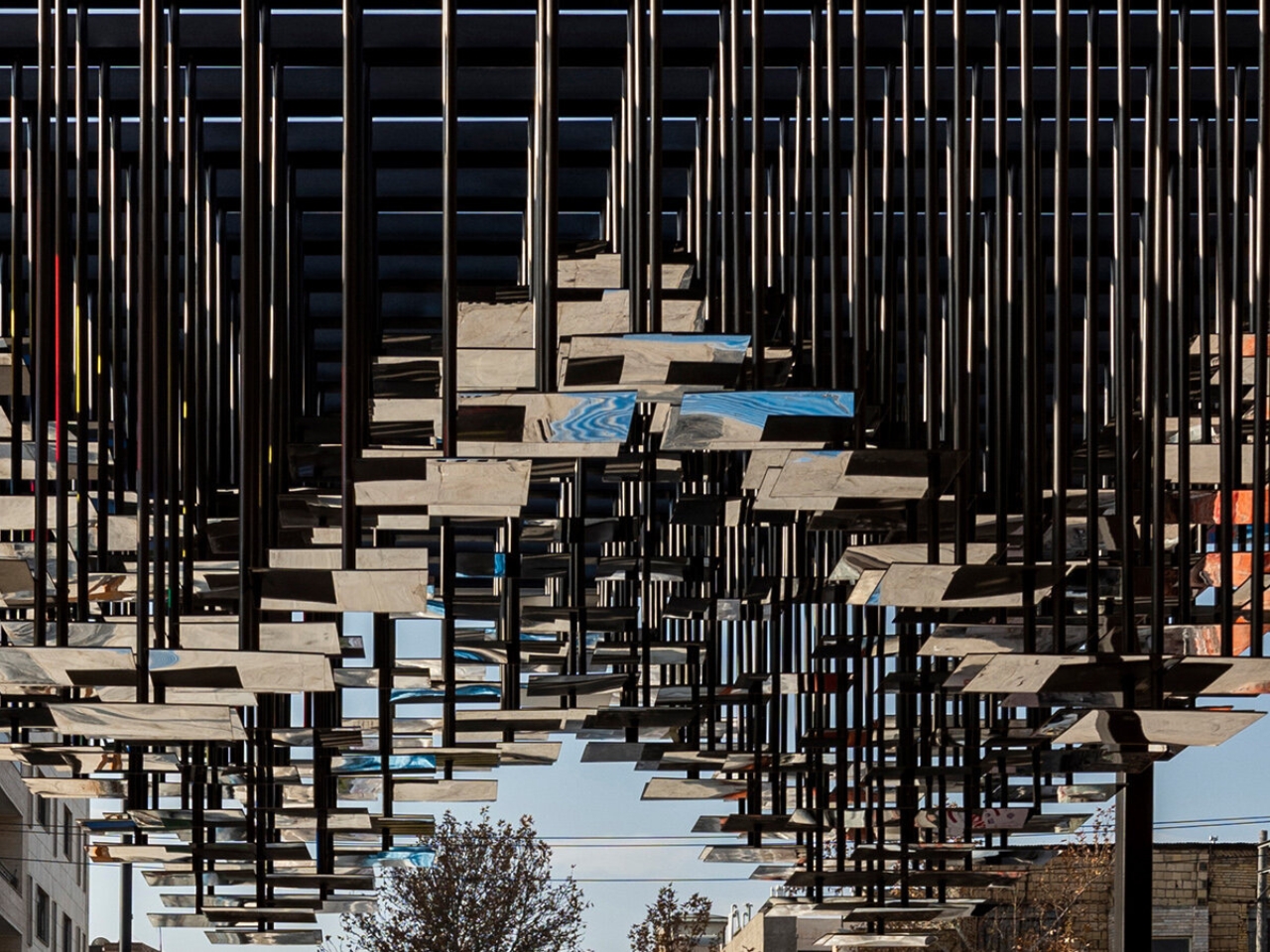
Ehsani Sharafeh Associates isn’t just borrowing the aesthetic of Ayeneh-Kari and wrapping it around a contemporary shell. The team, made up of Nasrin Sharafeh, Ali Ehsani, and Milad GholamiFard, is using computational design methods to genuinely reconsider how traditional Iranian spatial principles behave in a new context. The algorithmic approach isn’t a shortcut. It’s what allows the complex geometry and patterned arrangements of the ceiling to exist at the scale and precision they do, while still feeling like a faithful extension of a much older sensibility.
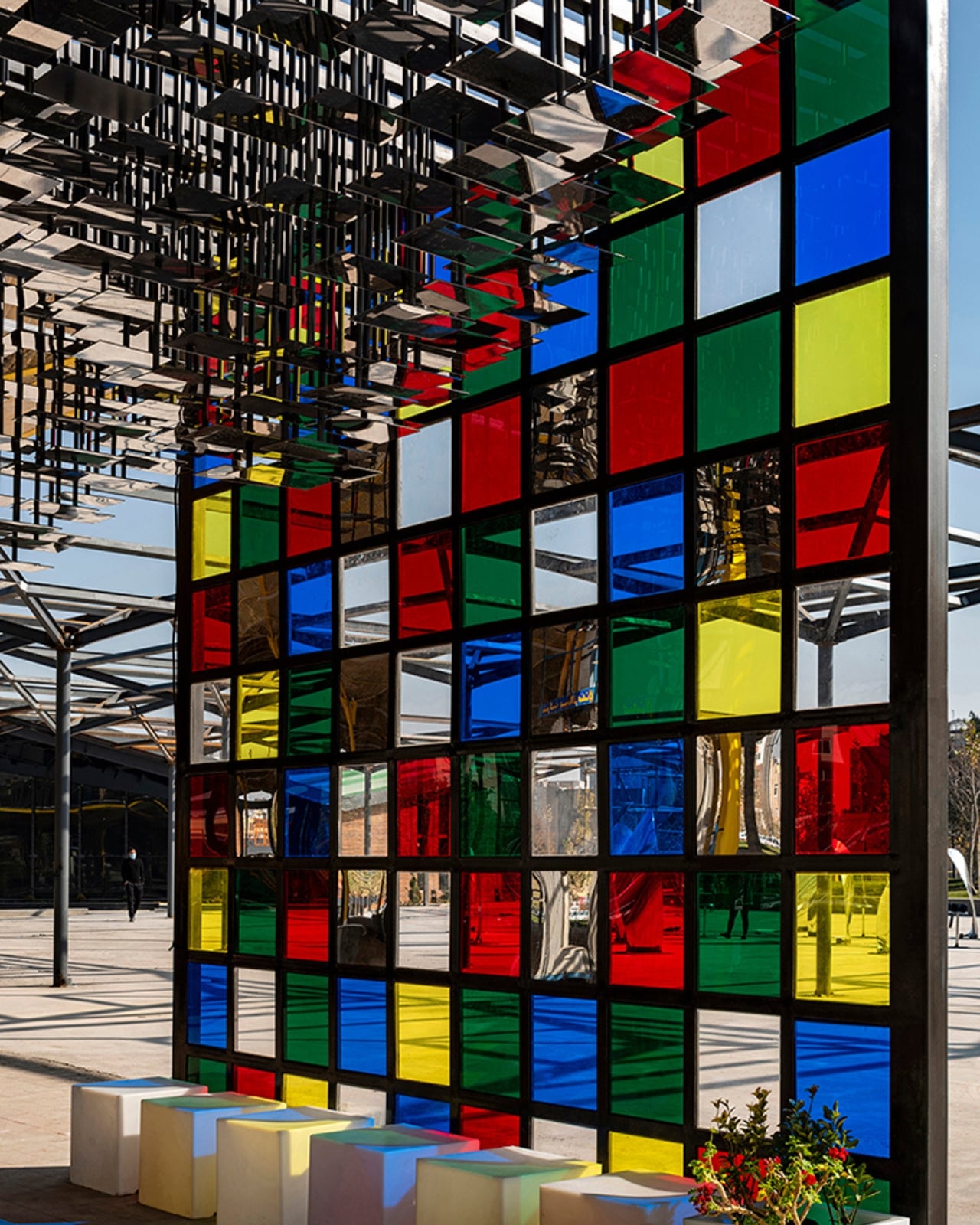
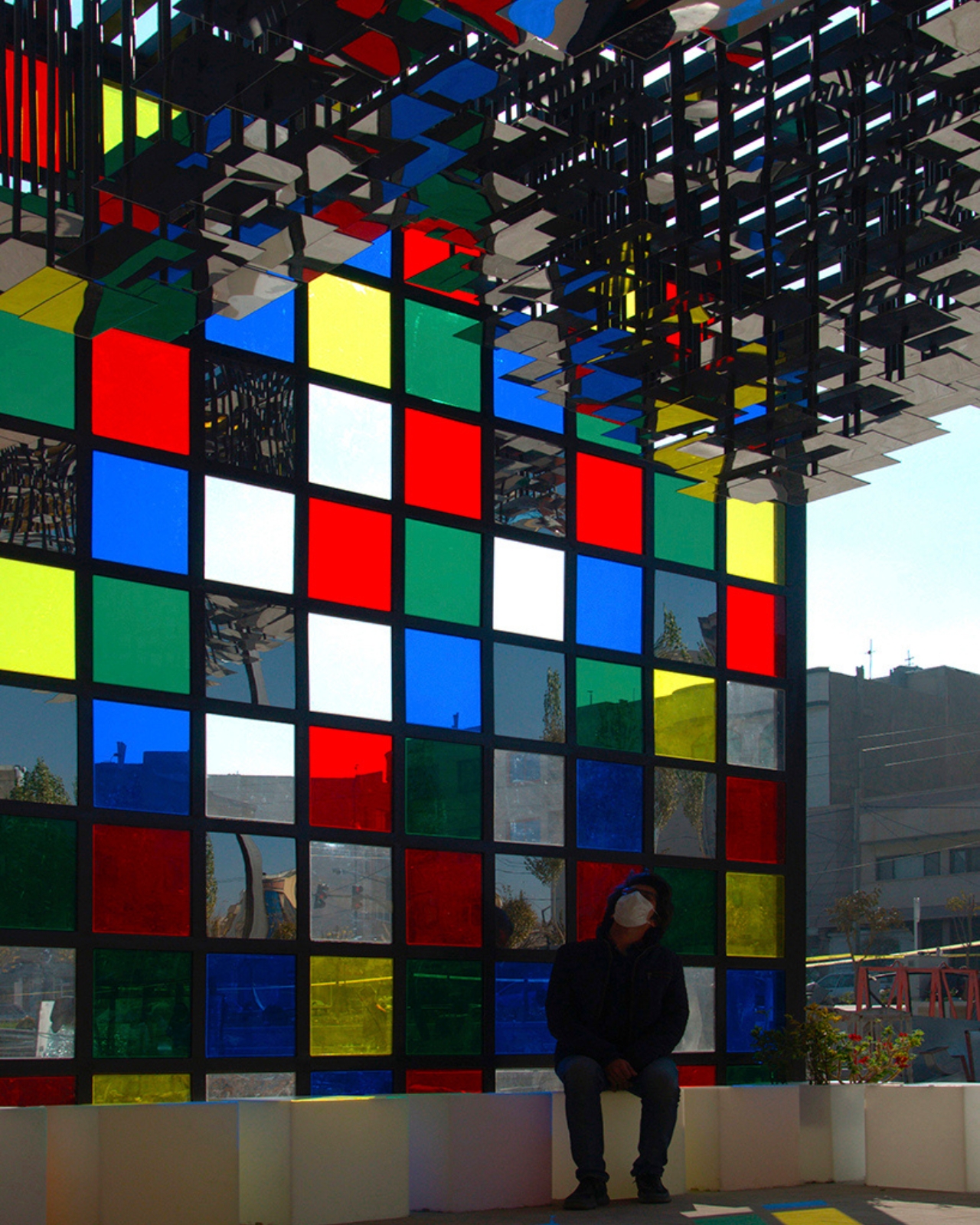
That balance is harder to pull off than it looks. A lot of design that claims to honor tradition ends up either being too faithful and feeling like a replica, or too abstract and losing the thread entirely. The Mirror Pavilion manages to land somewhere in the middle, where the history is legible but the result is clearly contemporary. You can feel the ancestry of the space without it ever feeling like a museum piece.
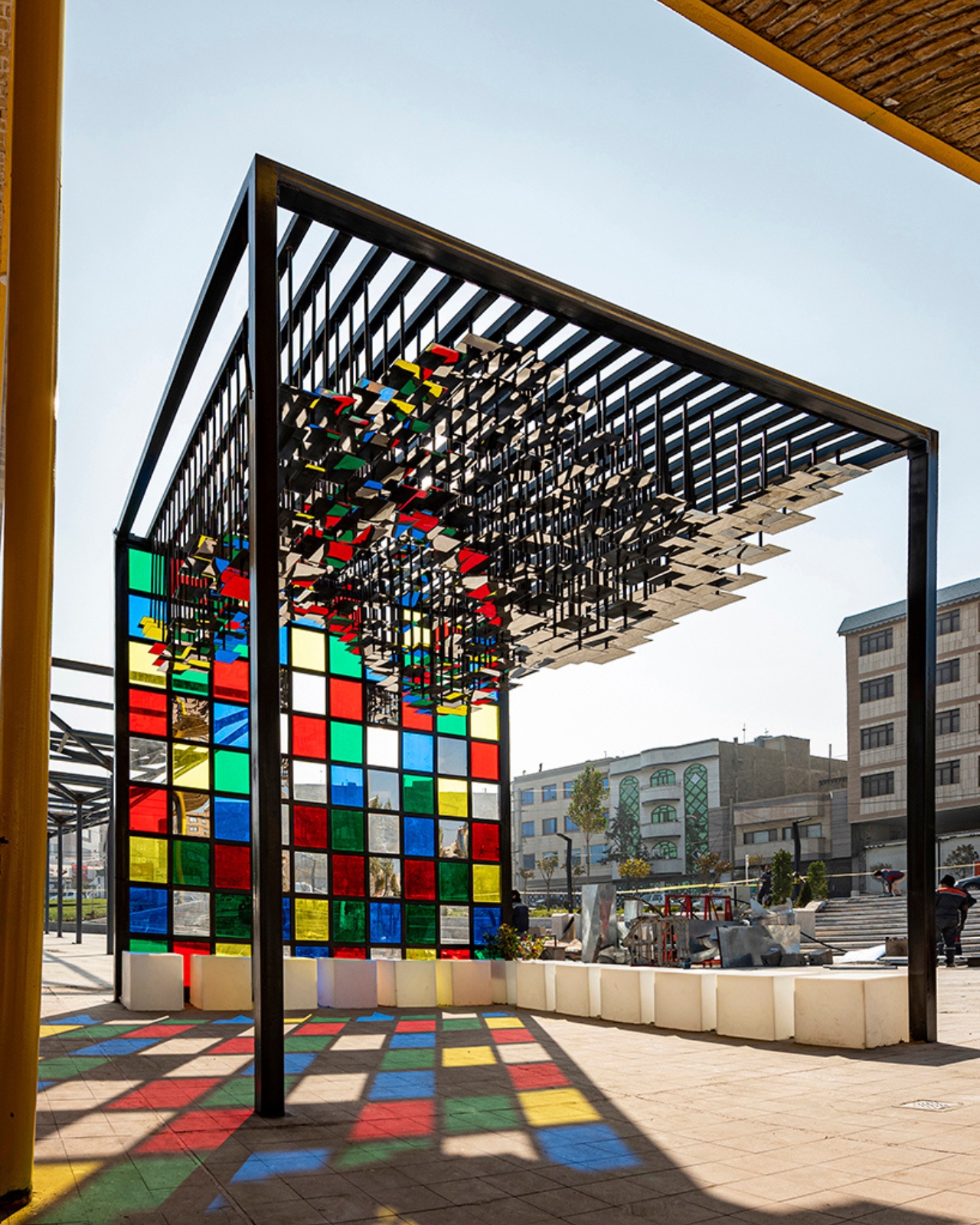
What also stands out is the decision to place this inside an industrial hall. The contrast between the raw, utilitarian structure of the existing space and the luminous, almost otherworldly quality of the pavilion isn’t accidental. It makes both things more interesting. The industrial hall gives the mirrors context. The mirrors give the hall something to reach for.
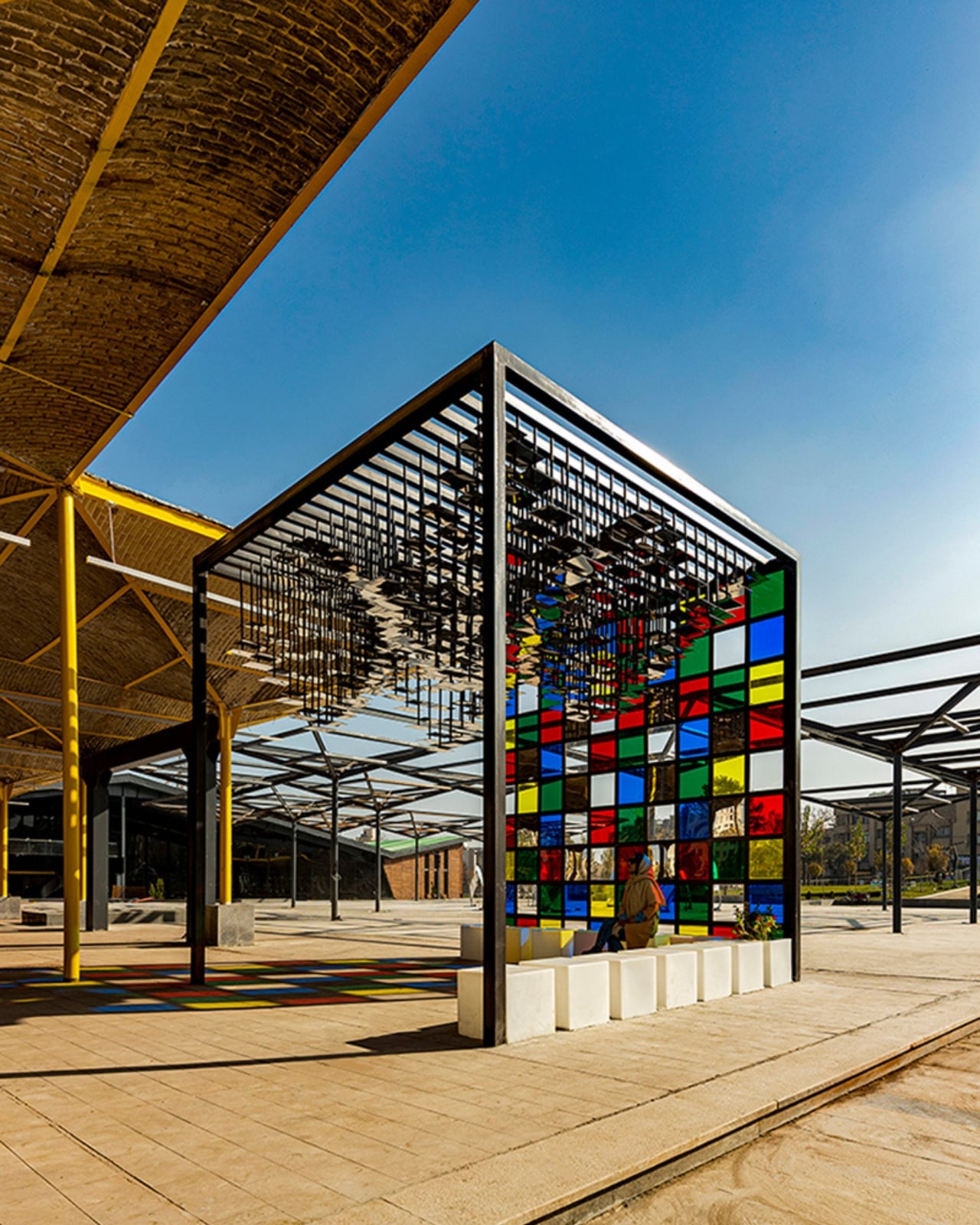
In Persian culture, mirrors and water have long represented purity, clarity, and illumination. Reflective interiors amplified natural light and reinforced ideas about enlightenment and divine presence, which is why mirror work appears so frequently in shrines and sacred spaces. The Mirror Pavilion carries that weight without announcing it, which might be the most impressive thing about it. Some buildings describe an idea. This one embodies it.
The post Iran’s Mirror Pavilion Turns a 400-Year-Old Craft Into the Future first appeared on Yanko Design.