
Most of us living in cities have gotten used to a very particular kind of light. It comes in flat and filtered through glass, bounced off neighboring buildings, and stripped of any real sense of time. Morning looks a lot like afternoon. The sky, if you can see it at all, is a narrow strip somewhere above the roofline. It’s become the default setting of urban life, and most of us have stopped noticing.
That quiet loss is exactly what CHAGYEONG is designed to address. Created by designers SeongJin Hwang (Neo), Soyeon Kim, and Minje Park, this series of metal craft-based living objects isn’t trying to replicate nature or substitute it with some wellness trend. It’s doing something more deliberate than that: it’s pulling an ancient architectural principle out of history and asking whether it still has something useful to say about the way we live now.
Designers: SeongJin Hwang (Neo) / Soyeon Kim / Minje Park
The concept borrowed from (and named after) is chagyeong (借景), a traditional East Asian practice that translates literally to “borrowed scenery.” The idea is that a space doesn’t have to generate its own landscape. It can simply frame, redirect, and invite the one that already exists outside. Korean architects used this principle for centuries, orienting pavilions and residences so that distant mountains, seasonal foliage, or the open sky became part of the interior experience. The environment wasn’t something to block out. It was a resource.
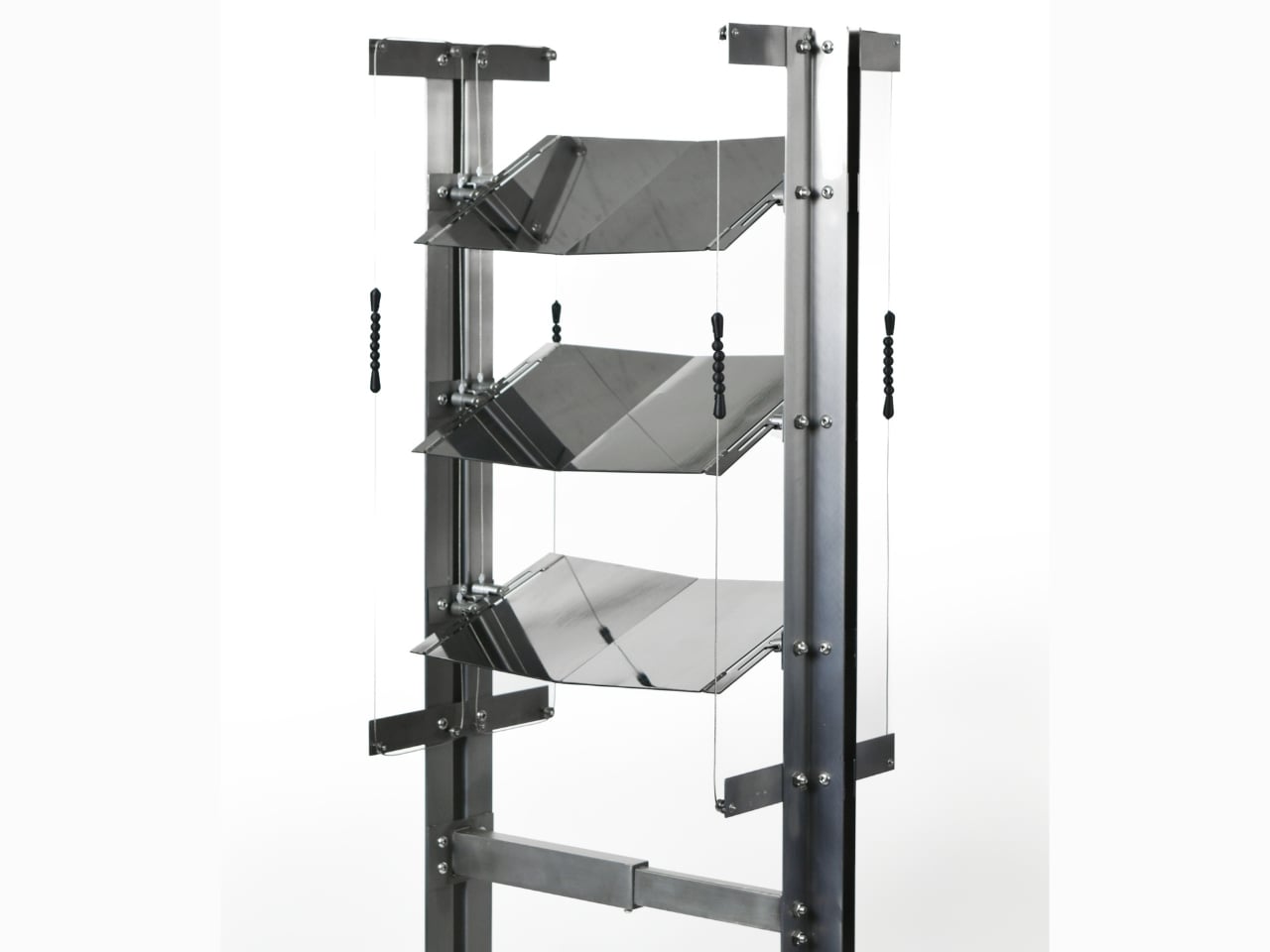
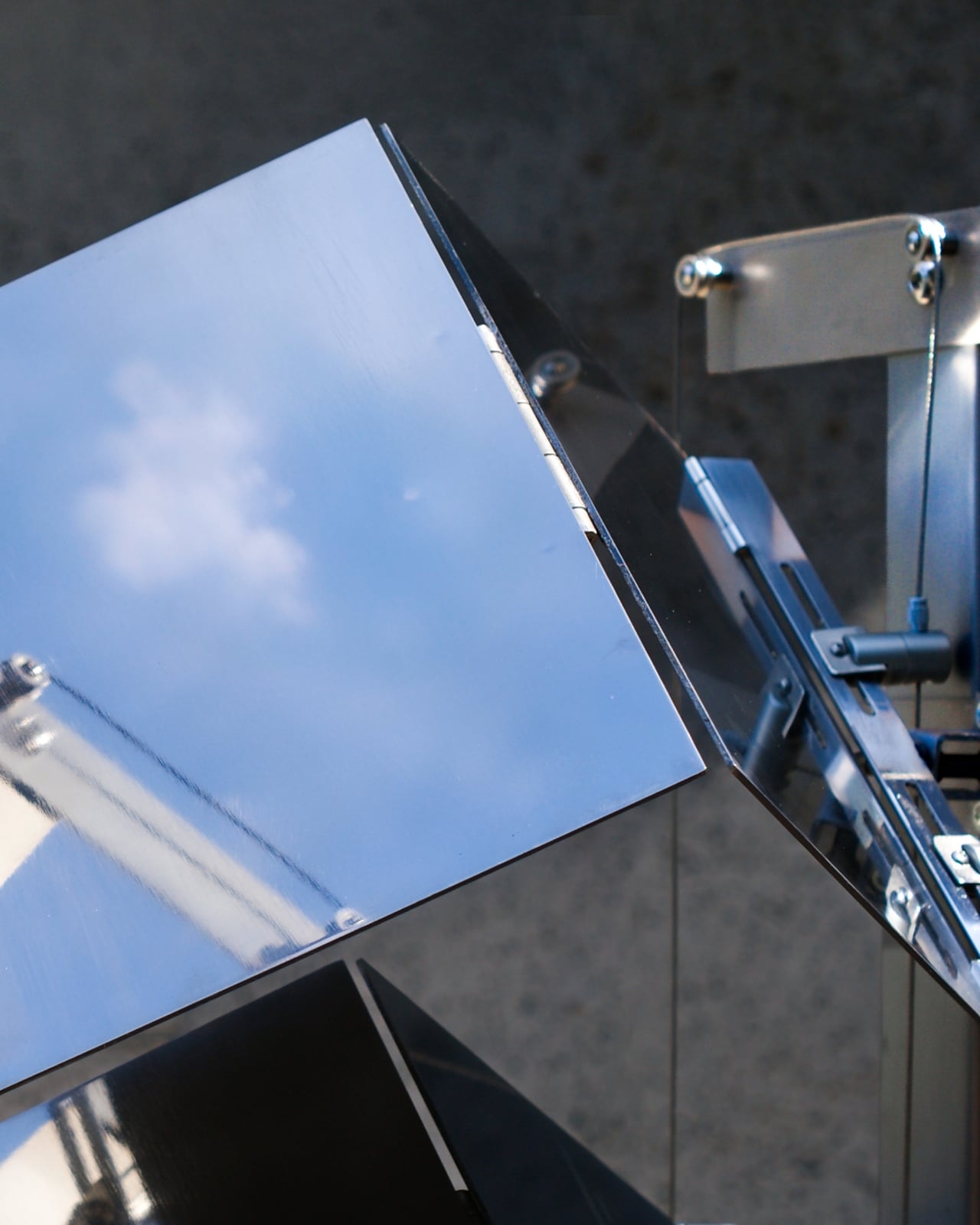
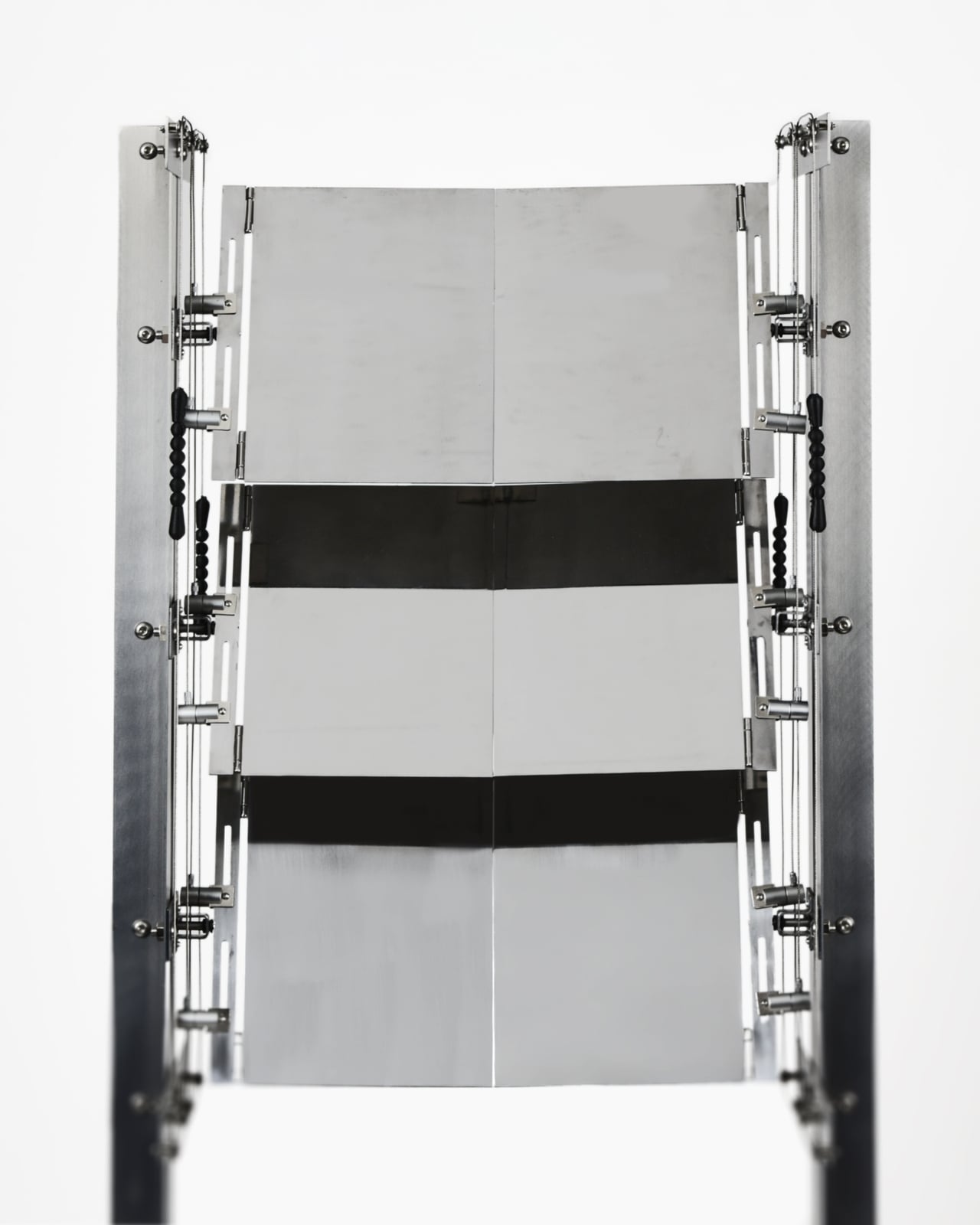
What Hwang, Kim, and Park have done with the CHAGYEONG partition is apply that sensibility to a very specific contemporary problem: urban apartments where privacy and natural light are constantly in tension with each other. The partition sits near a window, and through its rotating mirror-like metal panels, it manages to block direct sightlines from the outside while redirecting the changing colors of the sky inward. You get privacy without the heavy curtain. You get natural light without the exposure. The sky, in a very literal sense, comes inside.
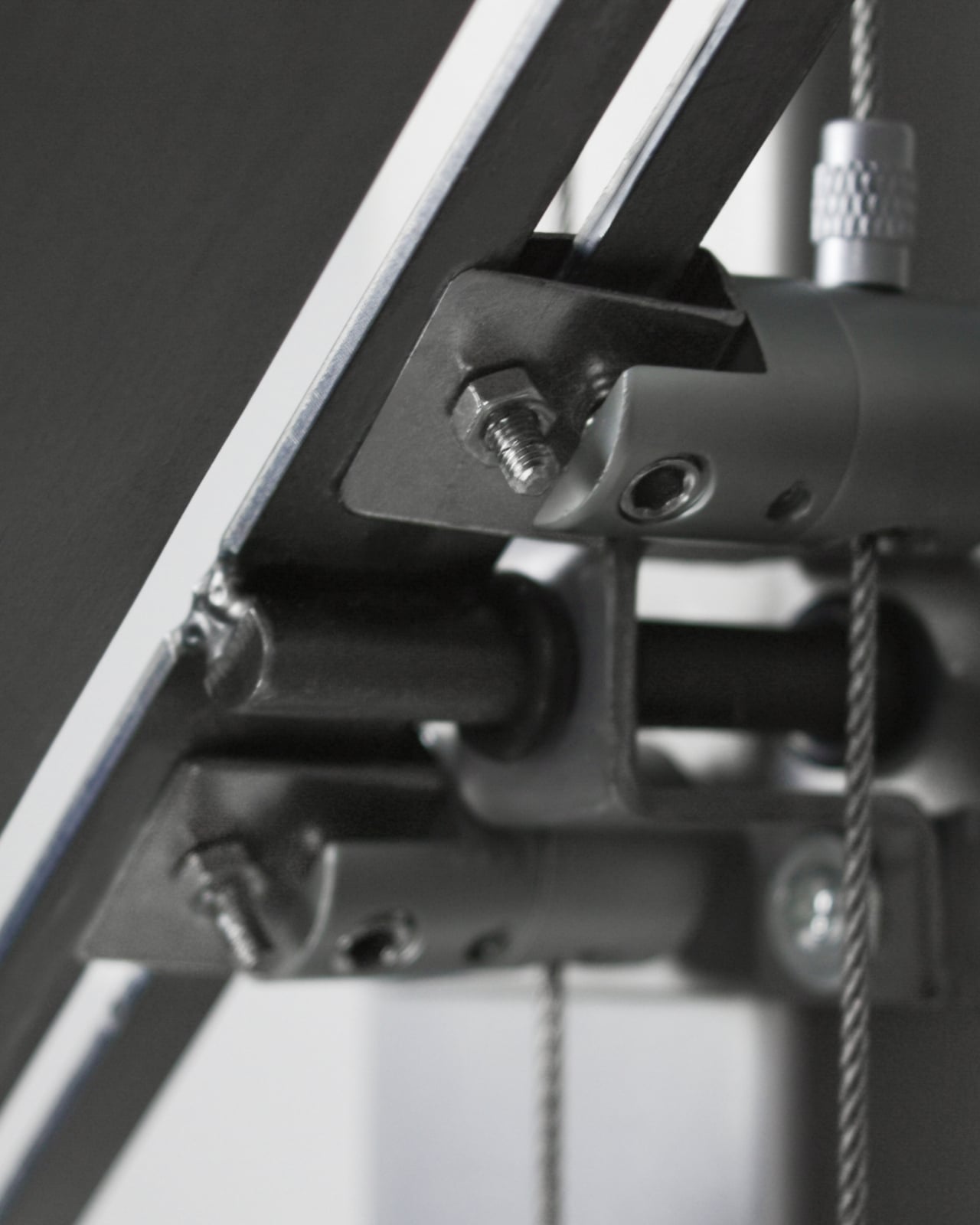
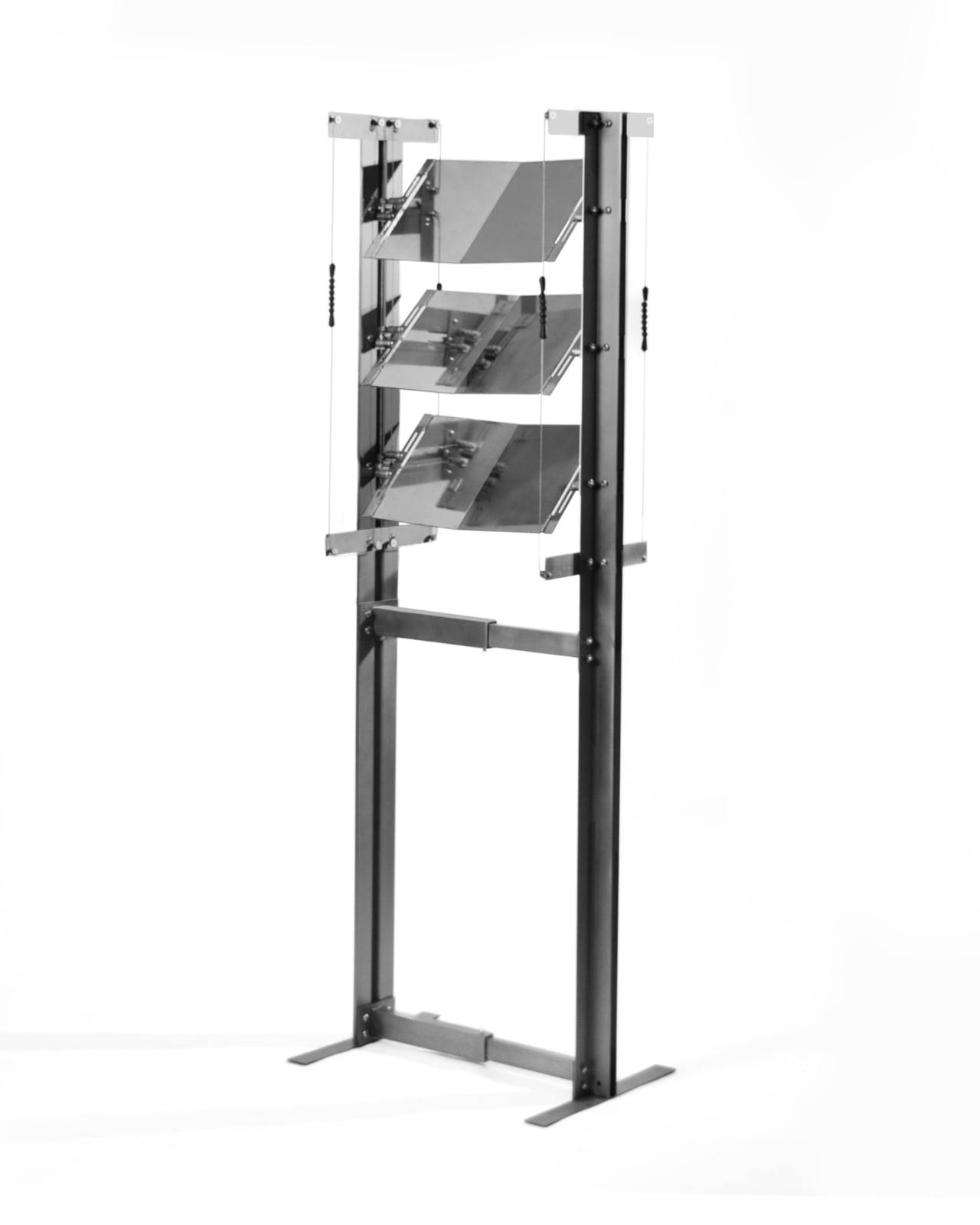
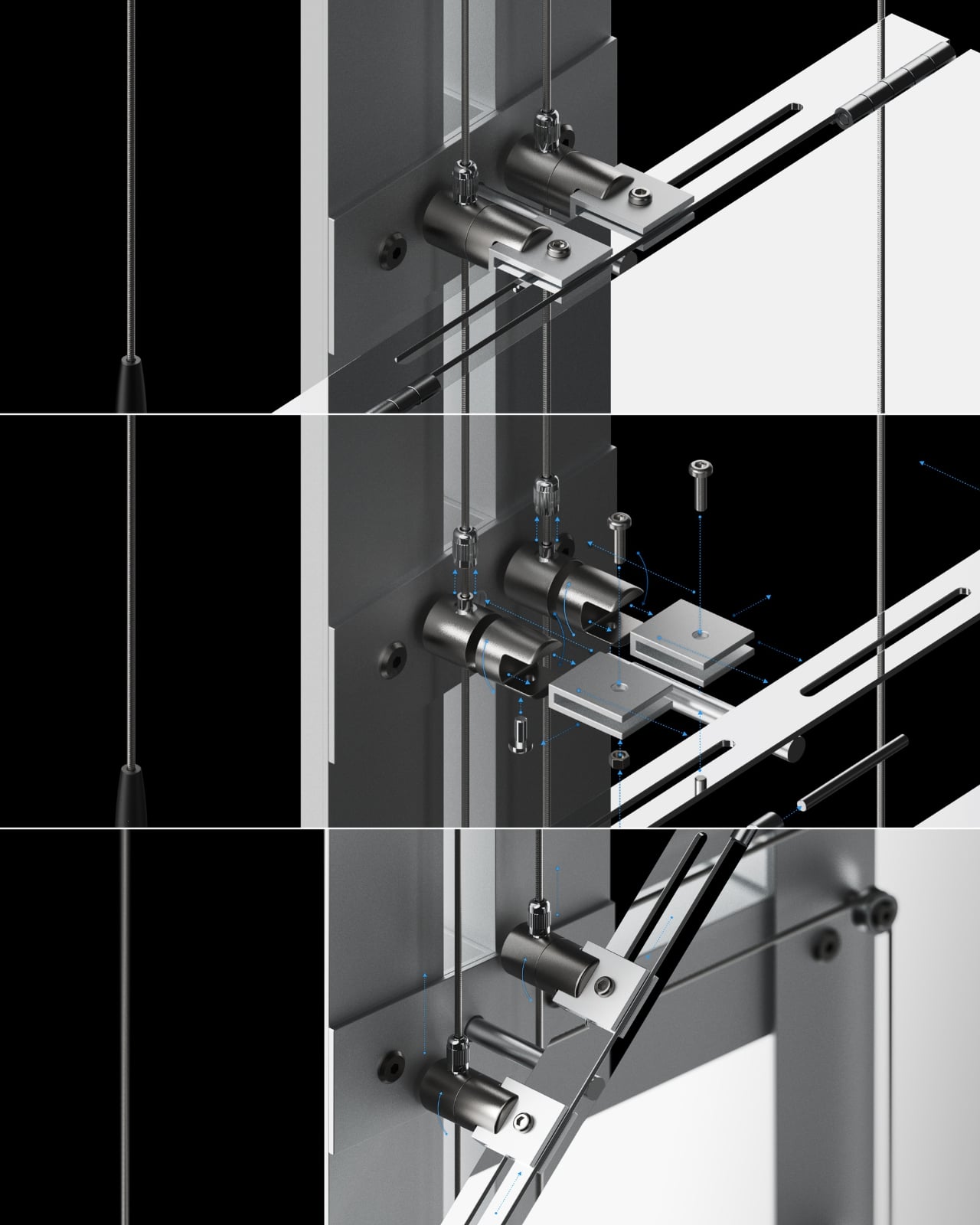
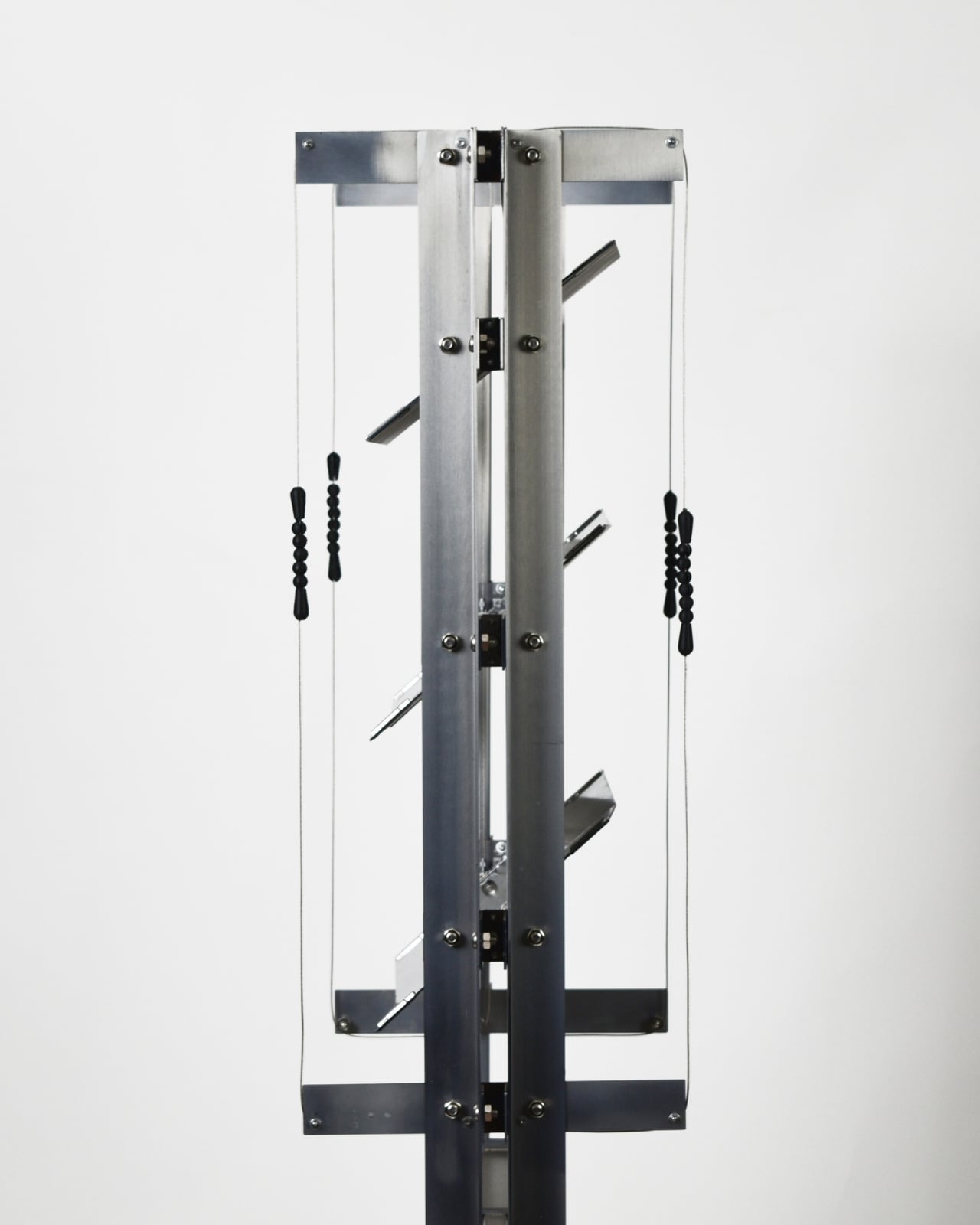
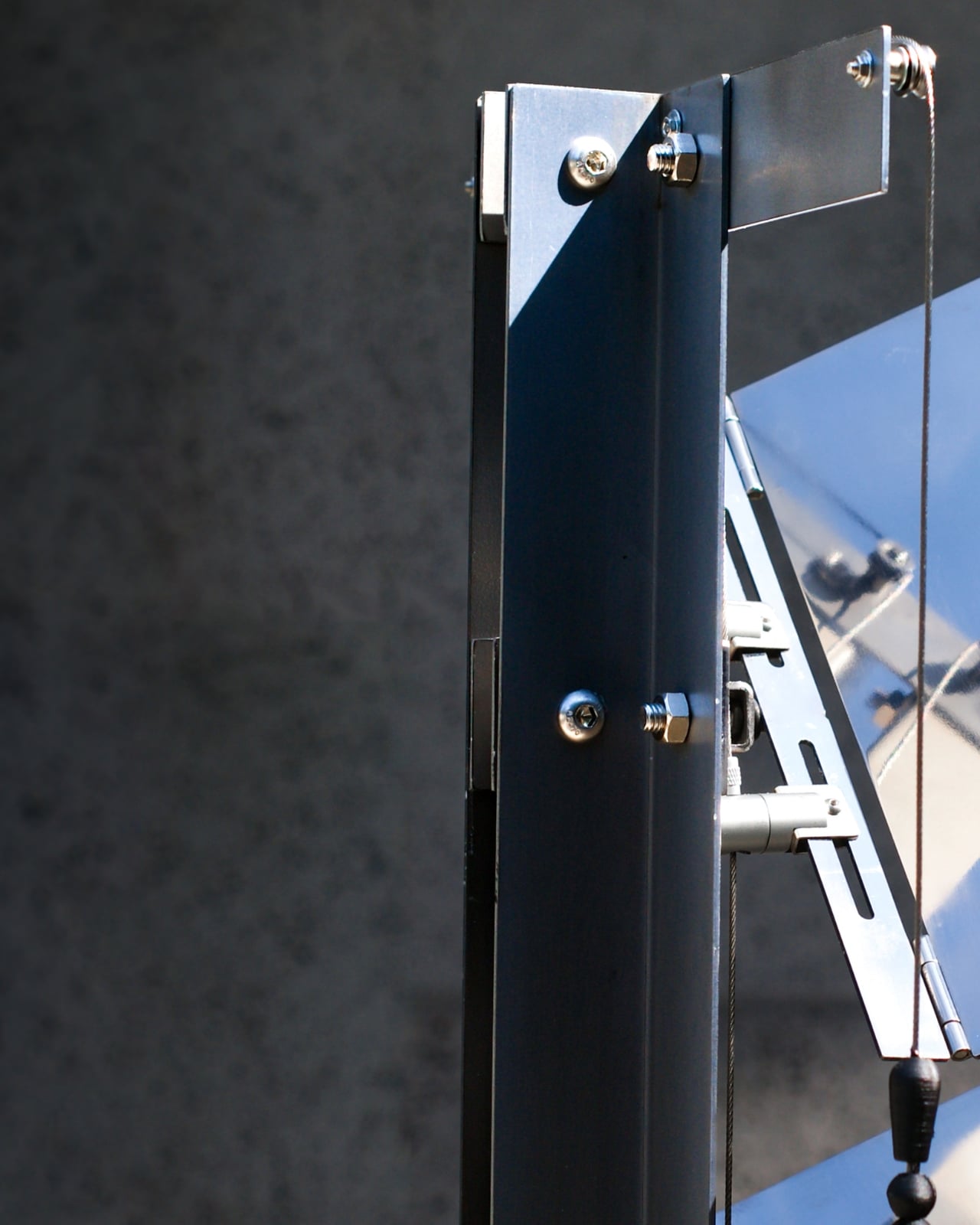
The mechanics of this are more interesting than they first appear. Each reflective metal panel can be angled to adjust the view, which means the object responds to the space rather than dictating to it. The structure is also freestanding, using load distribution instead of wall fixation, so it doesn’t require drilling or permanent installation. This matters more than it sounds. Design objects that require commitment are design objects that most renters never get to own. The flexibility here feels intentional, not just practical.
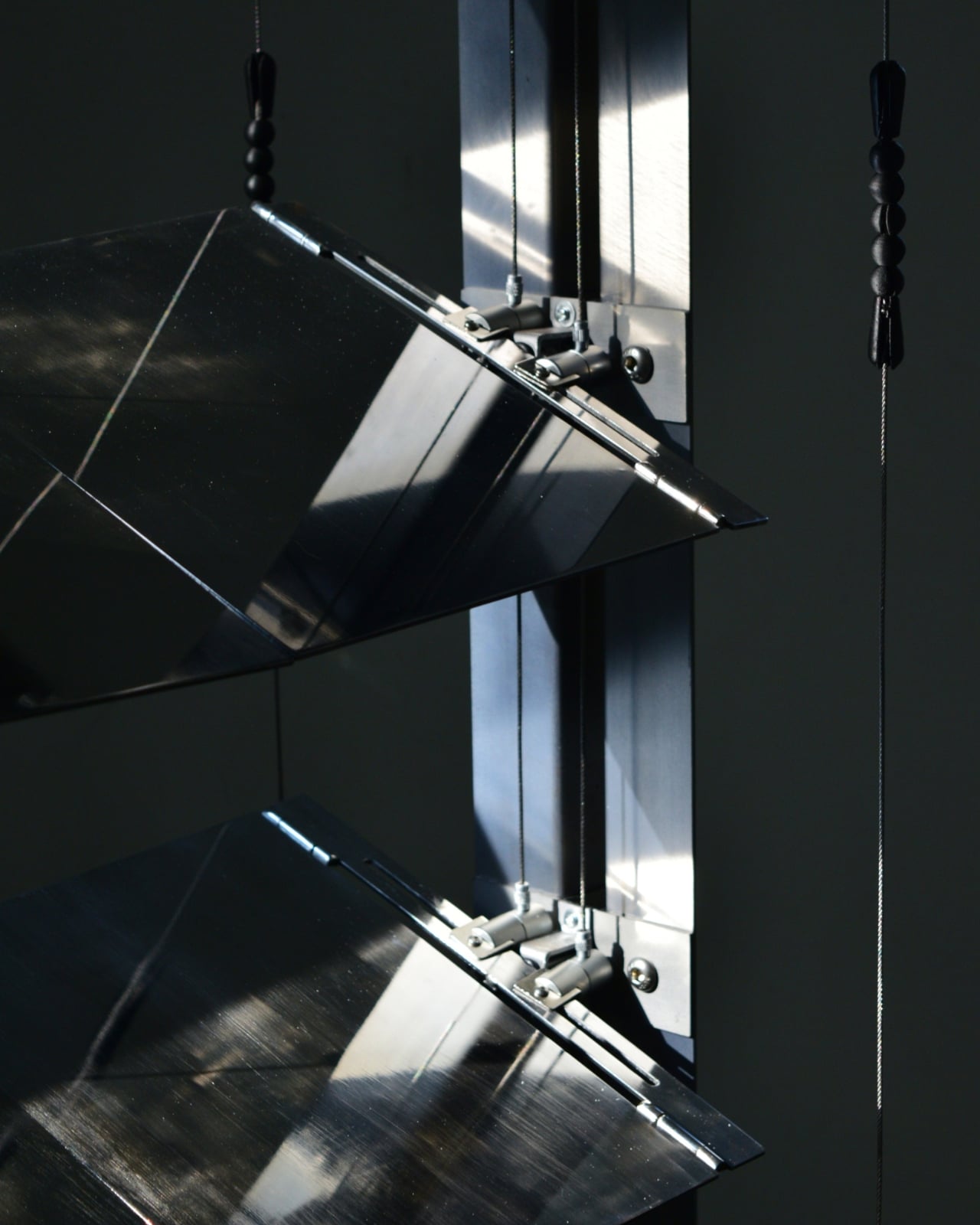
Visually, it reads as sculpture before it reads as furniture. The finely finished metal surfaces, the suspended panels, the small articulated joints and cables connecting everything: it looks like something that belongs equally in a gallery and a living room. That’s a difficult balance to strike, and the team has managed it. The industrial precision of the hardware sits alongside something quieter, almost contemplative, in the overall form.
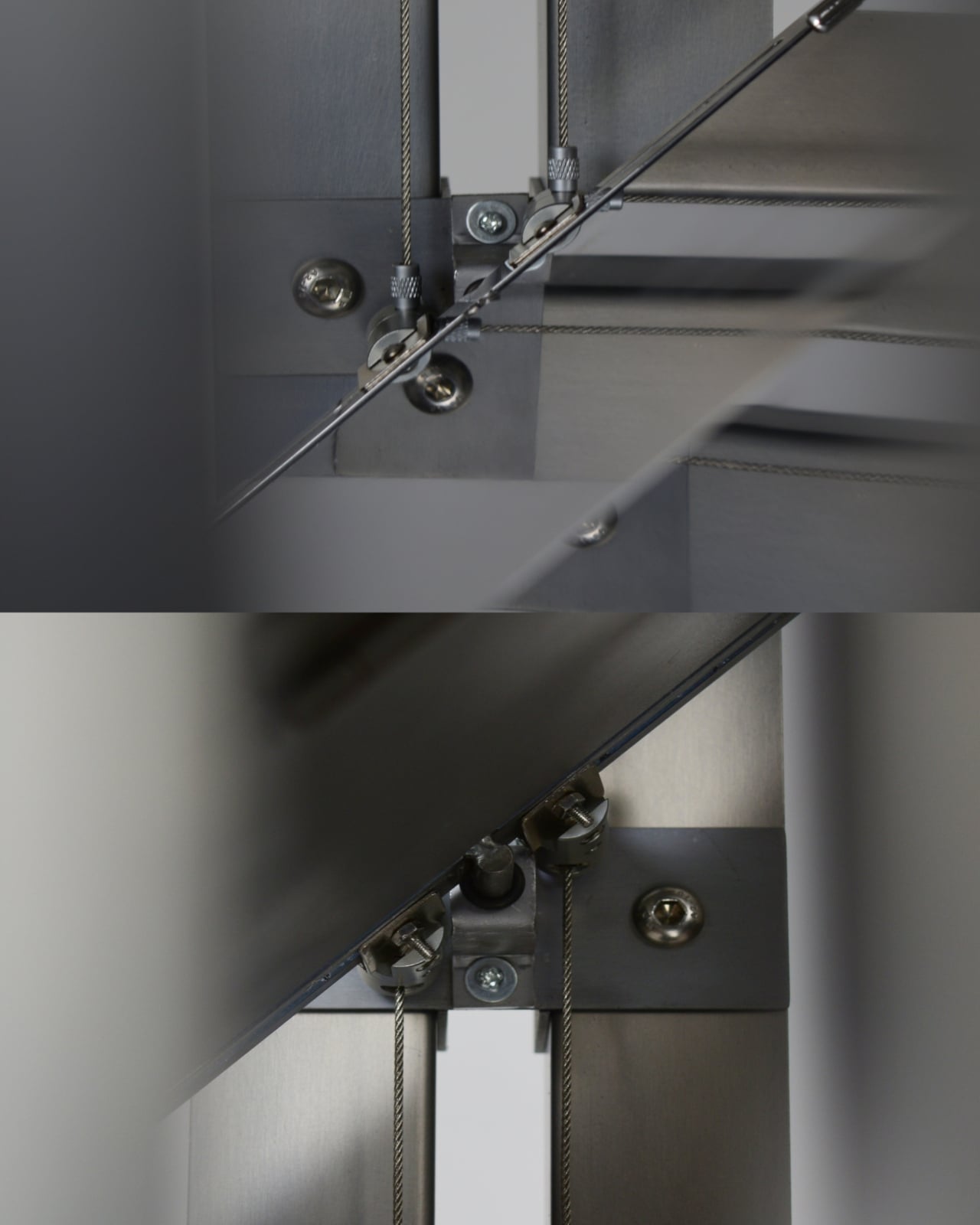
I’ll admit that the first time I looked at it, the engineering detail drew my attention more than anything else. Looking at the close-up images of the rotating joints and the tension cables, you realize how much considered problem-solving sits behind what appears to be a minimalist aesthetic. The freestanding structure, the angled panels, the wire suspension system: none of it is accidental. Everything is load-bearing in the most literal and conceptual sense.
What stays with me, though, is the premise. The idea that a piece of furniture could be designed specifically around giving you back the sky. Not a wellness app, not a daylight lamp, not a houseplant. A metal object, engineered to redirect your attention upward and outward at the part of the world we’ve quietly agreed to stop looking at. Urban living asks us to trade a lot of things in exchange for density, convenience, and connection. Natural time, that slow visible shift from morning to dusk, is one of them. CHAGYEONG is making an argument, calmly and without drama, that the trade doesn’t have to be permanent.
The post This Korean Partition Uses A Periscope-Inspired Design To Reflect The Sky In Your Room first appeared on Yanko Design.