
Gaming handhelds have settled into a fairly predictable shape. A display, a battery, a chip, and controllers, all sealed into a body you carry as a single unit. That works well for most people in most situations. It doesn’t, however, work especially well when you want the same device to handle a different role, because the controllers are permanently in the way and the laptop mode simply doesn’t exist.
The OneXPlayer 3 is built around a different idea. Announced at Computex 2026, it runs Intel’s Arc G3 Extreme processor, a chip designed specifically for handheld gaming on the Panther Lake platform, with 14 CPU cores, 12 Xe3 GPU cores, and up to 180 TOPS of total platform AI compute. What sets it apart from every other Arc G3 device shown at the same event, though, isn’t the chip. It’s the structure.
Designer: ONEXPLAYER/ONE-NETBOOK
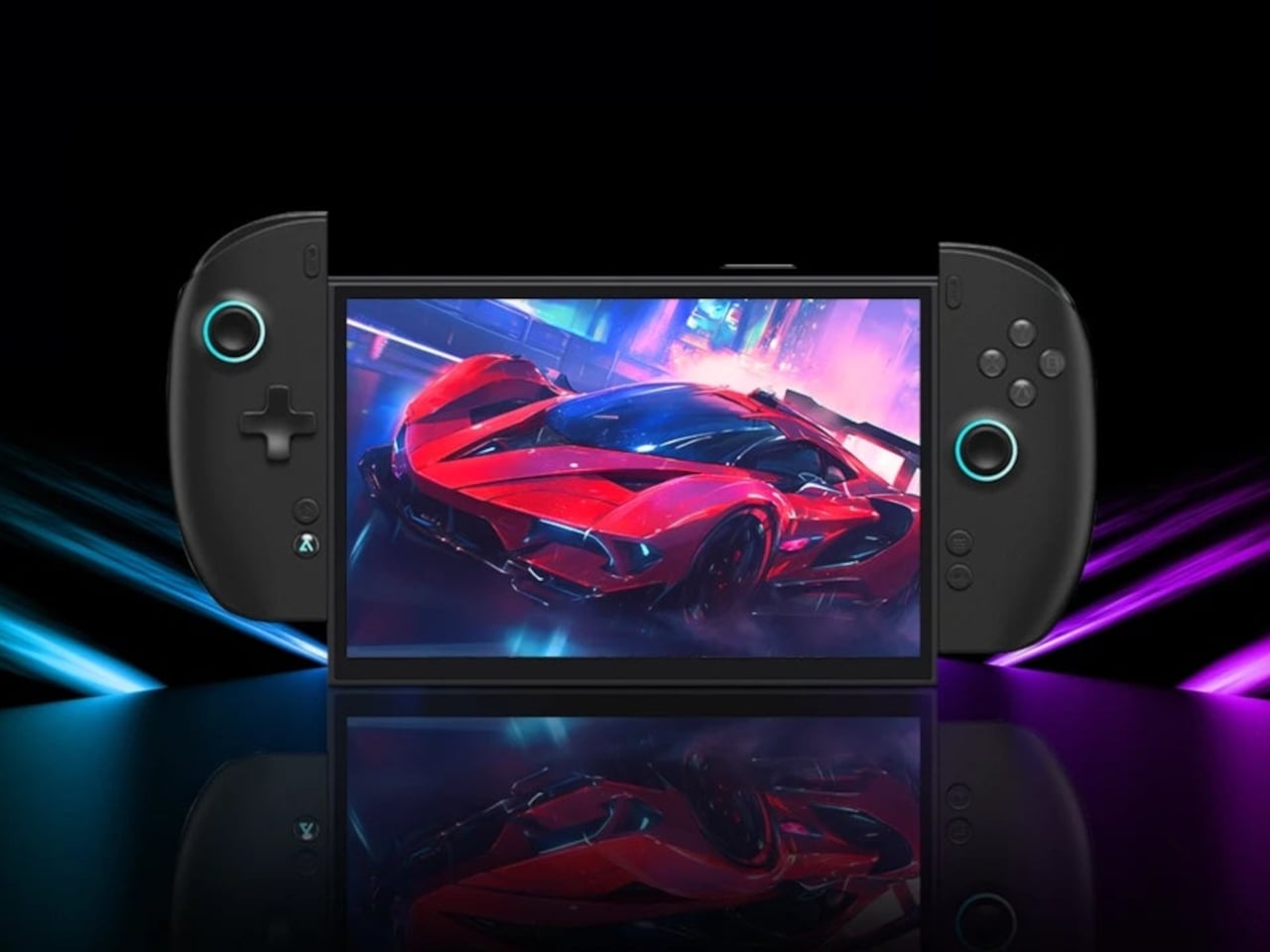
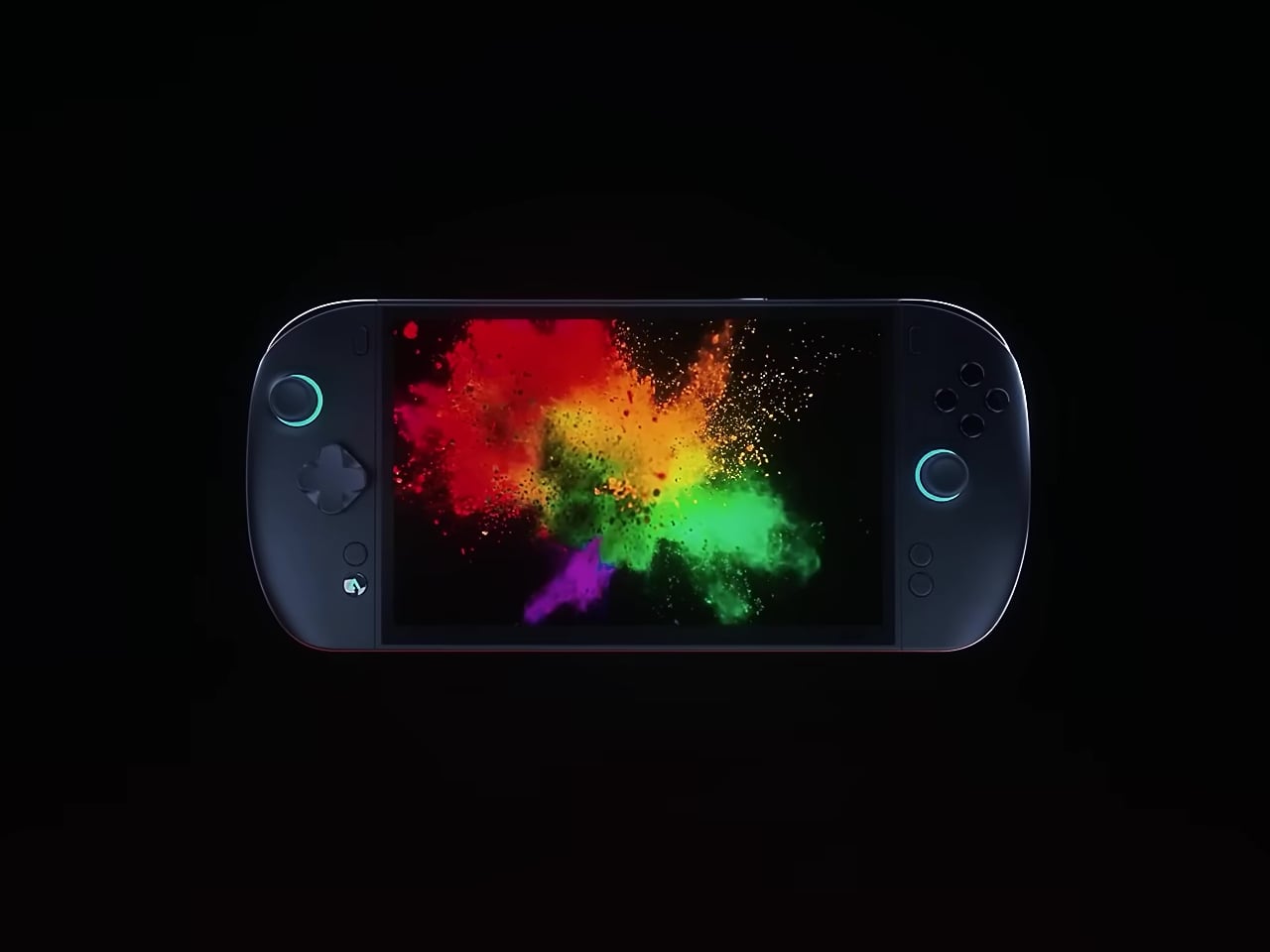
The controllers detach. Clip them onto both sides, and it’s a gaming handheld. Remove them and add the magnetic backlit keyboard, and it becomes a compact laptop. Pull that off too, and what’s left is a standalone tablet with an 8.8-inch AMOLED display in native landscape orientation. That last detail matters: most handhelds use portrait panels rotated sideways, which introduces subpixel layout issues. The OneXPlayer 3 doesn’t have that problem.
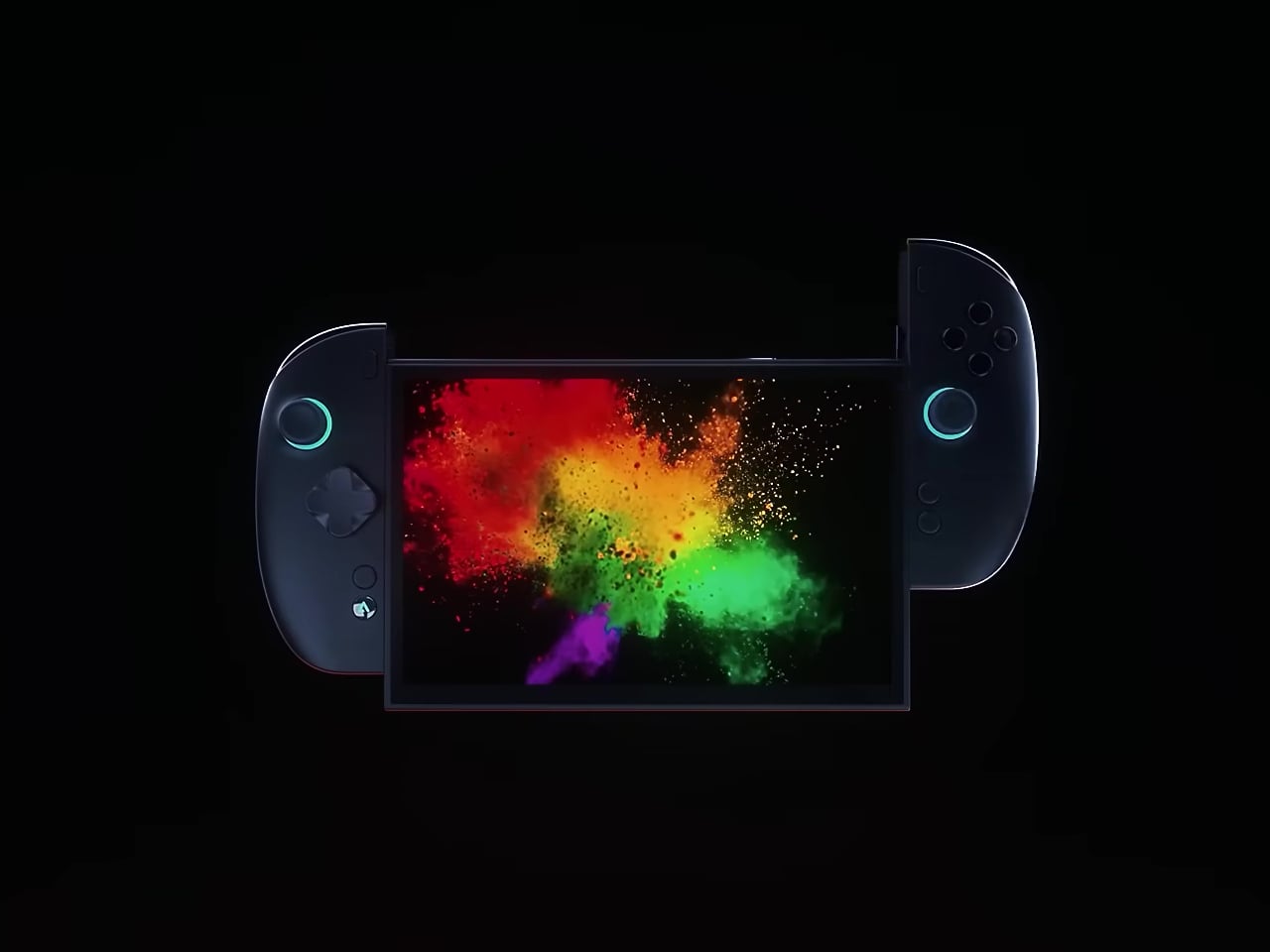
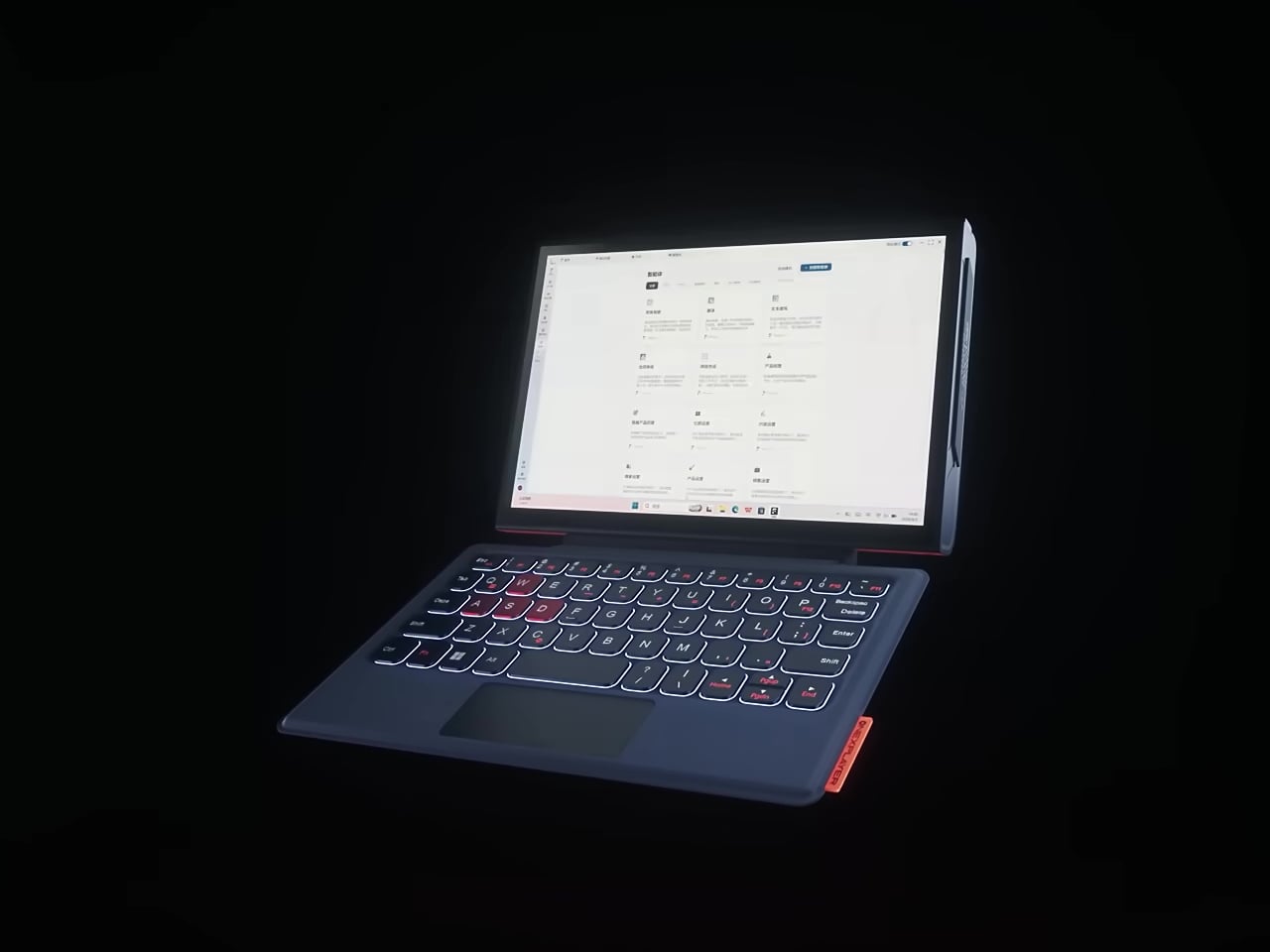
The display runs at 144Hz with VRR and HDR support, which counts during fast-paced titles where motion clarity and input responsiveness make a concrete difference. The detachable controllers aren’t simplified accessories, either. They carry Hall Effect joysticks for drift-resistant precision, two-stage triggers, a capacitive touchpad for cursor control without needing an external mouse, and rear buttons that keep extra inputs within reach during play.
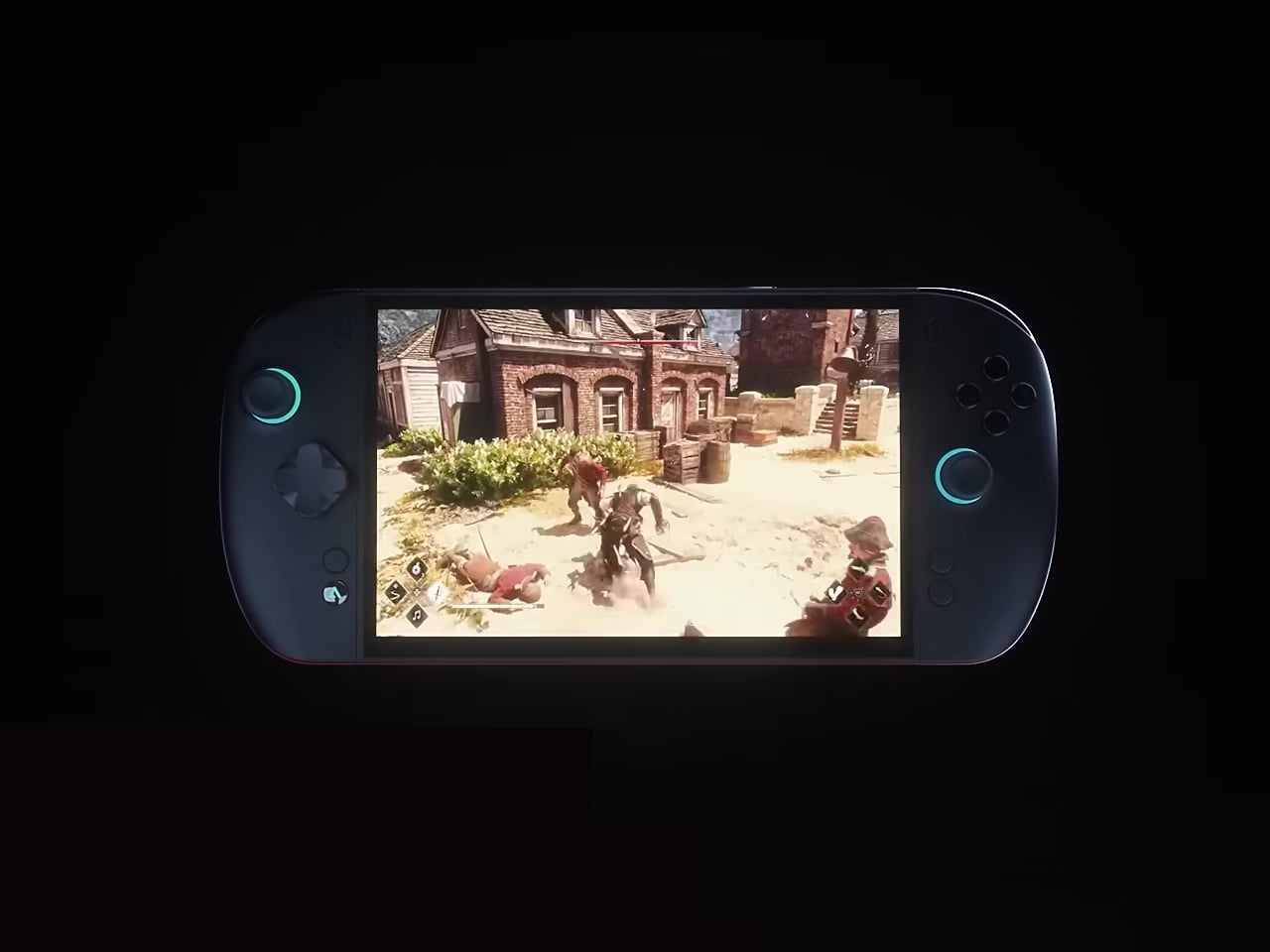
Battery capacity sits at 85Wh, which is among the largest in any current gaming handheld. An extended session doesn’t mean much, though, if the chip is running too hot to maintain performance throughout. OneXPlayer addresses that with a liquid cooling system designed to manage the sustained thermal output of the Arc G3 Extreme under gaming loads, rather than leaning on a conventional fan arrangement alone.
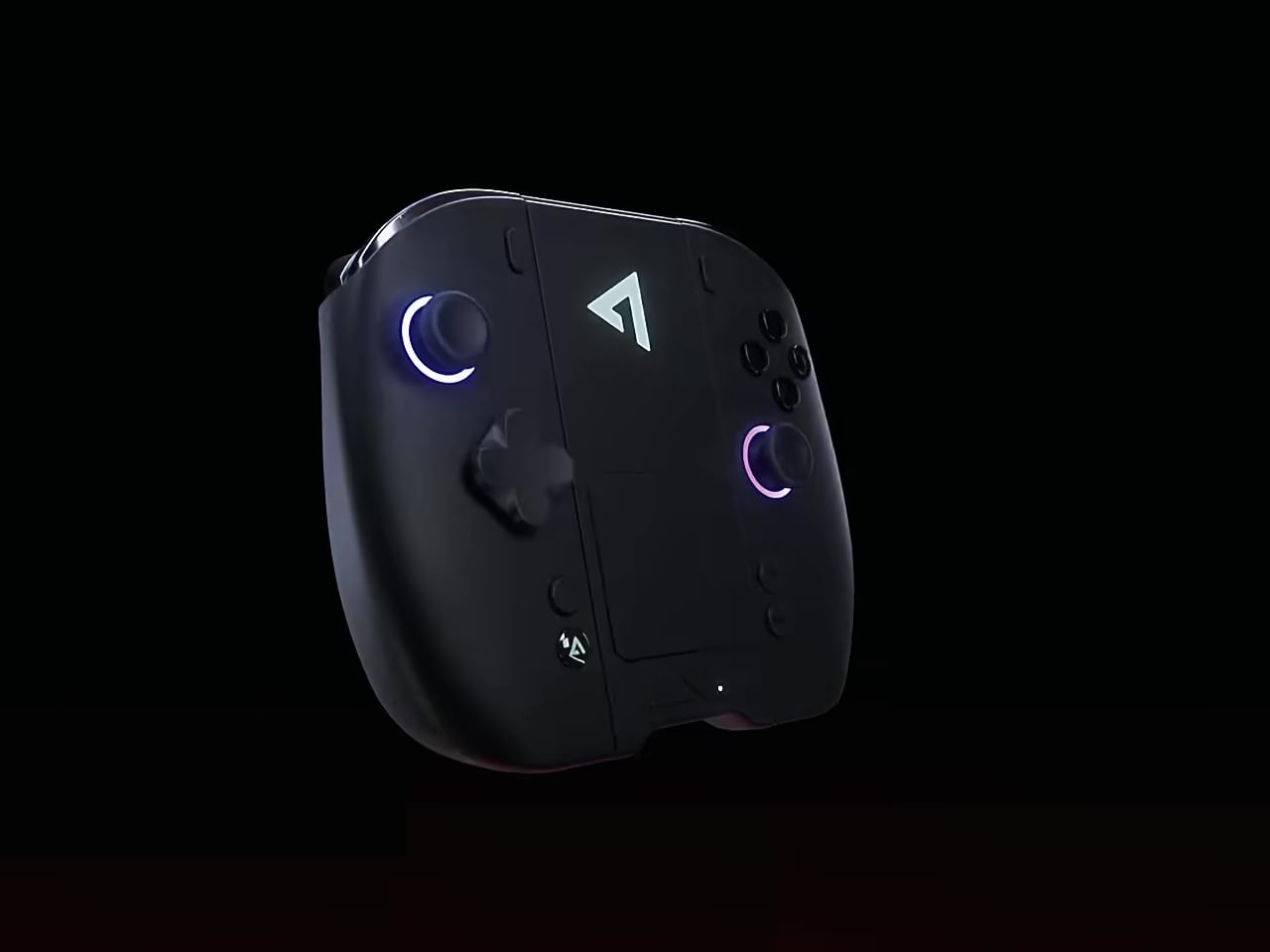
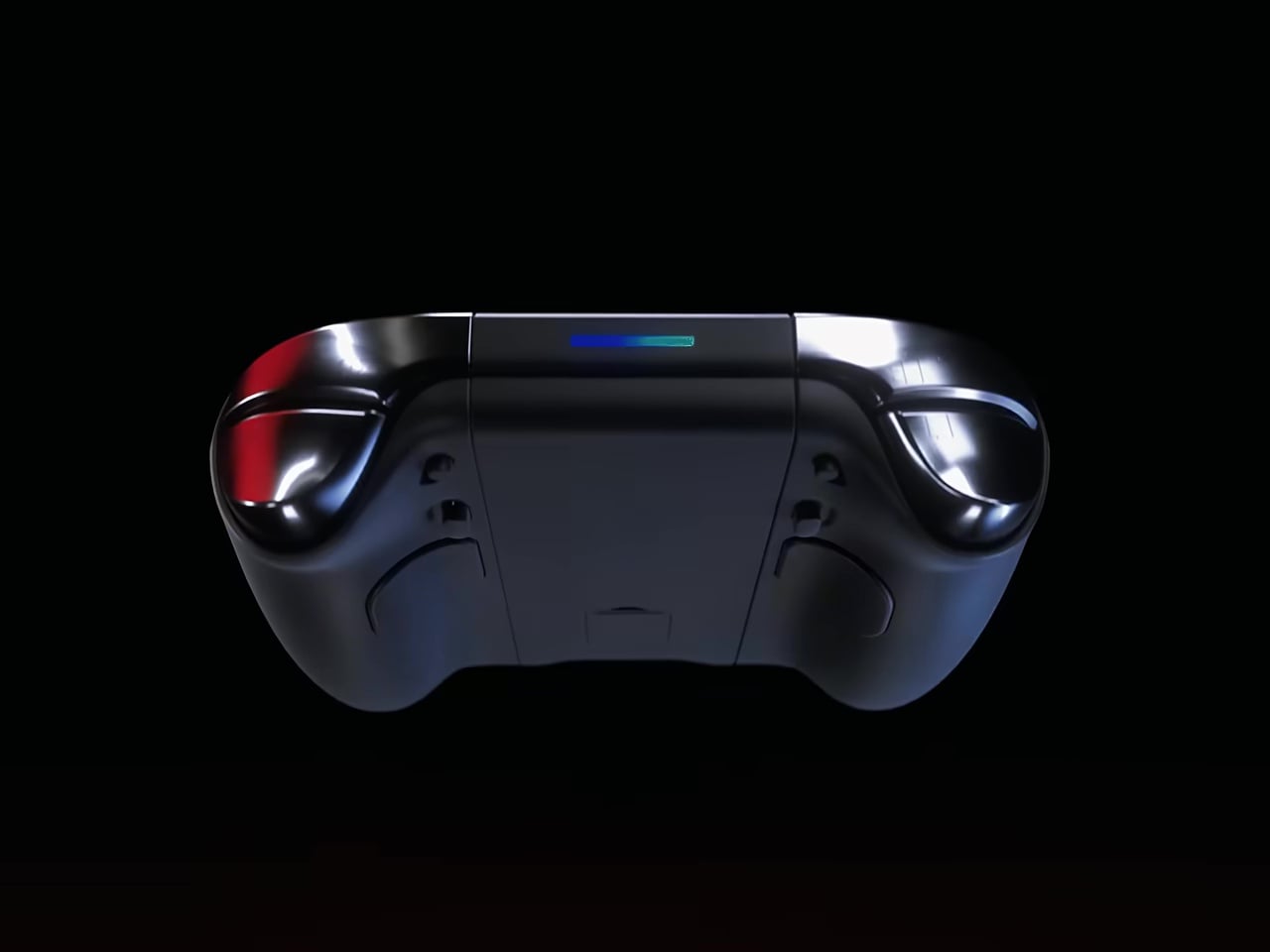
The port selection reflects how the device wants to be used. USB4 opens up external display connections and eGPU docking that most handhelds simply don’t support. USB-A, a mini SSD expansion slot, MicroSD, and a 3.5mm audio jack fill out the rest, covering both gaming peripherals and the connectivity and storage needs that come up during productivity work.
Intel’s Panther Lake platform also delivers up to 50 TOPS of NPU AI performance alongside the GPU’s compute capabilities, contributing to that 180 TOPS total. That headroom targets AI-assisted gaming features and on-device content creation tools that will roll through software updates, giving the hardware a longer useful life than a device designed purely for gaming today.
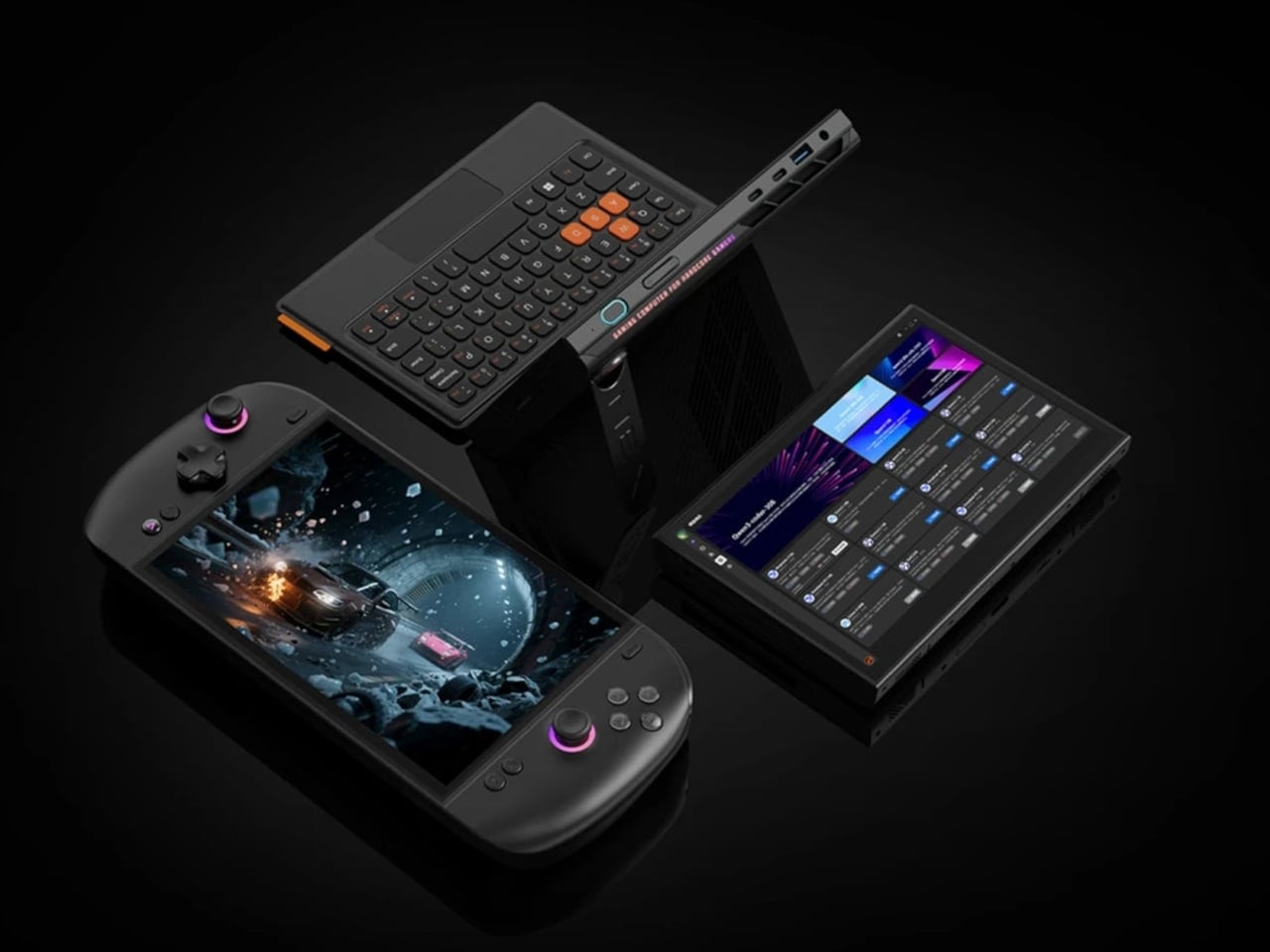
Pricing hasn’t been confirmed, though the hardware points to a starting figure above $1,500, with higher configurations likely pushing well past that. A global release is expected in 2026. For a market where most handhelds look and function almost identically, the OneXPlayer 3 is asking a direct question about what a handheld should do when the gaming is done and the bag needs to close.
The post OneXPlayer 3 Just Turned the Gaming Handheld Into a 3-in-1 PC first appeared on Yanko Design.