
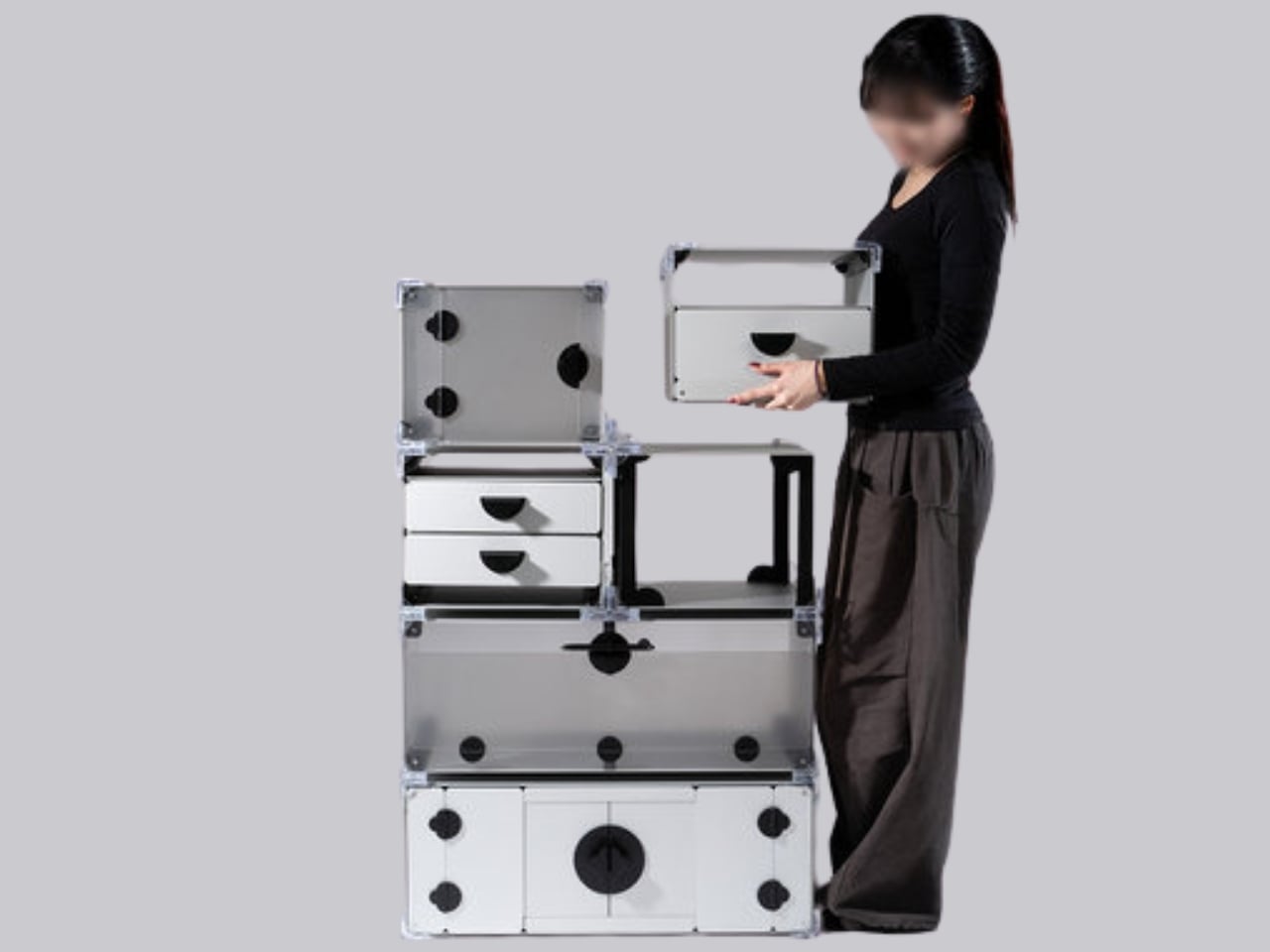
Some of the most interesting design work starts not in a studio, but in a family home. For Korean designer Kim Gayoung, it started with a chest. Not just any chest. A Bandaji, a traditional Korean dowry chest that her great-grandmother brought into her marriage. When that piece was passed down to Gayoung, it became more than furniture. It became a question: what do you do with an heirloom that feels too meaningful to set aside and too fixed to actually live with?
Her answer is ænd, a modular furniture system that earned her a Student Notable in the 2026 Design Awards’ Furniture and Lighting category. The name is a clever piece of typographic play, merging the ligature “æ” with “nd,” a quiet nod to the idea of continuation without repetition. Even the branding signals that this project is thinking about time.
Designer: Kim Gayoung
The original Bandaji is a striking object. Heavy, monolithic, and built from wood, it was designed to last lifetimes. Its proportions are deliberate. Its hardware, particularly the metal hinges, was as much about beauty as it was about function. These chests weren’t just storage; they were statements about permanence and lineage. Every family that owned one understood it as a keeper of memory.
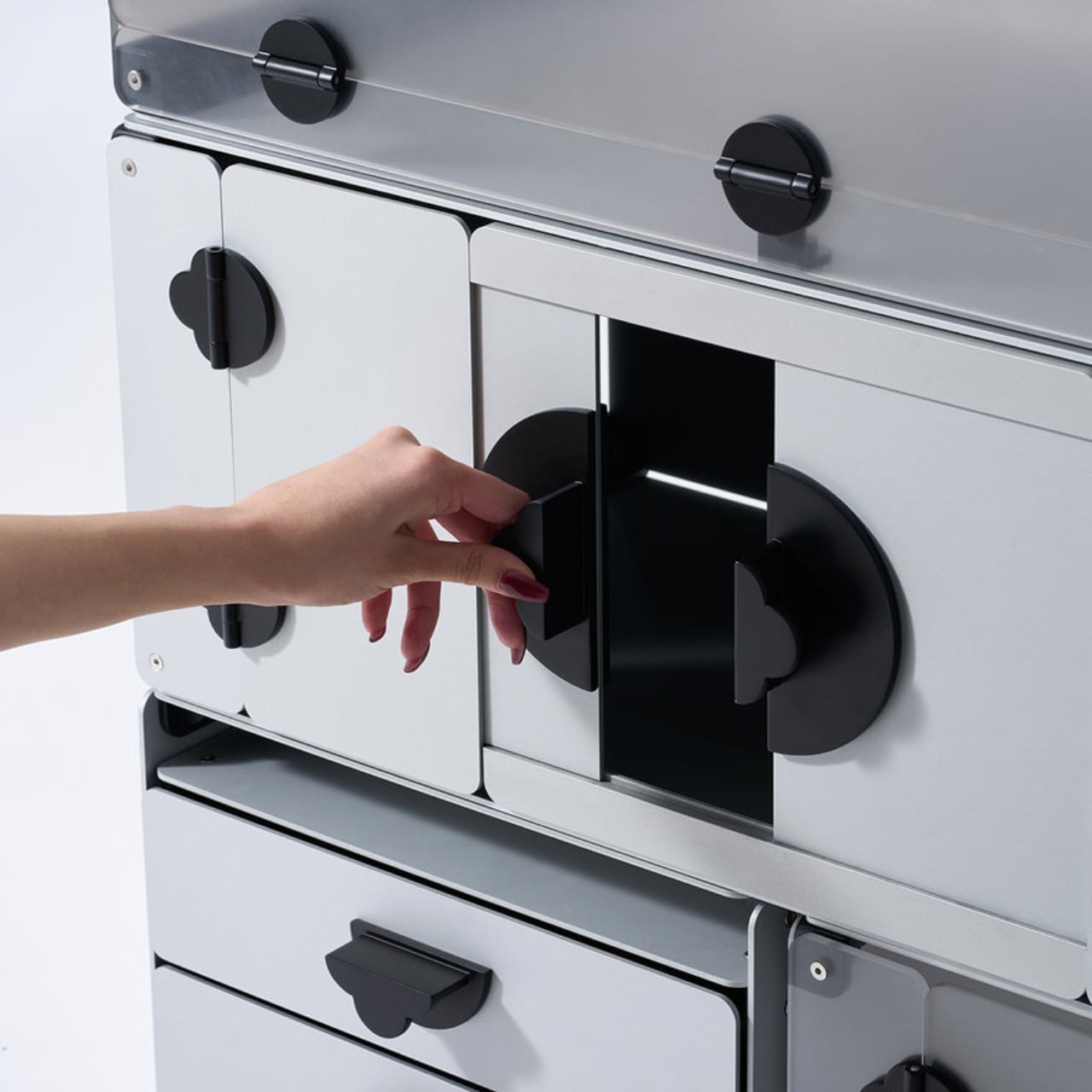
But the reality of modern living doesn’t accommodate many monolithic wooden chests. Our apartments are smaller. Our floor plans change. We move more, accumulate differently, and rearrange our spaces on a whim. The traditional Bandaji, for all its emotional weight, doesn’t bend to those realities.
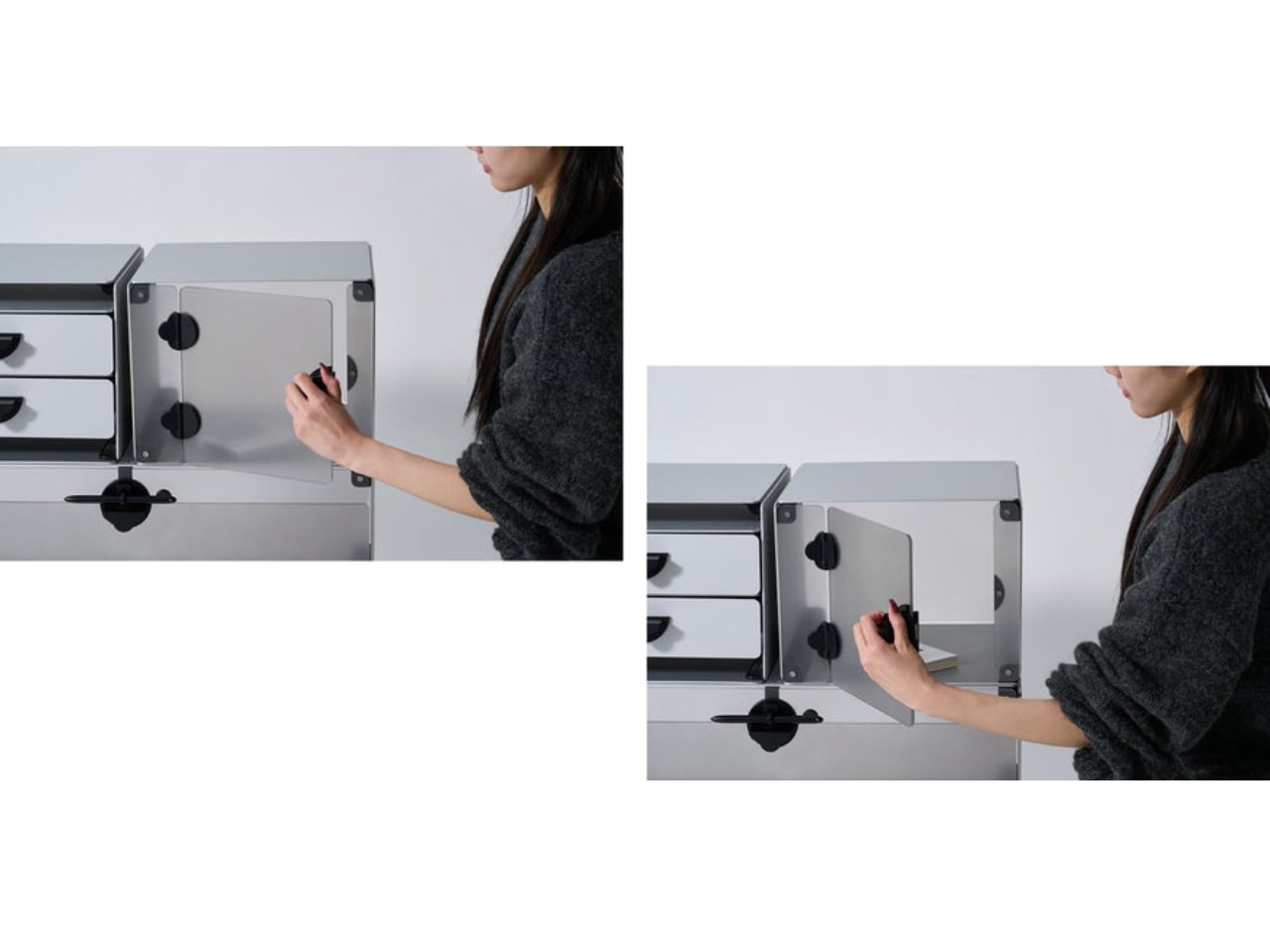
Gayoung didn’t try to miniaturize it or make it look more contemporary through surface-level styling. Instead, she went deeper. She studied the Bandaji as a structural and cultural system, pulling out its underlying logic rather than its literal form. What emerged is a modular framework that holds the spirit of the original while letting it adapt.
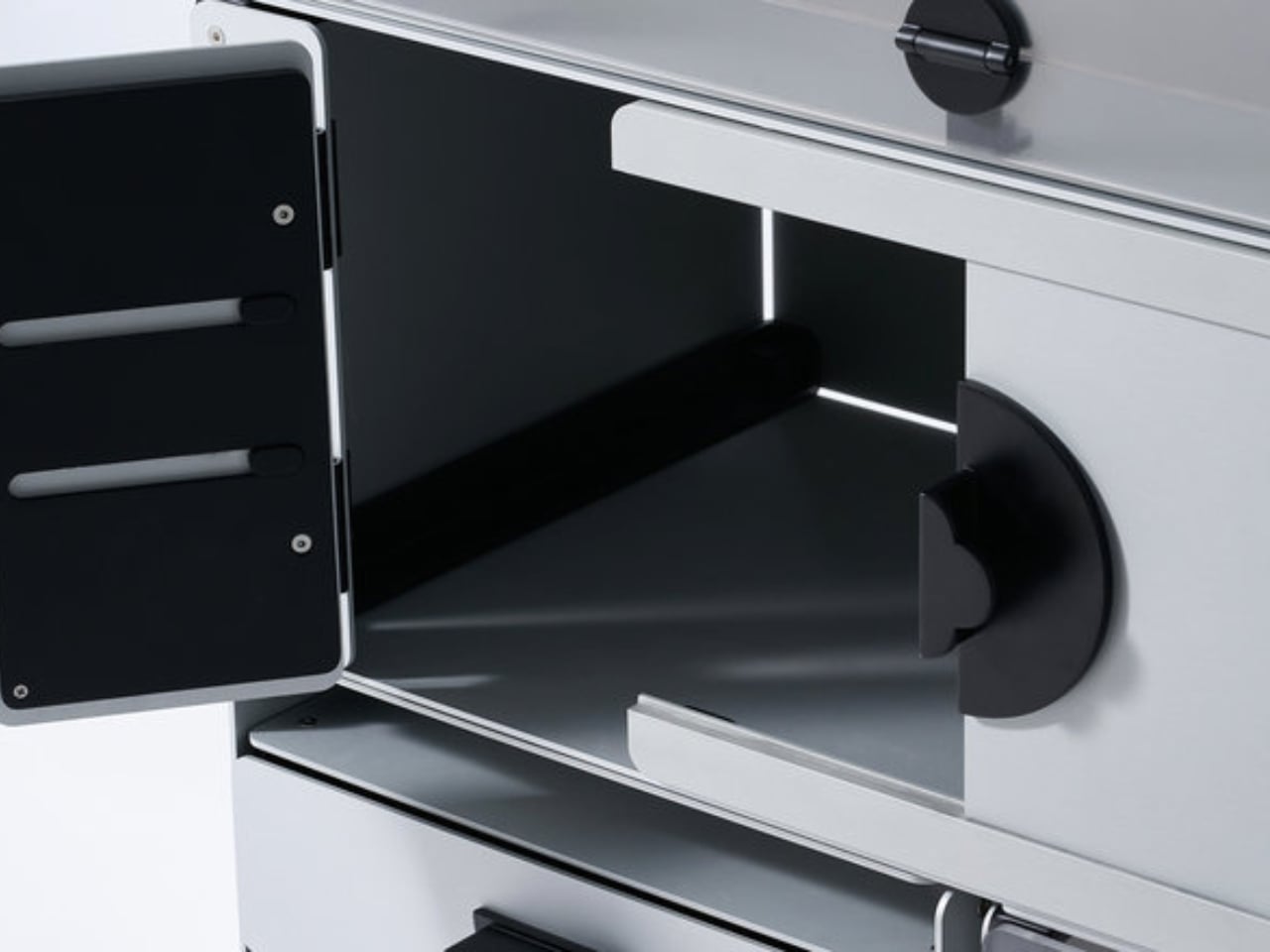
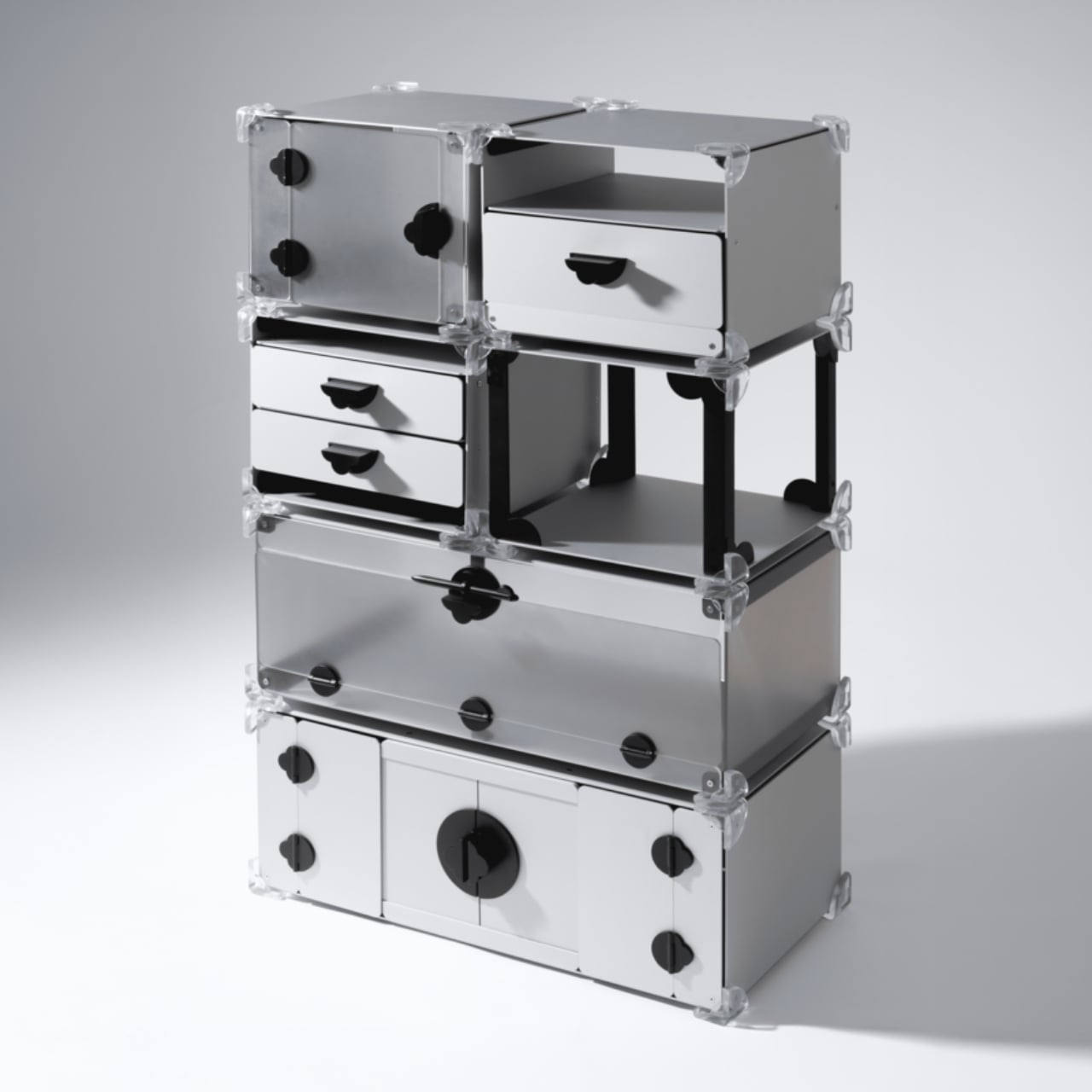
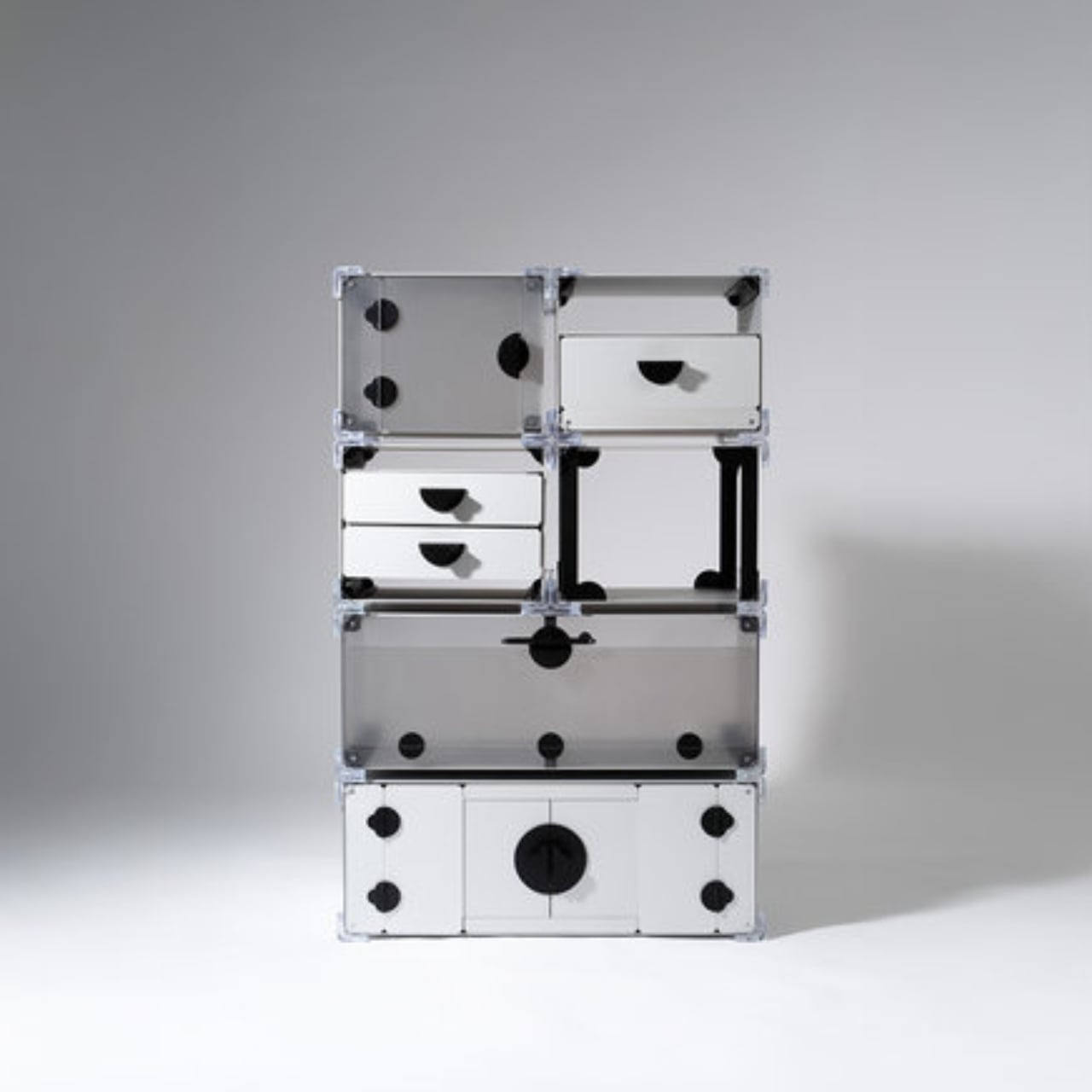
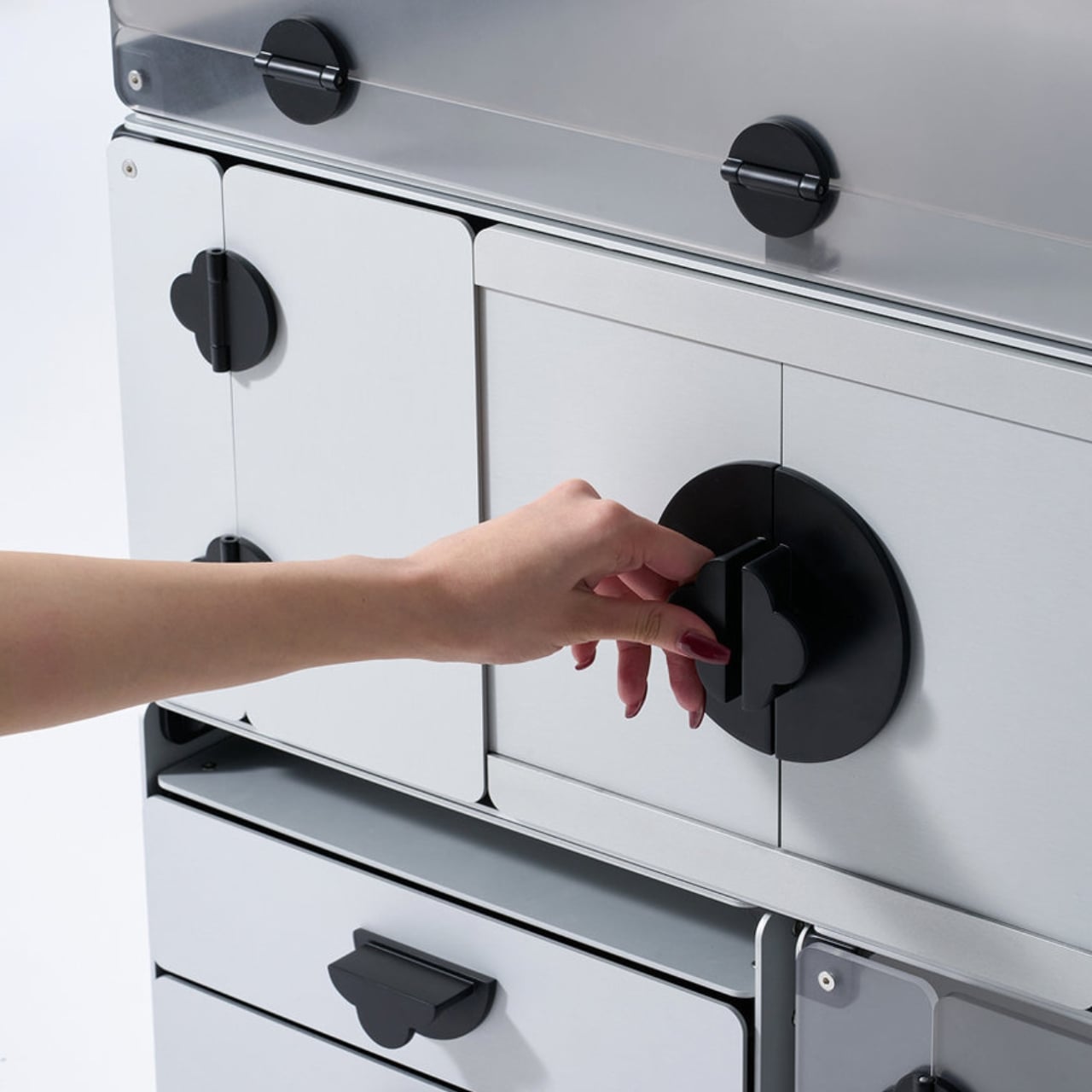
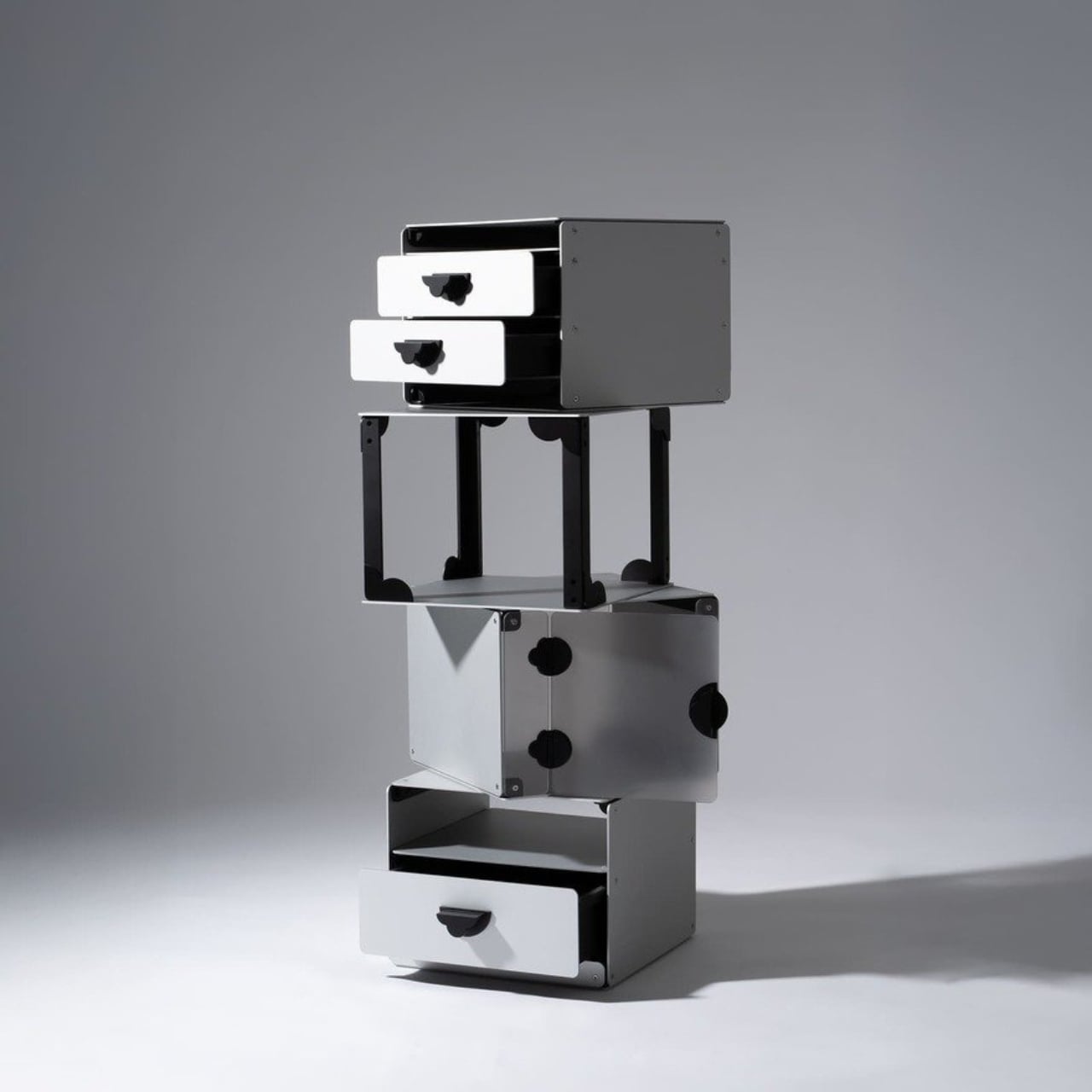
The most elegant move in ænd is what she did with the hinge. On a Bandaji, the hinge is iconic. It’s not a hidden mechanism; it’s a decorative signature, often ornate and deliberately visible. Gayoung abstracted that hinge geometry into a corner module that becomes the connective tissue of the entire system. These corner pieces allow units to stack, expand vertically, or extend horizontally. You can rearrange them. You can accumulate more over time. The system grows with you the way a family chest once did, just with a lot more flexibility.
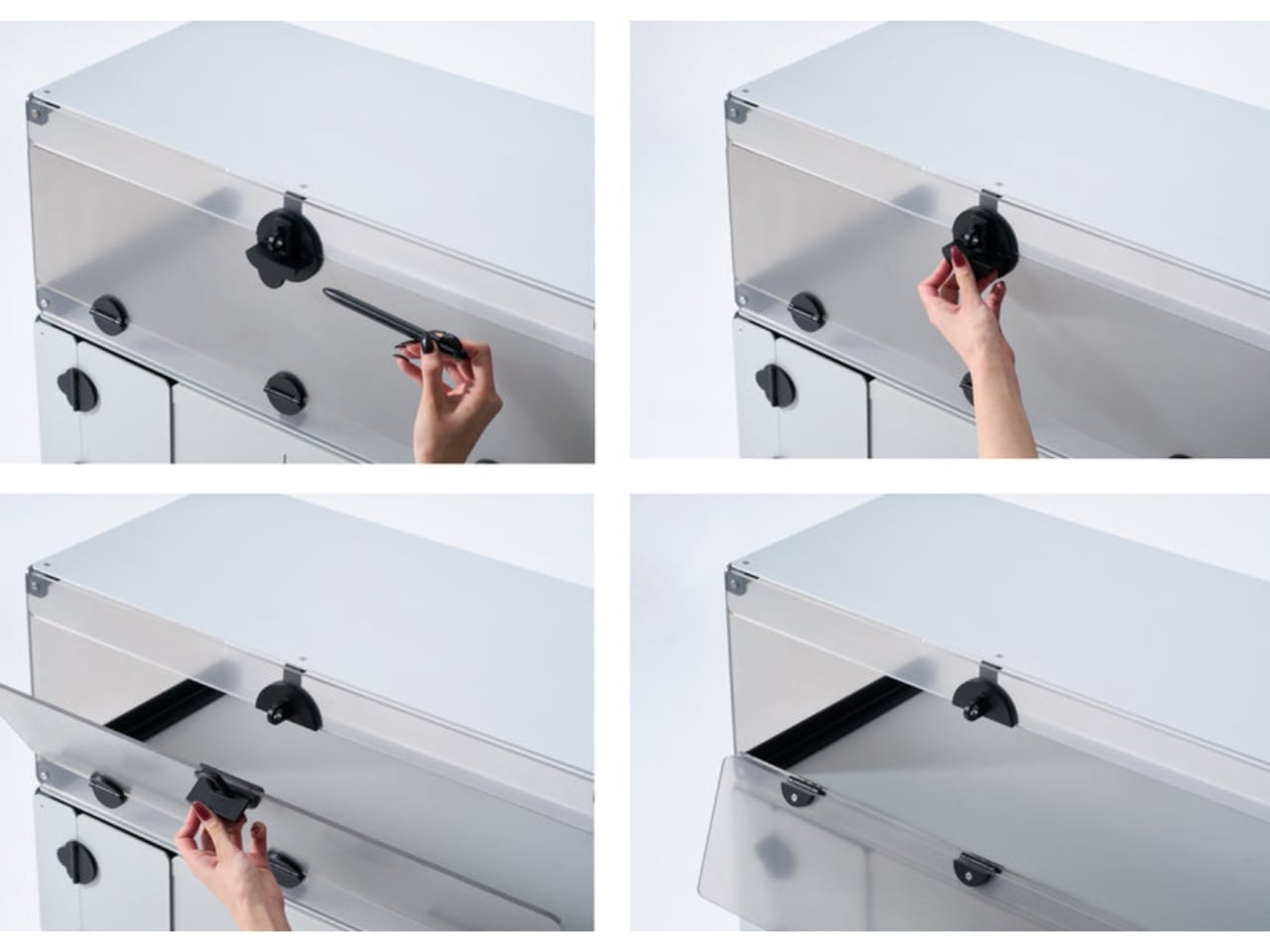
The panel system is equally considered. Translucent panels let you sense what’s stored without a full reveal, a kind of visual shorthand for everyday items you reach for often. Opaque panels give you concealment where you want it. The balance between showing and hiding is something the original Bandaji understood intuitively, and it carries through here in a way that feels fresh rather than forced.
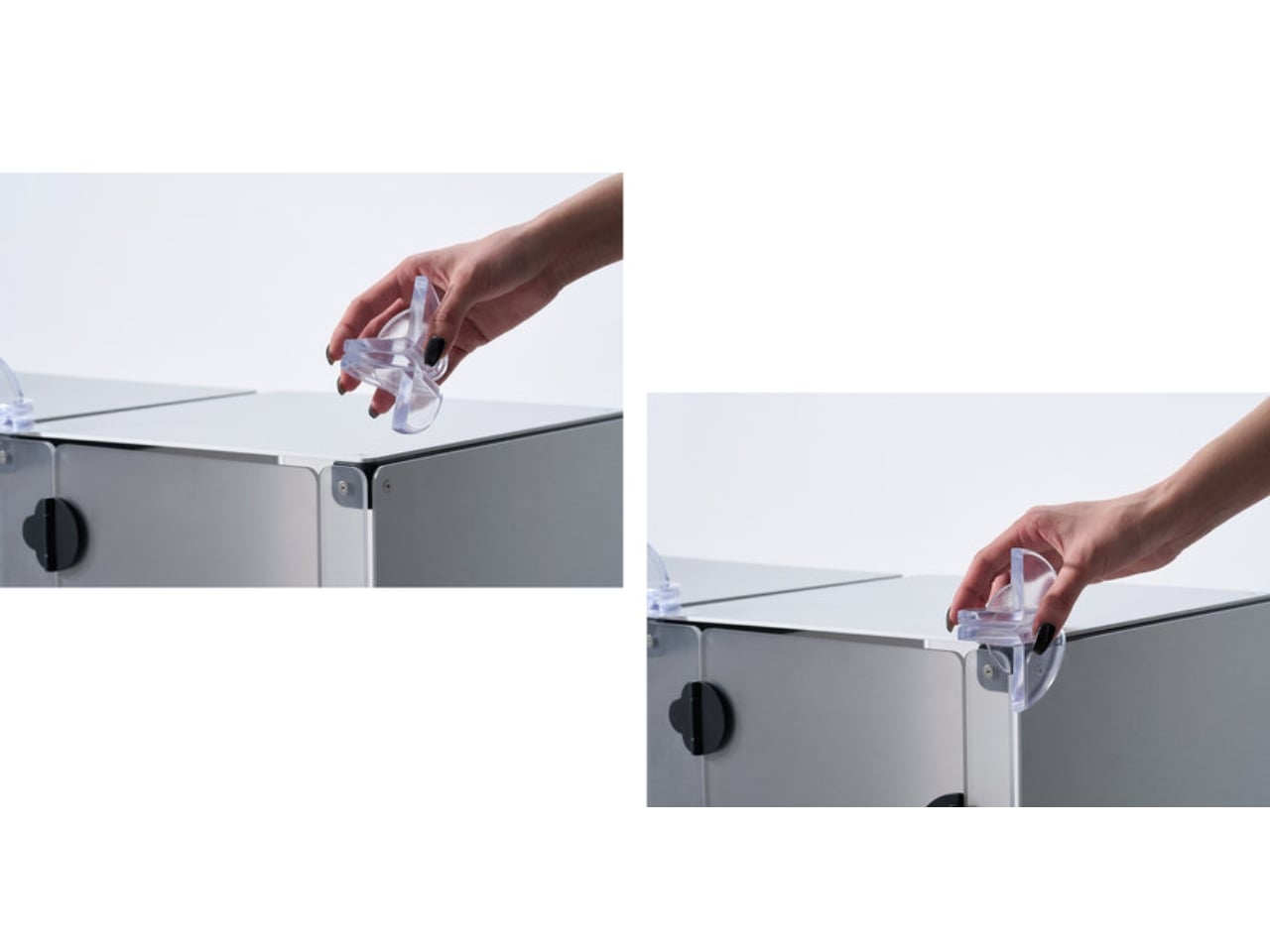
What makes ænd worth paying attention to, beyond the craft, is the argument it’s quietly making. We tend to treat cultural heritage in design one of two ways: either we preserve it under glass, untouched, or we strip-mine it for aesthetic references with no real understanding of the original. Gayoung does neither. She treats the Bandaji as a system of thinking, not a look to borrow. The result is a design that carries genuine meaning without requiring you to know any of the backstory to appreciate it.
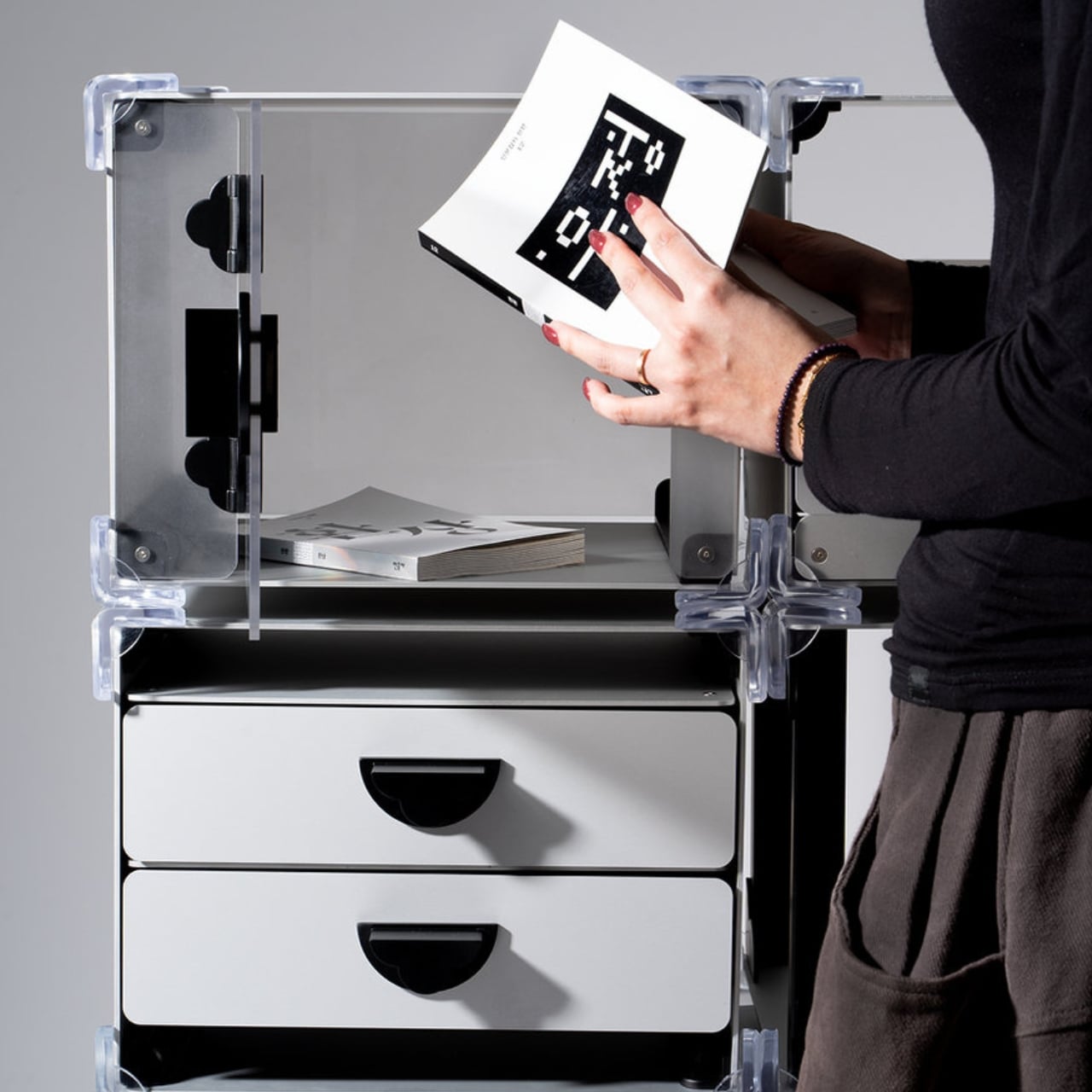
It’s also a student project, which makes it even more impressive. Full-scale prototyping, material experimentation, structural reinterpretation of a historical object. That’s not a light undertaking at any level of experience. I keep thinking about what it means to inherit something and then genuinely reckon with it. Not display it. Not replicate it. Actually think about what it was doing and ask whether that function still matters. Gayoung clearly did. And the answer she came up with is one that feels both personal and entirely relevant to how the rest of us live now.
The post How a Korean Dowry Chest Inspired a Smarter Modular Furniture System first appeared on Yanko Design.