
Sustainable architecture is entering a new era where discarded materials are becoming the foundation of innovative buildings, products, and interiors. Across architecture, interiors, and product design, discarded textiles, construction debris, recycled metals, glass, and wood are being transformed into high-performance materials and beautiful objects.
Circular design encourages architects and designers to keep materials in use for as long as possible, minimizing landfill waste while reducing the demand for virgin resources. As material innovation accelerates, waste is becoming an essential ingredient in creating resilient, functional, and aesthetically compelling spaces.
1. Waste as the Foundation for New Building Materials
One of the biggest shifts in sustainable design is the development of innovative building materials created entirely or partially from waste streams. Instead of extracting new raw materials, designers are now engineering solutions that transform discarded matter into high-performance construction products, reducing pressure on natural resources while maintaining structural integrity and durability.
These waste-derived materials often combine recycled textiles, agricultural byproducts, plastics, or industrial residues to create composites suitable for architectural applications. This approach not only minimizes landfill accumulation but also introduces new aesthetic and functional possibilities in design, where sustainability becomes an active driver of innovation rather than a limitation.
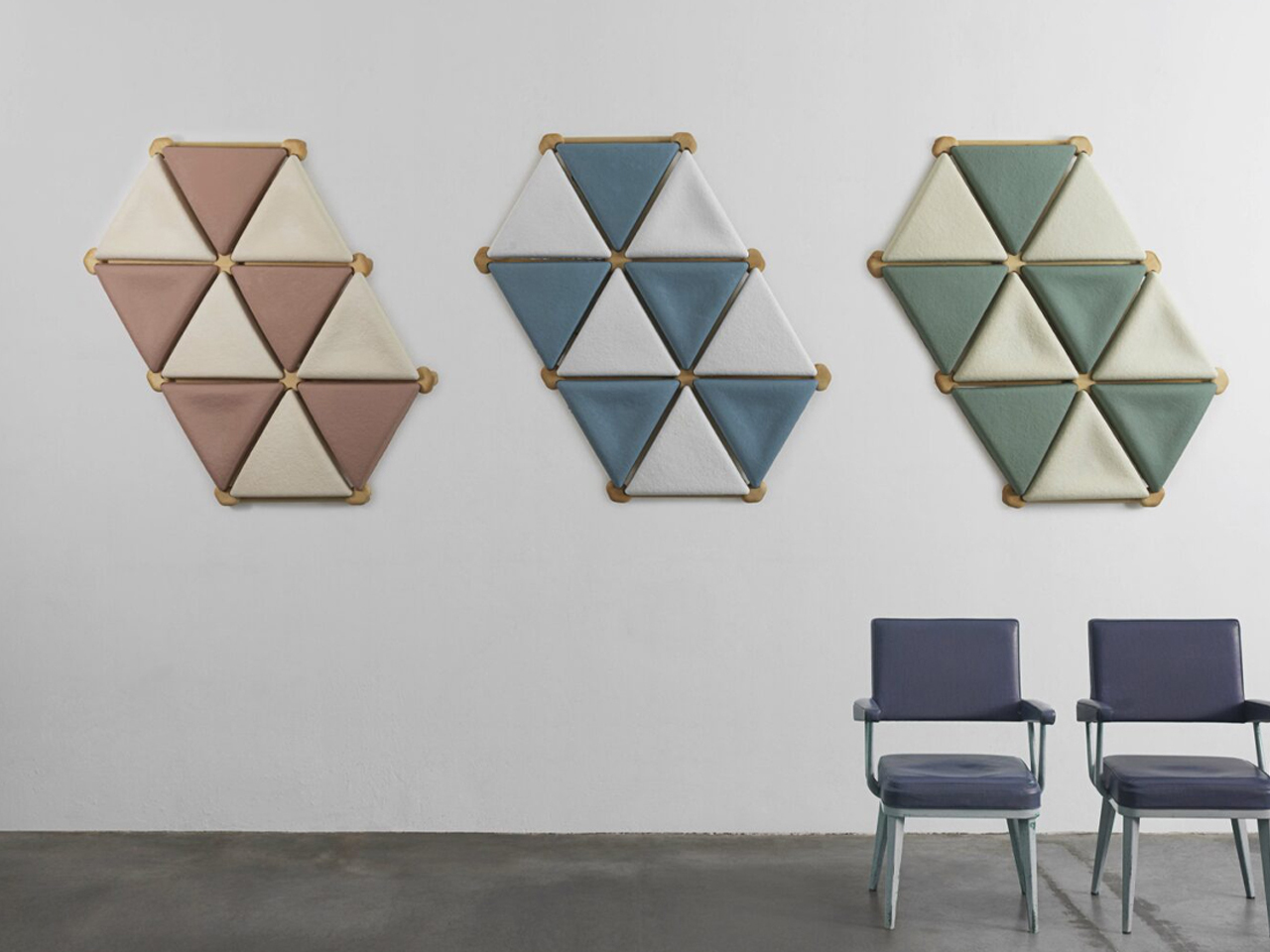
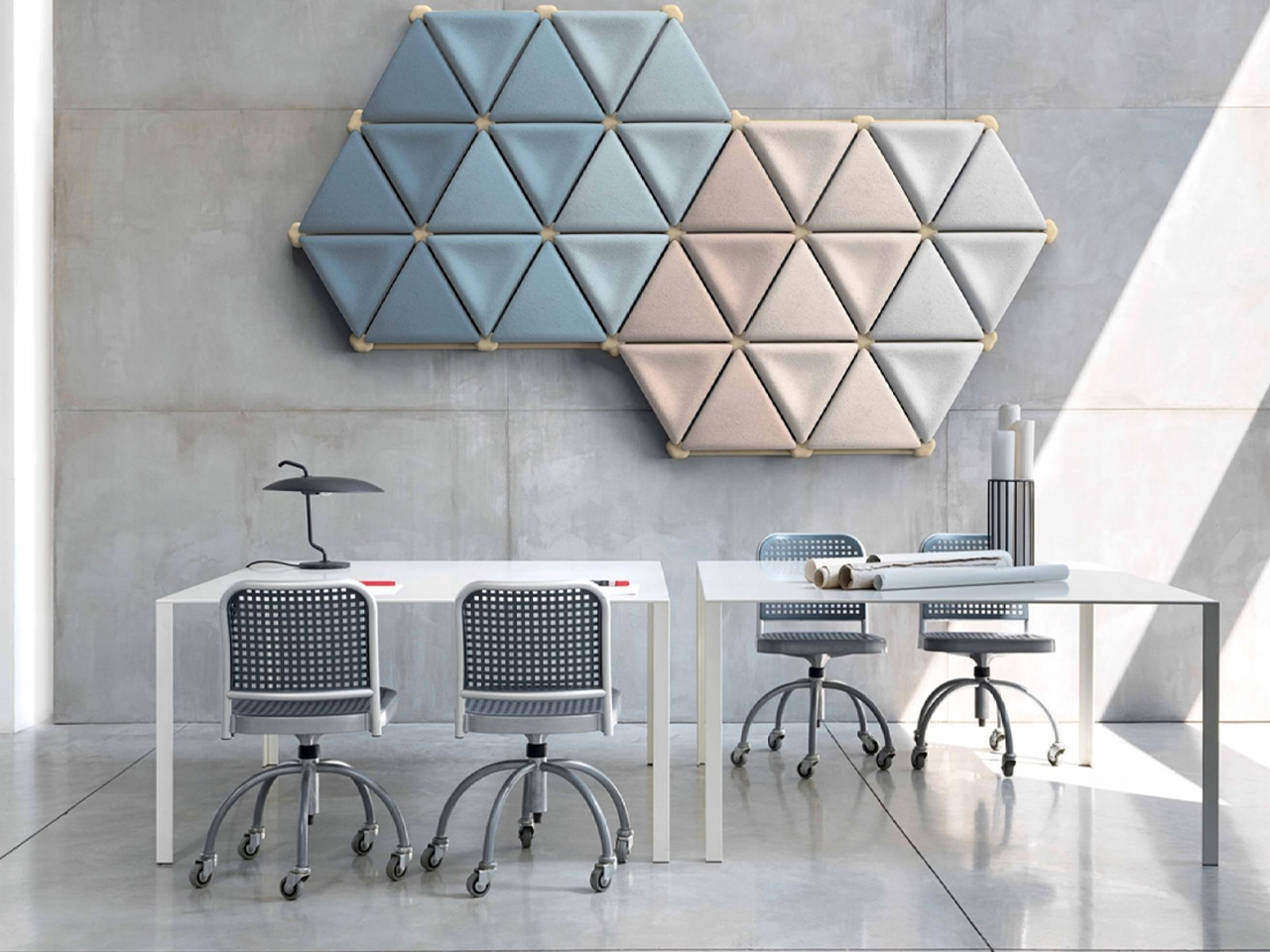
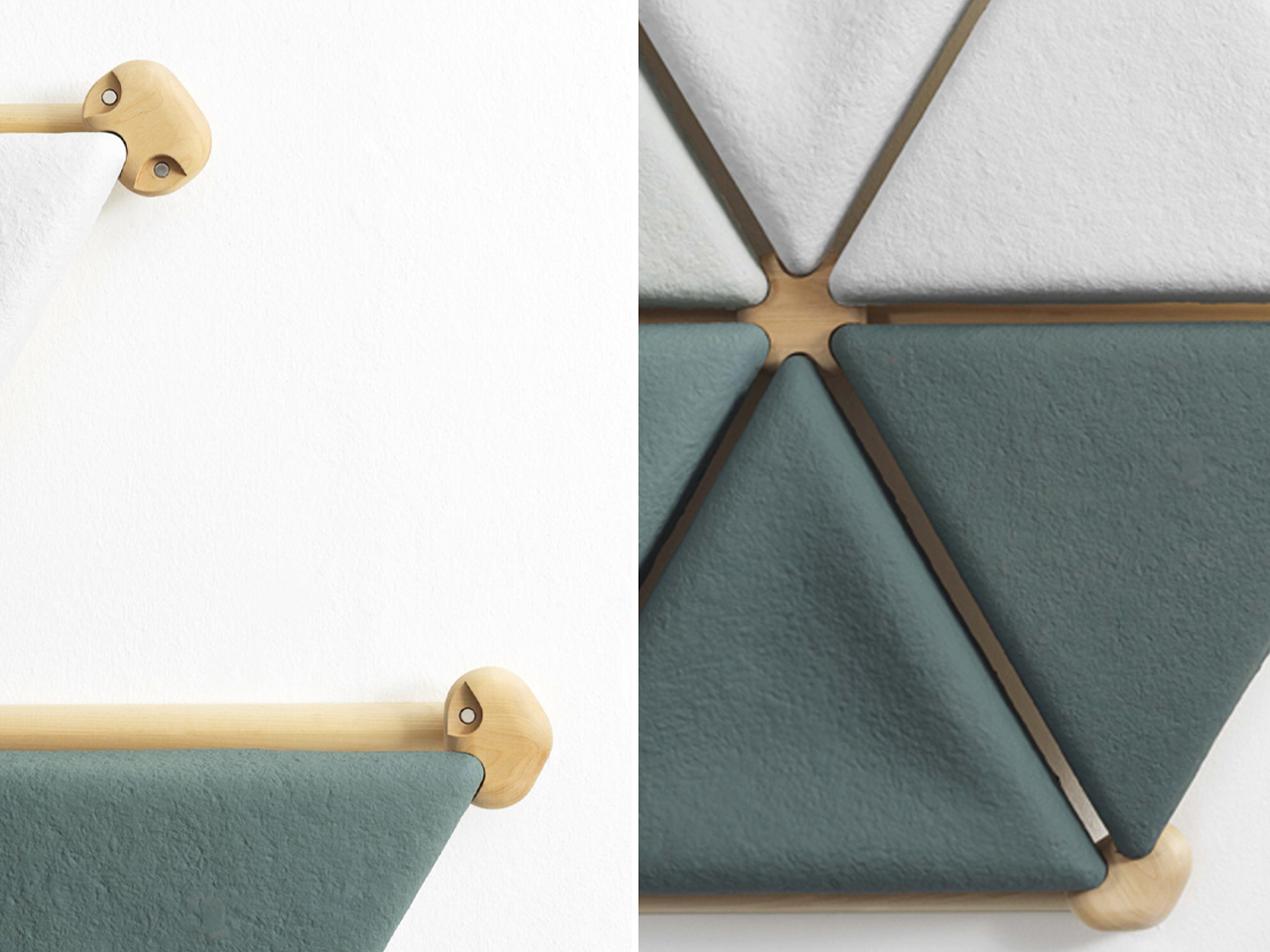
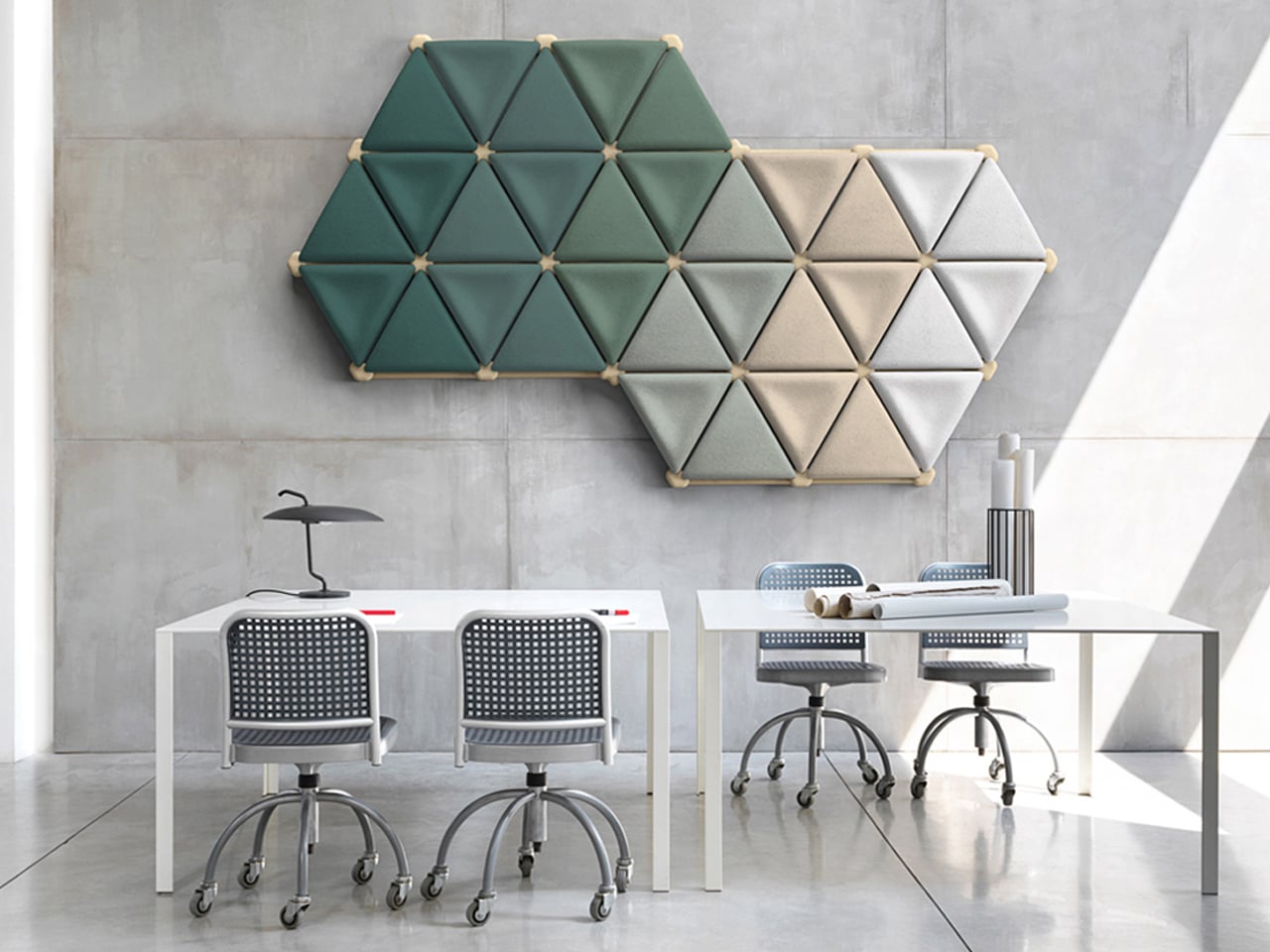
Foresta System is an innovative modular acoustic panel solution that combines fungal mycelium with upcycled textile waste to create a sustainable alternative to conventional sound-absorbing materials. Developed by Italian company Mogu, the panels demonstrate how bio-based materials can deliver both environmental and functional benefits. Mycelium, the root-like network of fungi, offers remarkable strength while remaining lightweight, renewable, and biodegradable, making it an increasingly popular material in architecture, interior design, and construction.
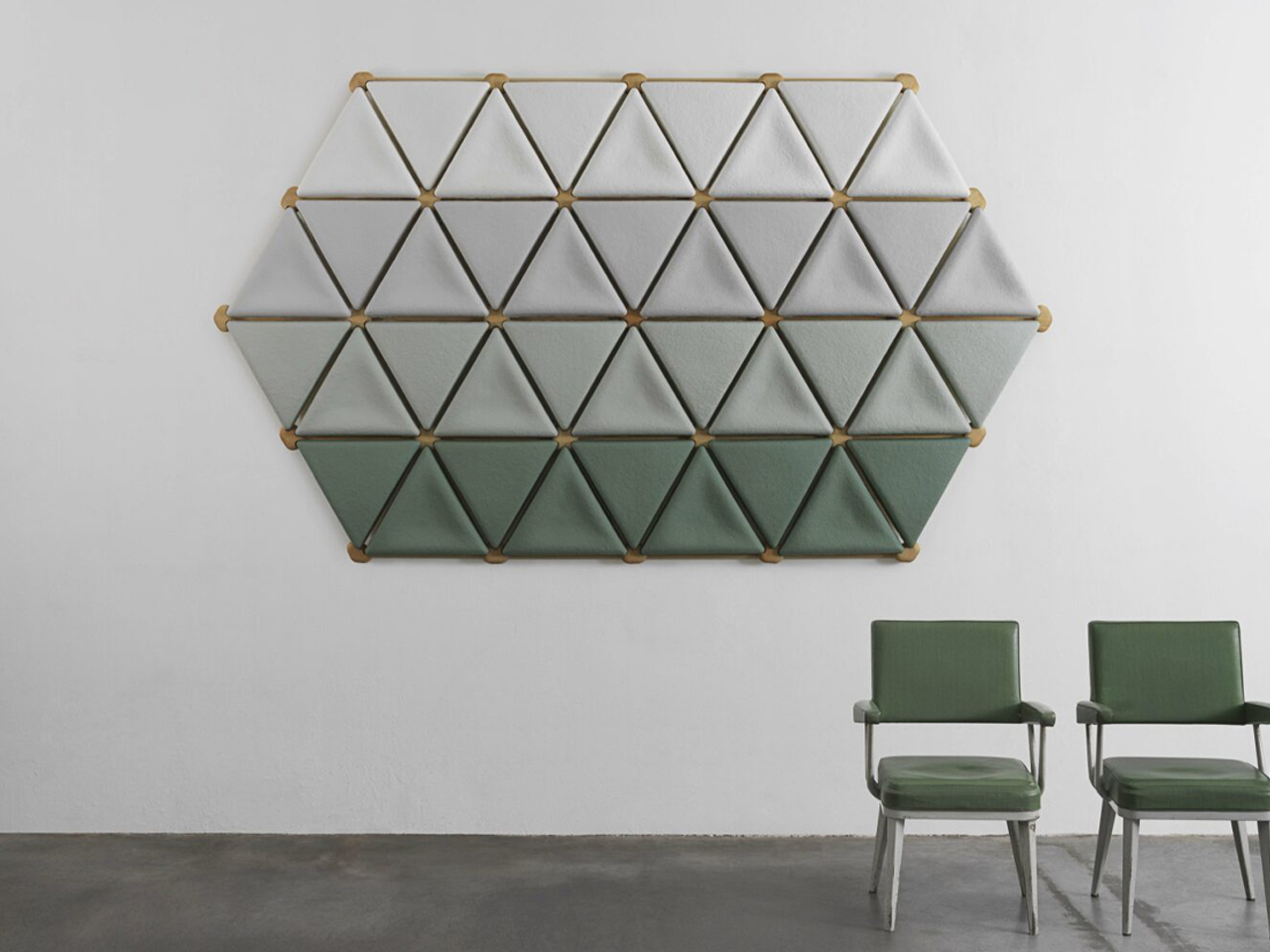
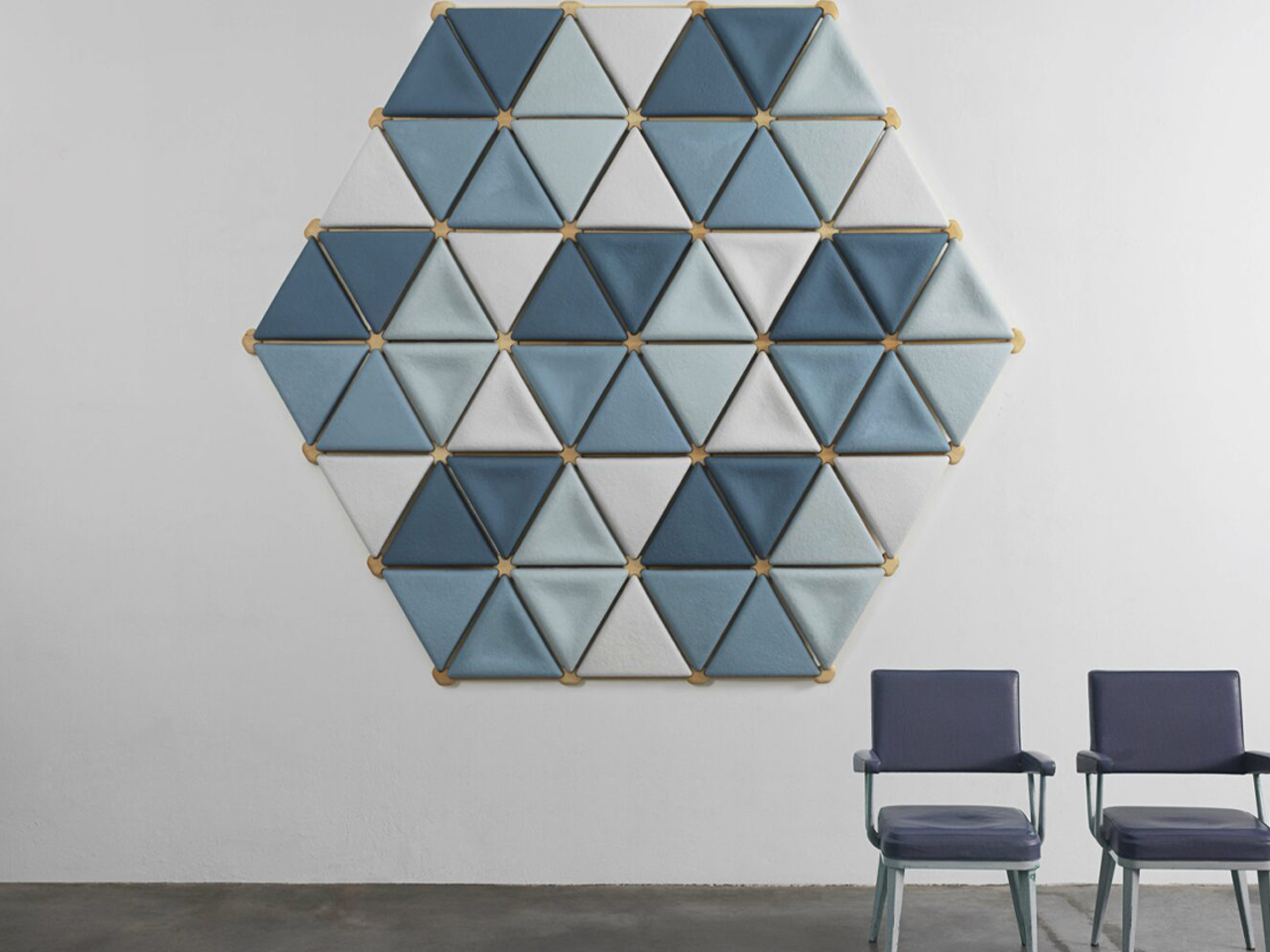
The system features a timber framework composed of wood branches and connecting nodes that can be securely mounted to walls. Integrated magnetic connections allow the mycelium panels to be easily attached, removed, and rearranged, offering flexibility for changing interior spaces. Designed for restaurants, offices, and commercial environments, Foresta effectively improves acoustics while adding a natural aesthetic.
2. Giving Construction Waste a Second Life
Construction and demolition activities generate enormous quantities of waste every year, yet many of these materials retain significant structural and material value. Increasingly, architects are shifting toward reclaiming timber, stone, brick, and metal from existing sites, treating them not as debris but as reusable building components that can reduce the demand for virgin resources.
This approach extends the lifecycle of materials while preserving their embodied energy, lowering carbon emissions associated with new production. By reintroducing salvaged elements into contemporary design, architects also add layers of history and character to new structures, turning construction waste into a meaningful part of the built environment.
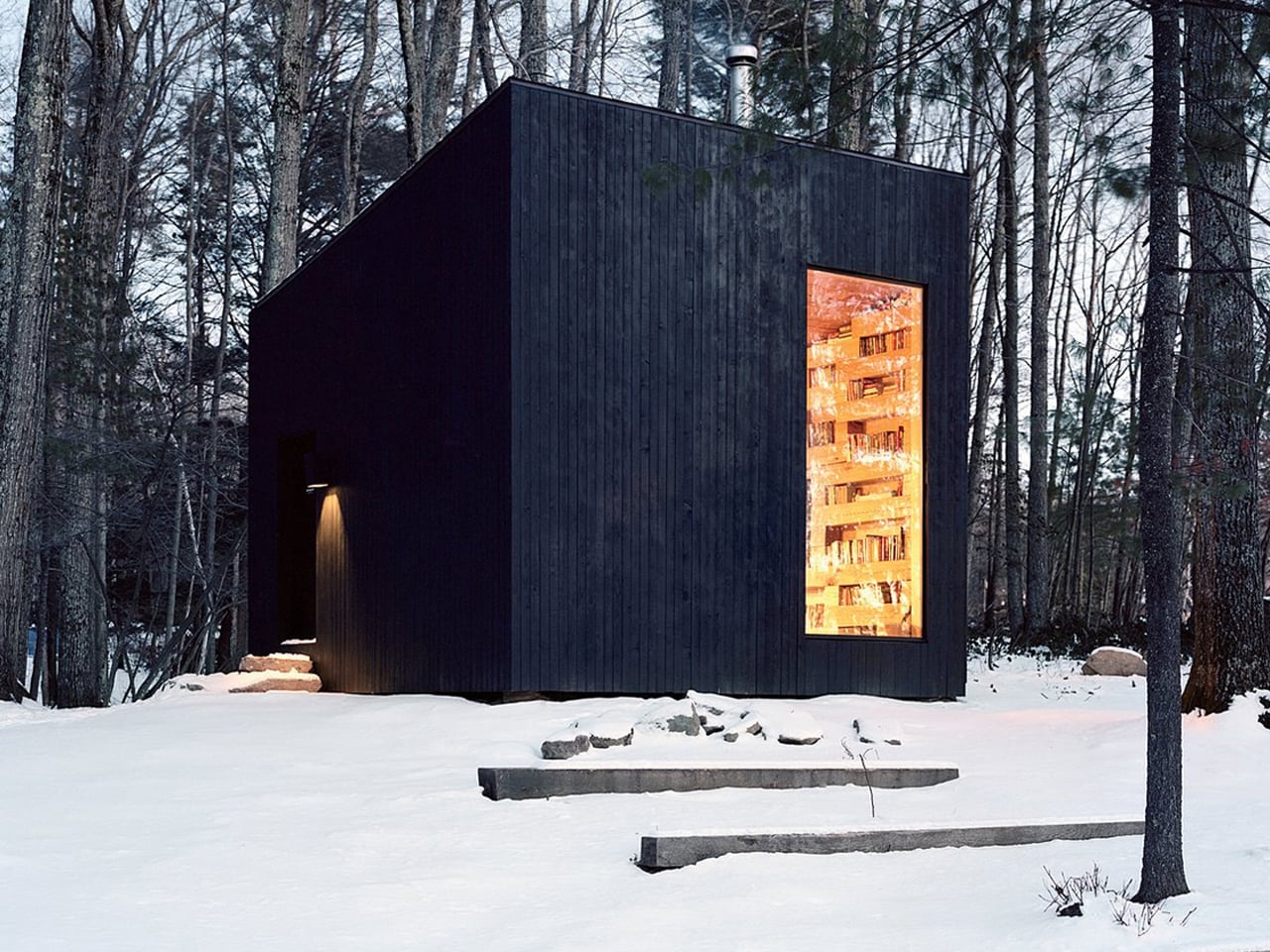
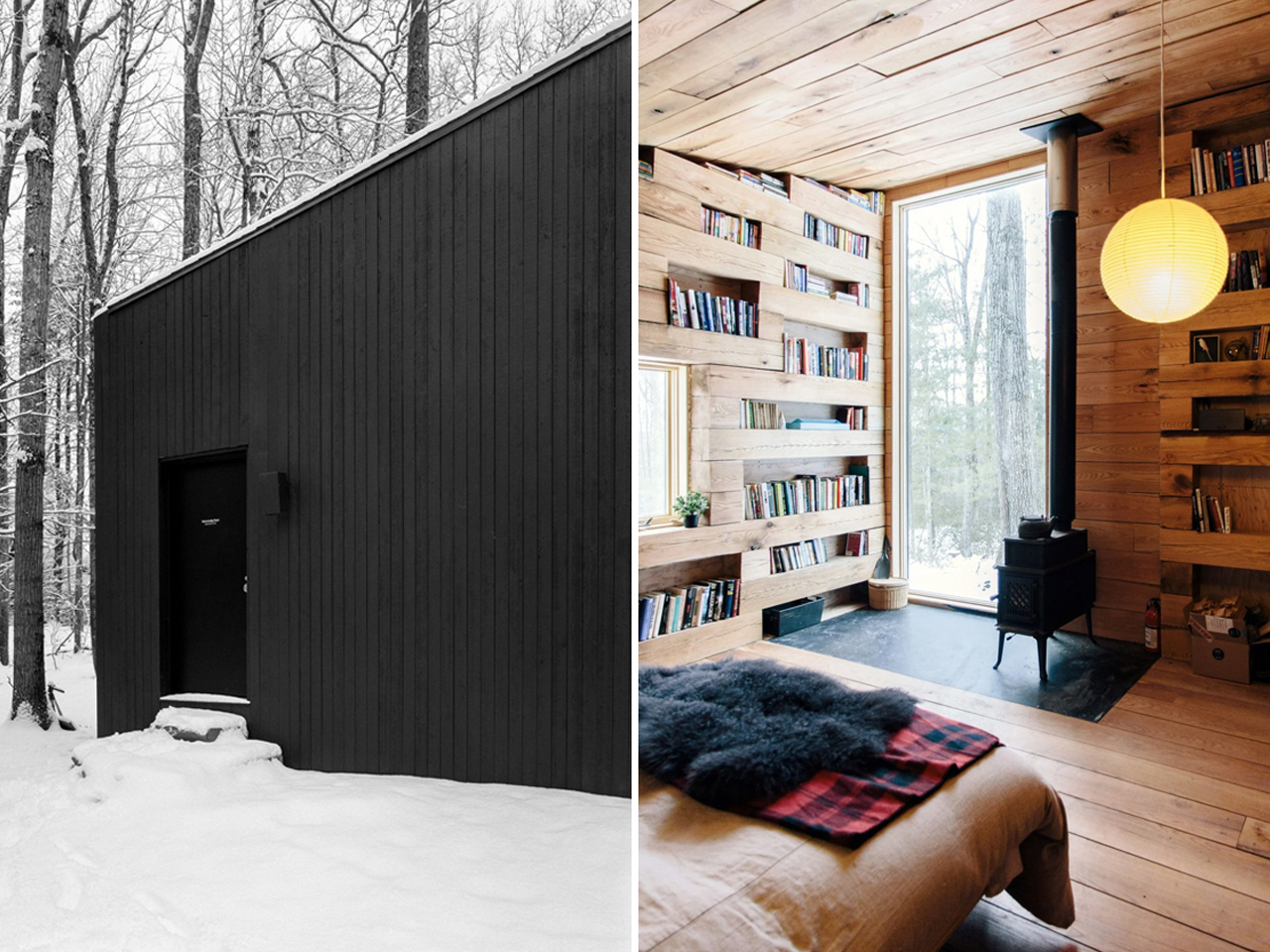
Studio Padron transformed construction waste into a striking architectural retreat by building the Hemmelig Room, a compact cabin crafted entirely from mature oak trees felled during the construction of a nearby residence. Instead of discarding the timber, the architects carefully milled the logs into large rectangular sections and allowed them to dry naturally for several years before incorporating them into the project.
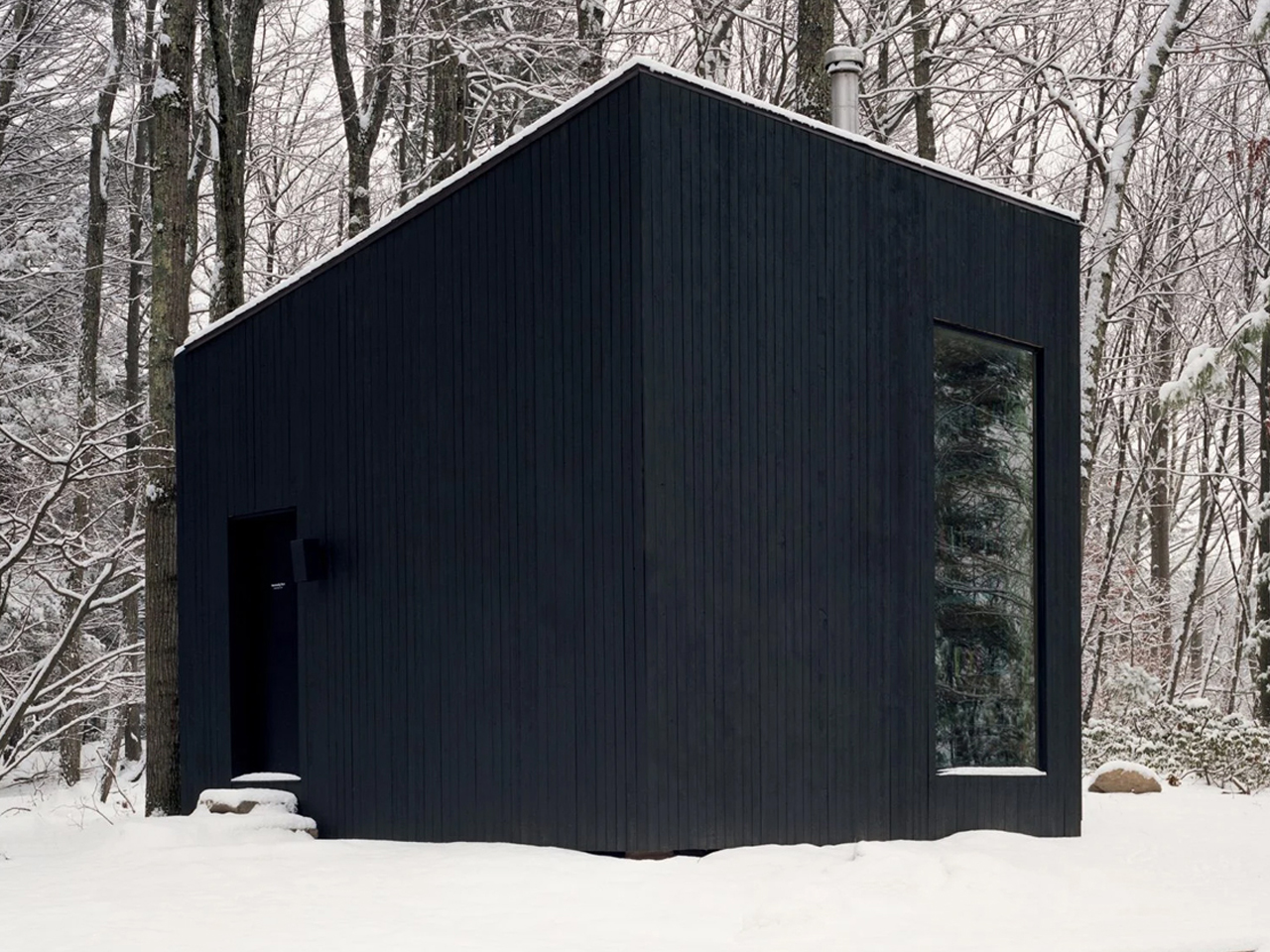
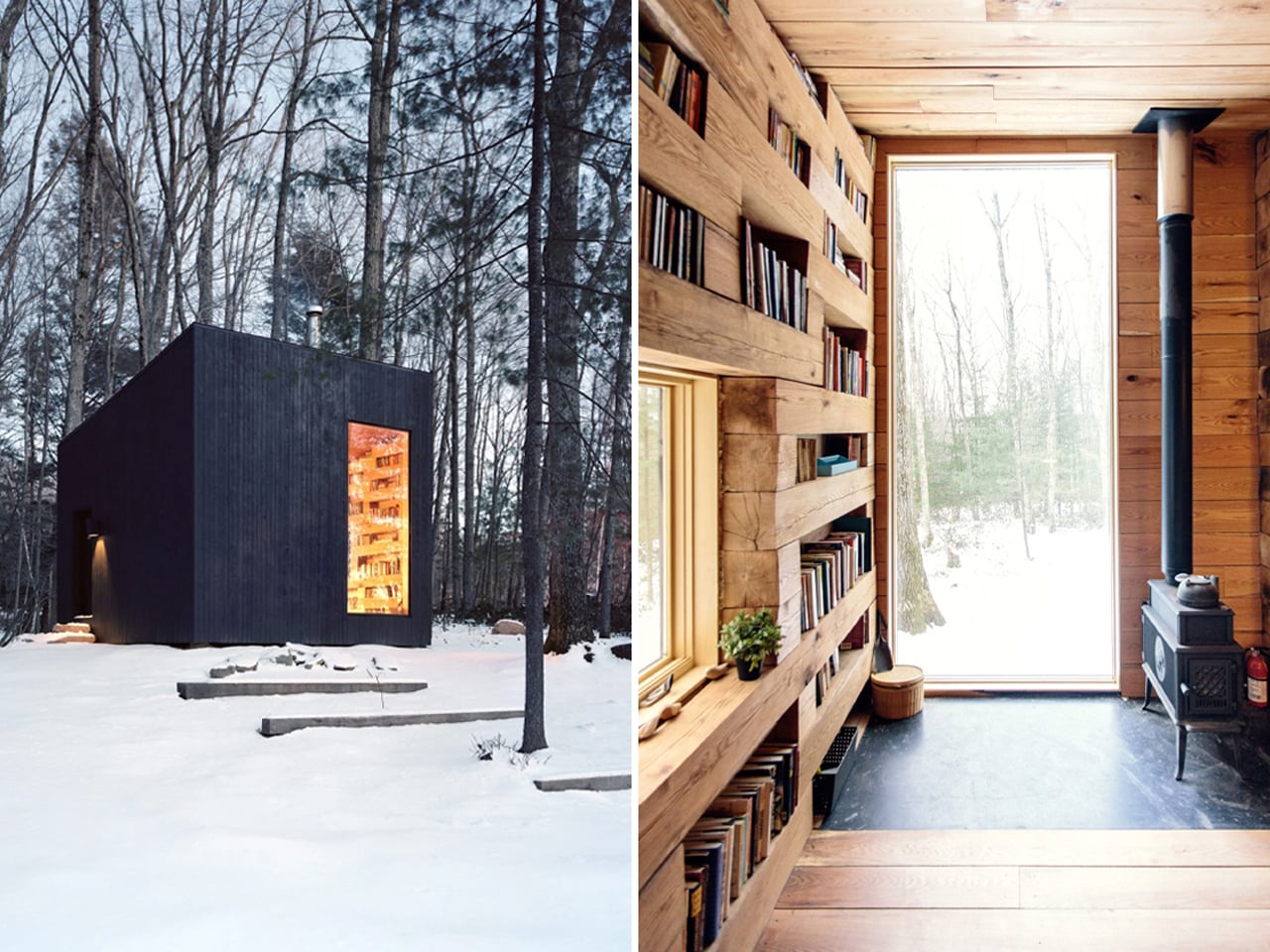
Clad in blackened timber, the geometric cabin conceals a warm interior where the oak’s natural grain becomes the defining design feature. Non-uniform timber panels seamlessly transition into built-in bookshelves, creating a cozy library atmosphere that celebrates craftsmanship and material authenticity. Expansive floor-to-ceiling windows connect the intimate reading space with the surrounding landscape, while a wood-burning stove ensures year-round comfort.
3. Recycled Glass Creating New Design Possibilities
Glass is one of the few materials that can be recycled repeatedly without losing its quality, making it a key driver of circular design strategies. Designers are increasingly reprocessing discarded bottles and containers into new forms, turning what was once waste into valuable material for contemporary production.
This renewed glass is being used across lighting, furniture, and architectural accessories, offering both durability and visual refinement. By extending the lifecycle of glass through creative reuse, designers reduce environmental impact while unlocking new aesthetic possibilities that highlight transparency, texture, and light interaction.
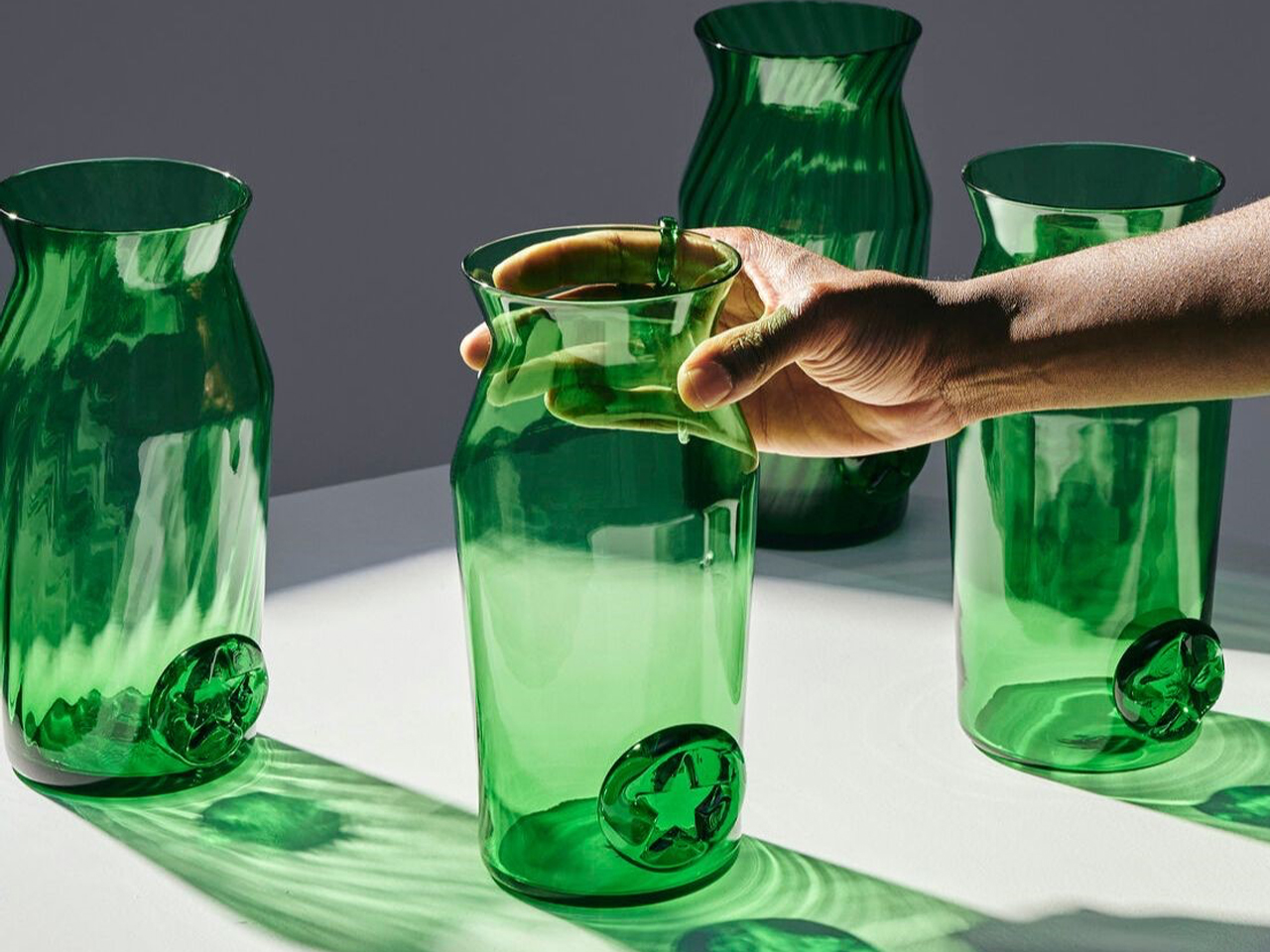
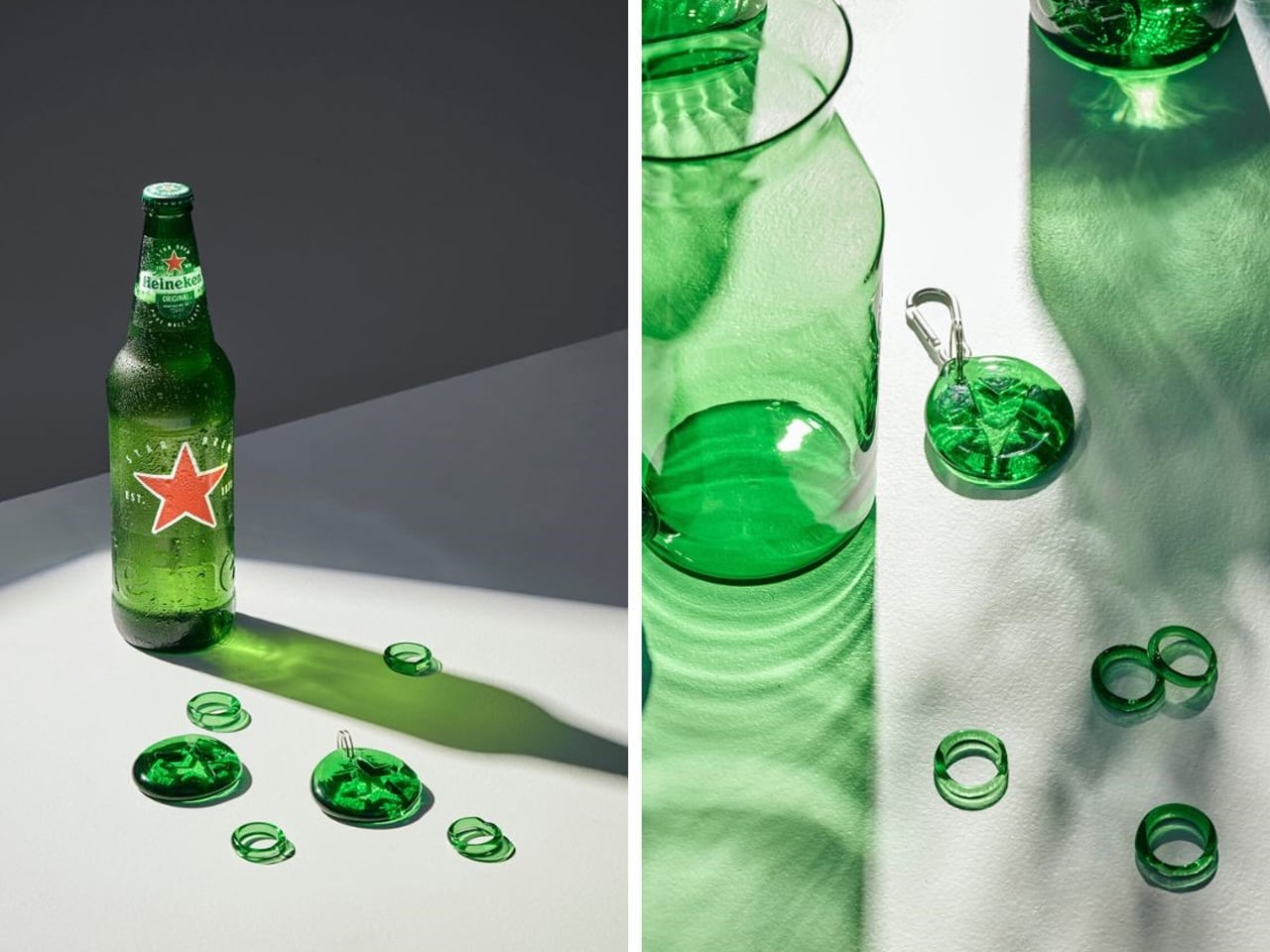
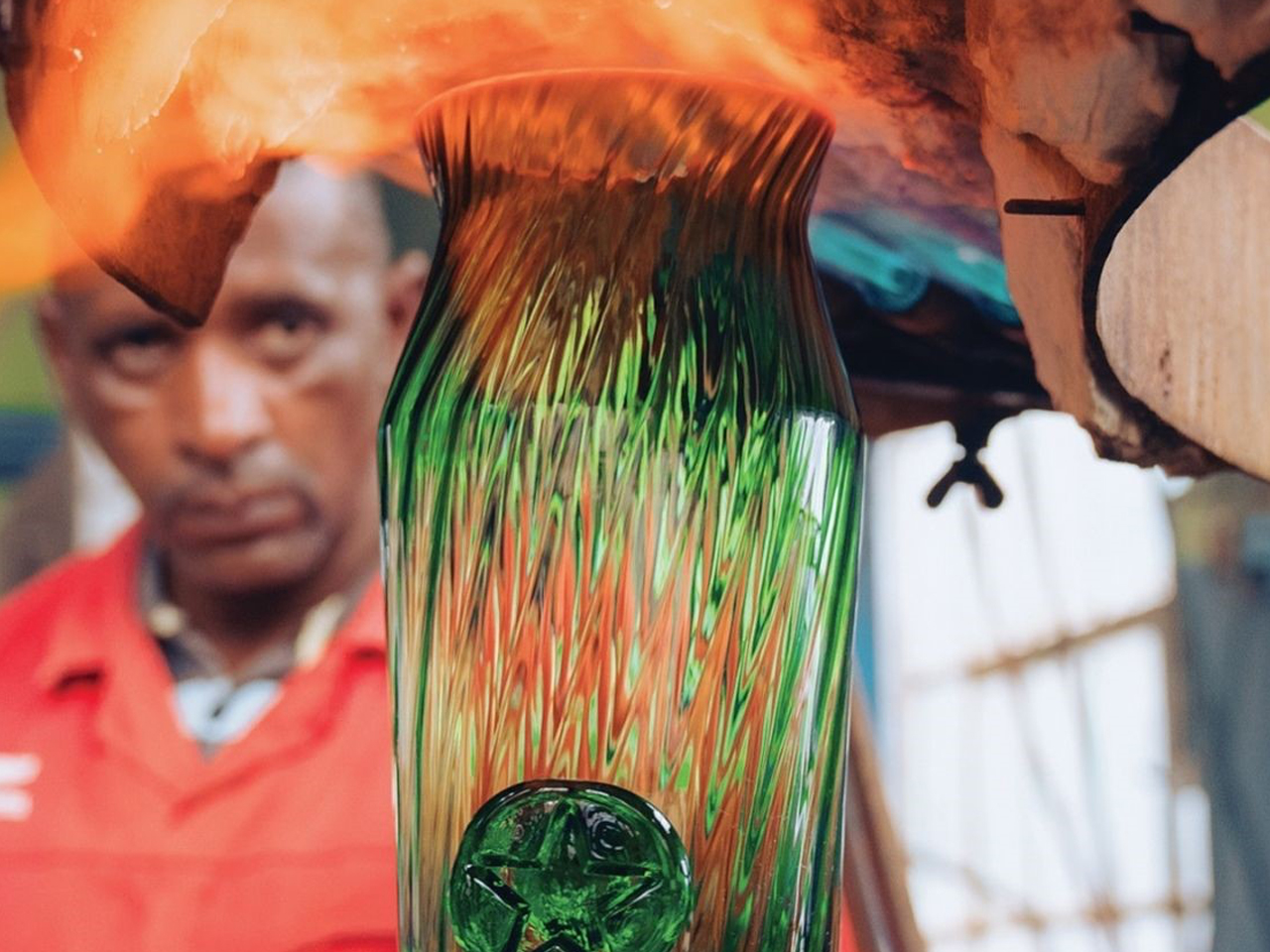
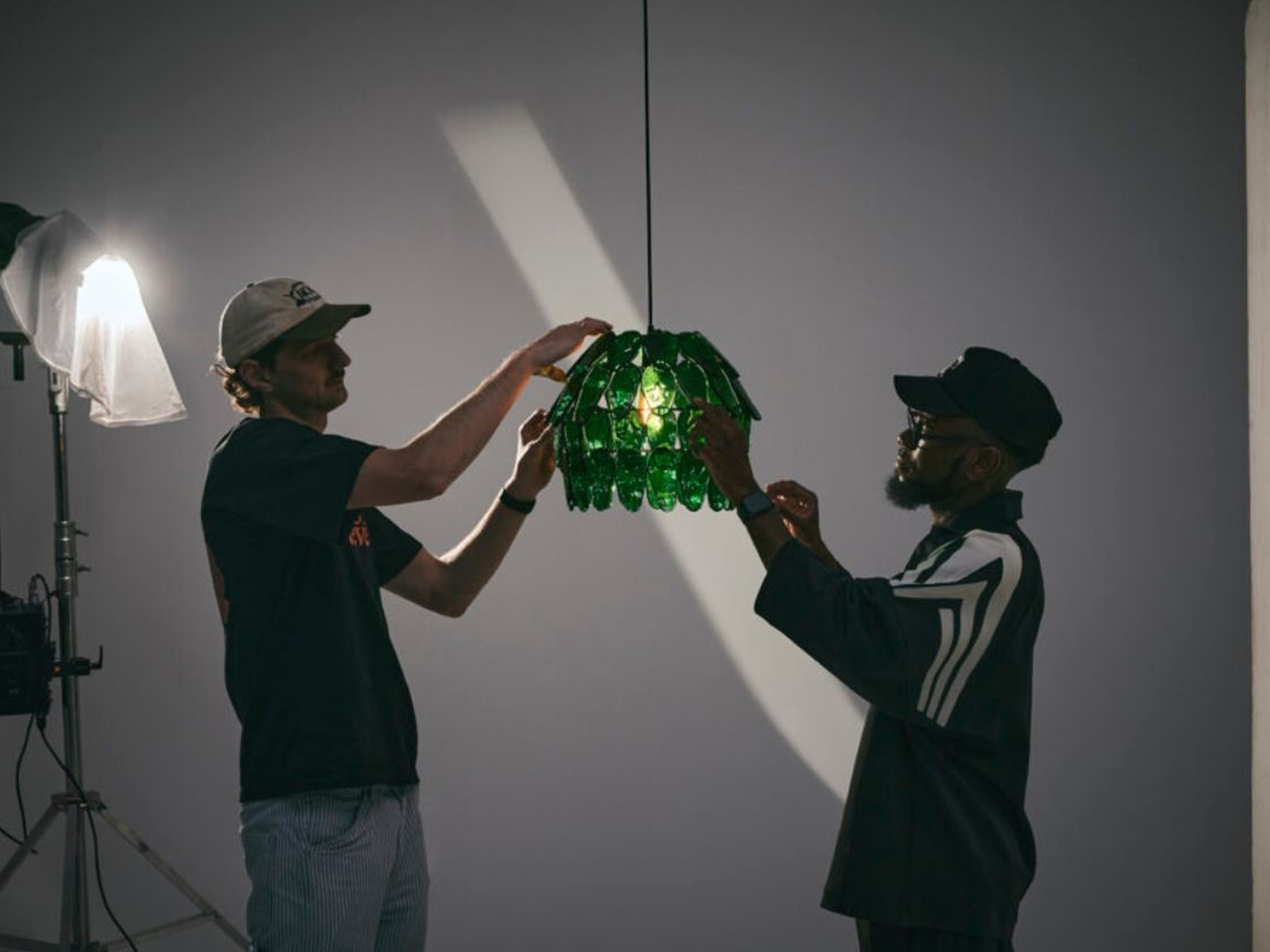
Heineken South Africa’s Waste-to-Wear initiative redefines everyday packaging as a valuable design resource and not just disposable waste. Launched alongside the introduction of returnable glass bottles, the project transforms discarded glass into functional homeware and wearable accessories, reinforcing the principles of circular design. In collaboration with creative agency Sonic State, broken glass collected from urban “hotspots” is reprocessed into products such as rings, medallions, dinnerware, and decorative lighting.
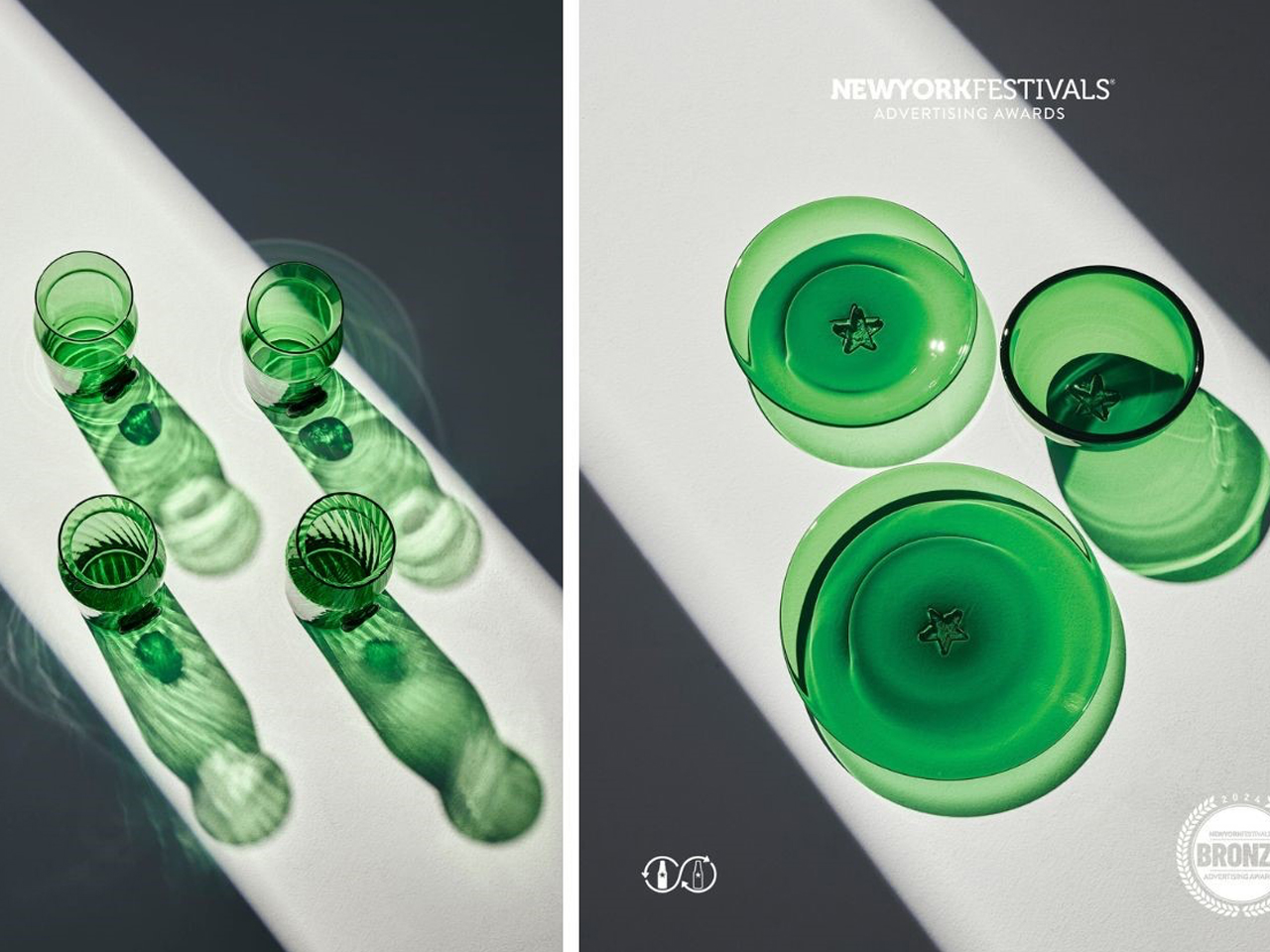
By extending the lifecycle of glass, the initiative shows how durable materials can be creatively repurposed to reduce landfill waste while encouraging more responsible and resource-conscious
4. Digital Fabrication Unlocking the Potential of Recycled Materials
Advances in digital manufacturing are making recycled materials more versatile than ever. Technologies such as 3D printing and computational design allow designers to transform reclaimed resources into precise, high-performance components while reducing material waste in the production process.
By combining digital fabrication with circular material streams, designers can create complex geometries that were previously difficult or impossible to achieve using traditional methods. This approach not only extends the usefulness of discarded materials but also expands the creative boundaries of sustainable design, where efficiency and innovation work together.
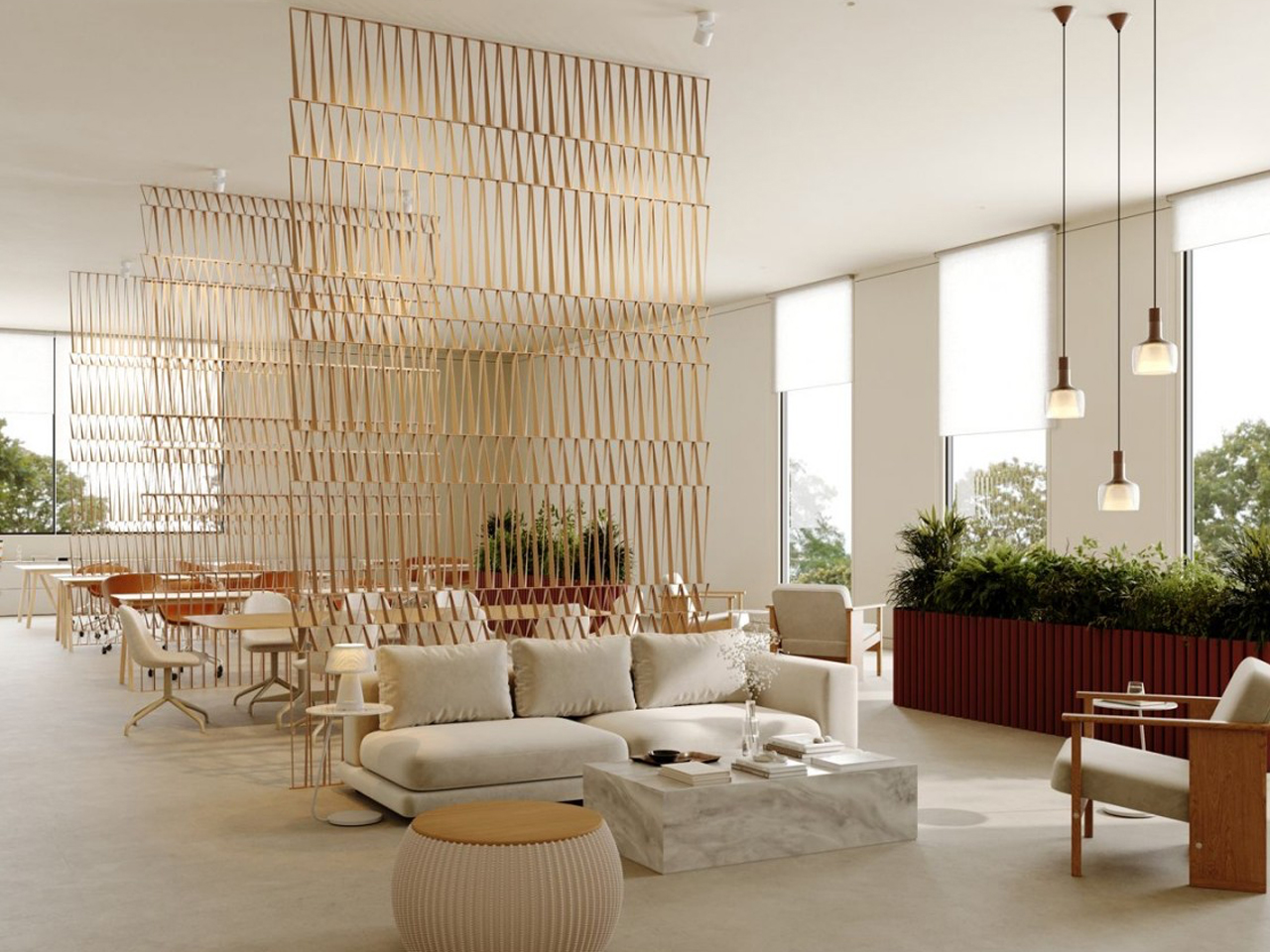
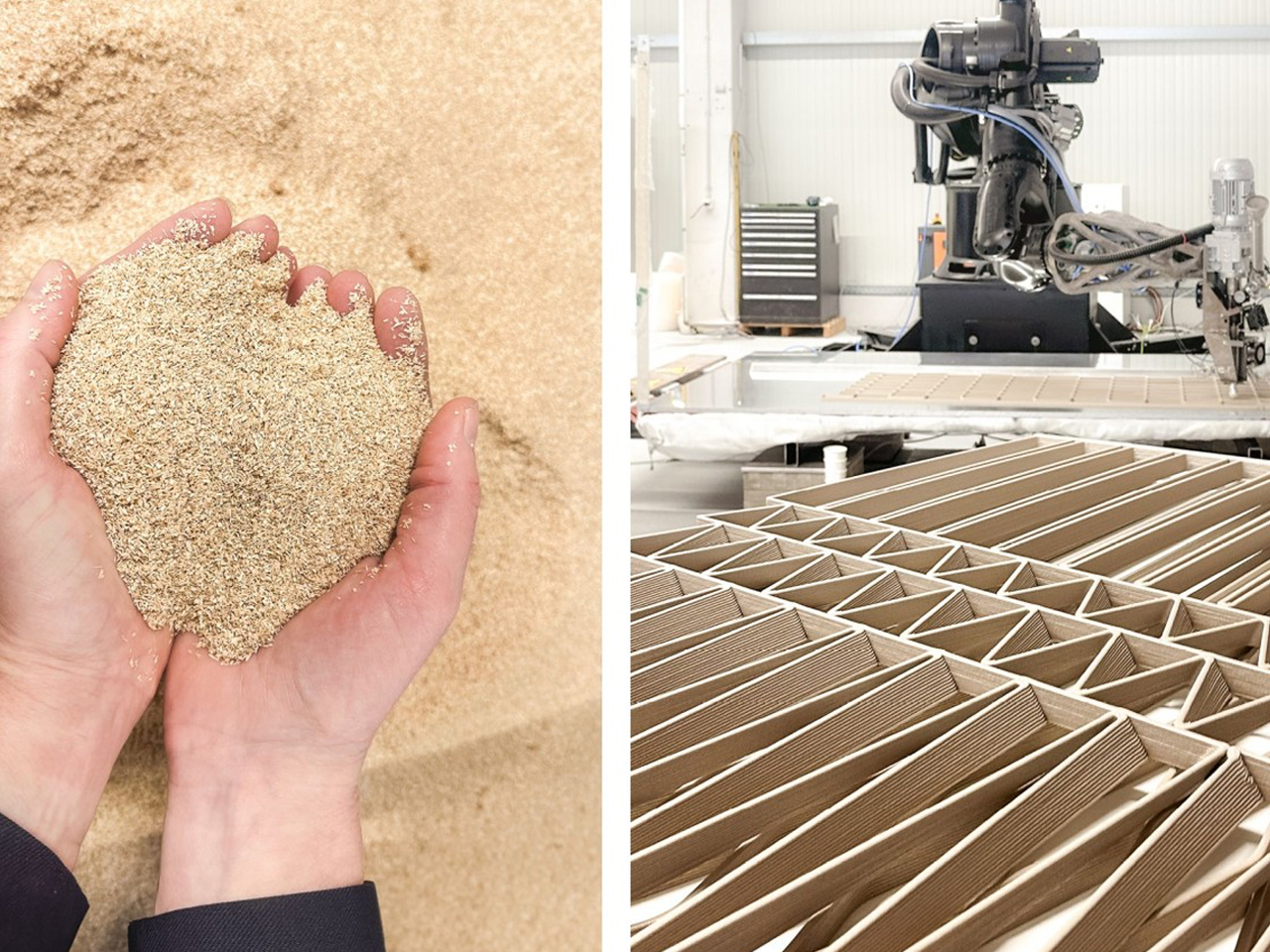
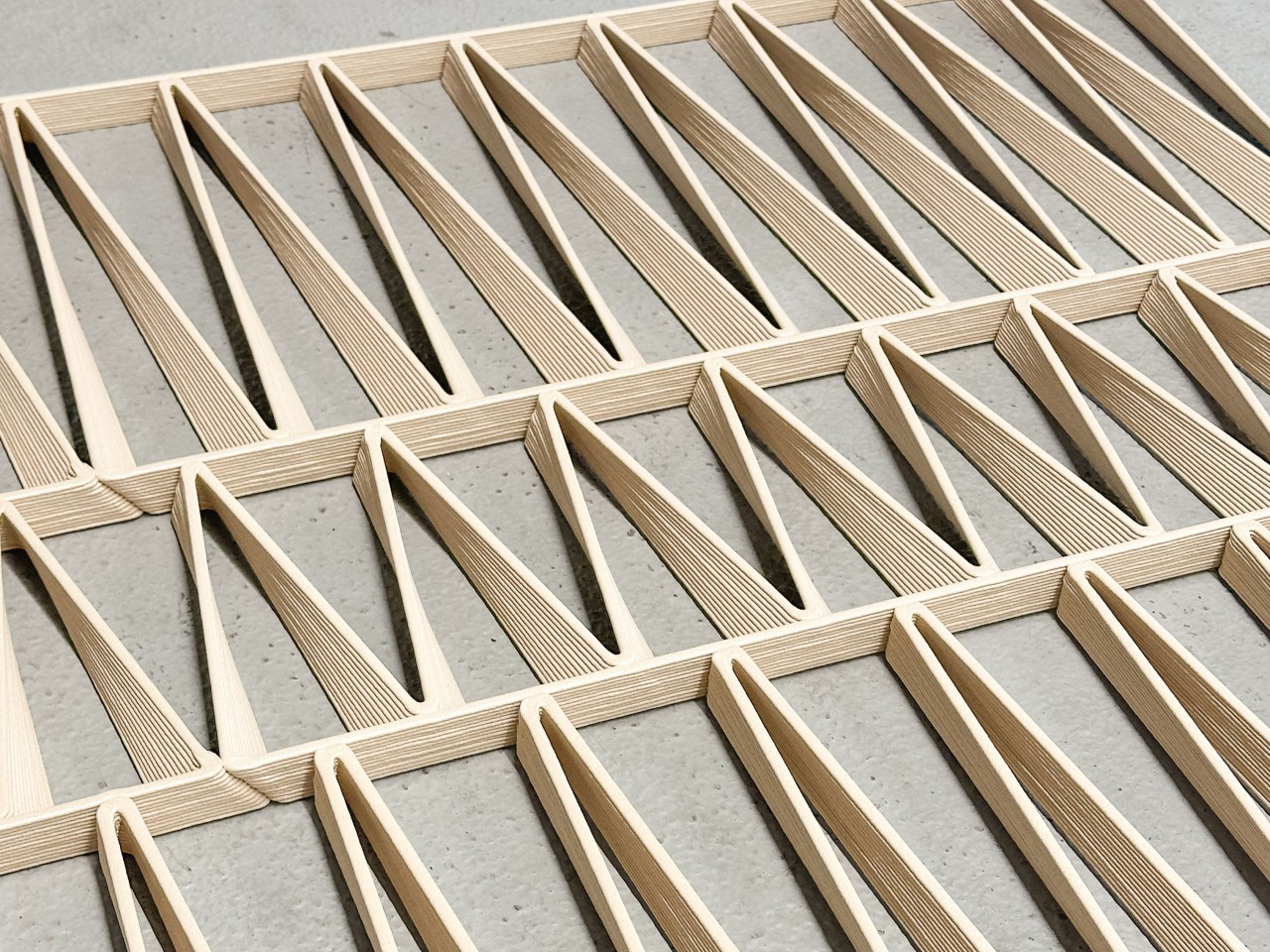
Aectual is redefining sustainable manufacturing by developing a 3D-printable wood-based material that combines design flexibility with circular production. Created from wood waste blended with natural binders such as lignin and cellulose, and reinforced with plant fibers like flax and hemp, the material replicates the appearance, texture, and even the scent of natural wood. Unlike conventional plastics commonly used in 3D printing, this innovative material offers a renewable alternative that reduces dependence on fossil-based resources while enabling architects and designers to produce intricate forms with minimal waste.
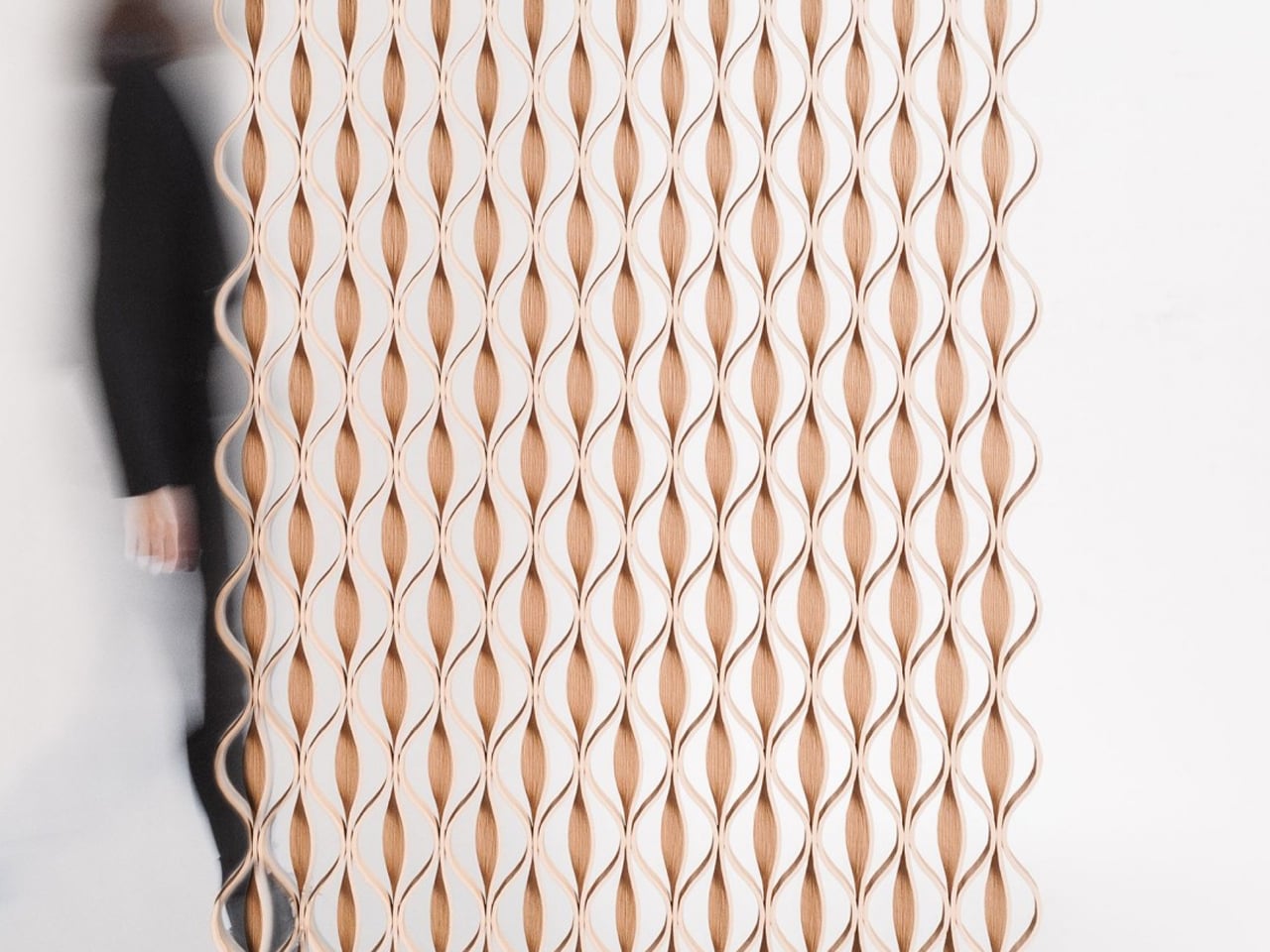
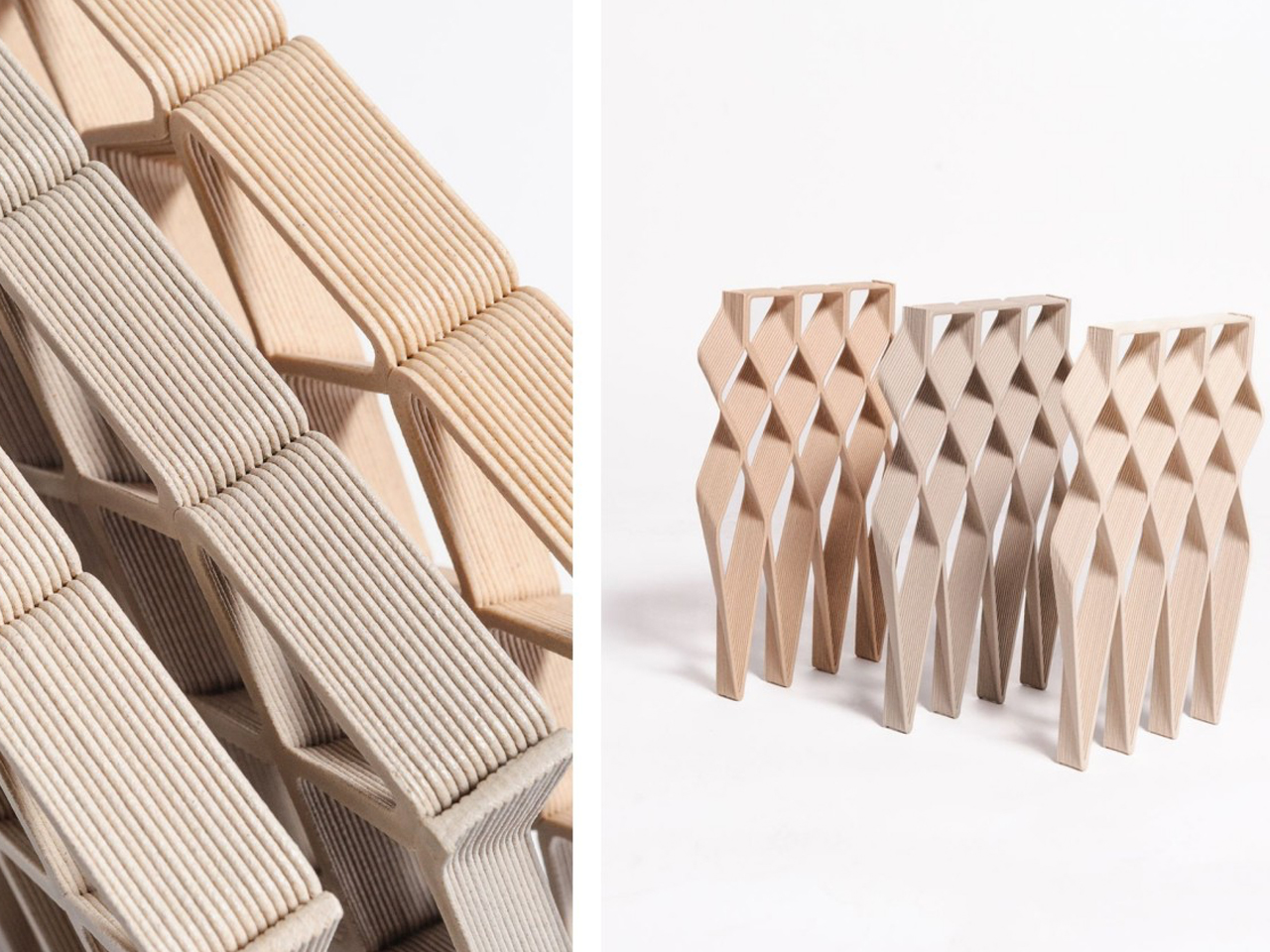
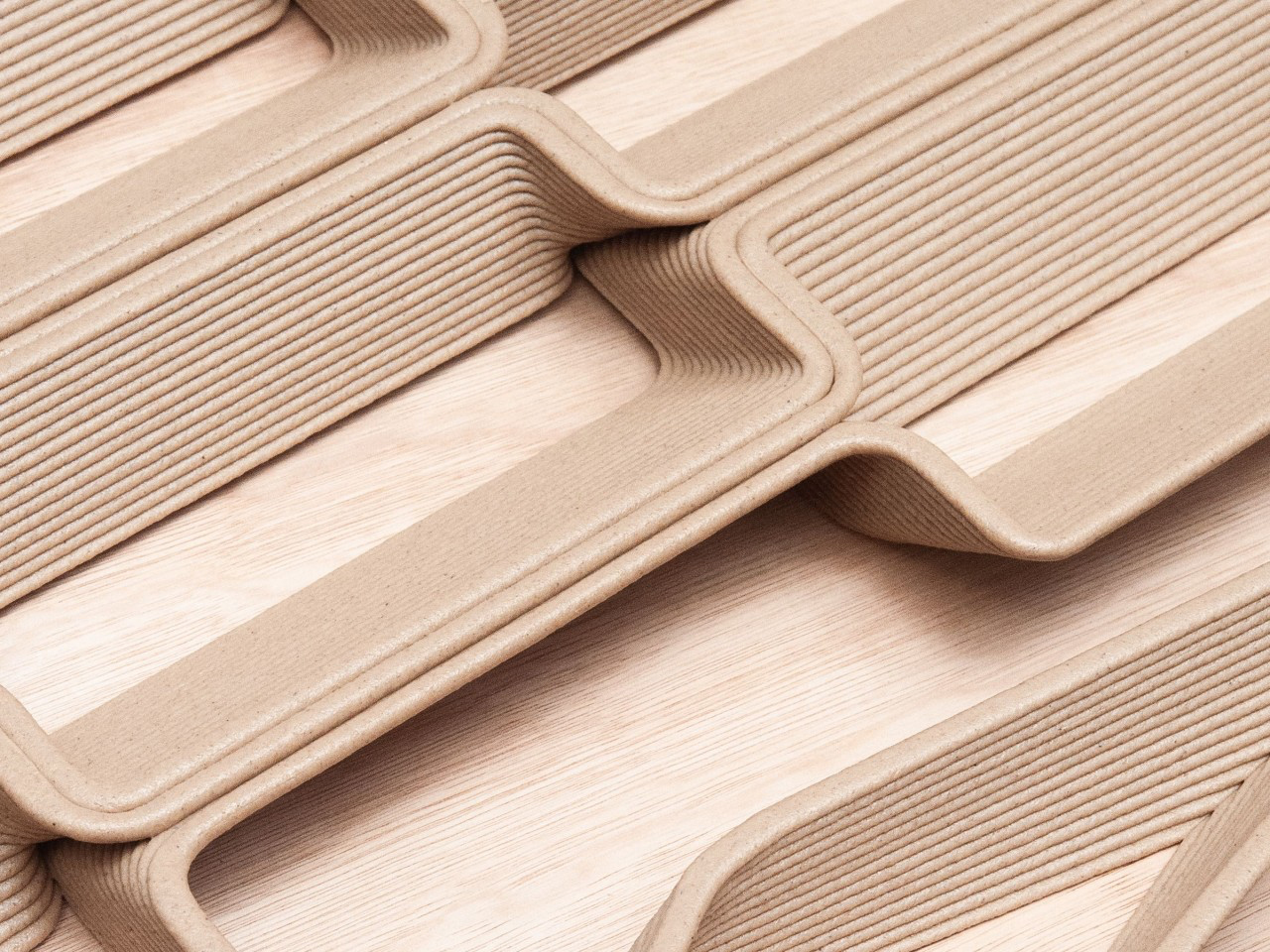
One of the material’s most significant advantages is its fully circular lifecycle. Once a product reaches the end of its useful life, it can be shredded and reprinted into an entirely new object, allowing the same material to be reused repeatedly before safely biodegrading like natural wood. This capability makes it ideal for creating complex partition screens, window coverings, and interior design elements that would be difficult or impossible to manufacture using traditional woodworking techniques.
5. Circular Design Extending Beyond Buildings
Designers are increasingly using recycled and repurposed materials to create products that balance environmental responsibility with contemporary aesthetics and functional performance.
These material-driven products play a crucial role in strengthening the wider ecosystem of sustainable design by increasing demand for reclaimed resources. In doing so, they help normalize circular practices across industries, turning sustainability from a niche approach into a mainstream design principle.

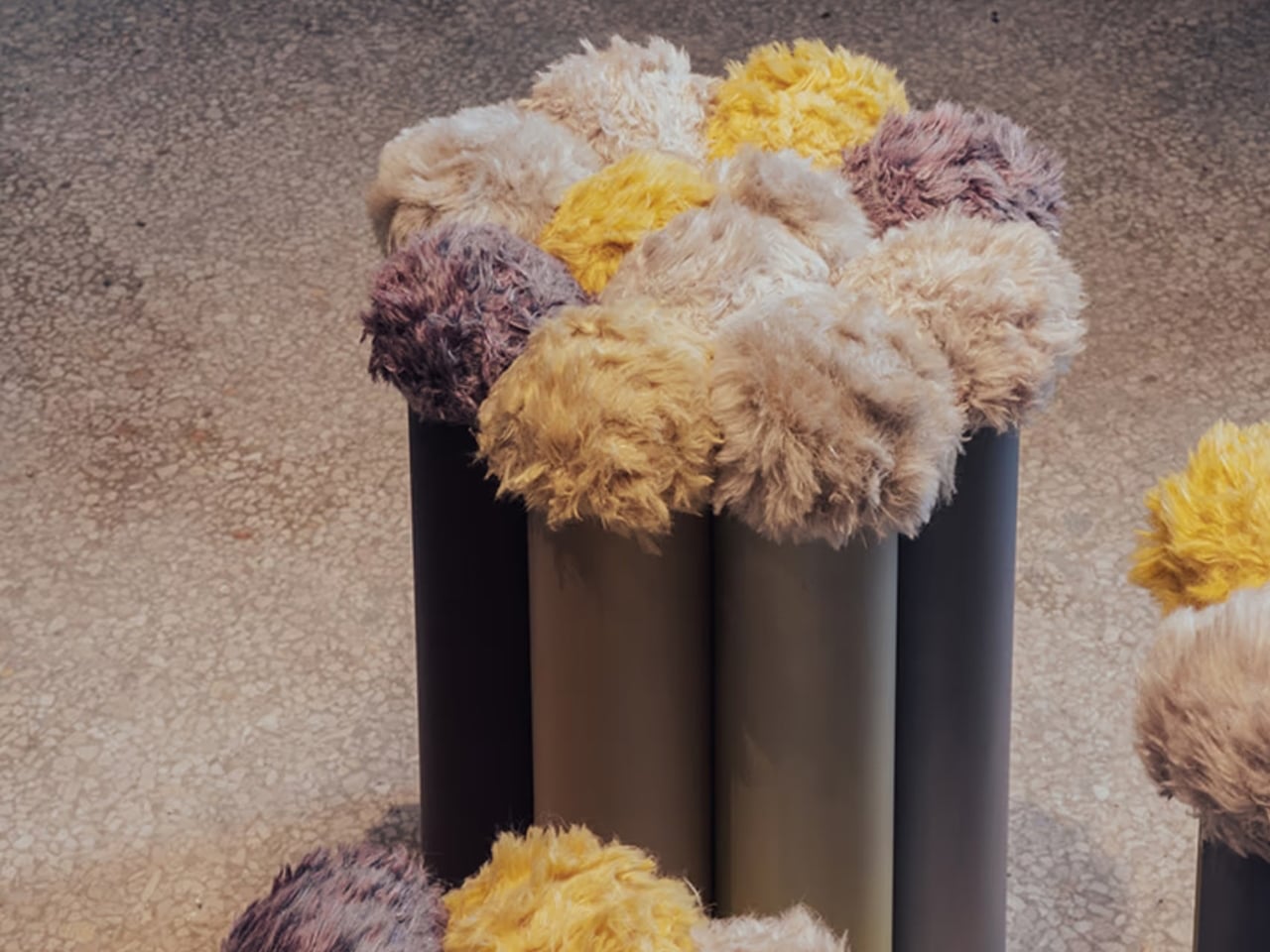
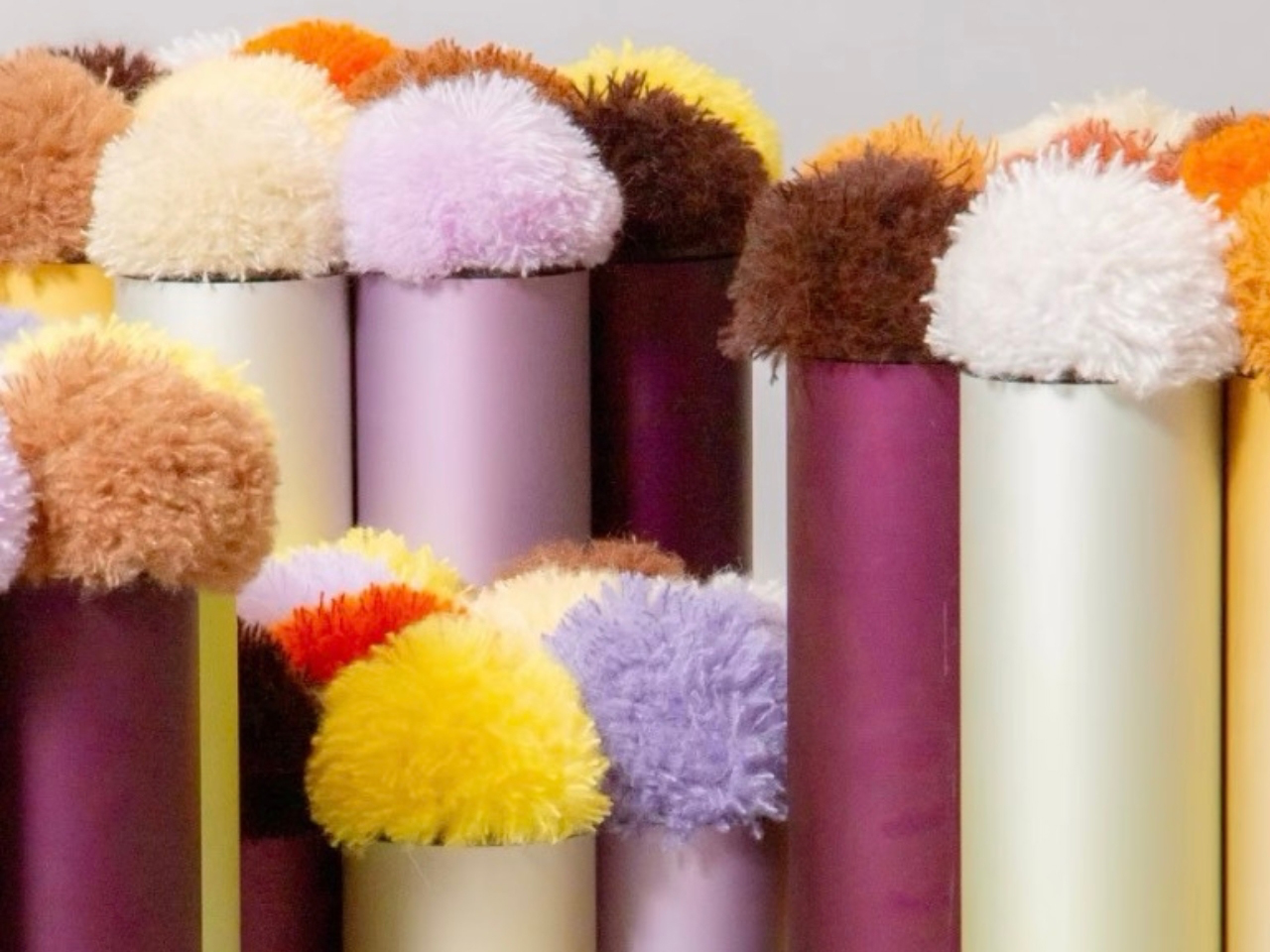
The Alice Stool by Studio LoopLoop is an interesting example of how sustainable materials can be transformed into a premium design product without compromising aesthetics or comfort. Designed as a sculptural seating piece, the stool combines a base made from 100% recycled aluminium with a plush seat upholstered in plant-based faux fur. The aluminium is finished using an innovative plant-based anodising process that produces soft, naturally inspired colour gradients, while the hand-dyed upholstery ensures that every stool is unique. Together, these carefully selected materials create a product that is visually distinctive, highly tactile, and environmentally responsible.

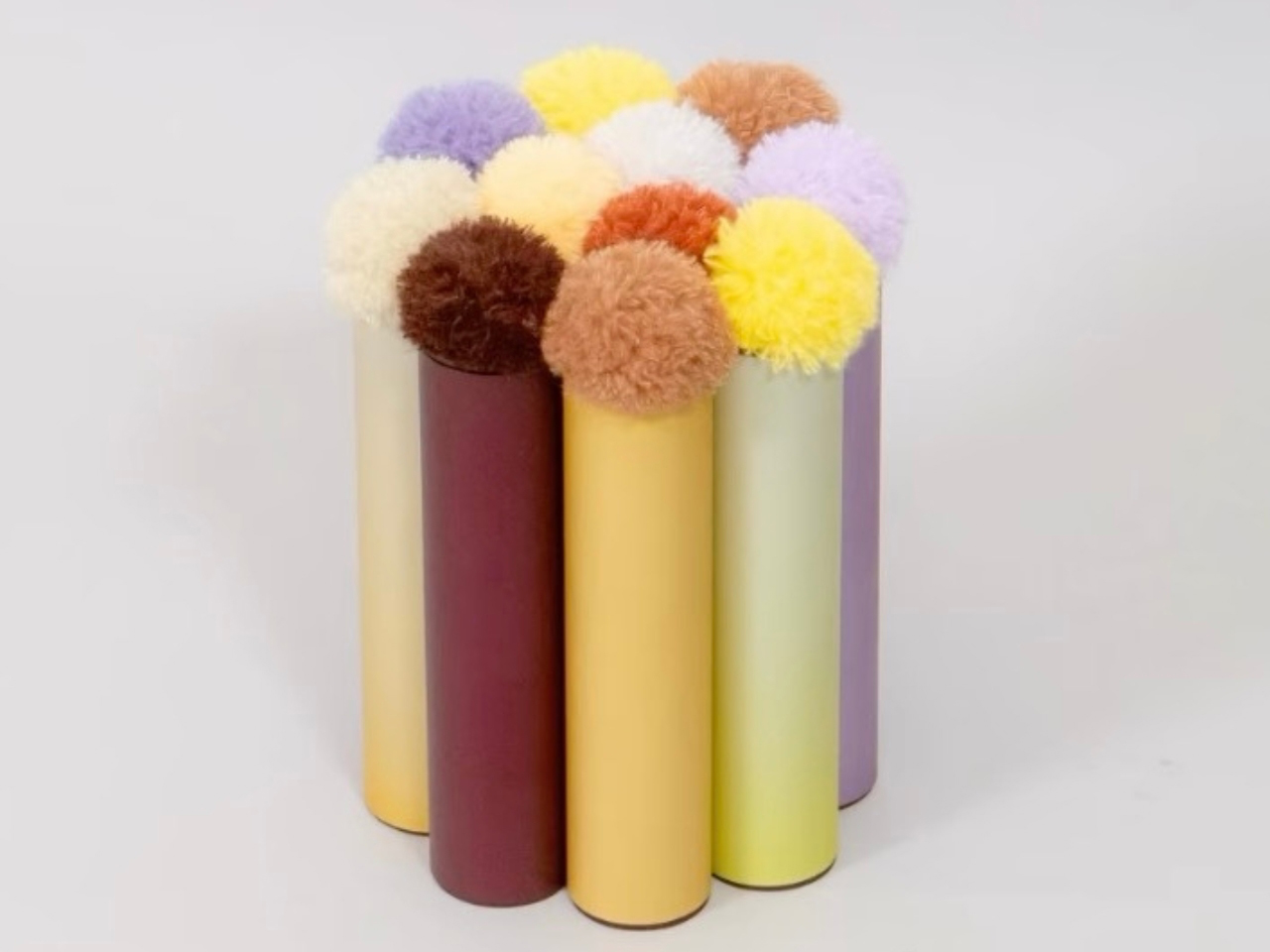
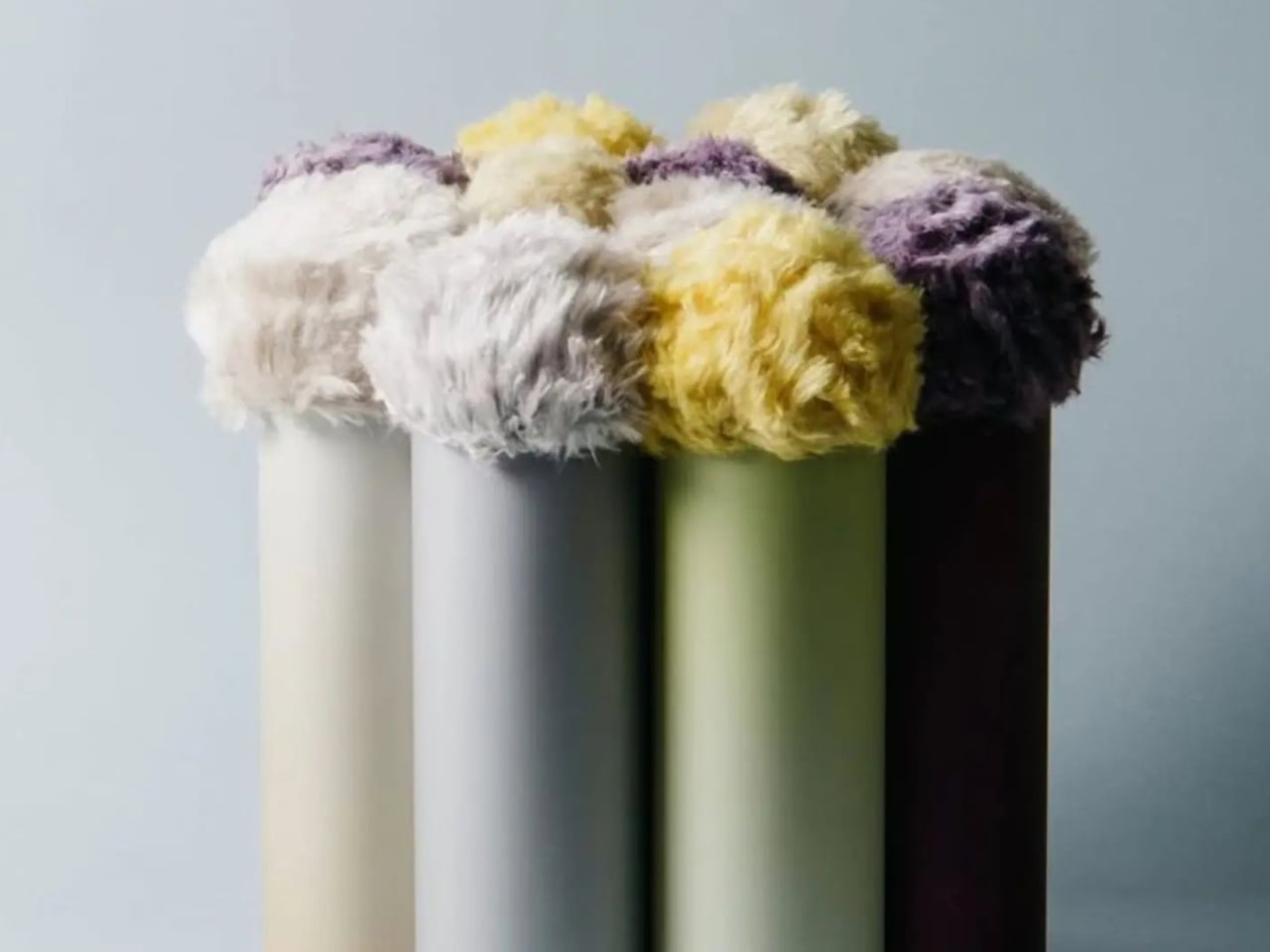
Beyond its playful appearance, the Alice Stool showcases the potential of circular product design. Its recycled aluminium structure offers durability and longevity, while the renewable, bio-based upholstery provides a sustainable alternative to conventional synthetic or animal-derived materials.
Circular design is fundamentally changing the relationship between waste and architecture. Instead of viewing discarded materials as environmental burdens, designers are recognizing them as valuable resources capable of generating innovative buildings, interiors, products, and construction materials. As advances in material science and digital fabrication continue to expand these possibilities, waste will increasingly become the foundation for a more resilient, resource-efficient, and creatively inspiring built environment.
The post 5 Stunning Projects That Prove Your Trash Is Architecture’s Most Valuable Material Right Now first appeared on Yanko Design.