
Back to school has a version where you scramble for a notebook and a pen that works, and a version where everything you reach for during the day does its job cleanly, looks like someone cared about it, and disappears into your pocket without complaint. The gap between those two versions is smaller than a full semester’s worth of regret. It mostly comes down to the eight things you carry every single day.
EDC — everyday carry — was never designed specifically for students, but it should have been. Campus life is its own particular design problem: long days across multiple environments, limited pocket space, and the constant friction of tools that underperform at the exact moment you need them most. These eight picks solve that friction. Each one earns its space on a keychain or in a bag pocket on its own terms, without needing to be explained.
1. Pininfarina Aero Ethergraf
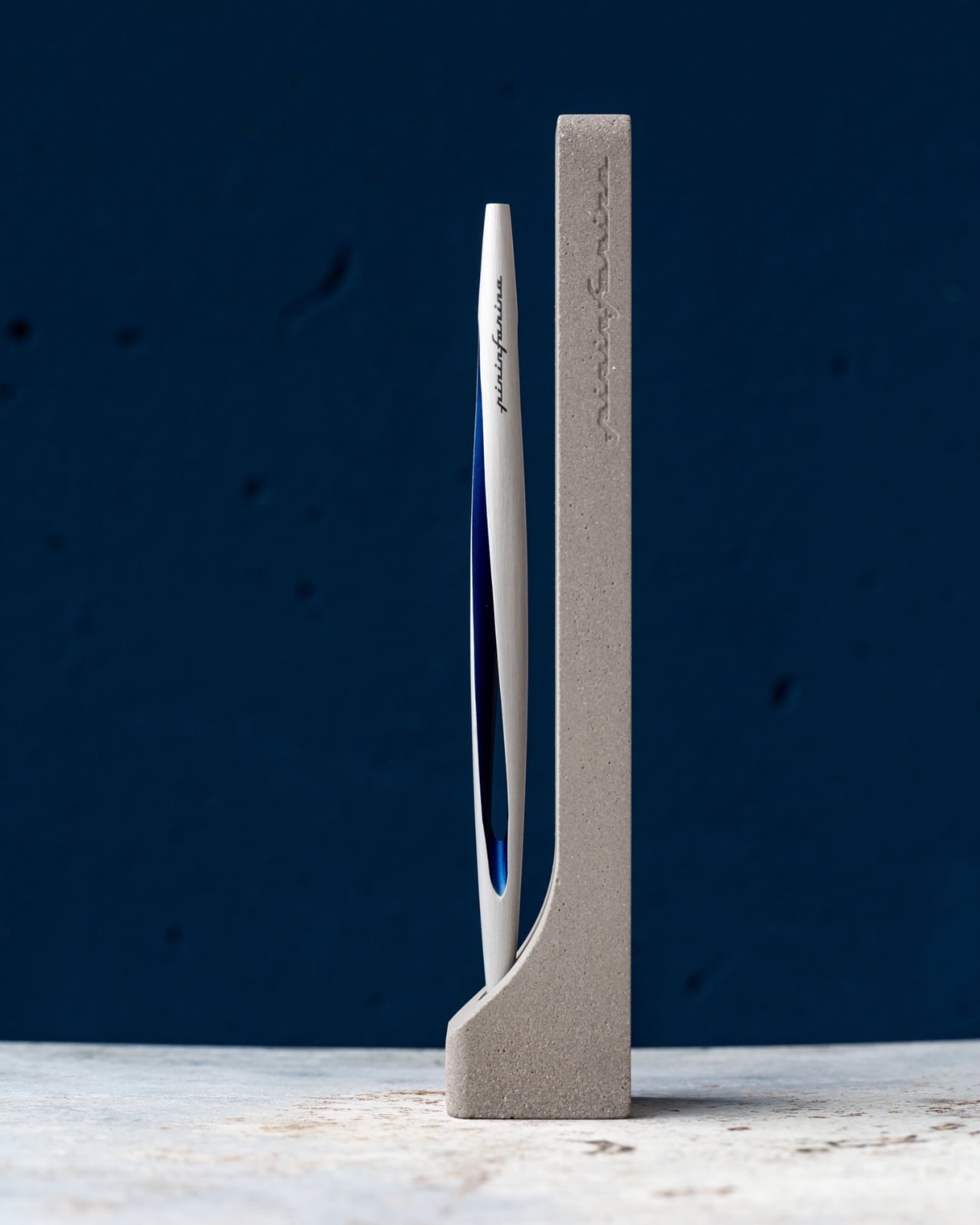
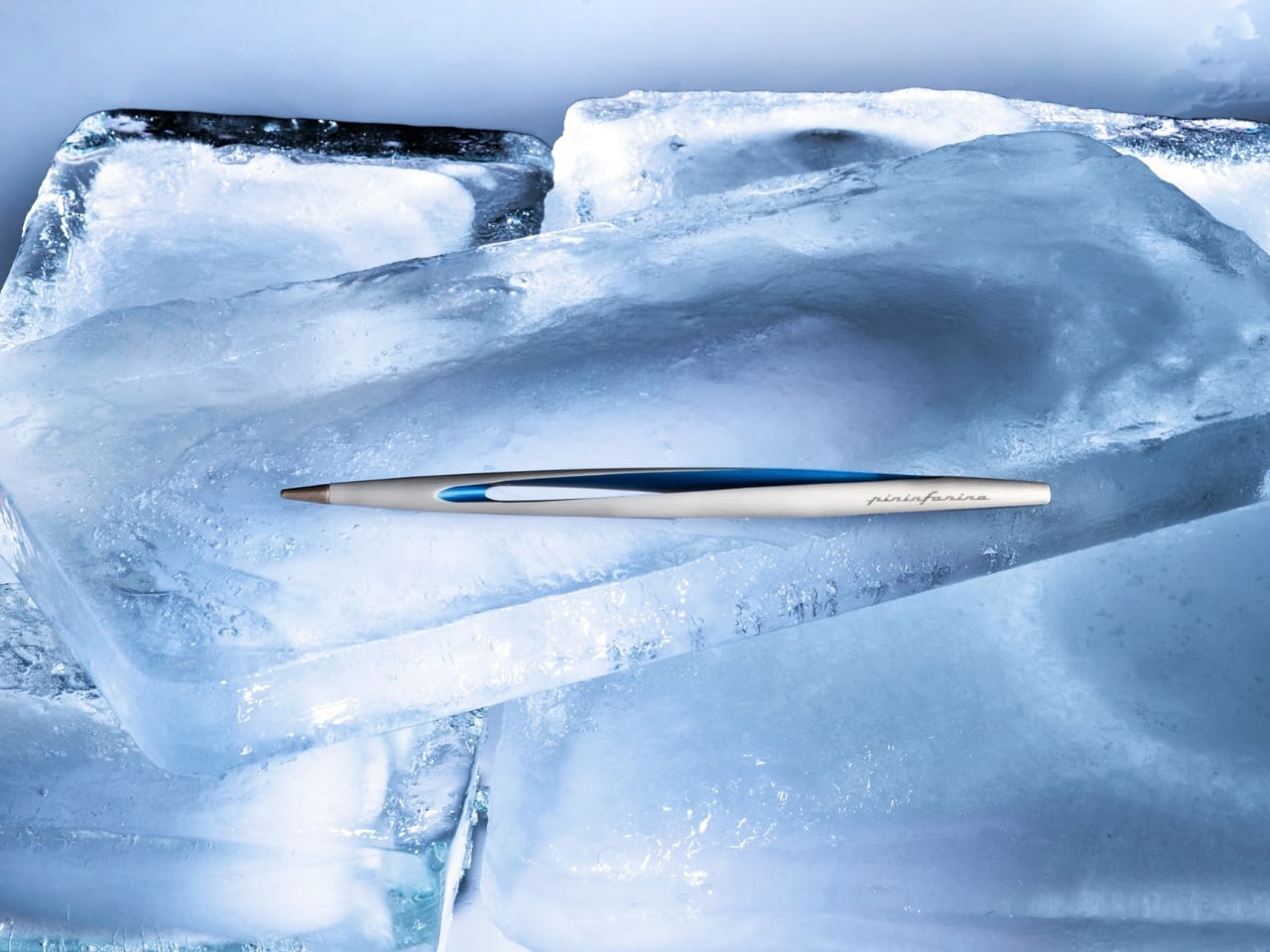
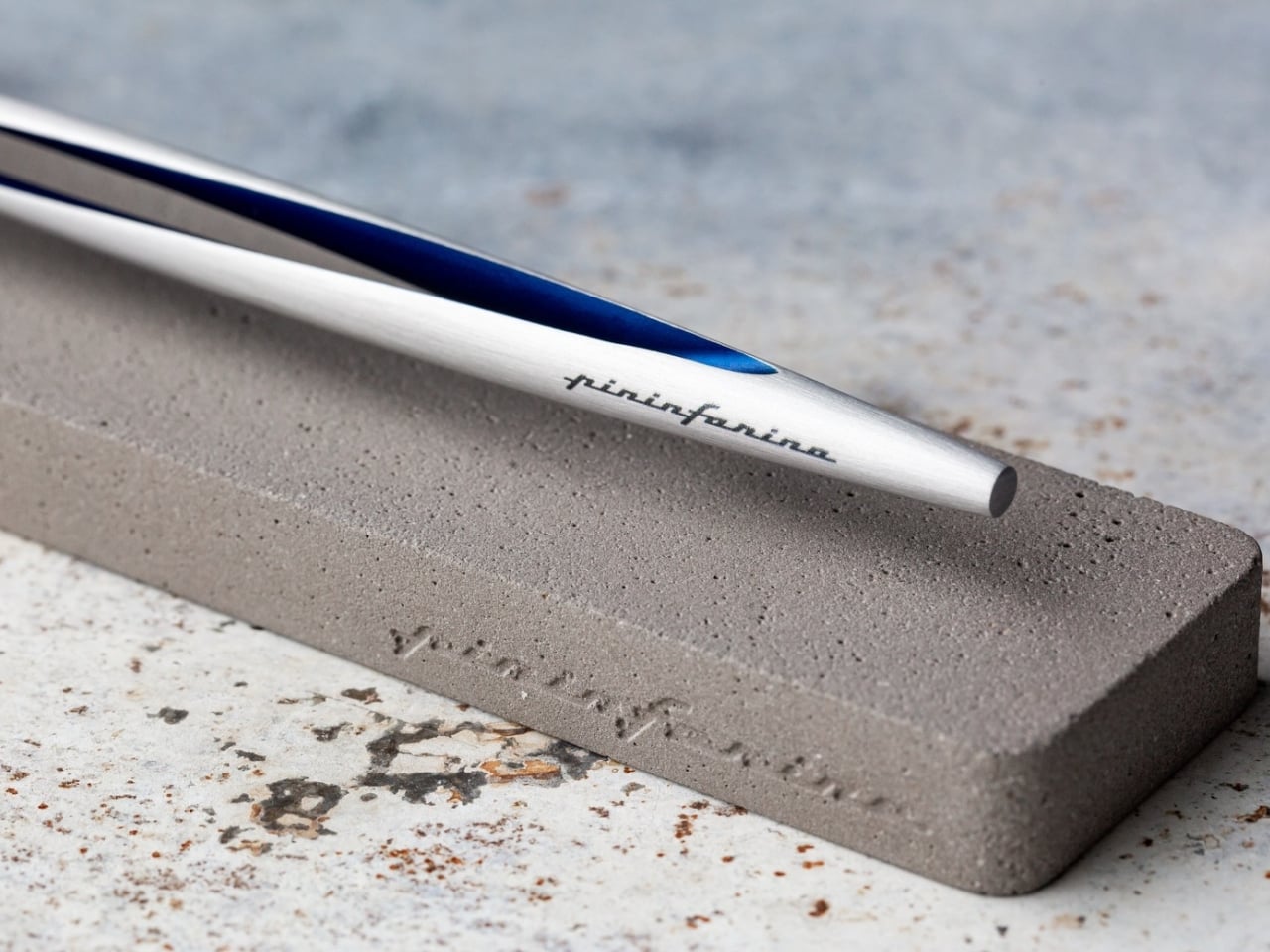
Most pens run out at the worst possible moment: mid-exam, mid-note on a page that actually mattered. The Pininfarina Aero Ethergraf solves that by removing ink entirely. The writing tip is an Ethergraf metal alloy engineered to leave a permanent graphite-like mark on paper through oxidation, a technique older than the ballpoint by centuries. The result is a line that is precise and smudge-proof, will not bleed through paper, will not dry out when left uncapped, and will never need a refill.
Pininfarina built the Aero from aerospace-grade aluminum at 17 grams and 160mm long. The same studio responsible for decades of Ferrari and Maserati bodies brought that same design language to the pen form: a single confident shape, a blue accent that catches light at the right angle, and nothing that does not need to be there. The pen ships with a raw concrete cradle that sits on a desk without pretending to be anything other than what it is: a writing instrument built to stay rather than be replaced.
What we like
- No ink or refills means this pen performs identically on the first day of term and the last, which is the most honest promise a writing tool can make.
- The aerospace aluminum body and Italian construction give it the kind of material presence that makes it worth keeping across a career, not just a semester.
What we dislike
- The Ethergraf line is lighter than ballpoint or gel output, which requires more deliberate pressure on thinner paper stocks to achieve confident, consistent marks.
- The metal tip performs best on standard paper; coated or glossy surfaces produce inconsistent results.
2. Fantom X Wallet
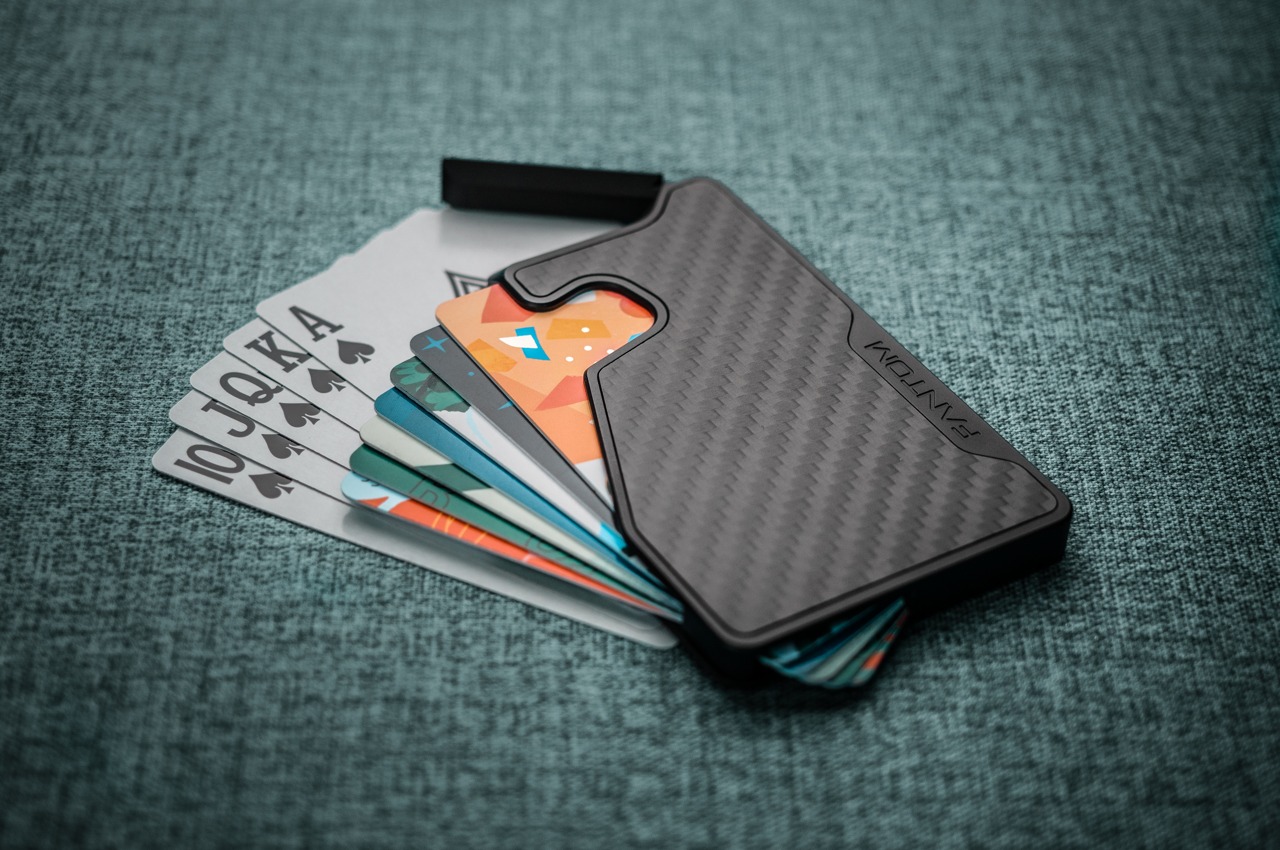
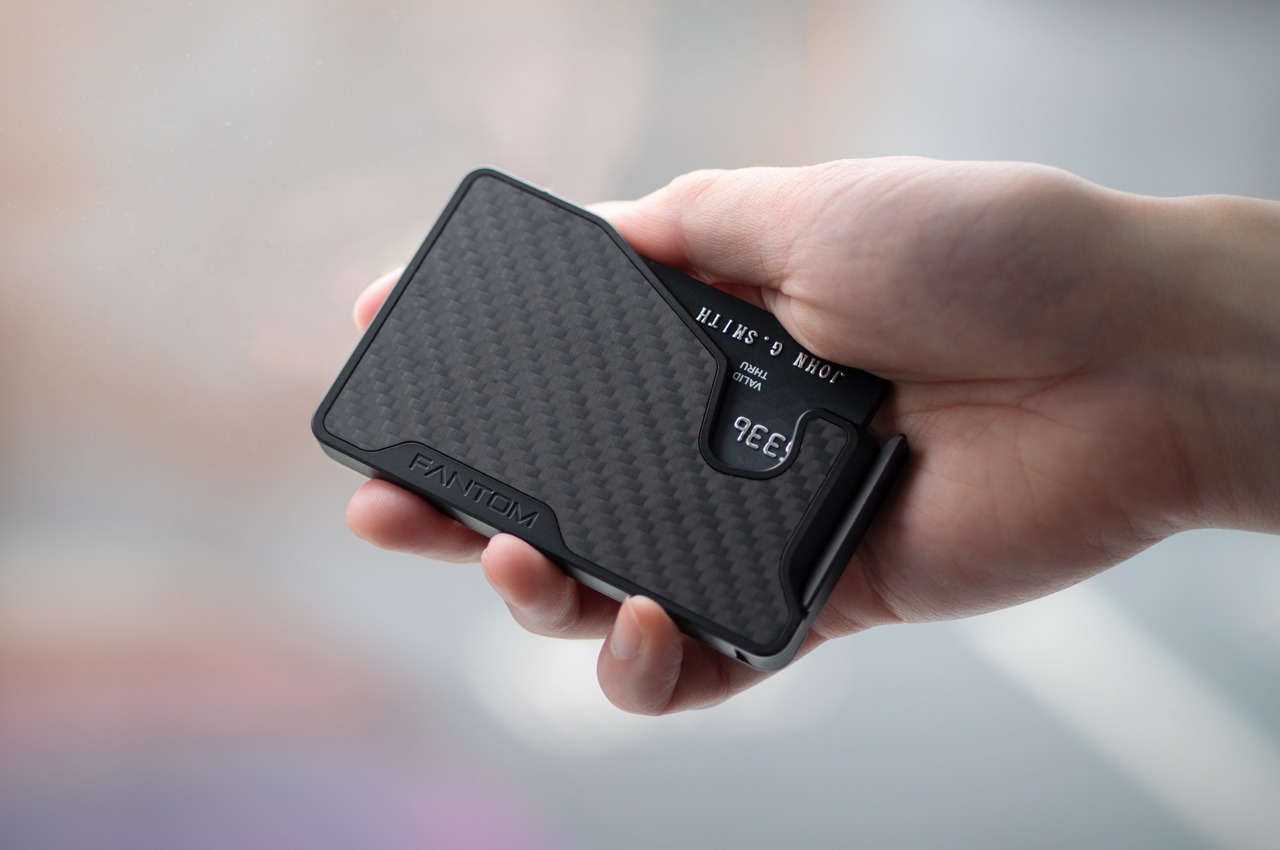
A wallet is the one carry item almost nobody replaces until it fails, which is why most students spend three years sitting on something thick enough to tilt their posture. The Fantom X makes the case for replacing it before that happens. Built on a slim aluminum or carbon fiber chassis, it carries your most-used cards in a front-pocket profile that does not print through fabric, does not soften and stretch over time, and does not demand you excavate it to find what you are looking for.
The design philosophy here is subtractive: strip the wallet back to what it actually needs to do, then build those functions with enough precision that none of them fail quietly. For students moving between campus buildings, transit cards, and a student ID that needs to appear in under three seconds, that clarity matters. Drop it in a front pocket on the first day, and it becomes the kind of object you stop noticing, which is the highest compliment a wallet can earn.
What we like
- The aluminum frame holds its shape across an entire degree program without softening, stretching, or accumulating the debris that leather wallets quietly collect over time.
- The front-pocket profile is genuinely slim enough to change how you move through a crowded lecture hall or a packed transit car.
What we dislike
- Fixed capacity suits a minimalist carry well but creates friction for anyone who still relies on cash for campus cafeterias or weekend markets.
- The rigid form does not adapt as card count grows, which becomes a real limitation by the time senior year adds a work badge to the rotation.
3. Personal Whiteboard

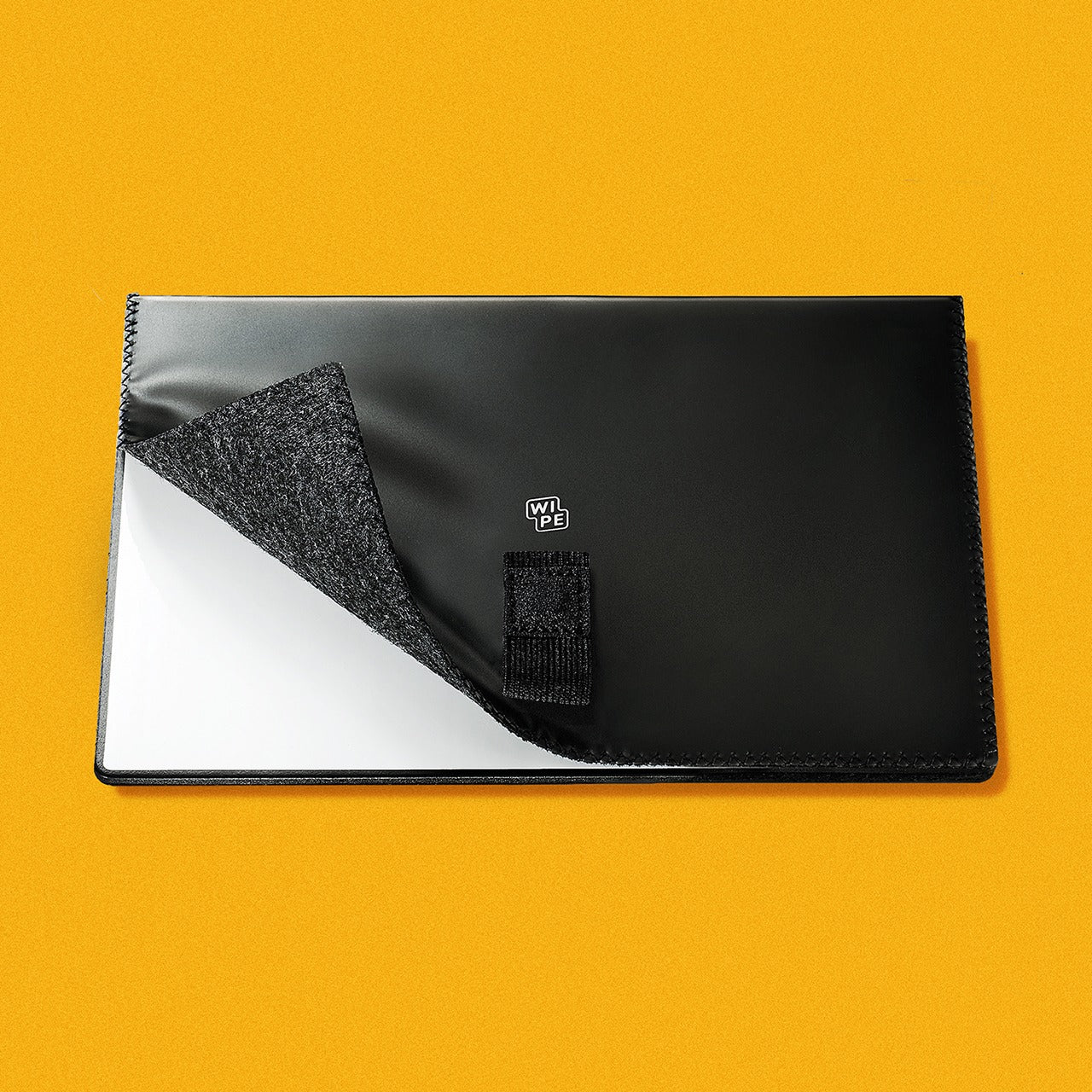
The notebook has one flaw that nobody talks about: every page you write on is gone from active use the moment you turn it. Campus life generates a specific kind of thinking that does not need to be permanent — a rough sketch before a presentation, a formula to hold in working memory for twenty minutes, a quick to-do list that expires by lunch. The Personal Whiteboard is built for exactly that. Compact enough to carry anywhere, it opens to a clean dry-erase surface that works with any standard marker, requires no app, no sync, and no battery.
What separates it from a whiteboard bolted to a wall is the complete carry system built into the form: an eraser, pen holder, stand, and storage pocket all housed in one portable unit. Jot an idea down, snap a photo with your phone to send it wherever it needs to go, and wipe the surface clean before the next lecture. For students who think visually — sketching diagrams, mapping out arguments, working through problems spatially — this is the analog scratchpad that a phone notes app can never fully replace.
What we like
- The all-in-one build — eraser, pen holder, stand, and storage pocket — means nothing is left behind and nothing rattles loose in a bag.
- No battery, no app, no sync: it works the moment you open it, every single time.
What we dislike
- Dry-erase surfaces require a marker that lives with the board; losing the pen turns it into a decorative object until a replacement is found.
- The reusable format is not suited for notes that need to be kept; the photo-to-cloud workflow adds a step that some students will skip and regret.
4. 8-in-1 EDC Scissors
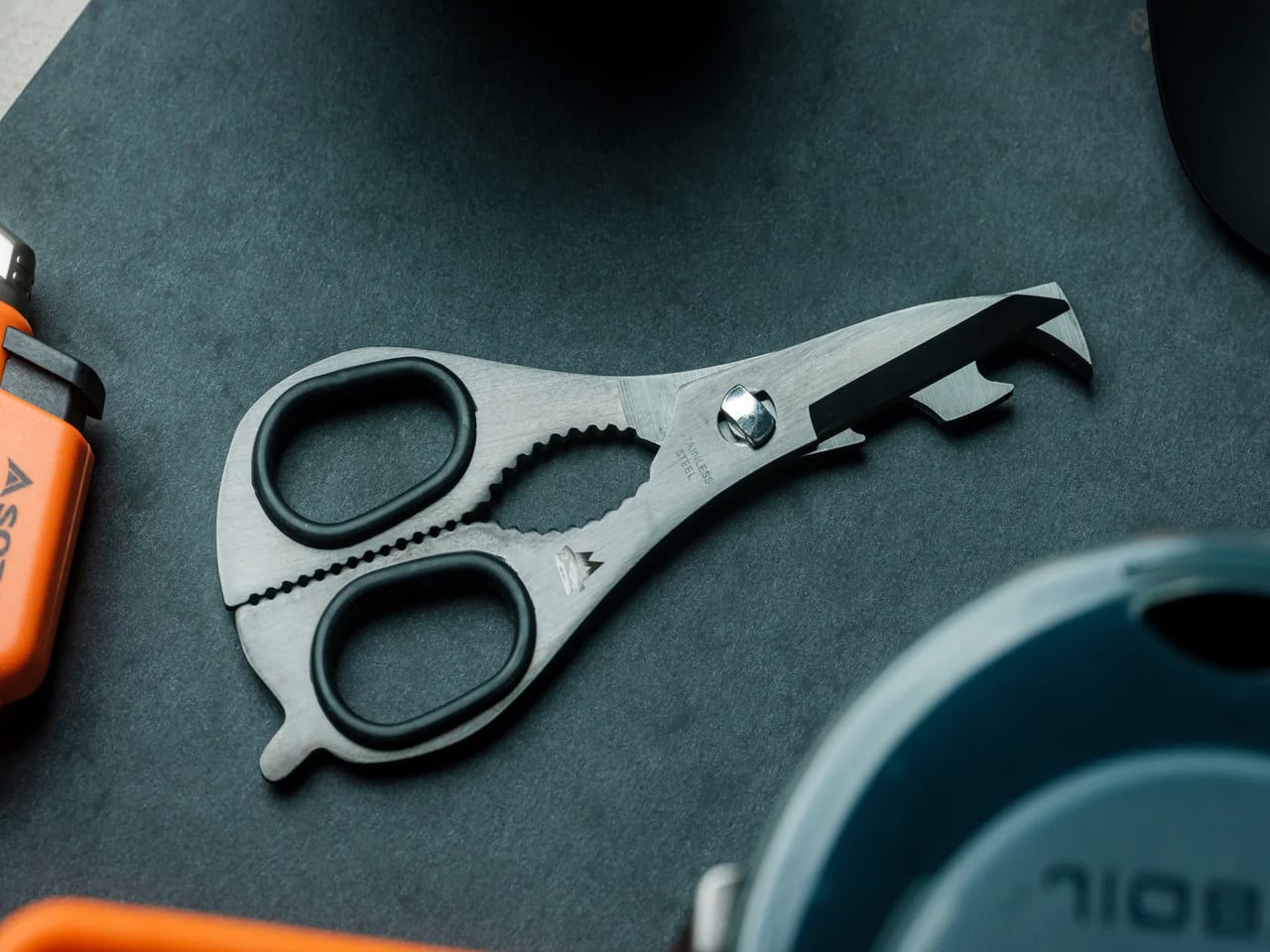
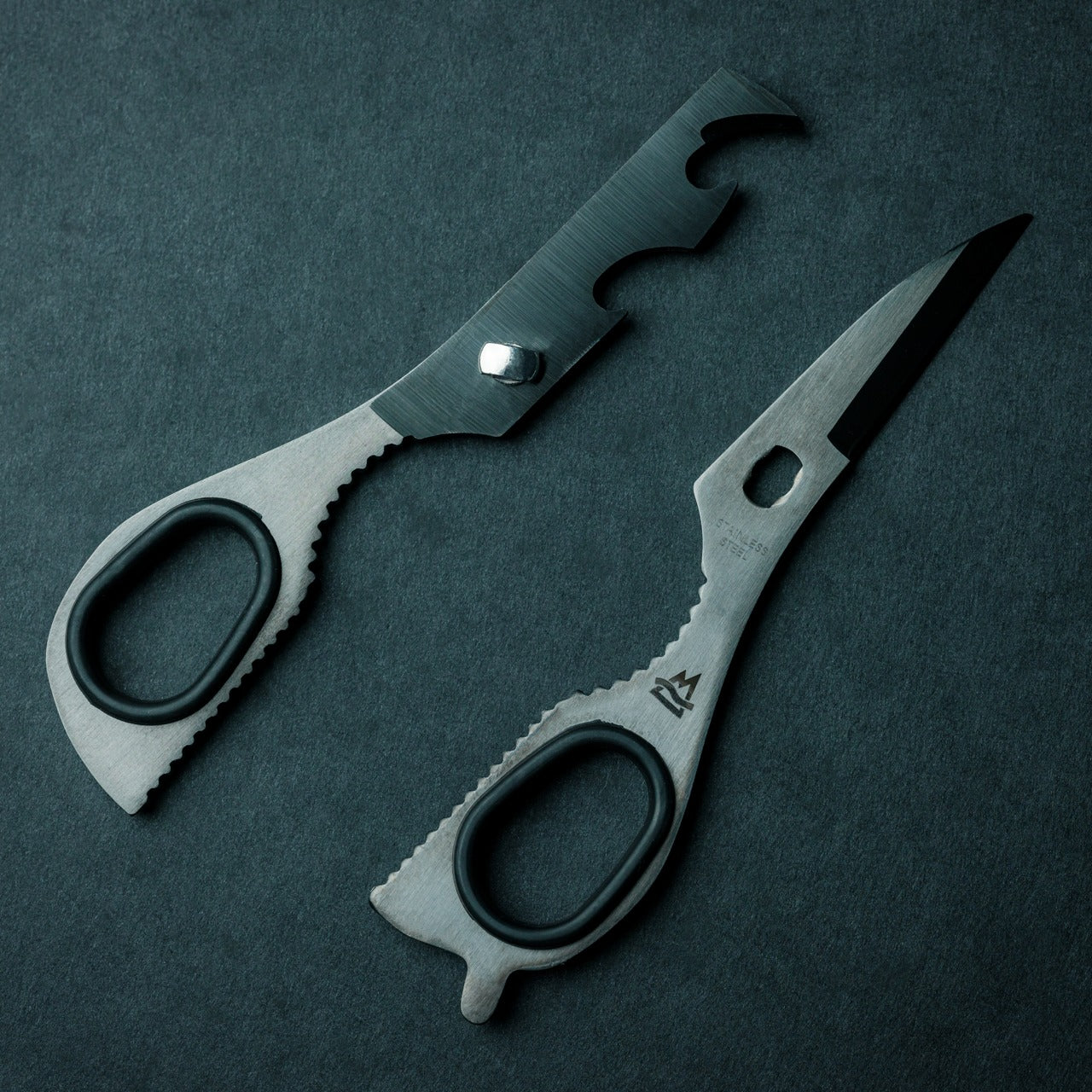
Scissors are the carry tool almost nobody thinks to include until the moment they cannot find them and spend fifteen minutes looking for something that does the job less cleanly. The 8-in-1 version addresses that by folding eight functions into a flat-pack form that opens in a single motion and weighs almost nothing in a bag. For students working across studio space, labs, and a dorm room across a single week, the cutting tasks stack up faster than any back-to-school supply list would suggest.
The real case for scissors in your EDC is that a knife cannot handle every task with the same grace: opening a sealed envelope cleanly, trimming a loose thread from a collar before a presentation, cutting a document to size, working through the tape on a textbook that arrived shrink-wrapped. The 8-in-1 handles all of those and brings enough additional functions that it earns its flat-pack space even on days when you reach for it exactly zero times. It is there on the days you do.
What we like
- Eight functions in a flat-pack form that most people will actually carry consistently, rather than a dedicated pair that stays in a desk drawer.
- The profile means it does not compete with other tools for space in a pencil case or bag.
What we dislike
- Scissors remain the one tool people most reliably leave behind on the assumption they will not need them that particular day.
- The multi-function format means none of the eight tools reaches the specialist performance of a dedicated single-purpose version.
5. Olight Baton 4 Premium Edition
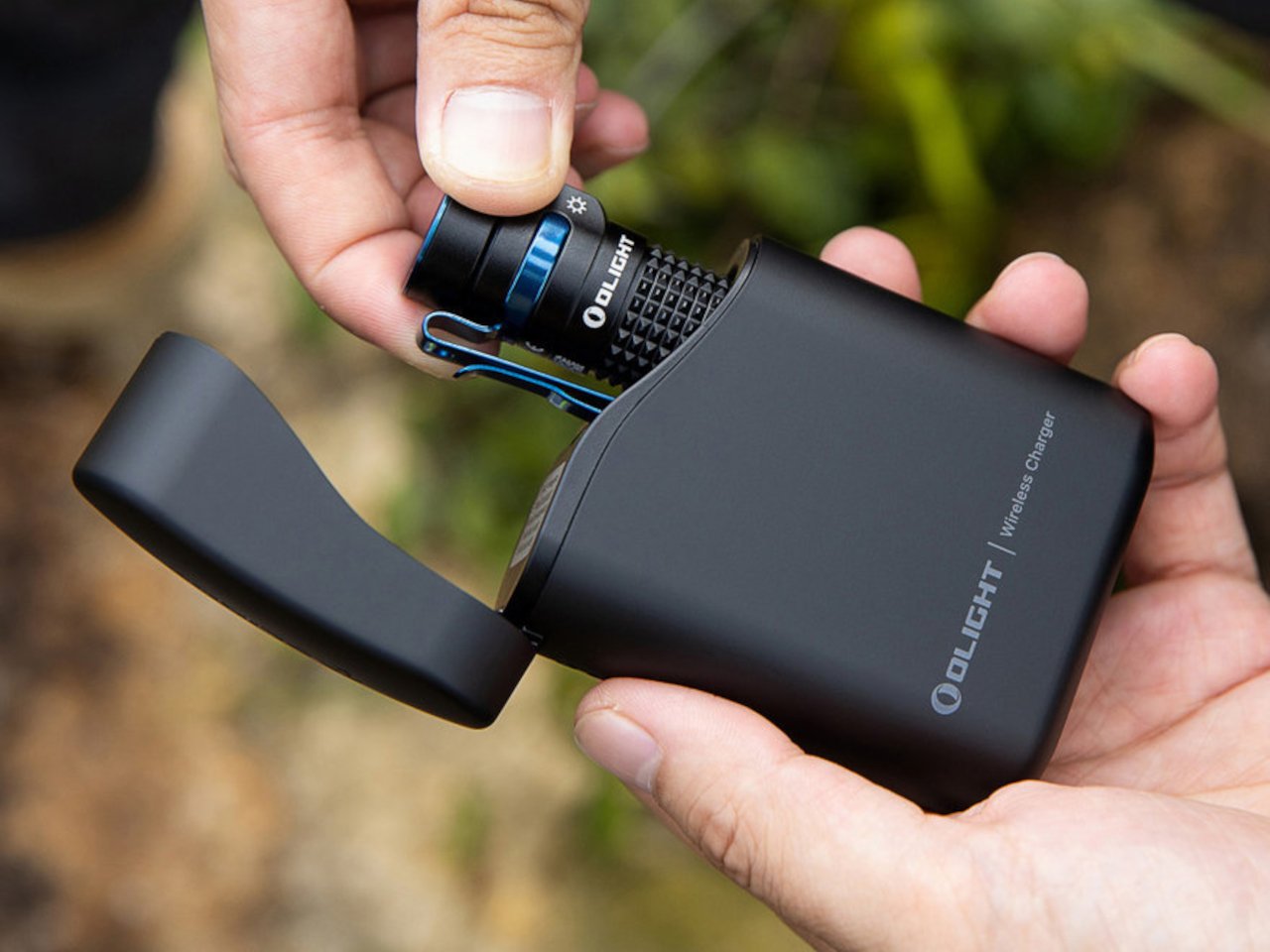
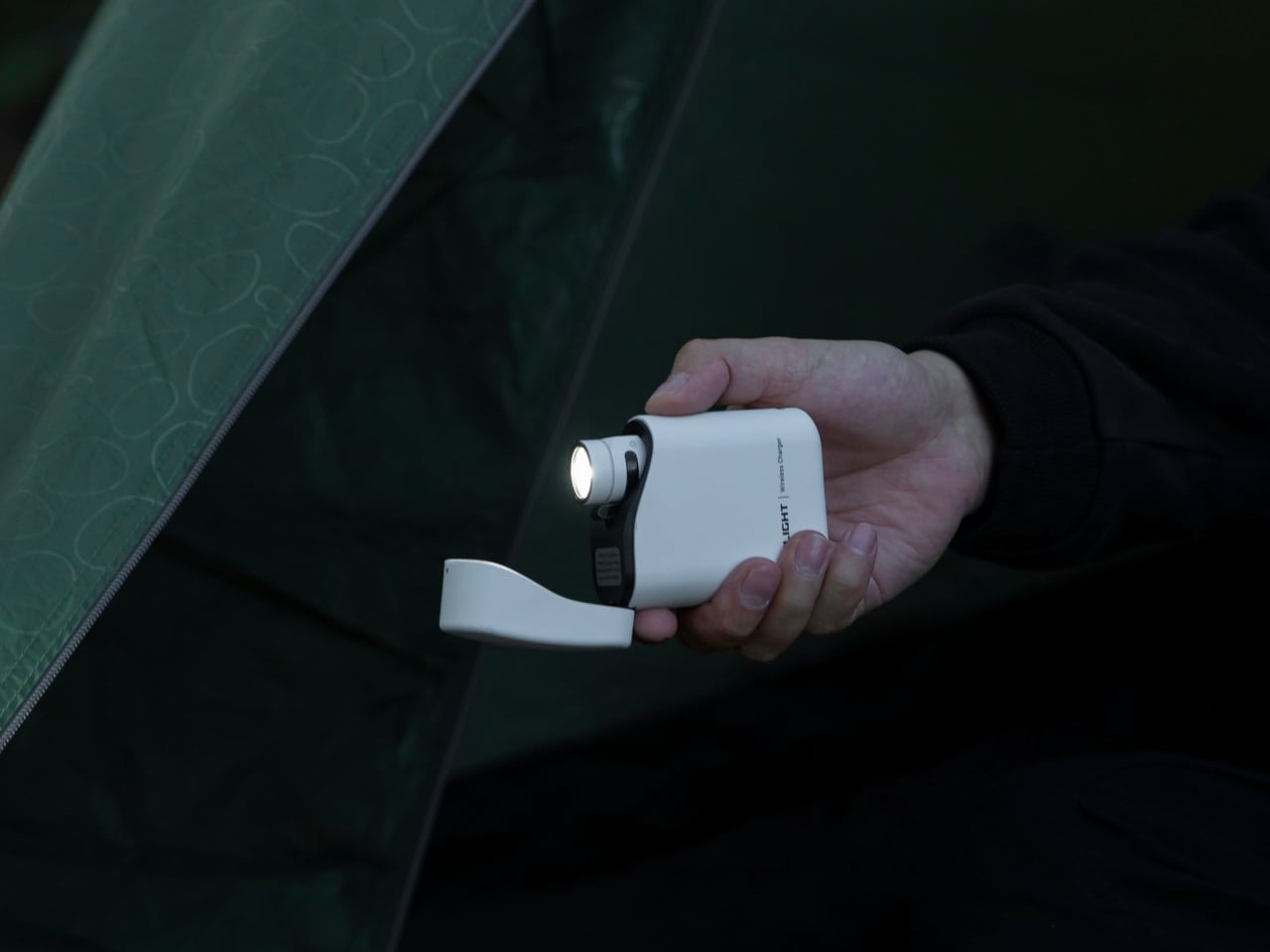
Flashlights are the EDC carry people dismiss until a power outage turns a campus building into a dark maze, or a late walk back from the library asks more of a phone screen than it should reasonably deliver. The Olight Baton 4 Premium Edition is the version of this argument that earns a permanent pocket position. The Premium finish options, stainless and copper variants in particular, read as desk objects as readily as tools, which changes what you are willing to carry every day without a second thought.
For students, the Baton 4 brings dependable illumination to the scenarios campus life generates more regularly than anyone plans for: power infrastructure that goes out during finals week, a trail run where daylight ends mid-route, a parking structure at midnight after a late seminar. The build quality means it lives in a pocket through an entire semester without corroding, scratching, or developing the rattle that cheaper lights accumulate over months. It stops being noticed after the second week, which is precisely where well-designed EDC should land.
What we like
- The Premium Edition finish reads as a considered object in a professional or social setting, without the visual aggression most tactical flashlights lead with.
- Build quality holds through a full semester’s worth of varied conditions without requiring any deliberate maintenance.
What we dislike
- Premium Edition pricing sits at the higher end of what most students budget for pocket carry in the opening weeks of a new year.
- The charging method may feel dated alongside newer competitors offering wireless or more streamlined options.
6. Anywhere Use Lamp

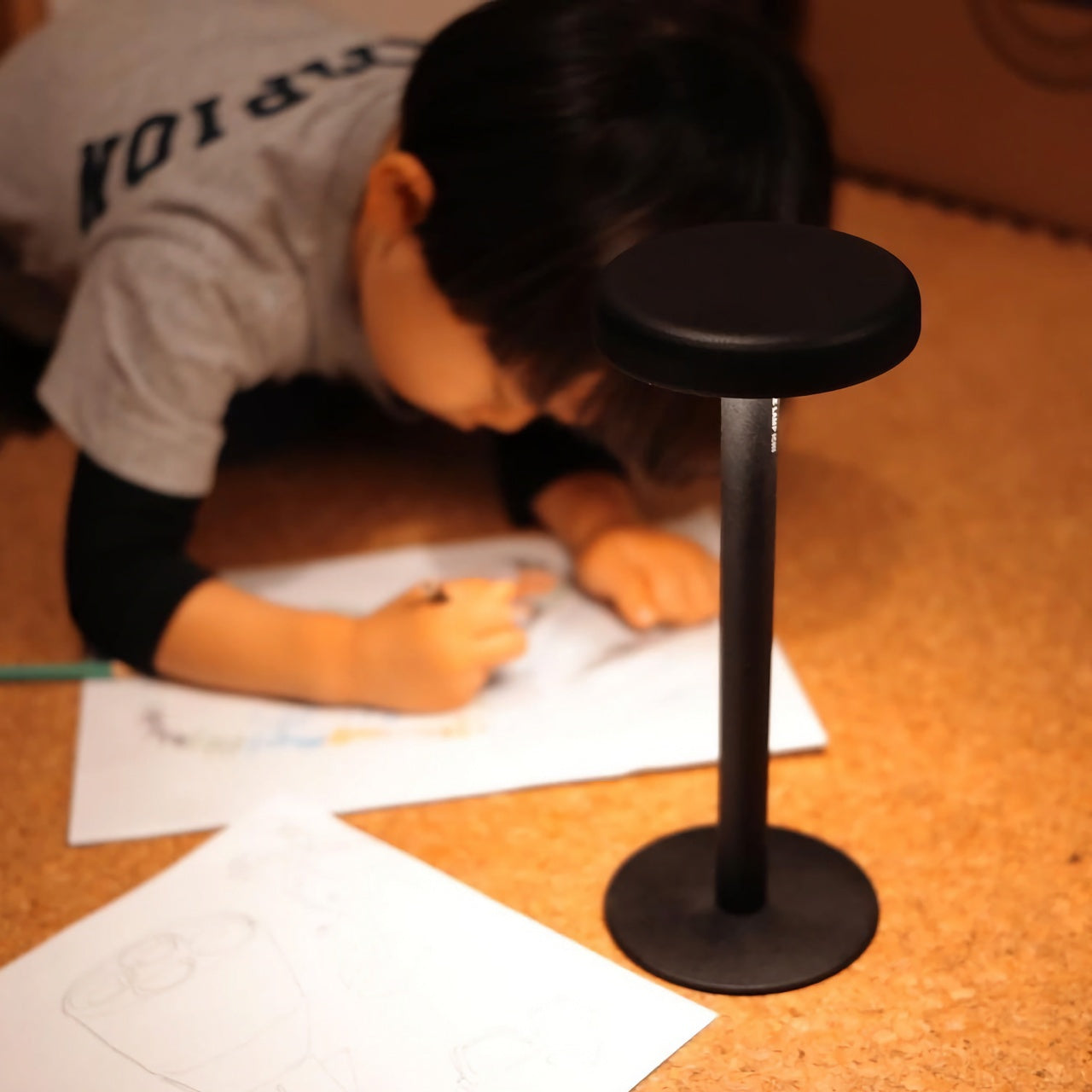
Dorm lighting is one of the specific miseries of freshman year that nobody adequately warns you about. The overhead fixture is fluorescent and institutional. The desk lamp that came with the room is the cheapest unit the university could justify sourcing. Studying under either of them for three hours produces a particular kind of low-grade fatigue that gets blamed on the subject matter rather than the light quality. The Anywhere Use Lamp moves between a bedside table, a study desk, and an outdoor session without requiring any adjustment whatsoever.
What makes portable lighting genuinely matter for students is the range of settings a single week creates. Late reading in a room where a roommate is already asleep. A library corner where the overhead has been out for three weeks and the work order remains unfiled. A study session outside that started in afternoon light and ran well into the evening. The Anywhere Use Lamp handles all of those and reads as a design object rather than a utility purchase, which is the difference between something that stays out on a desk and something that lives in a closet.
Click Here to Buy Now: $149.00
What we like
- The portable form factor transitions from dorm desk to outdoor table to bedside table without any adjustment or setup.
- The aesthetic reads as a designed object worth displaying, rather than a lamp that gets hidden when guests arrive.
What we dislike
- Output works best as supplementary or mood lighting rather than a primary source for demanding, extended work sessions.
- At $149, it sits at the premium end of the student carry budget for what might initially read as a secondary light.
7. MetMo Pocket Grip
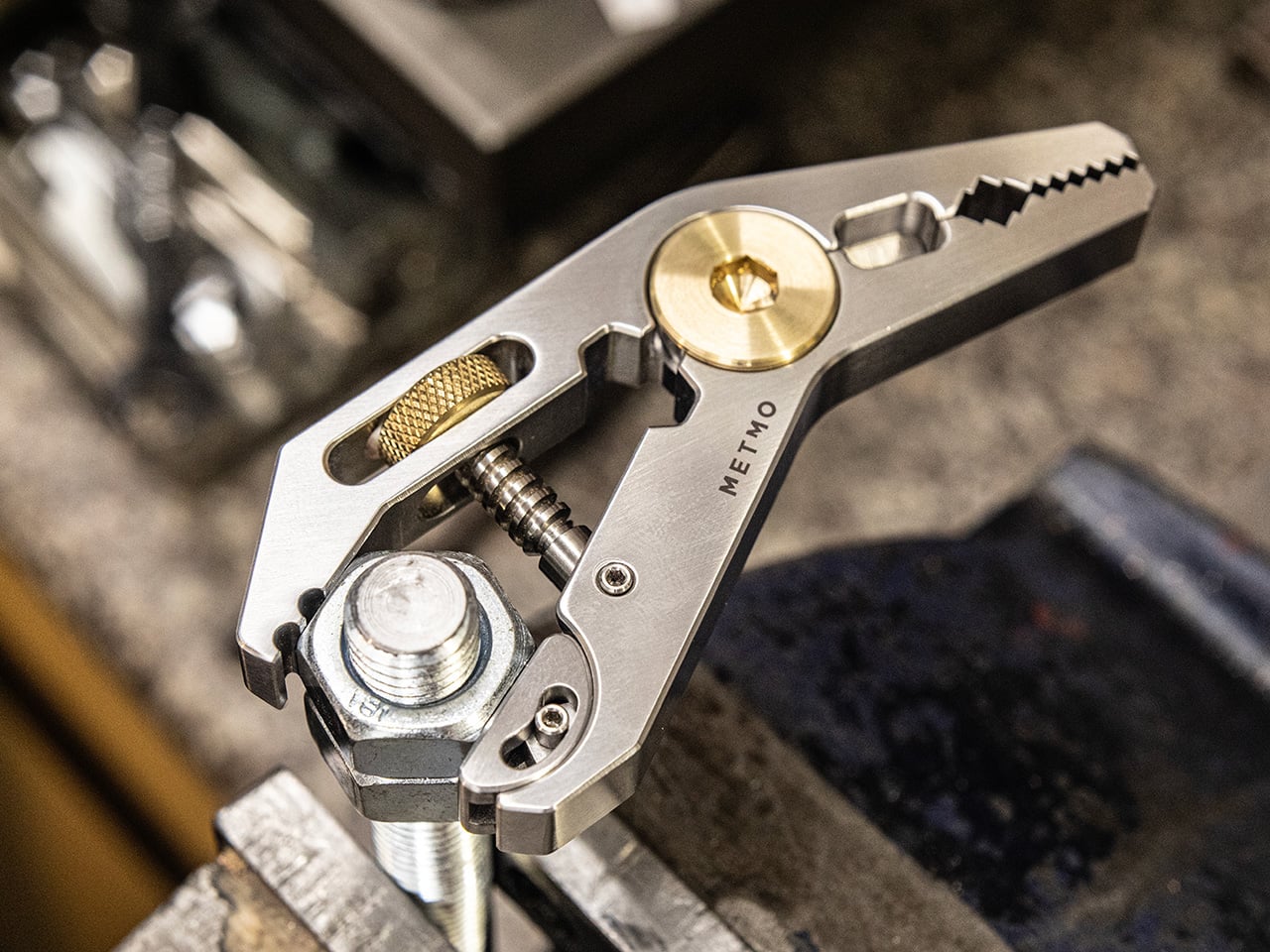

The MetMo Pocket Grip started as a 113-year-old patent that nobody had properly built until MetMo did. The result is a precision grip multi-tool measuring 95.5 by 45.5mm that disappears into a front pocket alongside a phone. The mechanism is what makes it worth paying attention to: Victorian-era engineering applied to a current material palette, which gives it a tactile character that most modern multitools — machined to tight tolerances with no analog history behind them — tend to completely lack. Old thinking, re-executed for actual daily use.
Carrying the Pocket Grip changes what you notice. Bolts that need tightening. Mechanisms that need adjusting. The tool gives you confidence to engage with the physical world in a way that most EDC does not, because most EDC prepares for emergencies rather than enabling daily interaction. For a student who spends time in studio environments or maker spaces where small physical interventions happen throughout the week, that quiet engagement matters. The fact that it looks like something a craftsman from 1913 would recognize is not nostalgia. It is just durable design.
What we like
- The design origin story gives it depth of character that purely modern multitools, designed entirely from scratch, cannot replicate.
- The 95.5 by 45.5mm footprint fits a front pocket without competing with a phone for space.
What we dislike
- The patented mechanism takes a few uses to feel fully intuitive in the hand before it becomes second nature.
- The precision grip application makes it more specialized than a general-purpose multitool for anyone looking for broader day-to-day utility.
8. CraftMaster EDC Utility Knife
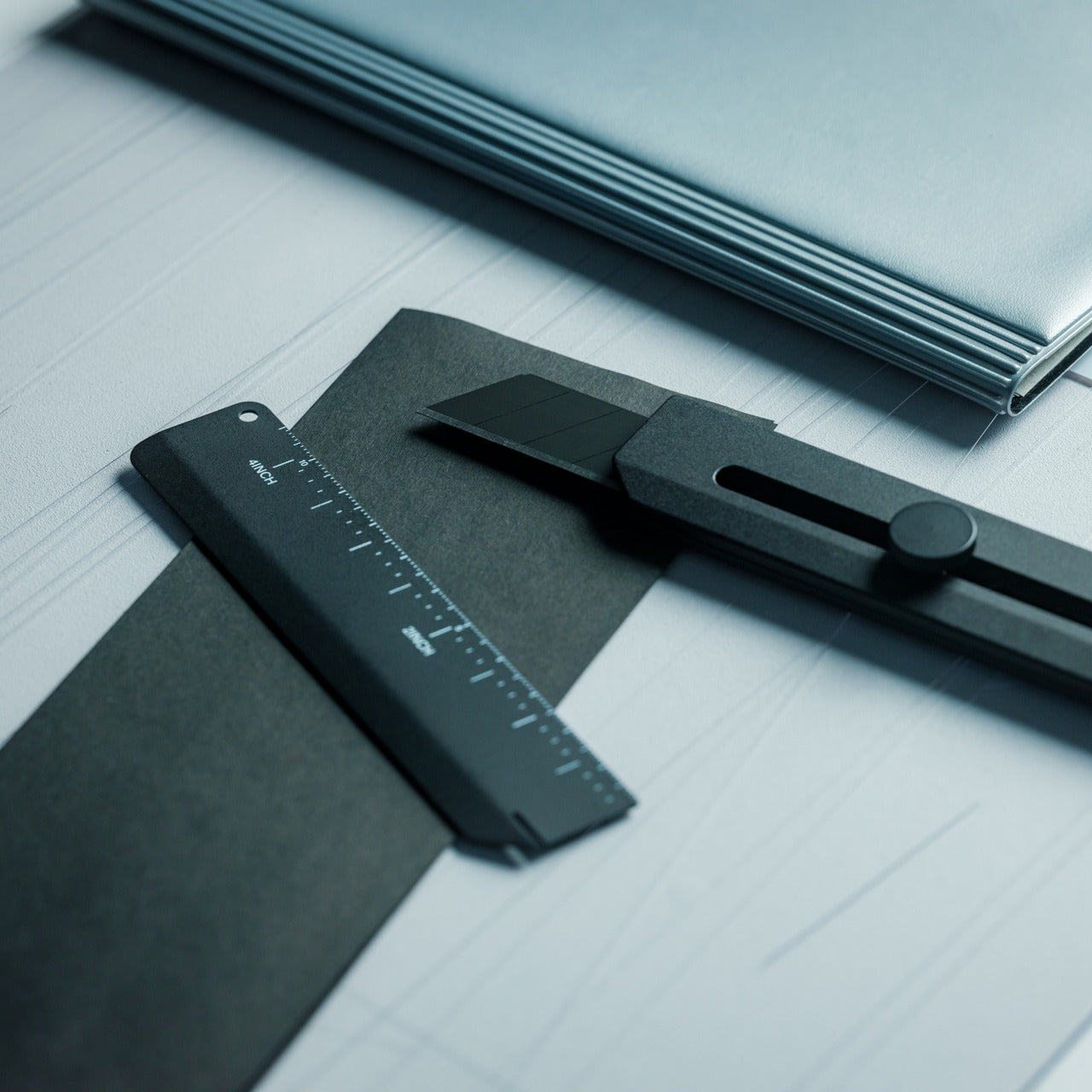
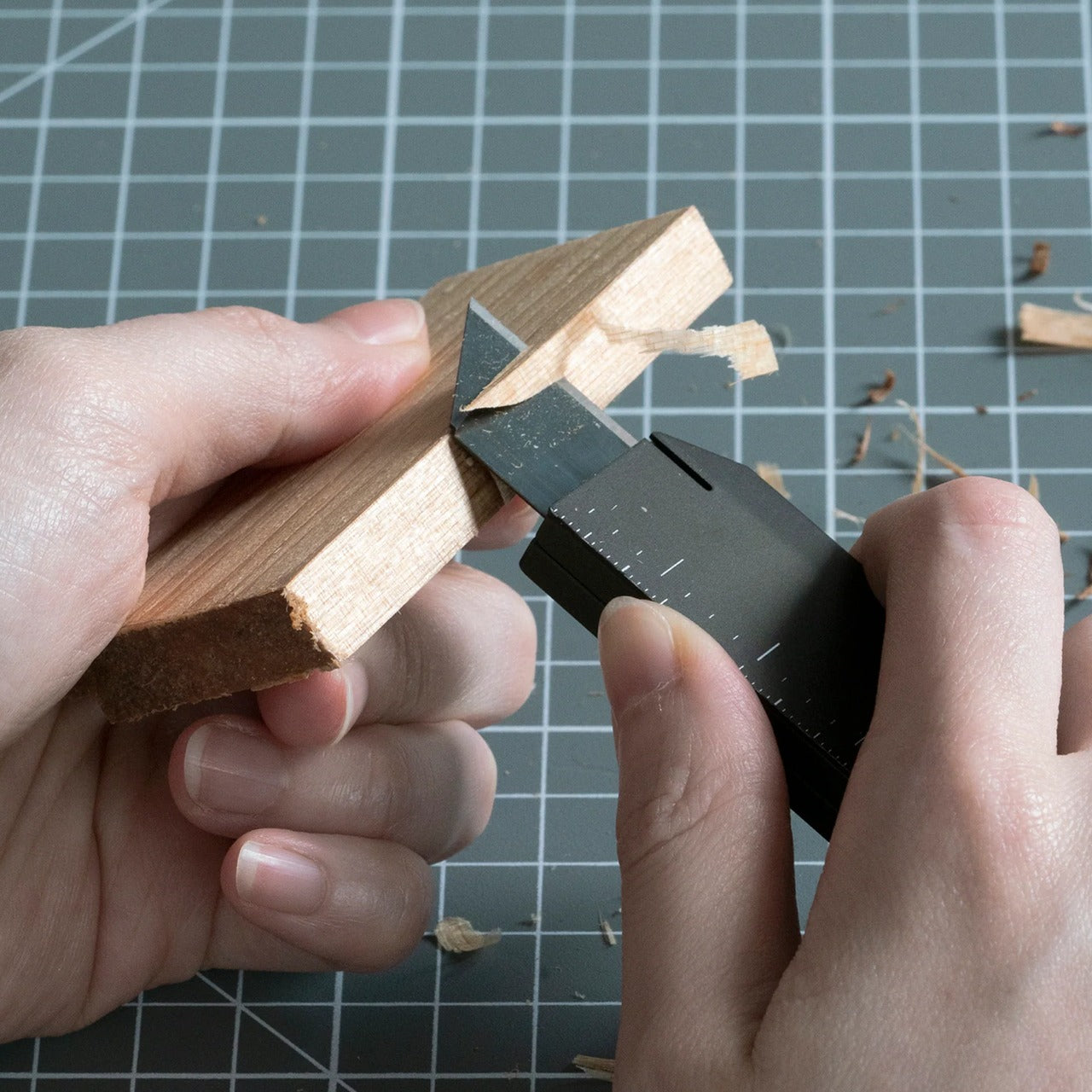
The utility knife is the most underestimated tool in everyday carry, which is why most people settle for a disposable box cutter until they need to make a clean cut and immediately remember why that choice was wrong. The CraftMaster comes in at 8mm thick and 12cm long, with a tactile rotating-knob blade deployment and an OLFA blade angled at 45 degrees: the specific geometry that makes box opening clean rather than torn. A companion metal ruler scale docks magnetically to the back of the knife body.
At 0.3 inches thick, this slides into a pocket alongside a phone without announcing itself. The ruler scale adds imperial and metric markings alongside a blade-breaker for snapping off dull OLFA segments, with a 15-degree curvature along the ruler edge that keeps fingers clear during cuts. OLFA blades are available at any hardware store on earth, which means this knife avoids the proprietary-consumable trap that quietly ruins otherwise good knives when the included blades run out halfway through a semester with no obvious replacement.
What we like
- The magnetic ruler scale transforms the knife into a measuring tool without adding any bulk or requiring anything else in the bag.
- OLFA blade compatibility keeps replacements cheap, universal, and available anywhere.
What we dislike
- The rotating knob deployment is slower than a thumb-stud or flipper mechanism for one-handed operation under any kind of time pressure.
- At 12cm, cutting depth stays appropriate for light and medium work; heavy-material tasks will need something else.
The Only EDC Rule That Actually Matters: Carry What You’ll Use
None of these eight things require a lifestyle change to carry. They sit in a pocket, clip to a bag strap, or live on a desk without demanding attention. What they do require is a single decision: that the things you reach for every day are worth choosing deliberately. One or two of these will solve a specific friction point you encounter this week. Start there and let the rest of the list find its moment when the semester makes it obvious.
The best EDC stops being noticed after the first month, which is the whole point. These eight cover the functional range of a full year at campus: writing, carrying, cutting, lighting, measuring, organizing. Together they represent the version of back to school where everything you touch works exactly as expected, and nothing in your bag exists simply because it was on a generic supply list at the campus bookstore.
The post 8 Best Back to School EDC Essentials That Actually Make Showing Up Feel Like You Mean It first appeared on Yanko Design.