
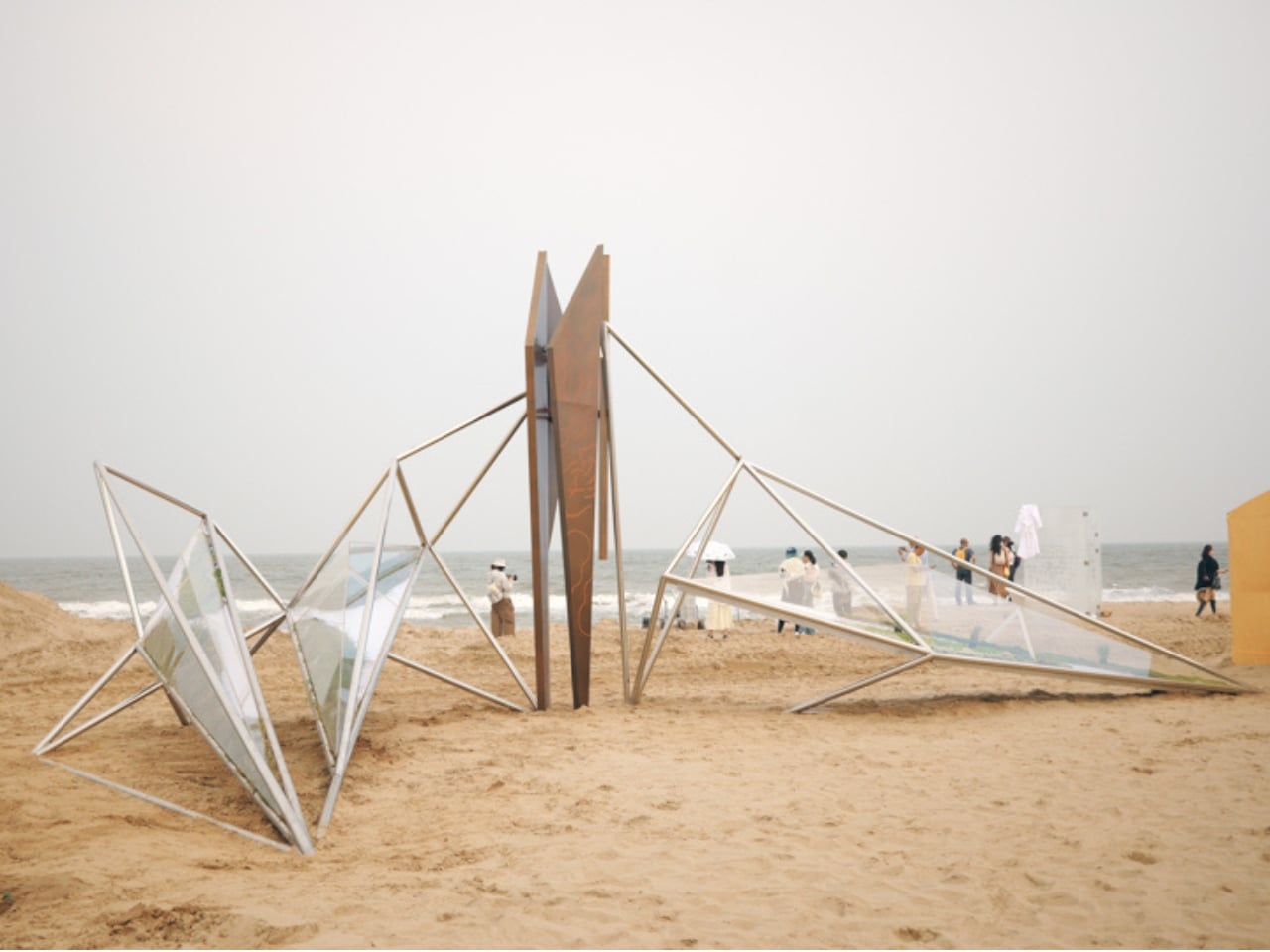
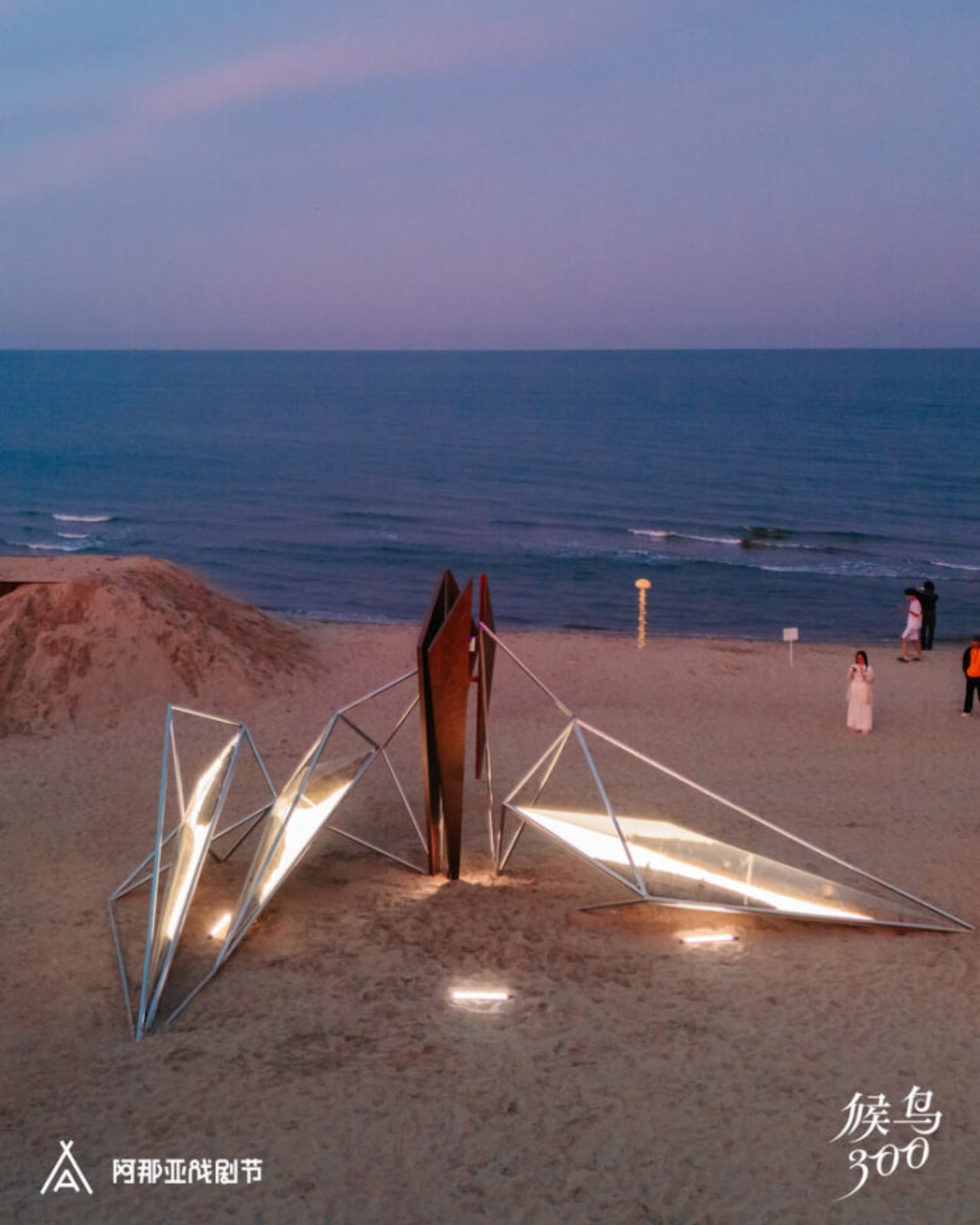
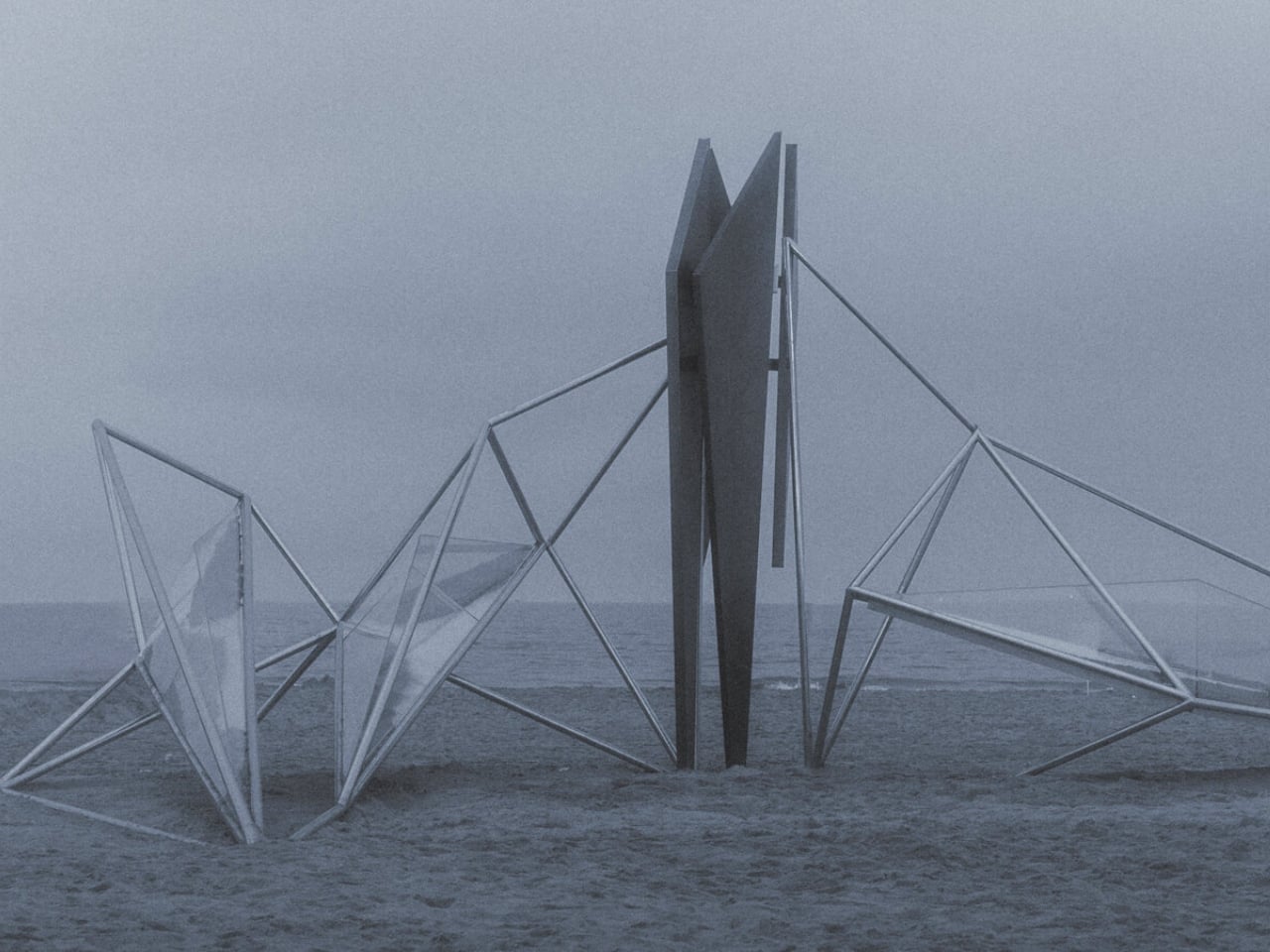
Not every art installation earns the right to exist in a landscape. Most feel like intrusions, objects dropped into nature rather than grown from it. OAS/S-AETHER, the latest work from Beijing-based Zhide Architectural Design Consulting (ZDC), is one of the rare exceptions. Standing on the sandy coastline of Aranya in Qinhuangdao, Hebei Province, this winged structure of interconnected metal rods and glowing acrylic lightboxes manages to feel both ancient and alien at the same time, and that tension is the whole point.
The installation was created for the “Migratory Birds 300” section of the 2026 Aranya Theater Festival, led by architects Zhengdong Li, Rubing Bai, and Xu Wen. The concept draws from “Aether,” the fifth element in classical philosophy, that invisible, luminous substance believed by the ancient Greeks to fill the heavens beyond the earthly realm. It’s a heady starting point, but ZDC pulls it off. The piece doesn’t just reference the idea of Aether. It actually makes you feel it.
Designer: Zhide Architectural Design Consulting (Beijing) Co., Ltd.
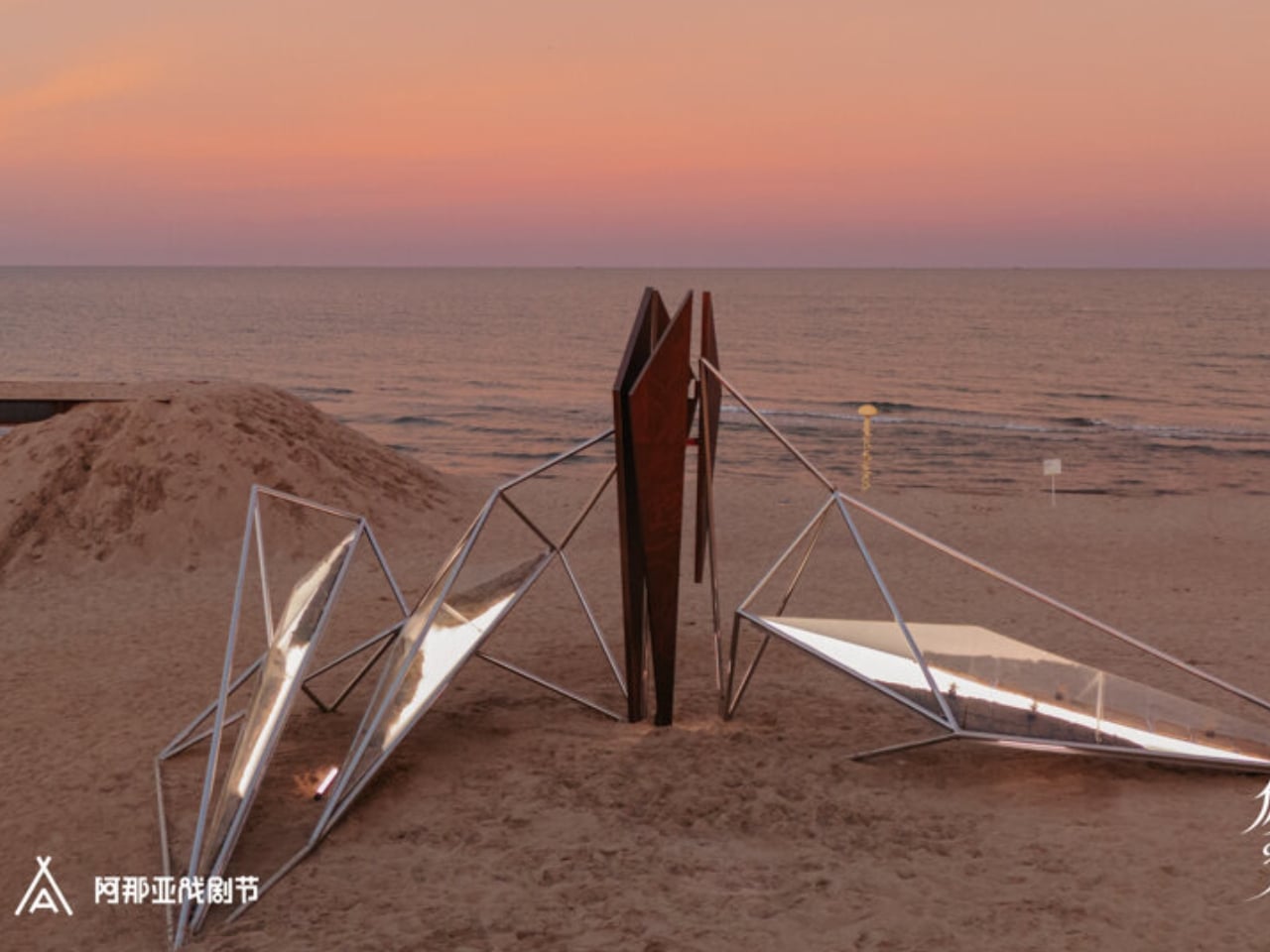
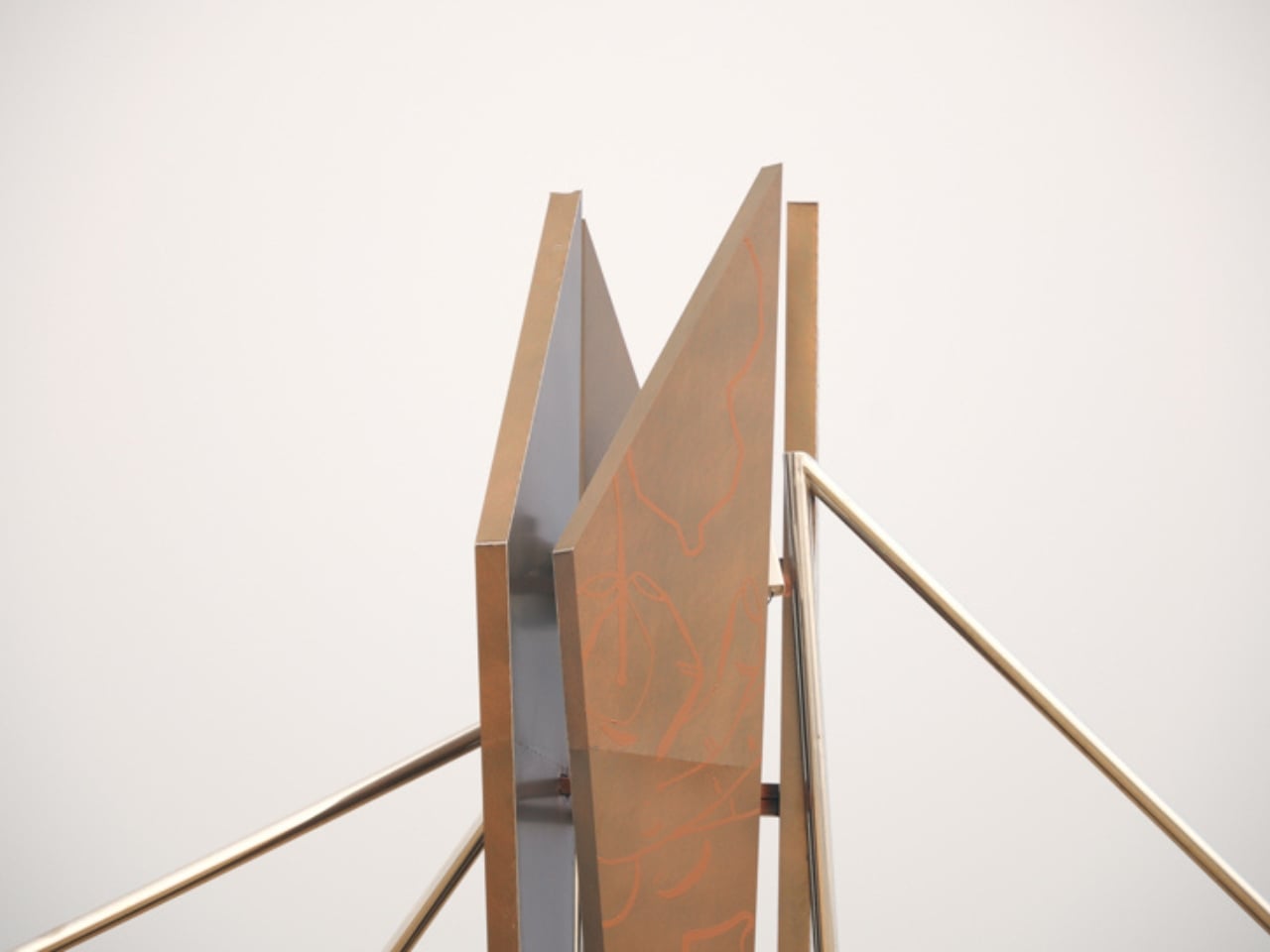
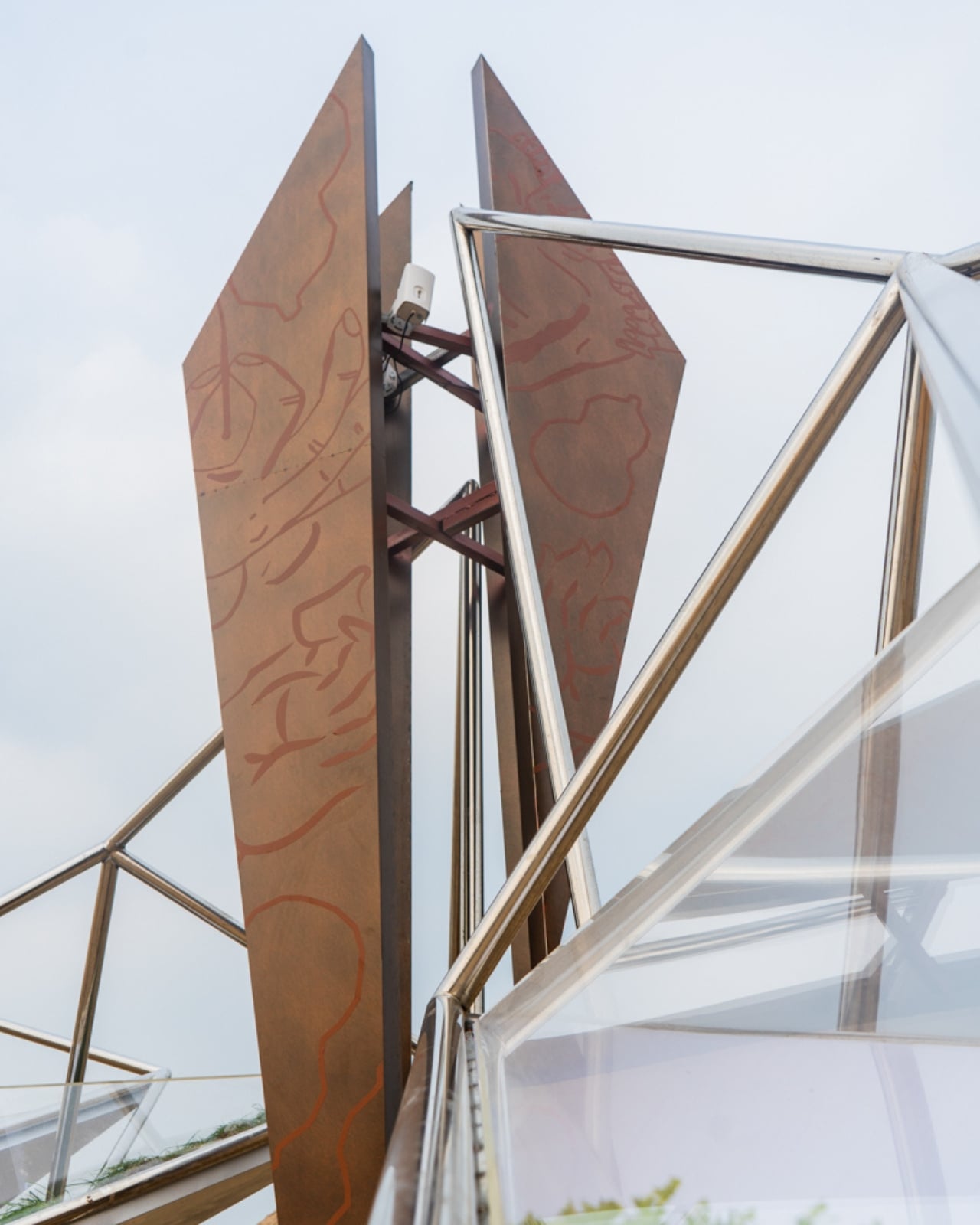
At first glance, OAS/S-AETHER reads as a geometric silhouette against the sky, a skeletal wing shape built from precisely arranged metal rods that catch light differently depending on the hour. Get closer, and the details reveal themselves. Embedded within the framework are acrylic lightboxes that glow from within, engraved copper plates that bring texture and a sense of history to the industrial structure, and, perhaps most surprisingly, living plants tucked inside the illuminated boxes. That last element is the one I keep turning over in my mind. Placing living, breathing vegetation inside a steel and acrylic structure is not a subtle gesture. It’s a declaration. Life and industry don’t just coexist here; they hold each other up.
The choice of location matters too. Aranya is not just any beach town. The coastal community in Qinhuangdao has quietly become something of a pilgrimage site for design-conscious travelers and cultural tourists across China, recognized for its commitment to thoughtful architecture and carefully curated experiences. Placing a work of this ambition in that environment makes sense, but it also raises the stakes. When the bar is already high, every new installation has to work harder to justify itself.
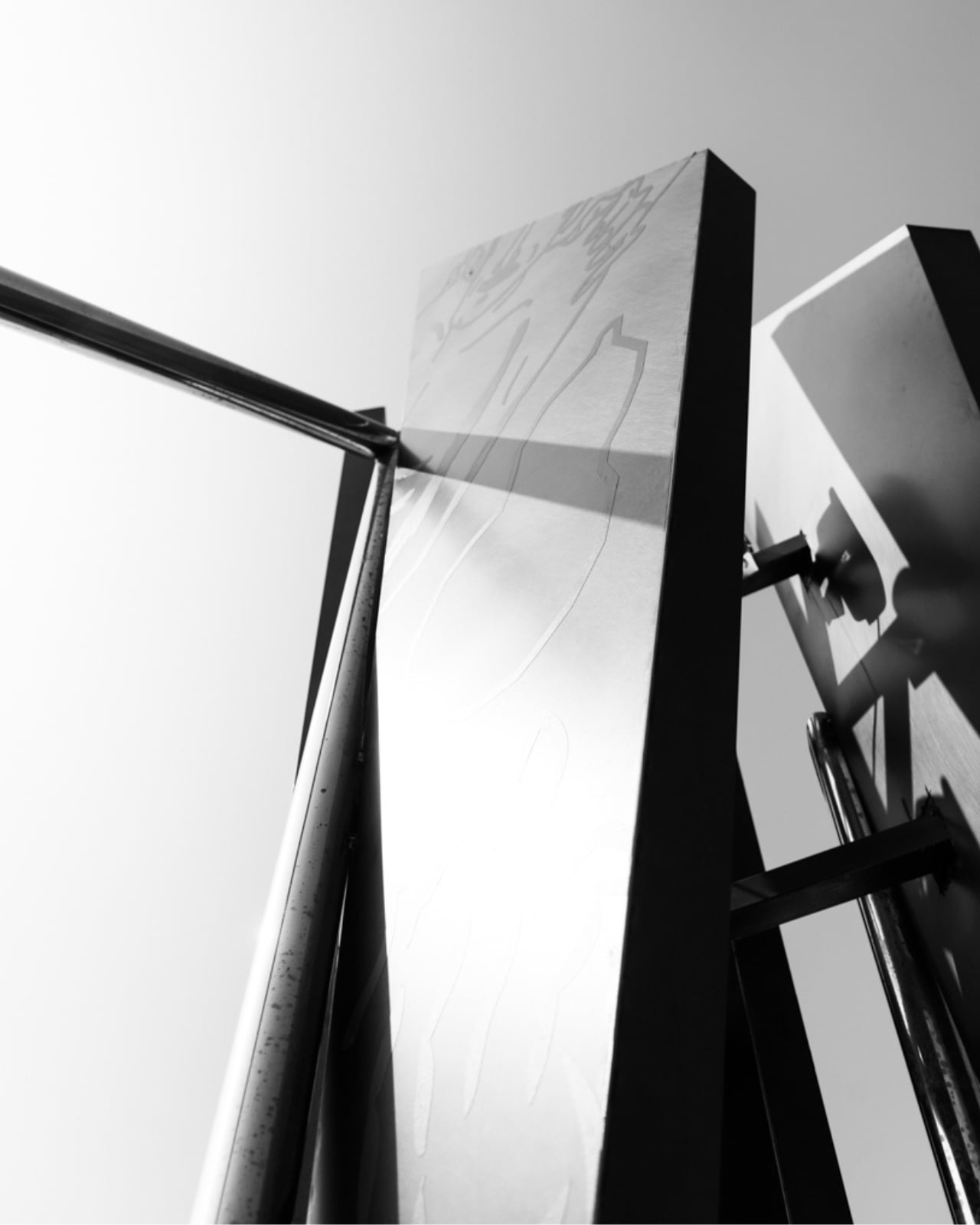
OAS/S-AETHER justifies itself. The way the piece interacts with its natural setting over the course of a single day is genuinely impressive. Sunlight shifts the shadows cast by the metal rods across the sand in slow, changing patterns. At night, the acrylic panels take over, turning the structure into something closer to a lantern than a sculpture. The piece never looks exactly the same twice, which keeps it from becoming the kind of static landmark that gets photographed once and forgotten.
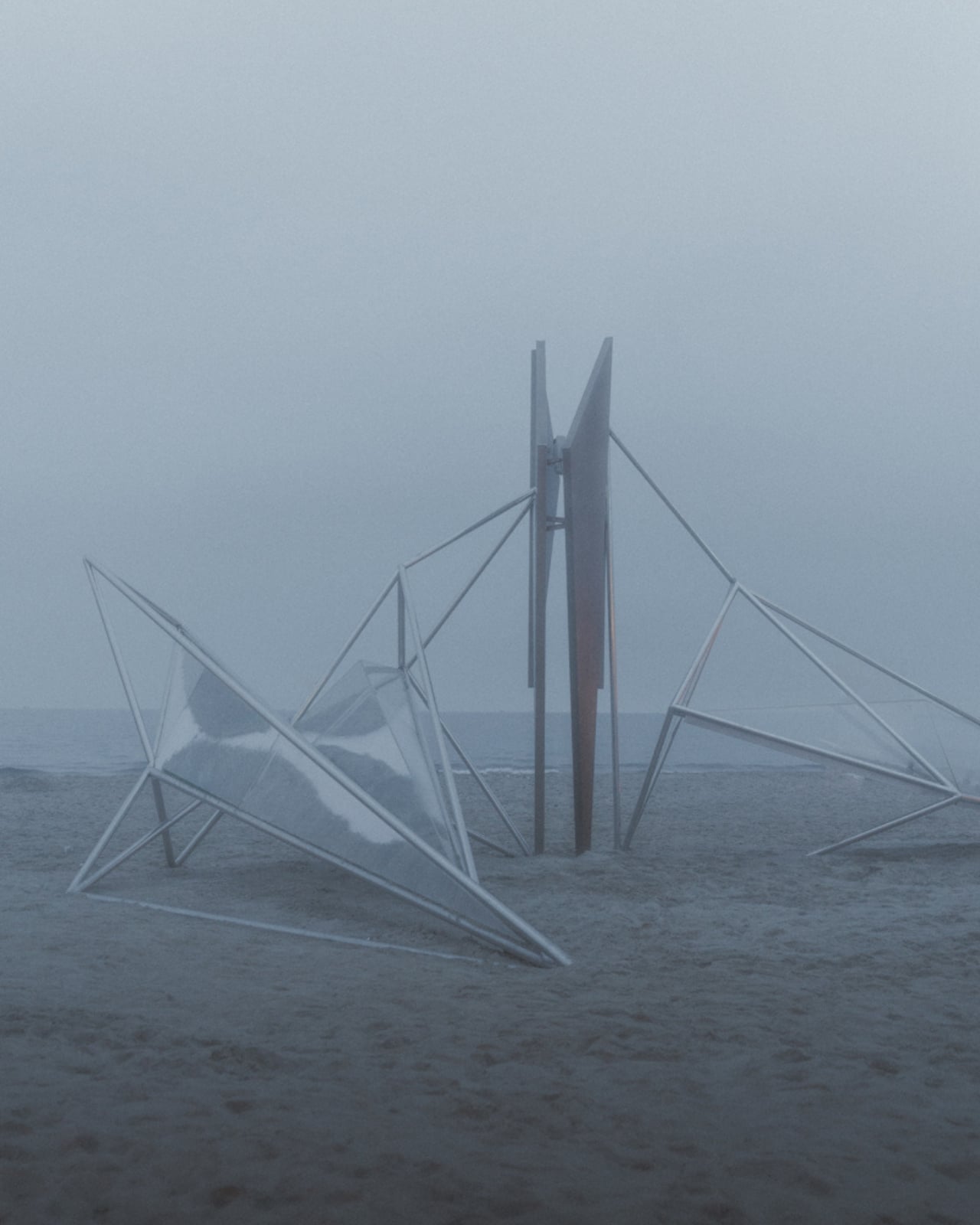
ZDC has been building this design vocabulary for a while now. Their OAS/S series, which also includes OAS/S-NEST in Qinhuangdao and OAS/S-NOMAD in Inner Mongolia, consistently explores what happens when temporary structures are made to feel permanent, and when materials that should clash somehow harmonize instead. AETHER is the most ambitious entry in that series so far, and it shows. There is a quiet confidence to the design that feels earned rather than assumed.
What makes all of this worth discussing beyond the architecture world is the broader question it raises. As public art becomes more globally visible through social media, the pressure on installations to be photogenic often overshadows the pressure to be meaningful. OAS/S-AETHER manages to be both, but the meaning clearly comes first. You can feel the thought behind it before you even see it in full. That is a harder thing to achieve than most people realize, and it is precisely why the work stands out.
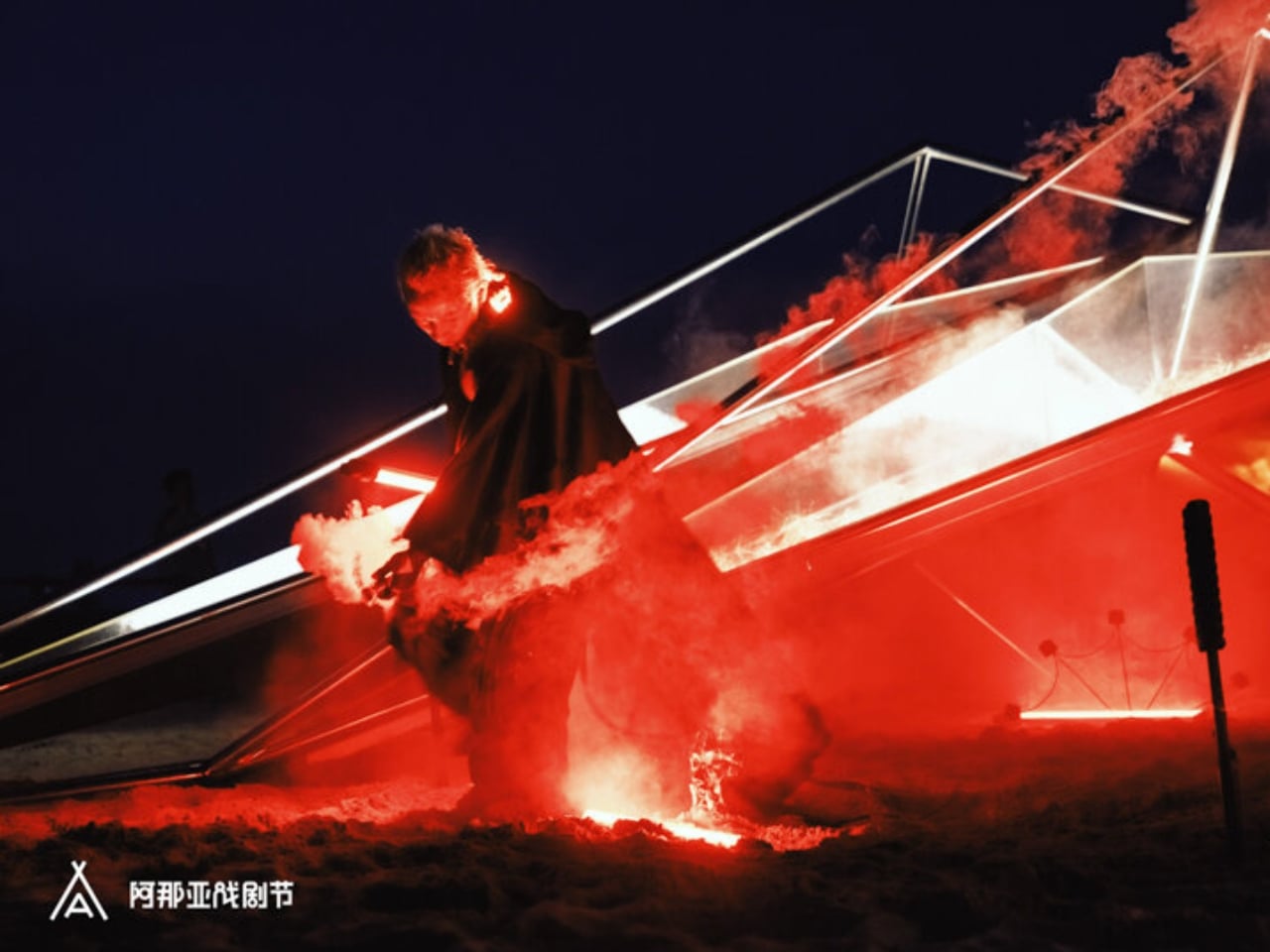
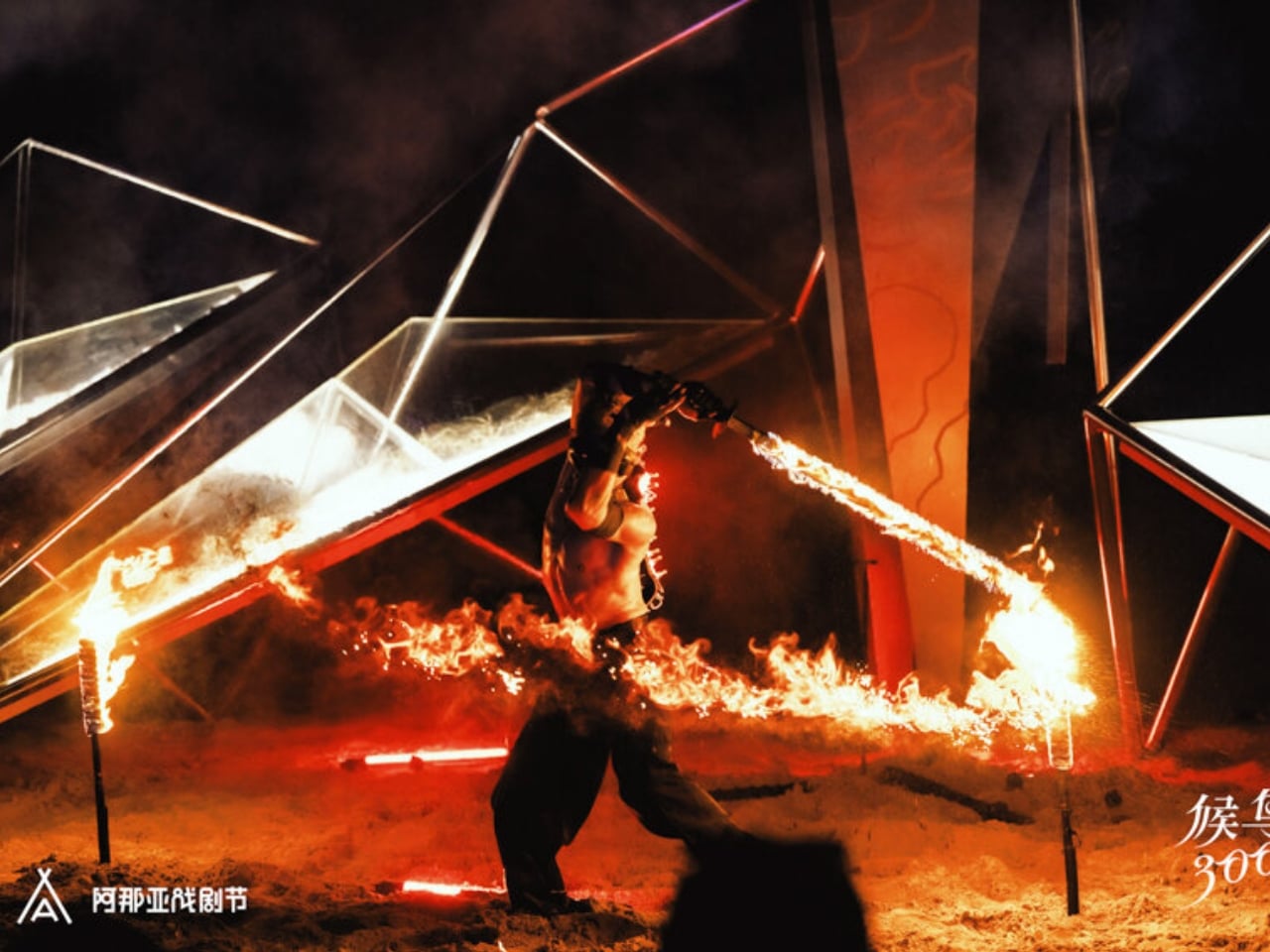
Whether you encounter it in person on that Hebei coastline or through photographs shared online, OAS/S-AETHER leaves an impression that is hard to shake. It asks what it means to exist between worlds, between the man-made and the natural, between the visible and the intangible. Most art asks questions. The best art makes you forget it is asking at all.
The post China’s New Coastal Installation Looks Like It Belongs in Space first appeared on Yanko Design.