
Smartphone makers have been adding AI features for a few years now, and at this point, the marketing language around them has become fairly predictable. A phone summarizes your messages, suggests reply text, cleans up your photos, and maybe transcribes a meeting. These are genuinely useful tools, but they’re still responding to individual requests. The phone doesn’t actually do anything on its own. Someone still has to ask.
The nubia NaviX Ultra is making a more ambitious claim. Unveiled at the World Artificial Intelligence Conference in Shanghai, it’s being positioned as the world’s first AI agent smartphone, and the distinction matters. An AI agent doesn’t just respond to prompts; it operates across apps and services on behalf of the user, handling multi-step tasks without being asked to execute each one individually. Nubia is calling this system-level integration rather than a feature layer.
Designer: nubia
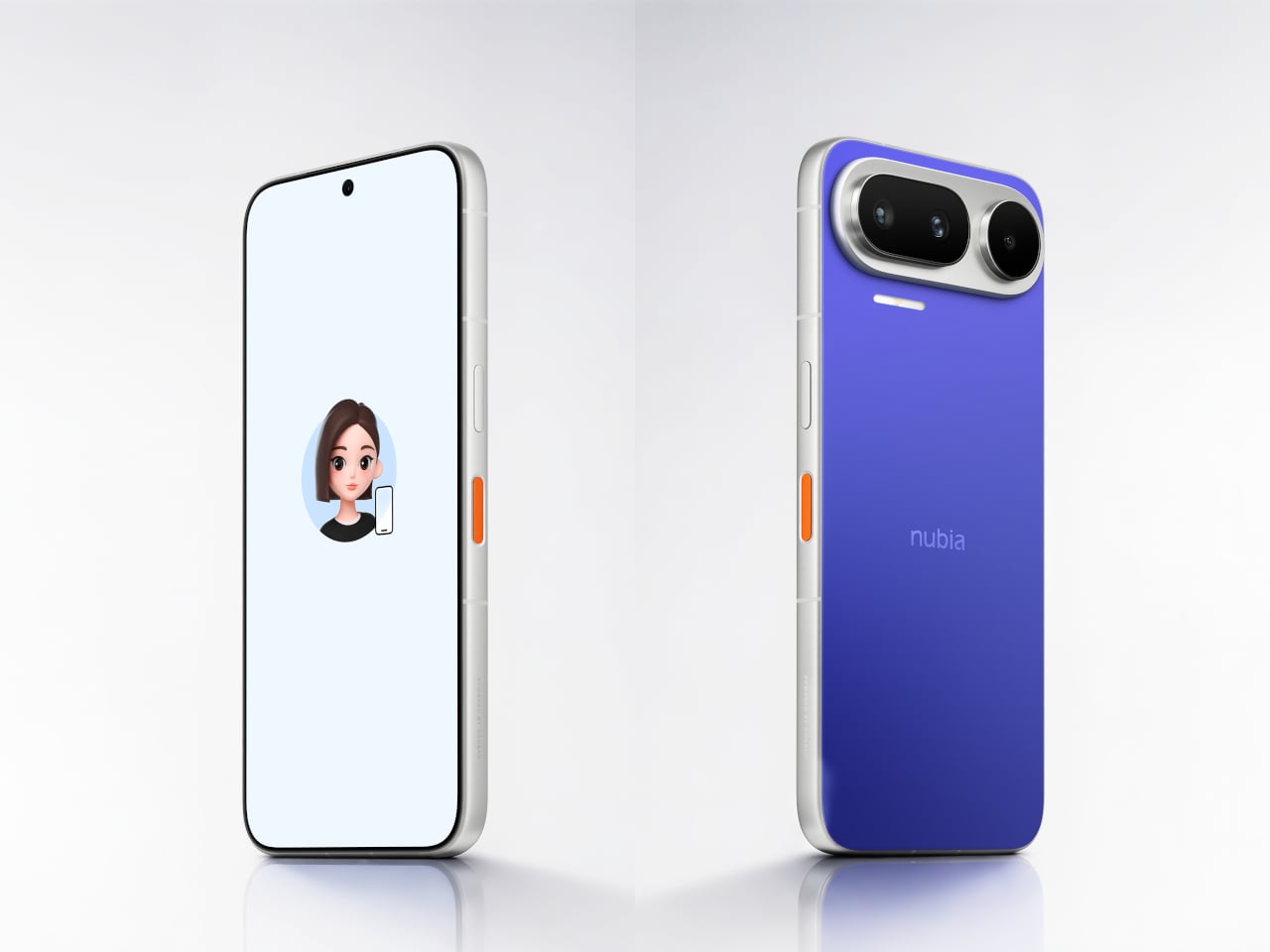
That distinction isn’t entirely hypothetical for nubia. The NaviX Ultra’s predecessor, the nubia M153 with Doubao AI assistant, debuted earlier this year in partnership with ByteDance and sold out its initial 30,000-unit batch on launch day in China. The NaviX Ultra is the commercial follow-up to that limited run, now carrying the Doubao assistant at a system level that nubia describes as enabling autonomous cross-platform operation. The phone also received the 2026 SAIL Award ahead of its unveiling.
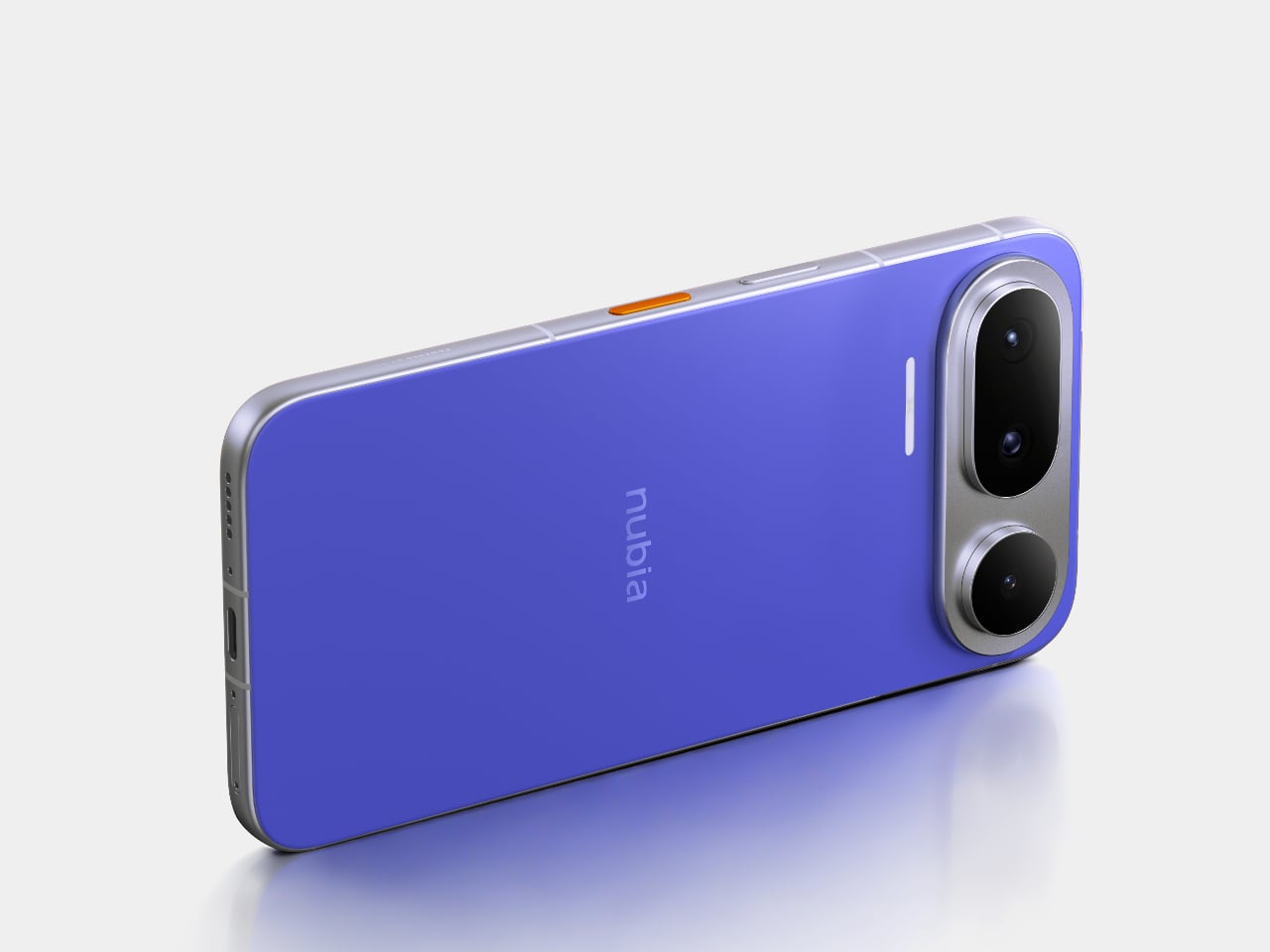
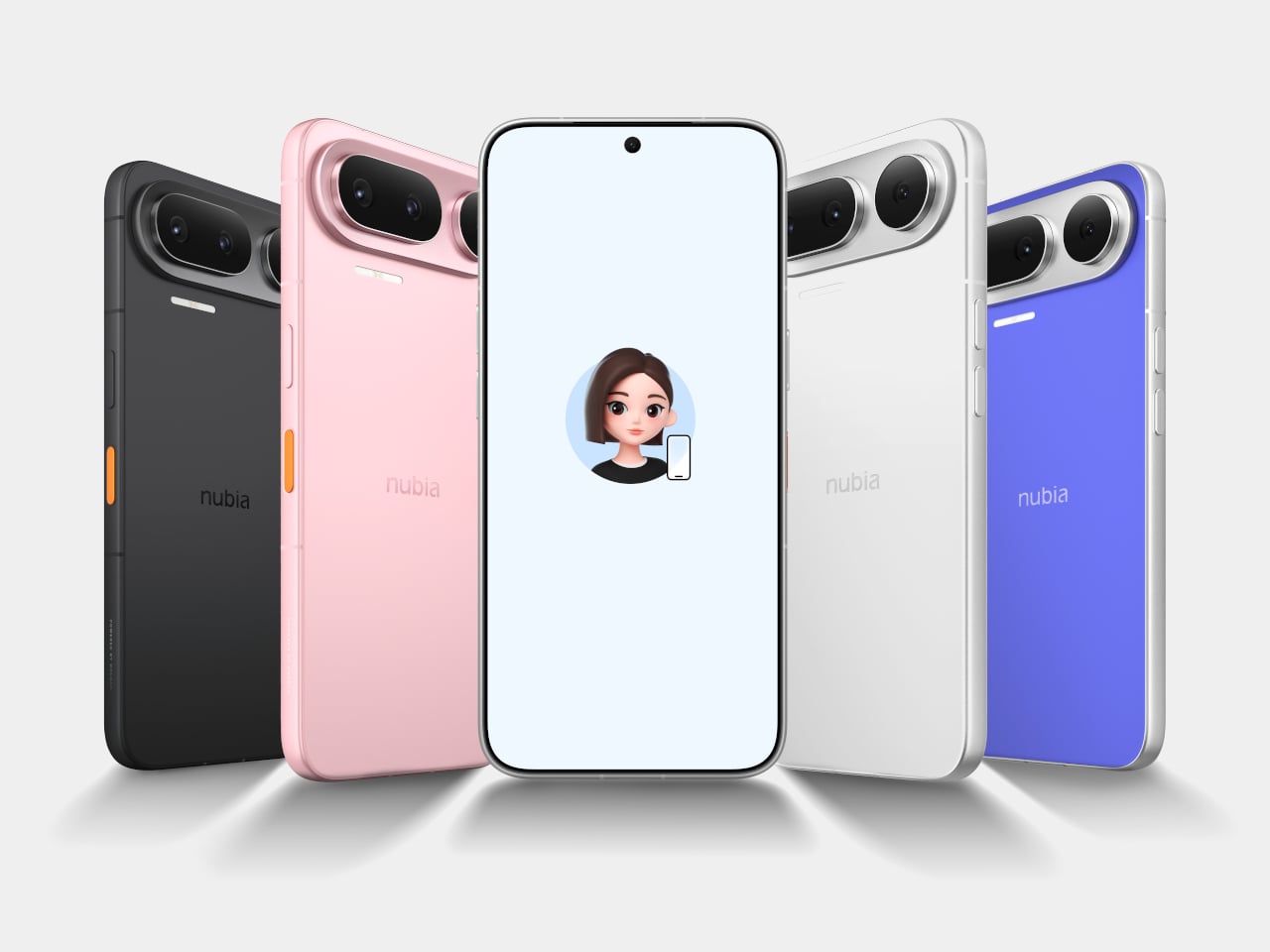
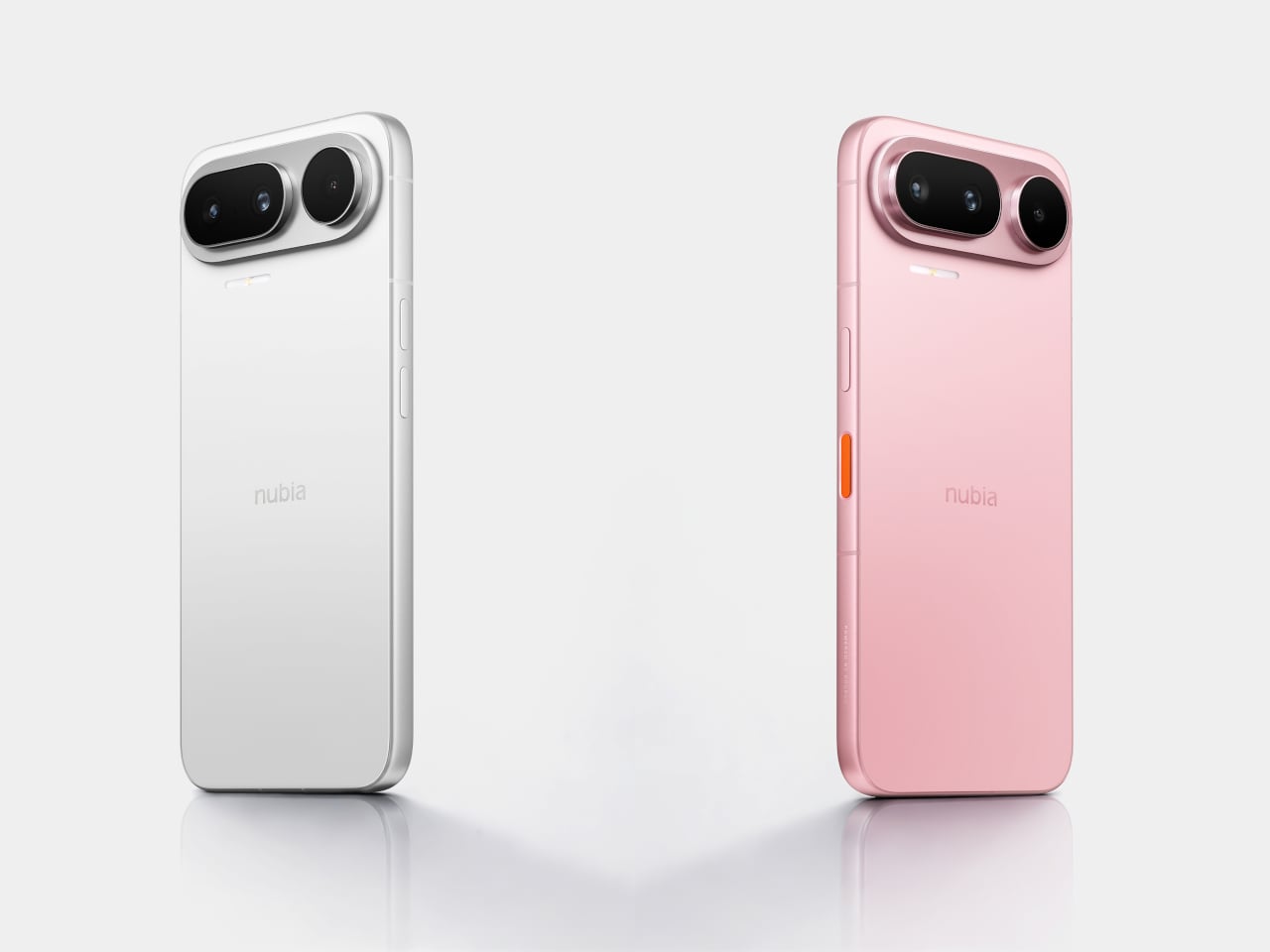
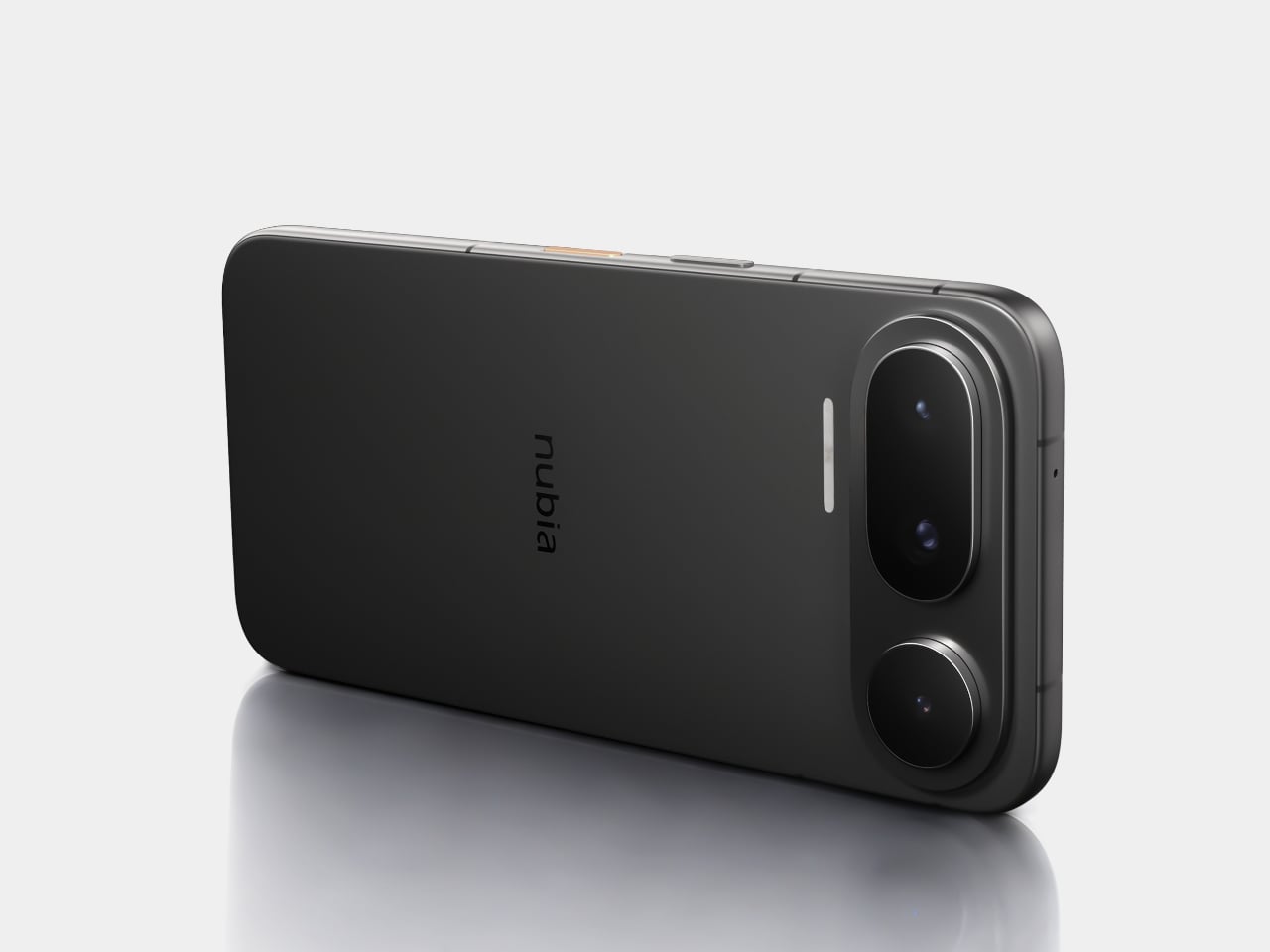
The hardware specifics haven’t been fully confirmed yet. What nubia has revealed ahead of launch is the design: a metal-framed body with exceptionally narrow bezels, a triple rear camera arranged in a horizontal Pixel-style bar, and a dedicated AI button on the frame. The phone comes in four colorways: Blue Horizon, Black, Dreamscape, and White. Whether the internal hardware matches the ambition of the software positioning is still an open question until full specs are released.
What’s interesting about the NaviX Ultra’s framing isn’t just the technical claim. It’s what the AI agent model implies about how people actually use their phones. The friction of switching between apps, re-entering context, and manually chaining tasks together is real, and it’s something that feature-level AI has only partially addressed. A phone that can hold that context across apps and act on it changes the interaction model rather than just adding a new tool to an existing one.
Nubia’s Doubao partnership with ByteDance gives the NaviX Ultra’s AI ambitions a specific cultural and software context. Doubao is one of the most widely used AI assistants in China, which gives this particular agent integration a large user base to learn from. Whether the system-level AI agent lives up to the label is something that will only be testable after the full device is in hand, but nubia is at least asking a more interesting question than most of its competitors have been willing to pose publicly.
The post nubia Just Built the World’s First Phone That Does Things on Its Own first appeared on Yanko Design.