
E Ink phones have spent years selling one idea: a calmer screen, a longer battery, and a slower relationship with your phone. That promise has almost always come with a catch. You’d get the paper-like display but lose the processing power. You’d get the focus-friendly software but sacrifice half the apps you actually need. The category thrived on convincing buyers that every compromise was worth making.
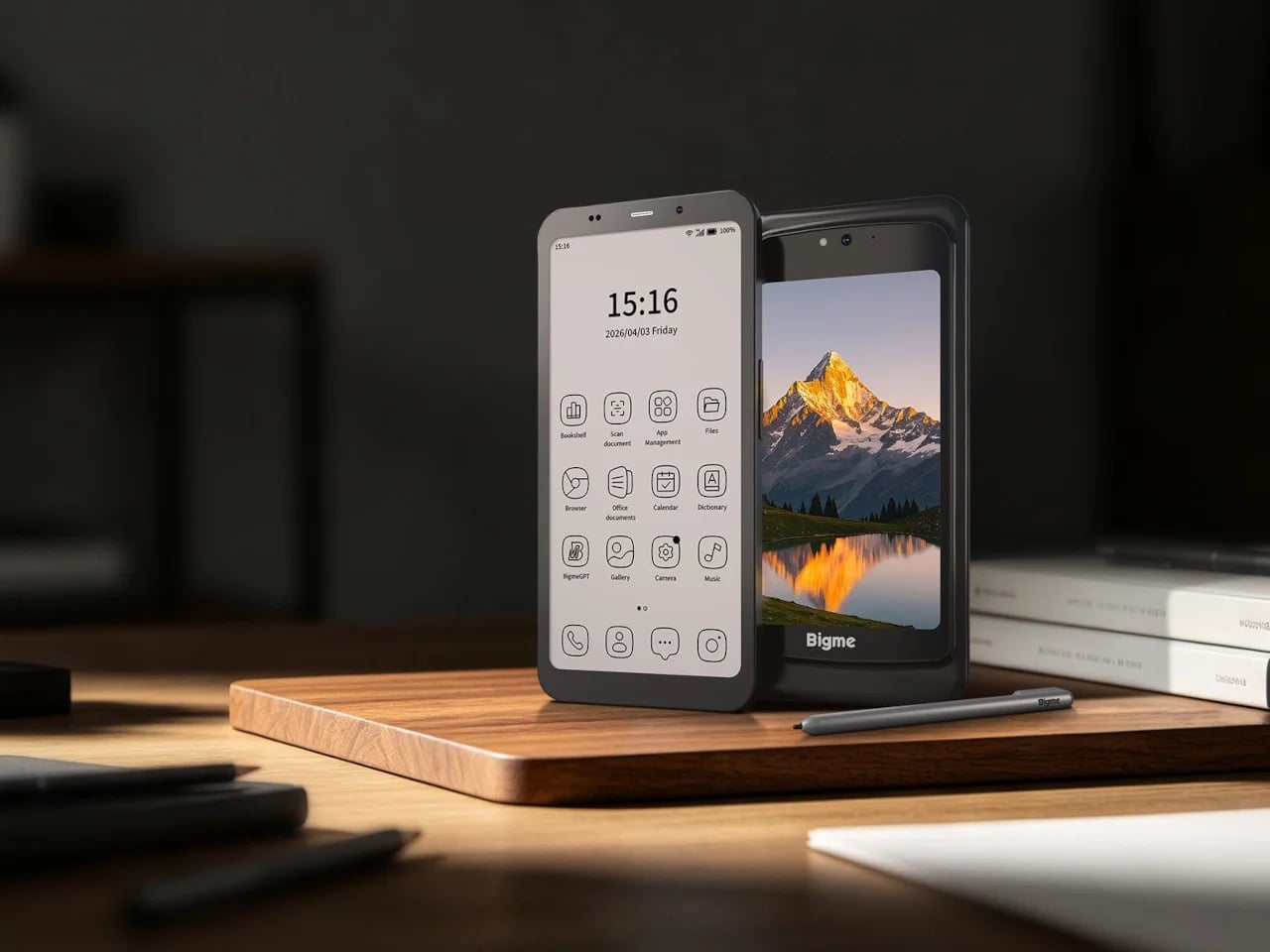
Bigme’s HiBreak Dual 2 doesn’t improve on the E Ink formula. It changes the question entirely. Pairing a 6.13-inch color E Ink front panel with a 5-inch LCD on the back and running Android 16 on a Dimensity 8300 chip, it removes the old forced choice between paper-like calm and normal smartphone capability. That shift forces every rival to explain what they’re still asking you to give up.
Bigme HiBreak Dual 2
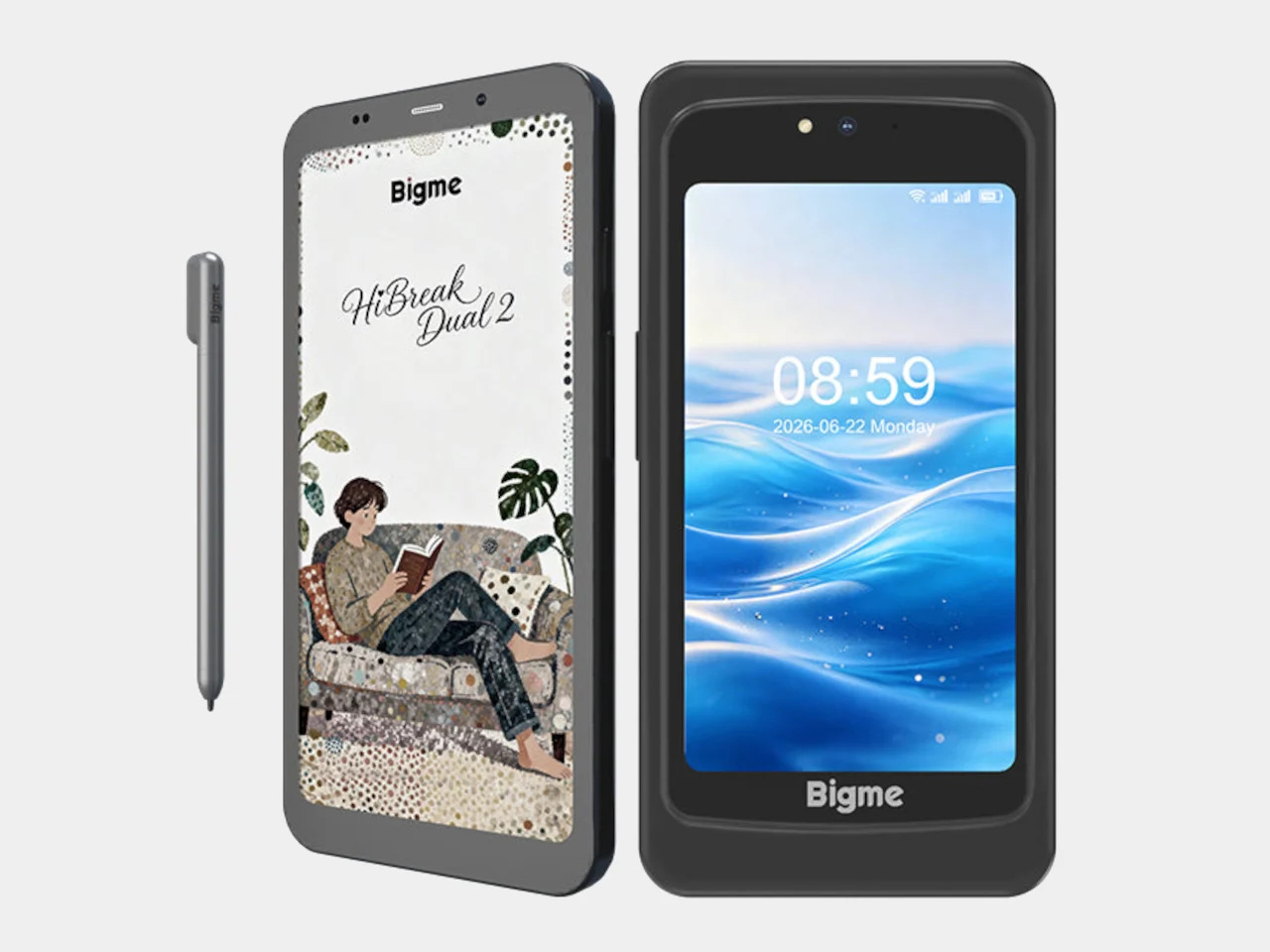

It’s a refreshingly practical premise. When E Ink handles the task, reading, taking notes with the optional stylus, or checking messages, the front panel does the work quietly. When it can’t, the 5-inch LCD on the back handles video calls, maps, or anything that moves too fast for a paper display. You’re not forced to pick a lane. The phone picks it based on what you’re actually doing.
Designer: Bigme
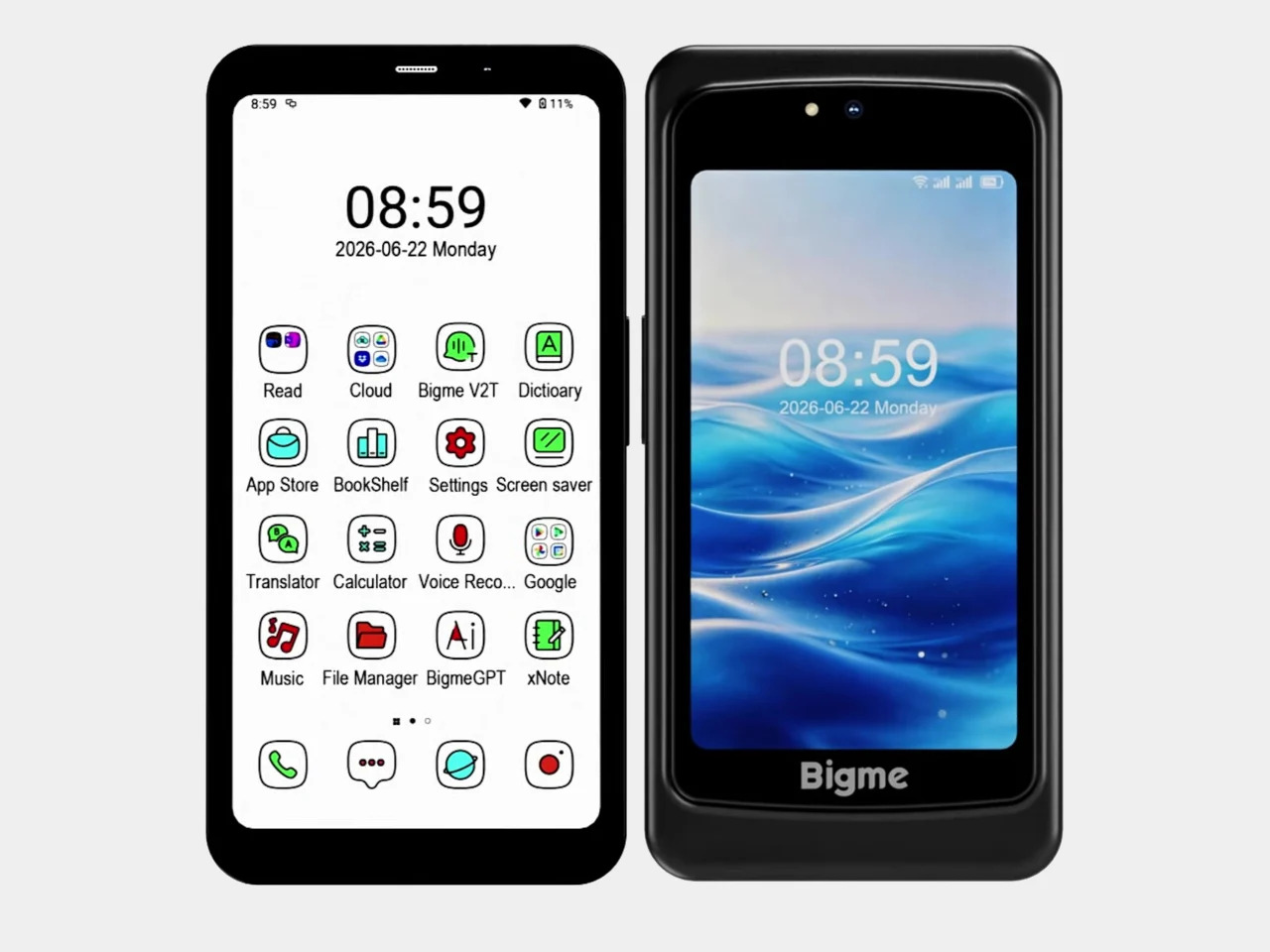
The familiar trade-offs don’t apply anymore. With 12GB of RAM, a 50MP camera, dual SIM 5G, NFC, and Google Play on Android 16, the Dual 2 closes every gap this category used to own. What it still costs is simplicity. A two-screen phone with an optional stylus isn’t a minimalist object, but that’s the honest bargain. The sacrifice shifted from capability to preference, and at $574, that’s an easier trade.
Minimal Phone
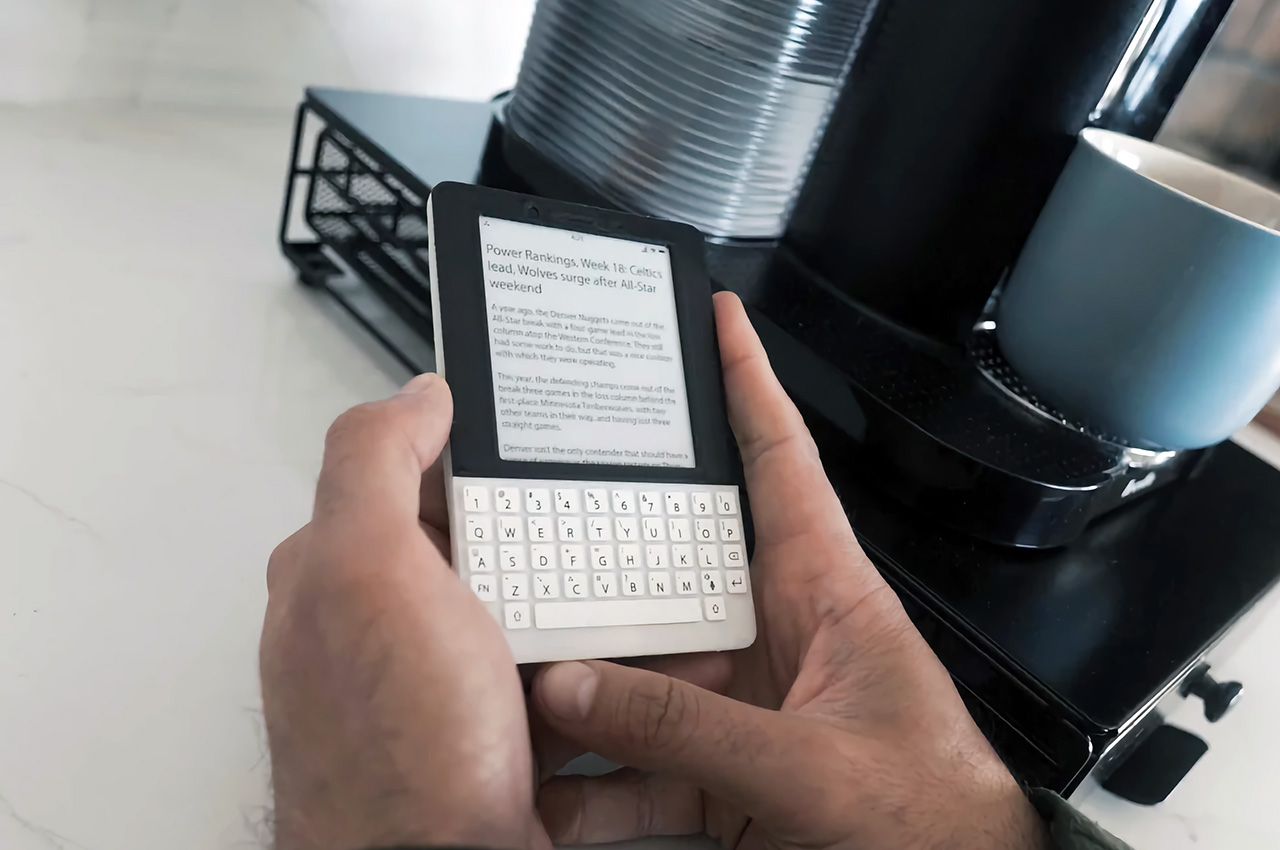
Before the HiBreak Dual 2, the Minimal Phone offered what felt like a reasonable compromise: a full Android 14 experience on a 4.3-inch E Ink touchscreen grounded by a physical QWERTY keyboard. Google Play works out of the box, NFC and wireless charging are onboard, and battery life is strong enough that charging feels less urgent. It starts at $499 for 6GB of RAM and 128GB of storage.
Designer: Minimal
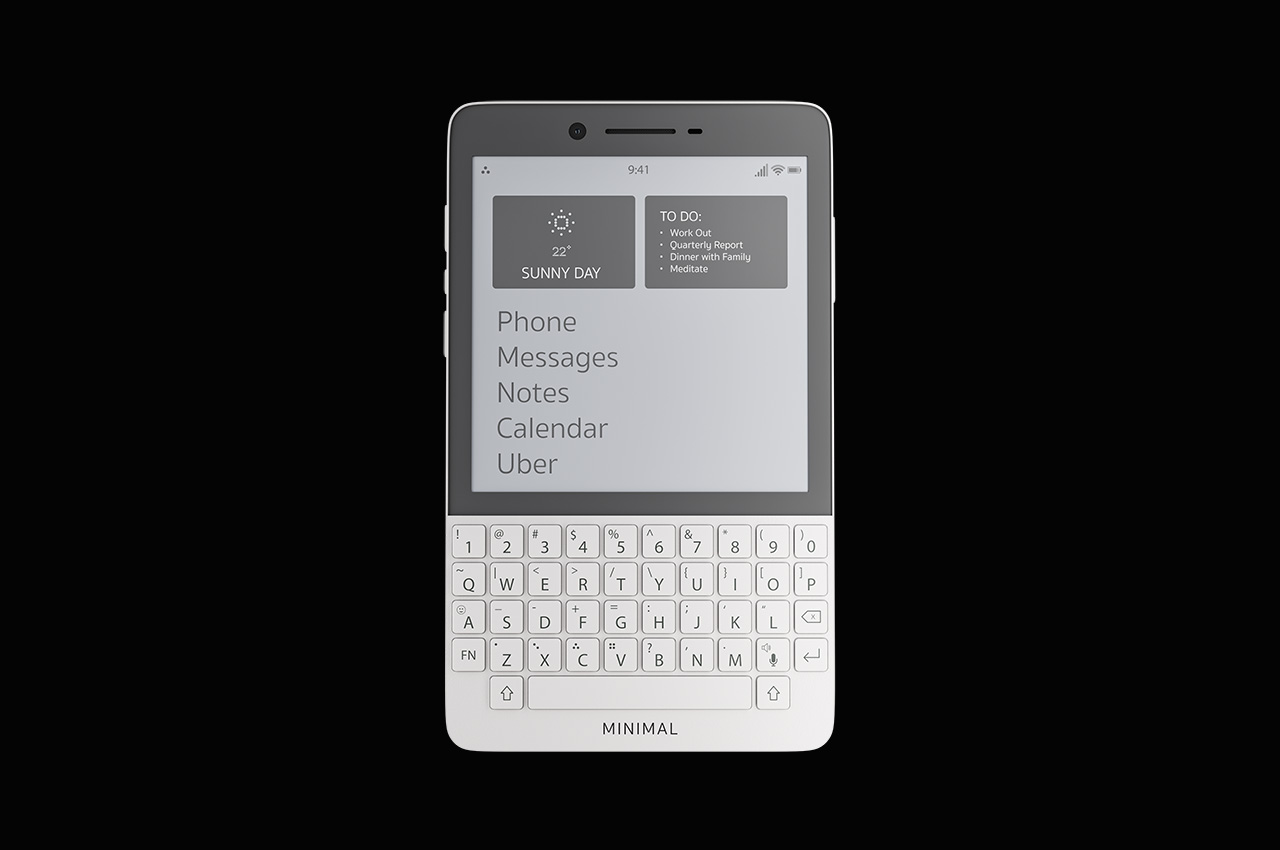
The keyboard is the whole identity, and that’s either the appeal or the limitation, depending on who you are. If you prefer typing with actual resistance, this phone still makes a strong case. But after Bigme, the keyboard has to work harder as a justification. It’s no longer the pragmatic path through the category. It’s a deliberate preference, which means it now belongs to a more specific kind of buyer.
Mudita Kompakt
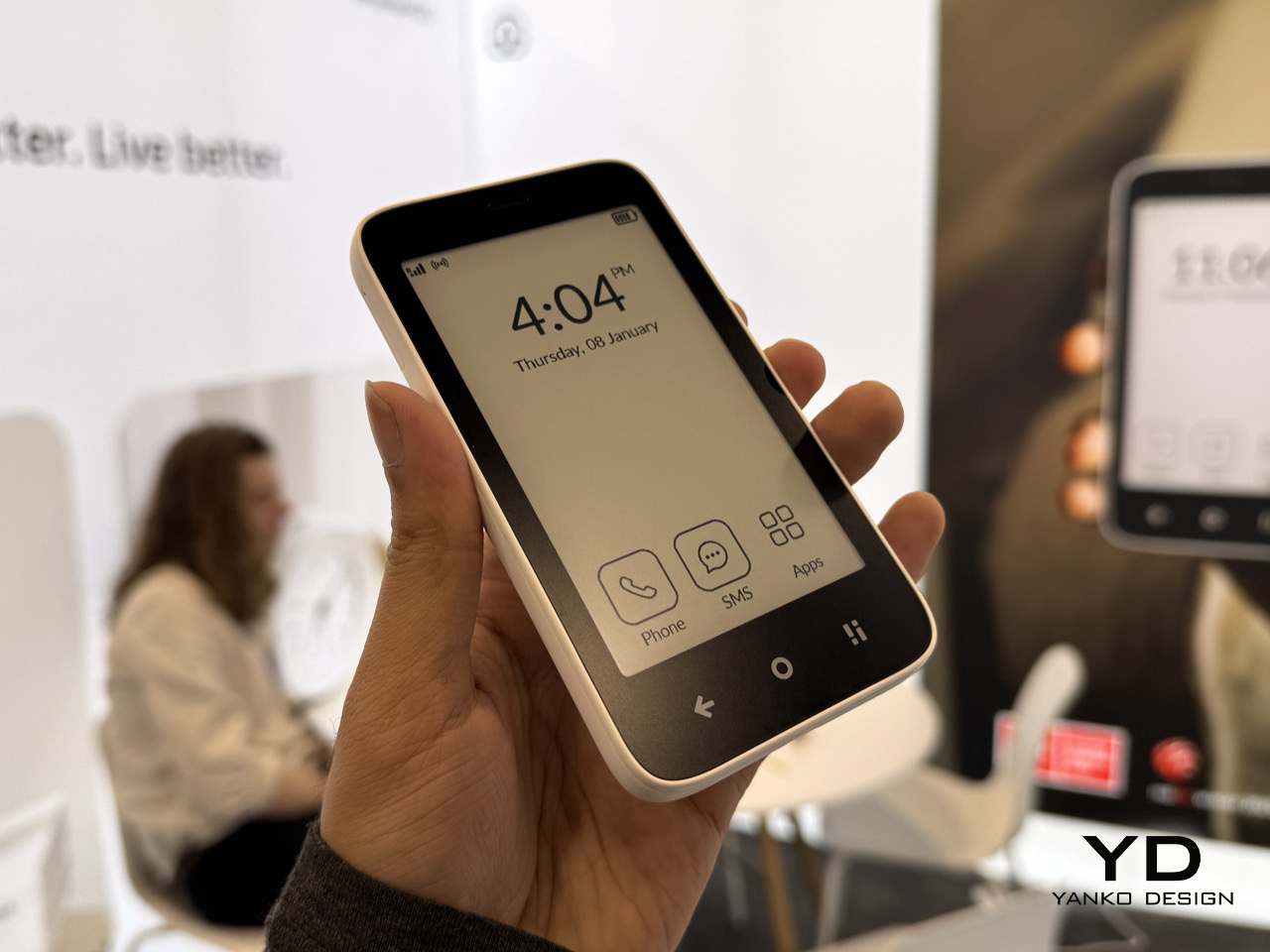
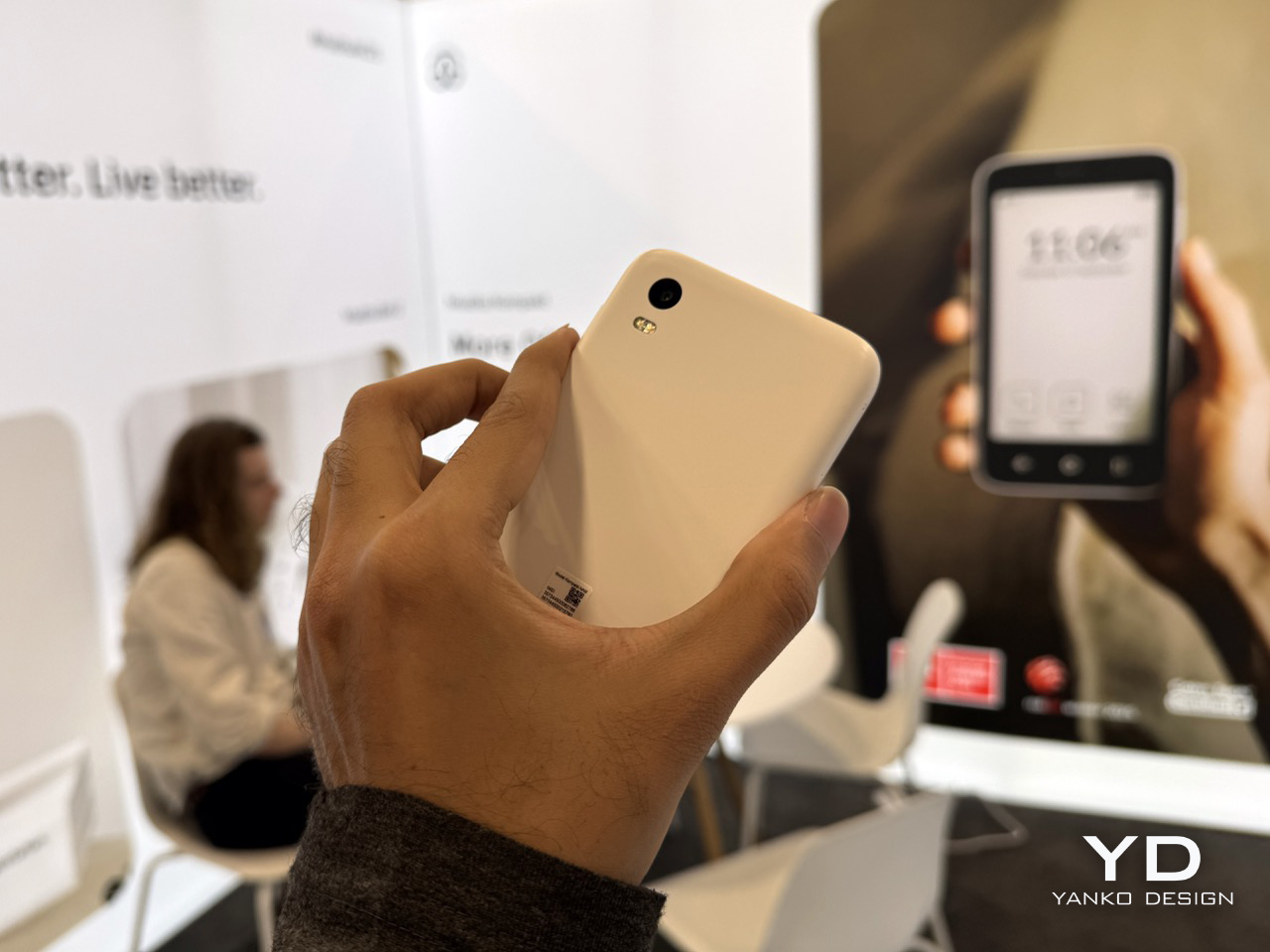
The Mudita Kompakt doesn’t compete on specs and isn’t trying to. It runs a custom OS stripped down to calls, texts, offline maps, music, and not much else. There’s no app store, no browser built for scrolling, just a 4.3-inch E Ink display, a 3,300 mAh battery with up to six days of life, and a phone that genuinely expects to be set down often. It’s available for $399.
Designer: Mudita
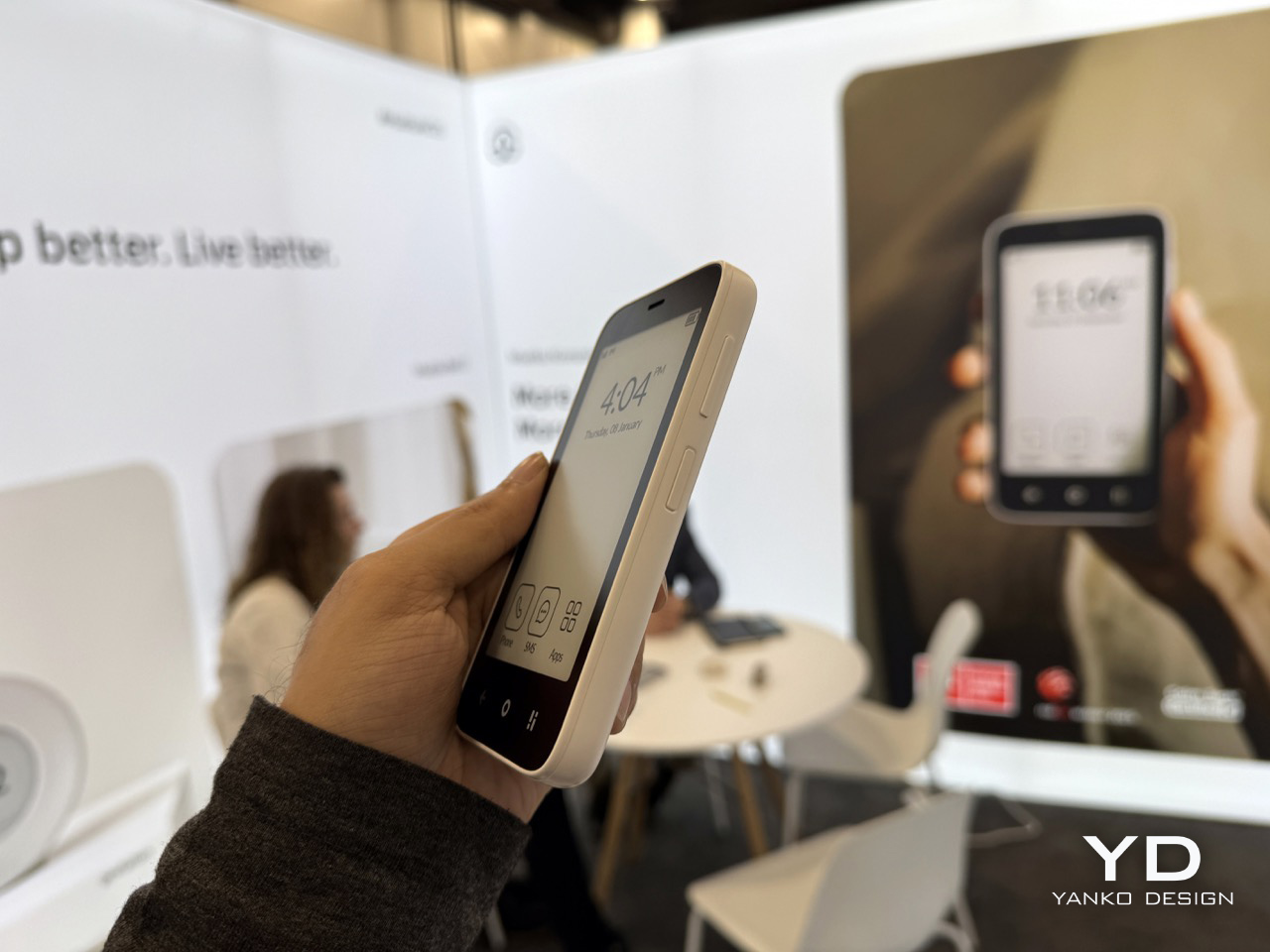
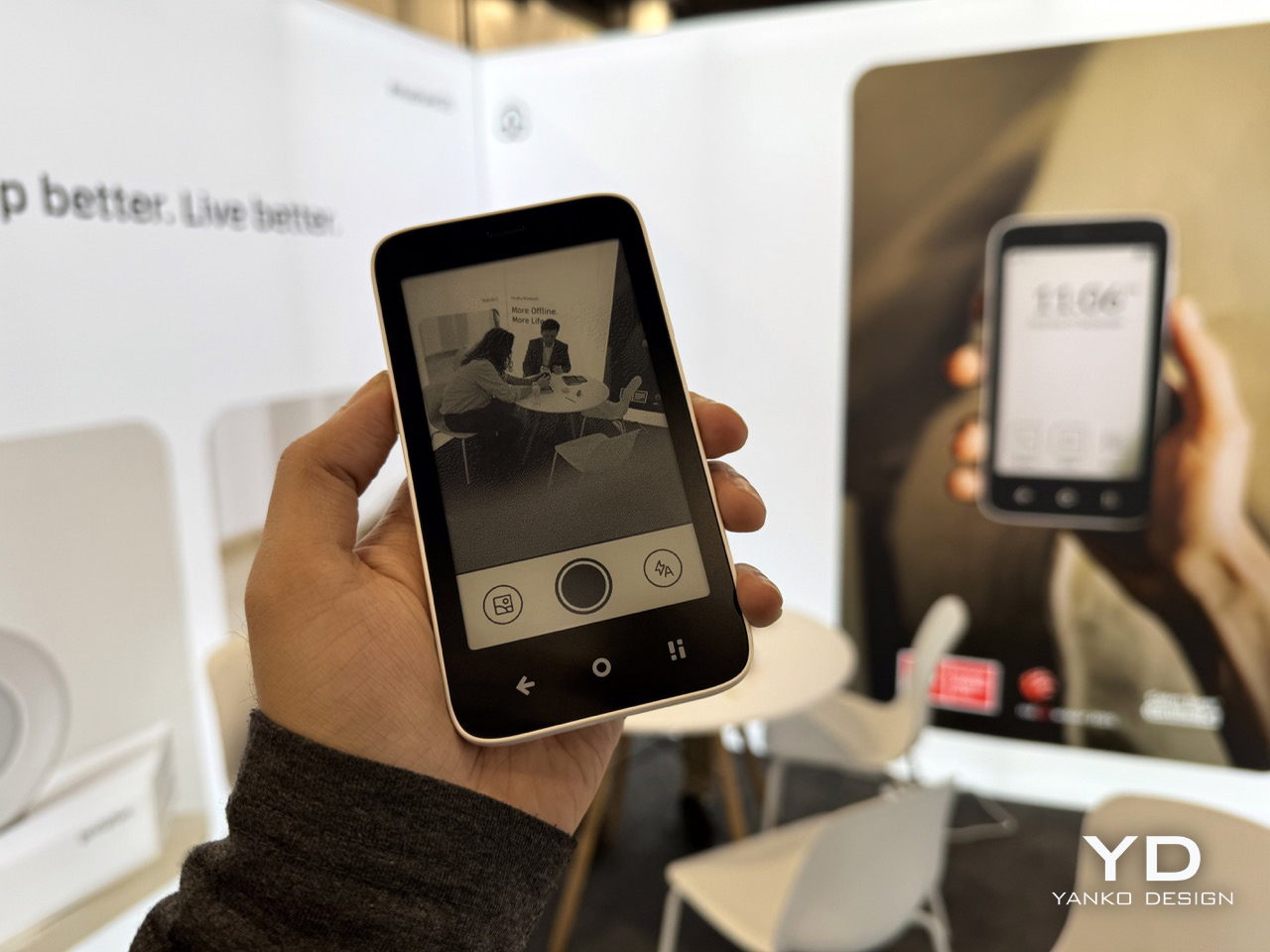
What Mudita charges you is breadth. The Offline+ Mode disables every signal at once, including GSM, Wi-Fi, Bluetooth, camera, and microphone, which sounds drastic until you realize that’s exactly the point. The trade-off goes beyond app access. It’s the assumption that a phone should keep expanding. For anyone exhausted by that expectation, the Kompakt feels less like a device with missing features and more like one that refused them deliberately.
Light Phone III
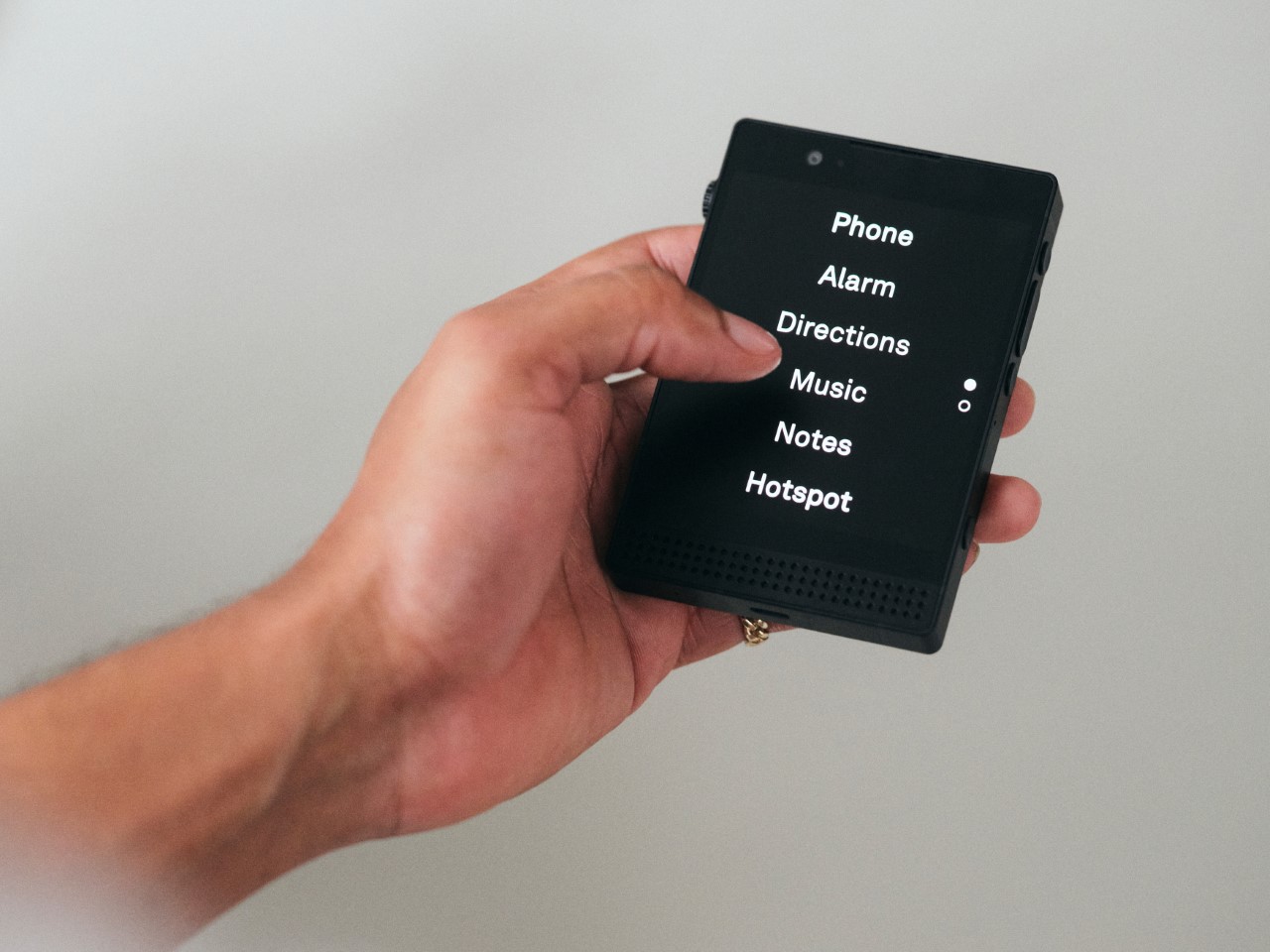
The Light Phone III is the most philosophically clear product here, and the only one without E Ink. It runs a 3.2-inch OLED in grayscale, no app store, no browser, and a proprietary OS with a short, curated list of tools. What it does carry is 5G, NFC, and the kind of calm that comes from removing things rather than restraining them. At $799, it’s priced like a considered commitment.
Designer: Light
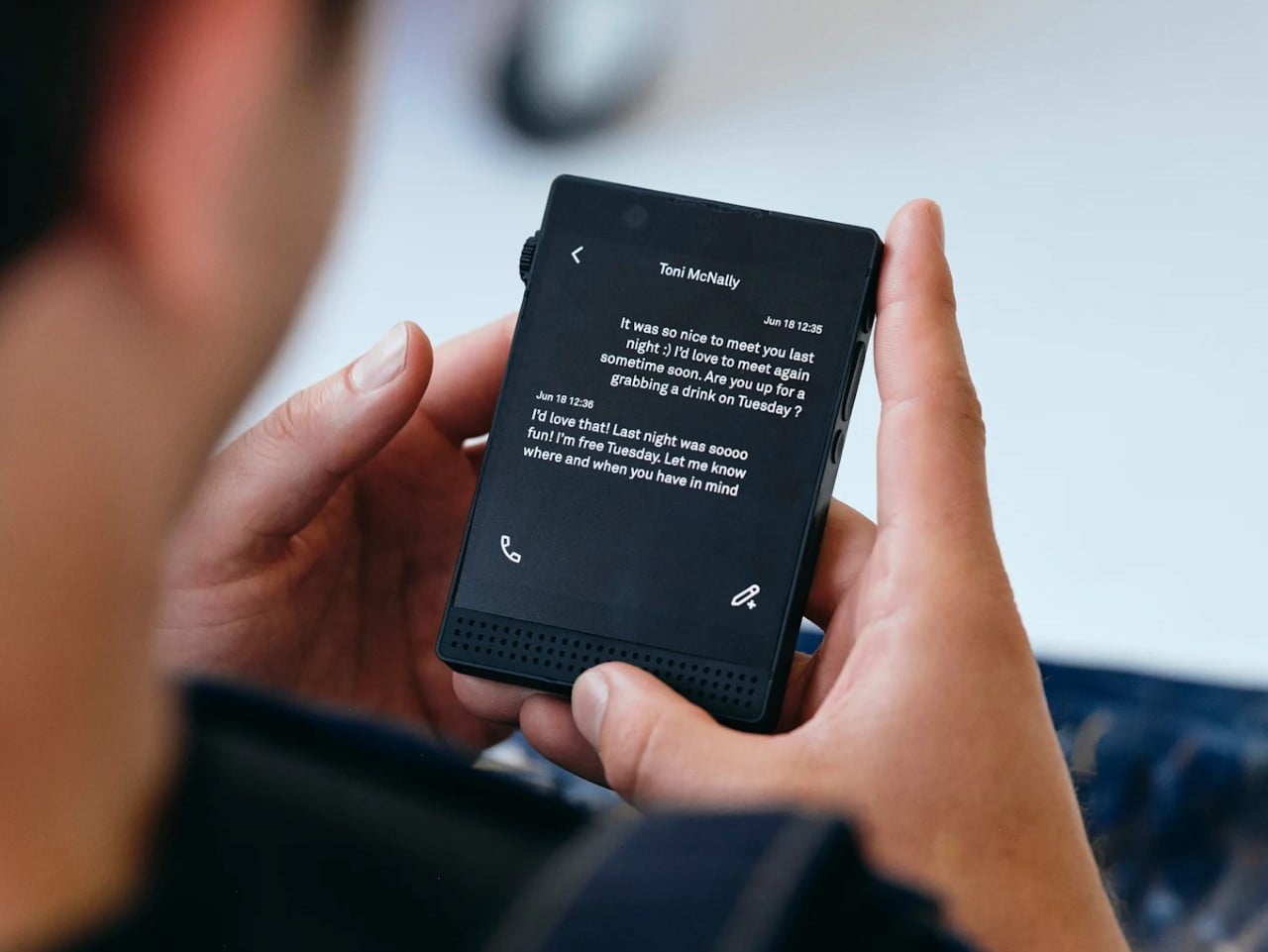
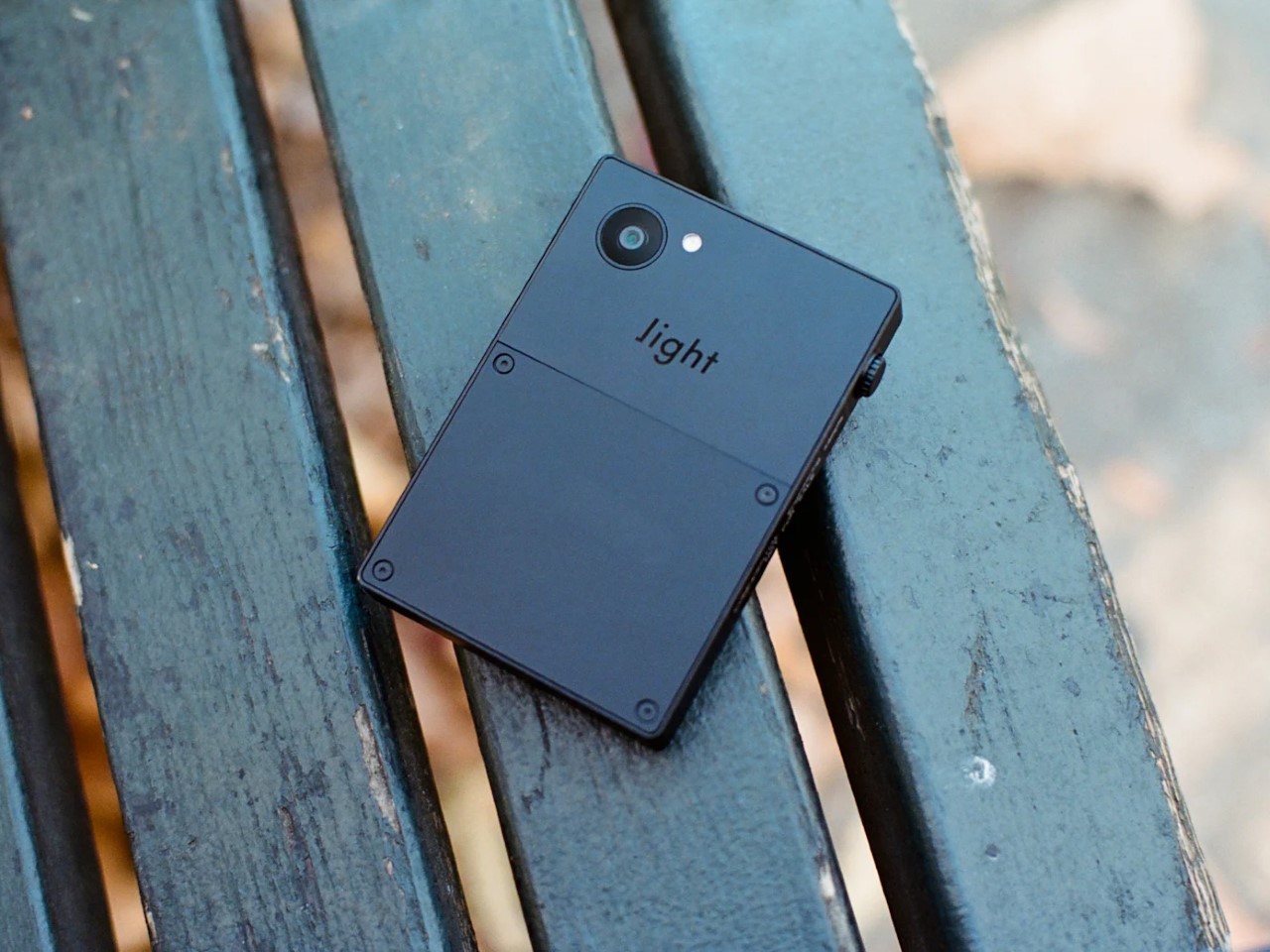
That clarity is also its challenge. After Bigme, the Light Phone III’s restrictions no longer read as a necessary cost of the category. They read as a position statement. You’re not settling for less because less is all that exists. You’re paying more for less because you’ve decided that’s the better way to live. That’s a meaningful shift, and it makes the Light Phone III a conviction purchase, nothing more.
BOOX Palma 2 Pro
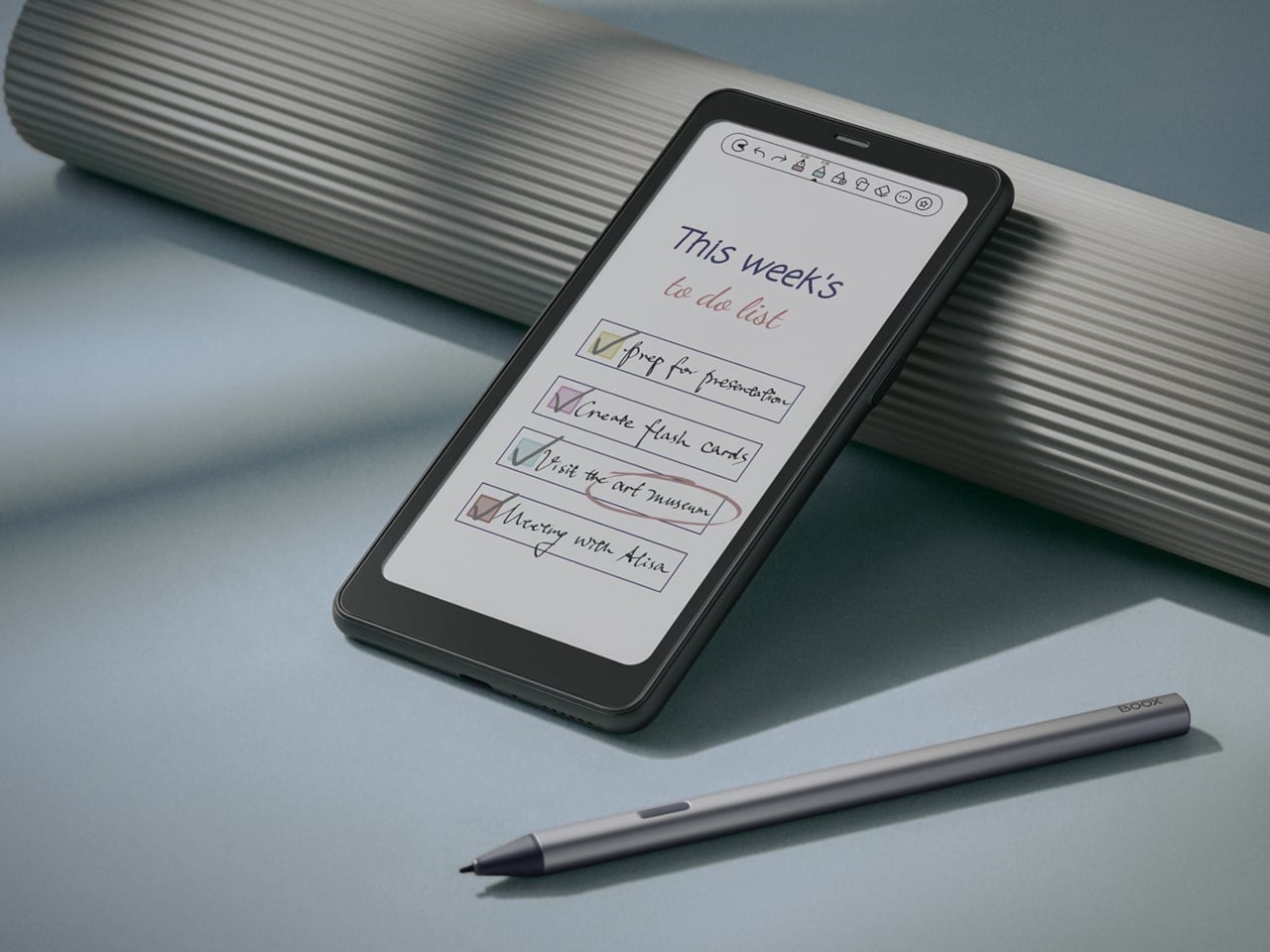
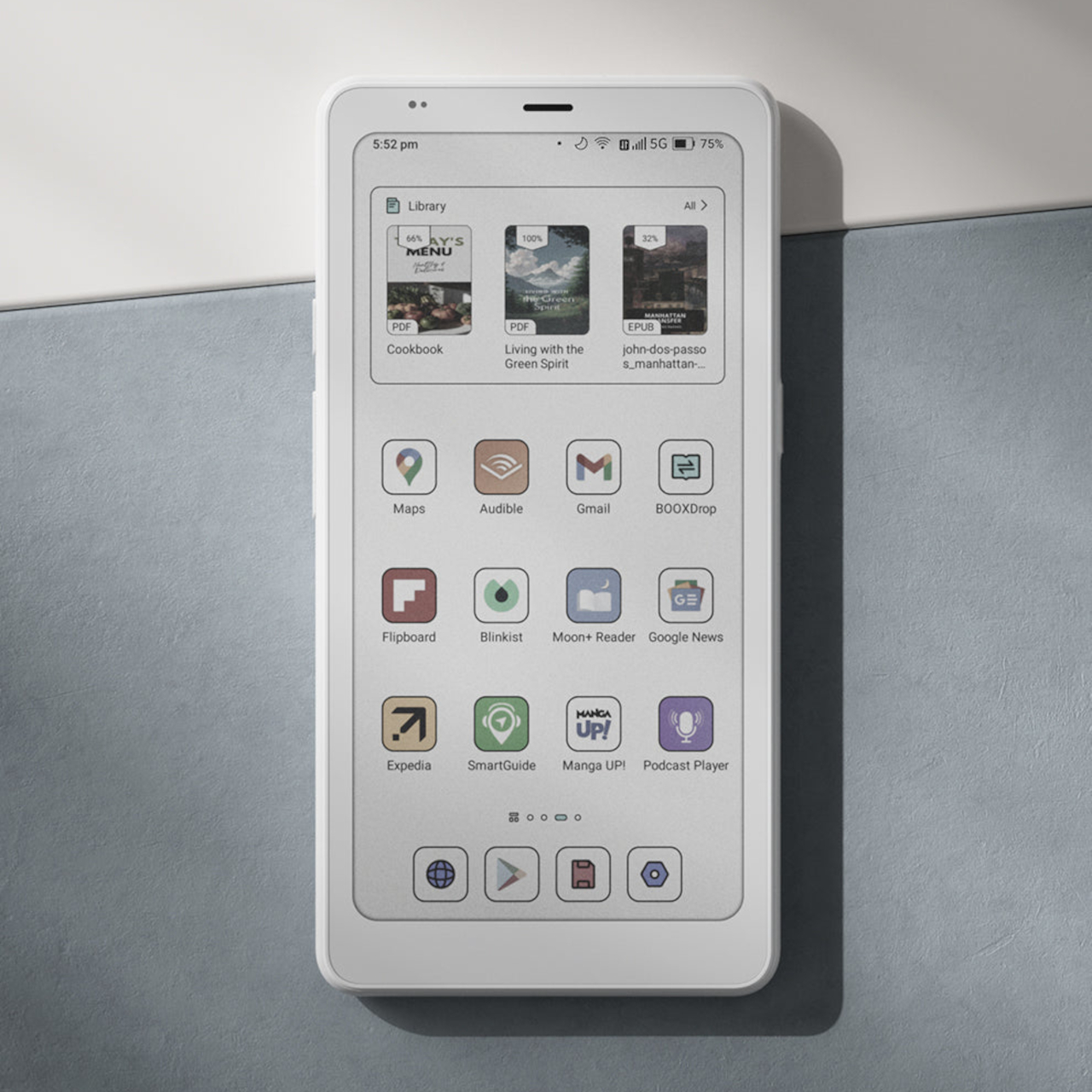
The BOOX Palma 2 Pro sits in its own corner of this category. It’s a 6.13-inch Kaleido 3 color E Ink device running Android 15 with full Google Play access and 8GB of RAM. A hybrid SIM provides 5G data, so you can run messaging apps, make VoIP calls, and browse freely. Native cellular calls and SMS aren’t officially supported, though some users have found workarounds that get reasonably close.
Designer: BOOX
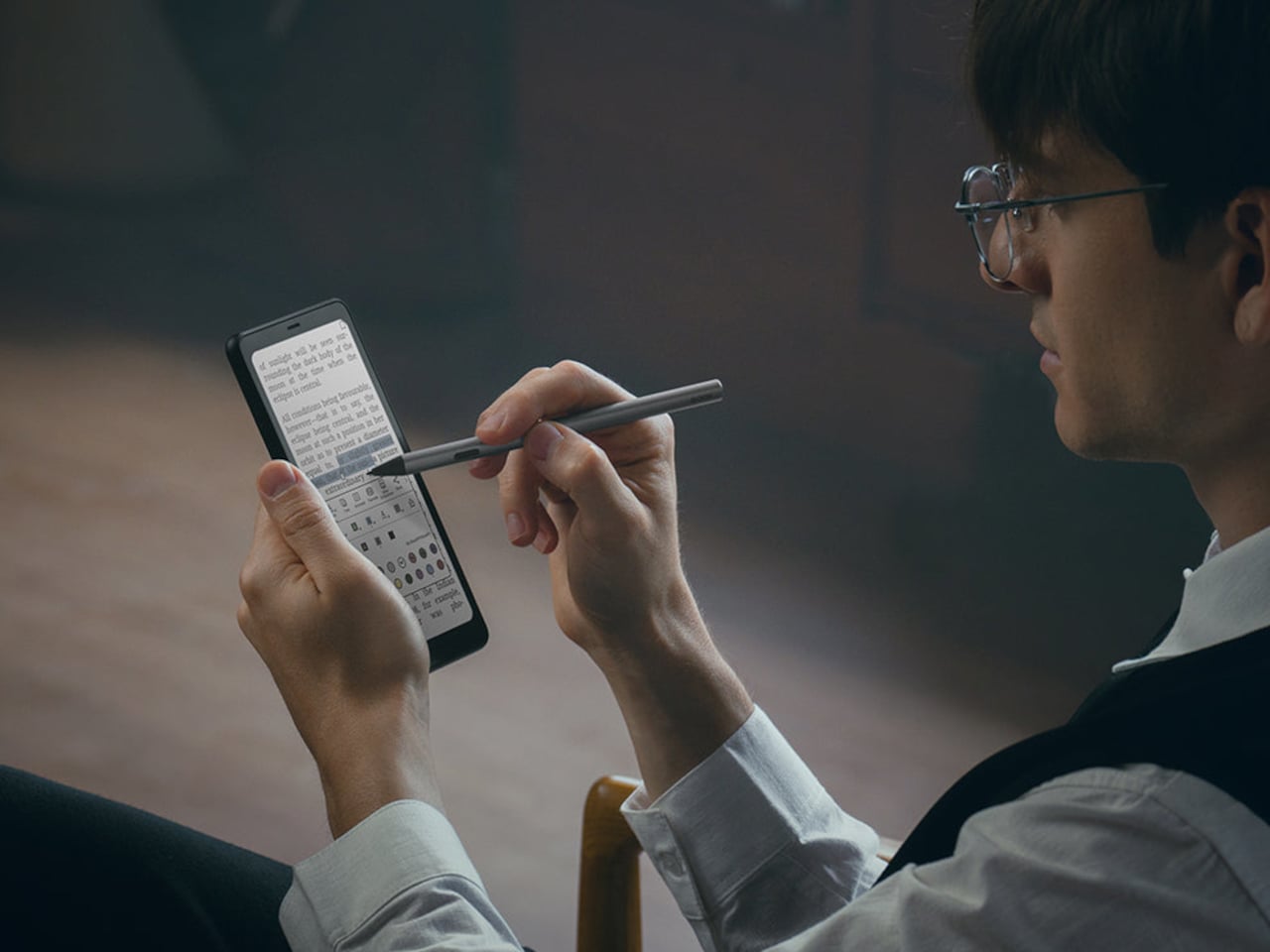
Phone legitimacy is the sacrifice here, which is a harder ask than anything else on this list. But the Palma 2 Pro delivers the best E Ink reading experience in a pocketable form right now. If your communication needs fit through apps like WhatsApp or Google Voice, and you’ve always wanted a reading device that travels independently, it’s a compelling choice at $399 that doesn’t fit any category neatly.
The post 5 E Ink Phones in 2026 Ranked by What They Still Ask You to Give Up first appeared on Yanko Design.