
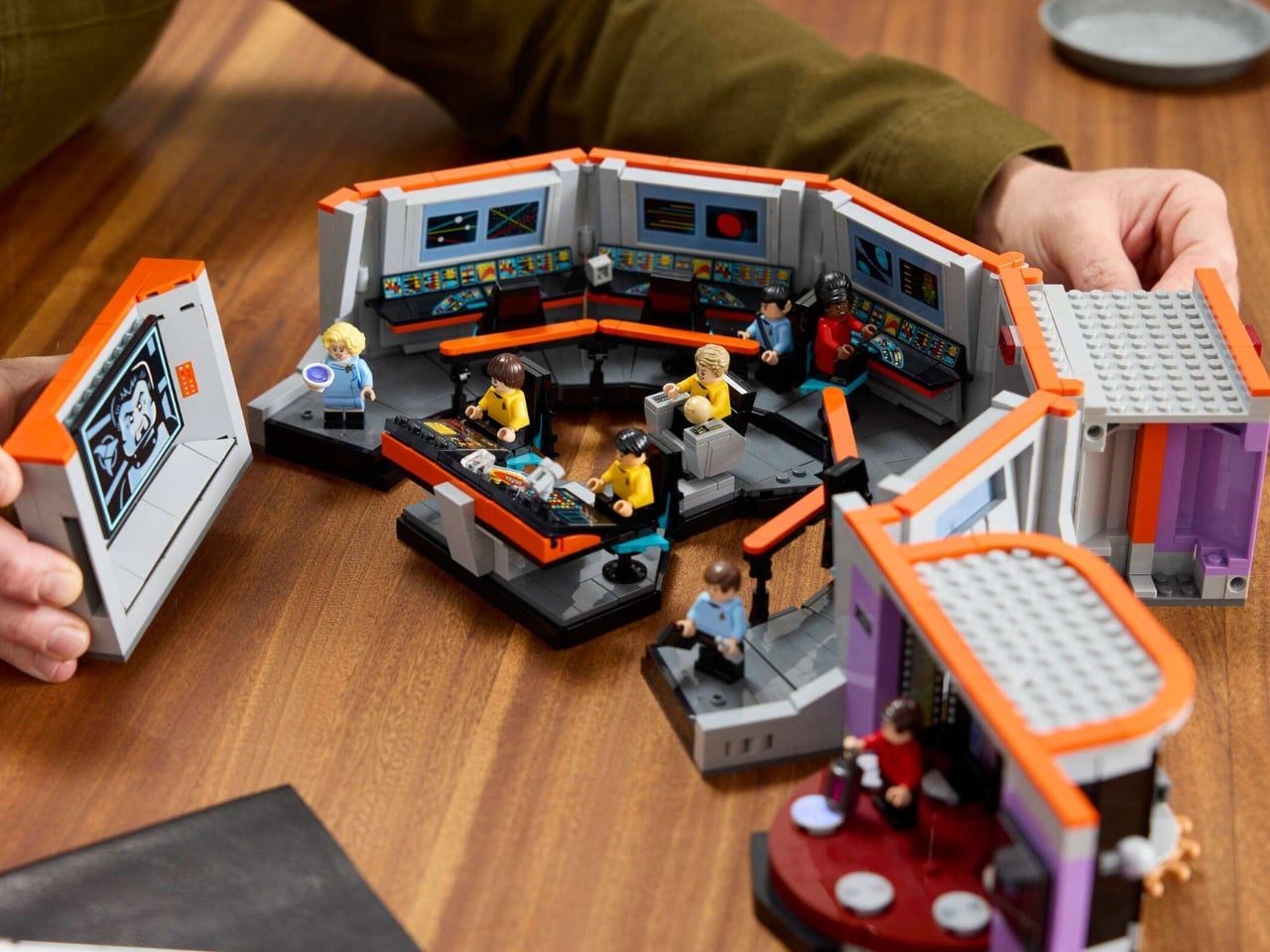
The moment LEGO dropped its first Star Trek set last year, fans knew the brand was going deeper. The NCC-1701-D from The Next Generation was a gorgeous, sweeping display piece, the kind you put on a shelf and let dominate a room. But a significant portion of the fanbase was still holding out for the original. Kirk’s ship. Spock’s ship. The one that launched the whole franchise in 1966 and spent decades earning its place in the cultural canon. That wait is officially over.
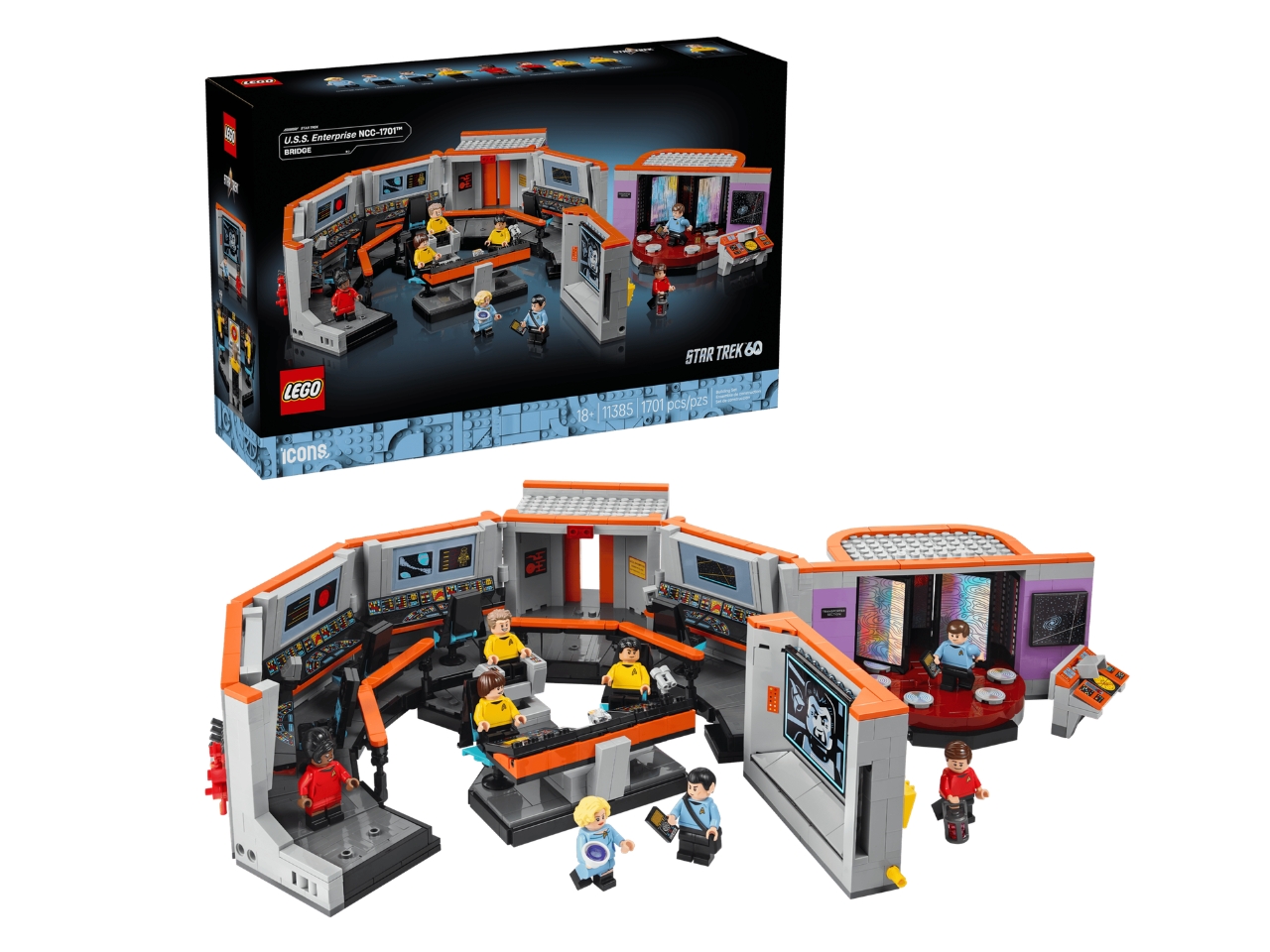
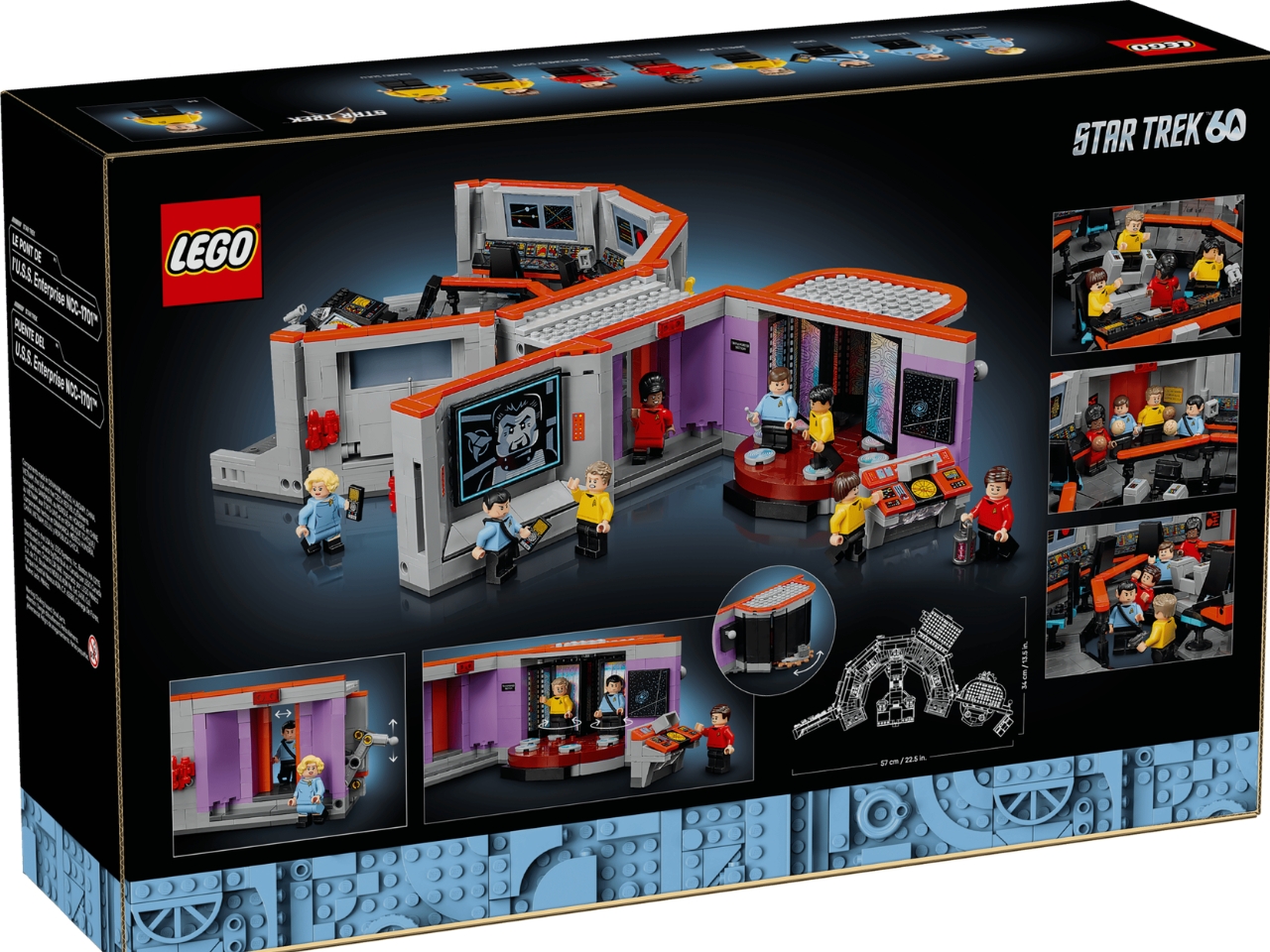
LEGO’s second Star Trek set is the U.S.S. Enterprise NCC-1701 Bridge (set 11385), a 1,701-piece recreation of two of the original series’ most recognizable spaces: the bridge and the transporter room. The piece count is absolutely not a coincidence. It’s a deliberate nod to the ship’s registry number, NCC-1701, and it’s the kind of design decision that signals this set was built for people who actually love the source material, not just casual shoppers looking for a pop culture novelty. The set retails for $199.99 and goes on sale September 1, 2026, landing squarely within Star Trek’s 60th anniversary celebrations. Pre-orders opened July 23, and given how quickly the first LEGO Star Trek set moved out of stock, sitting on this one feels like taking an unnecessary gamble.
Designer: LEGO
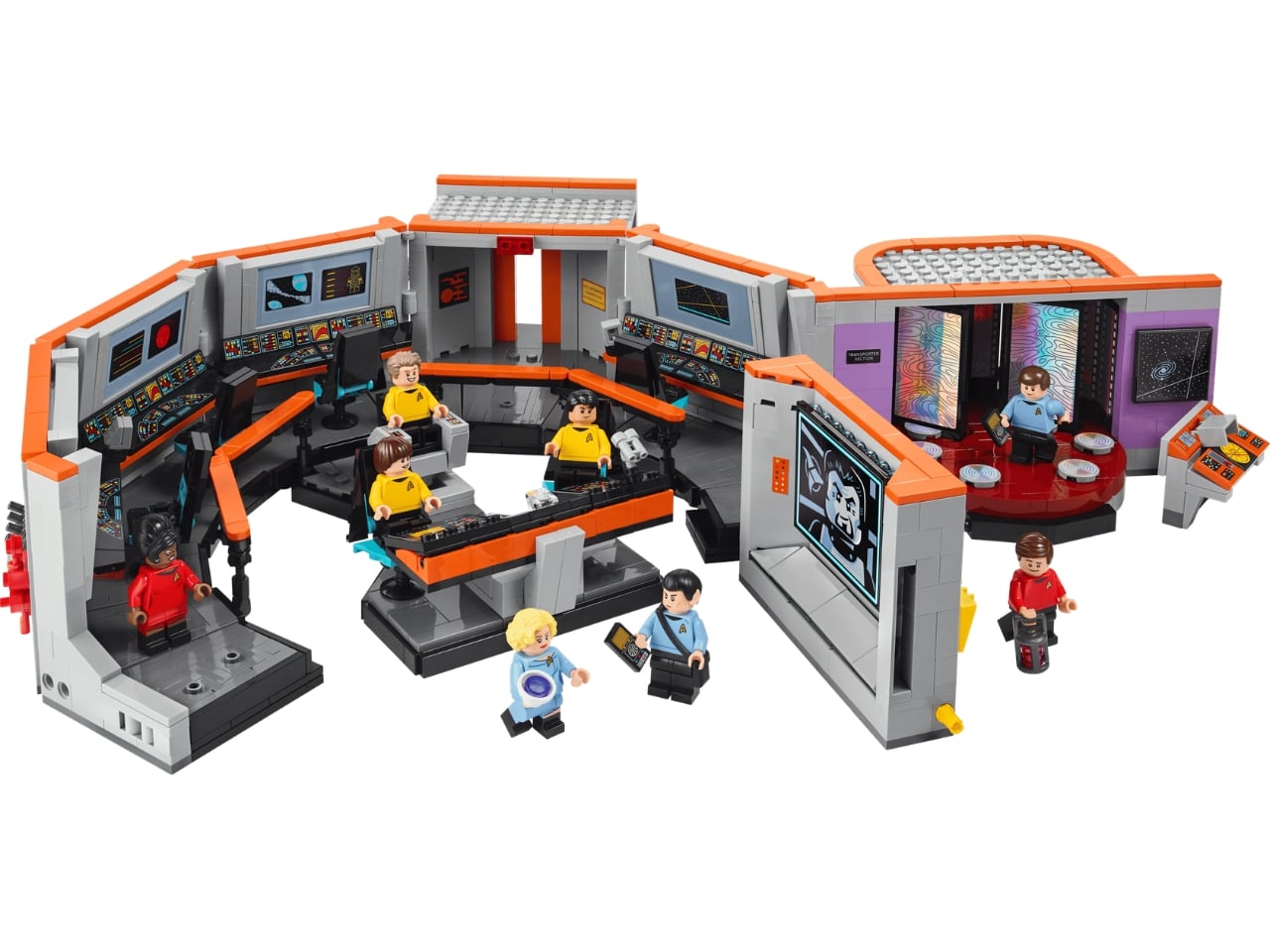
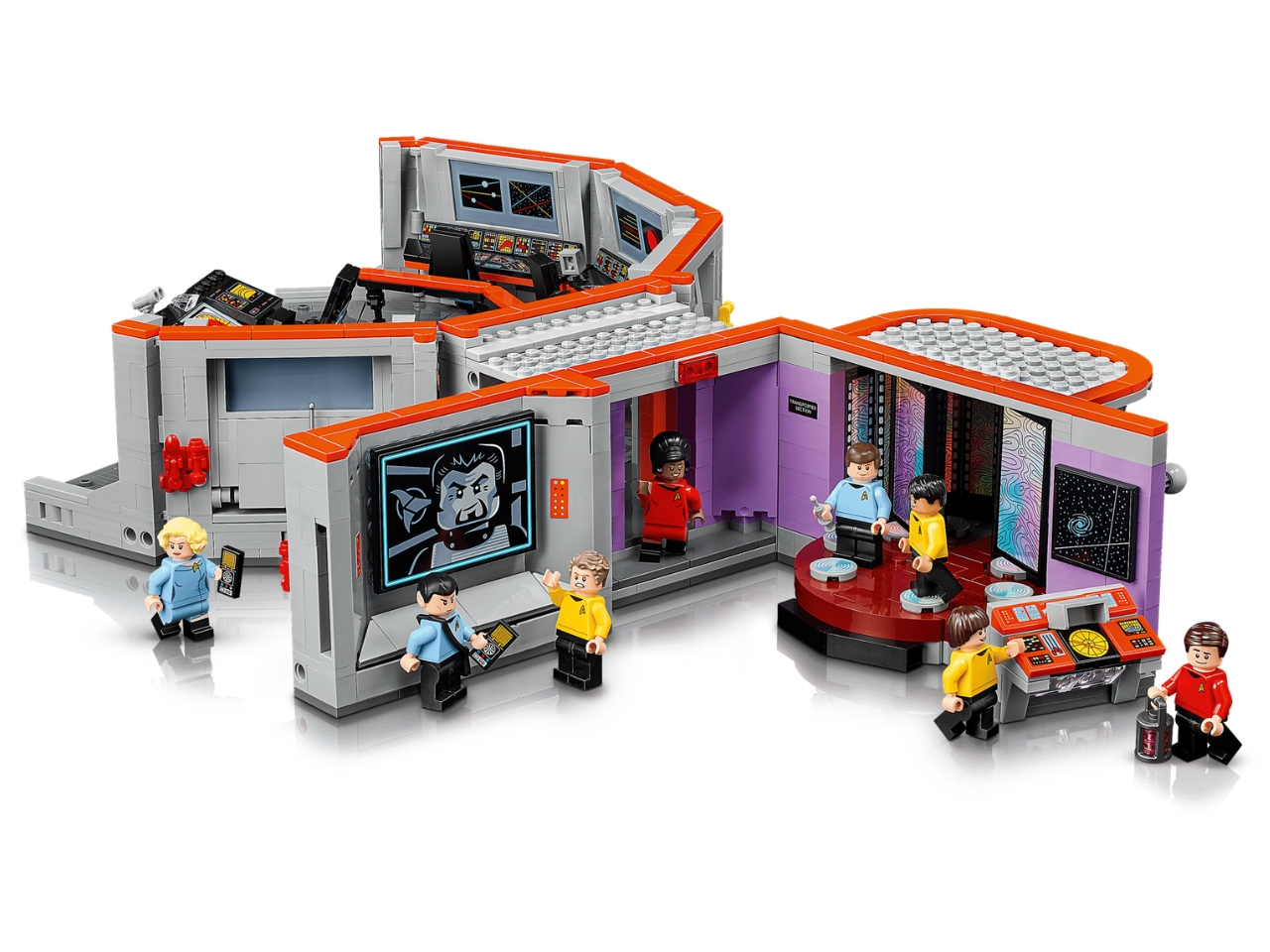
Beyond the appeal of seeing the Enterprise bridge rendered in bricks, what makes this set genuinely compelling is the thought behind the interactive elements. You can rock the captain’s chair to simulate warp turbulence or the impact of a space battle. You can turn a dial to beam crew members from the transporter pads. You can push a lever to open the turbo lift doors. The transporter feature in particular, where minifigures appear to gradually materialize or dissolve as you turn the dial, is a clever mechanical solution that a less thoughtful product team would have skipped entirely. These features aren’t gimmicks. They’re the details that turn a shelf piece into an experience.
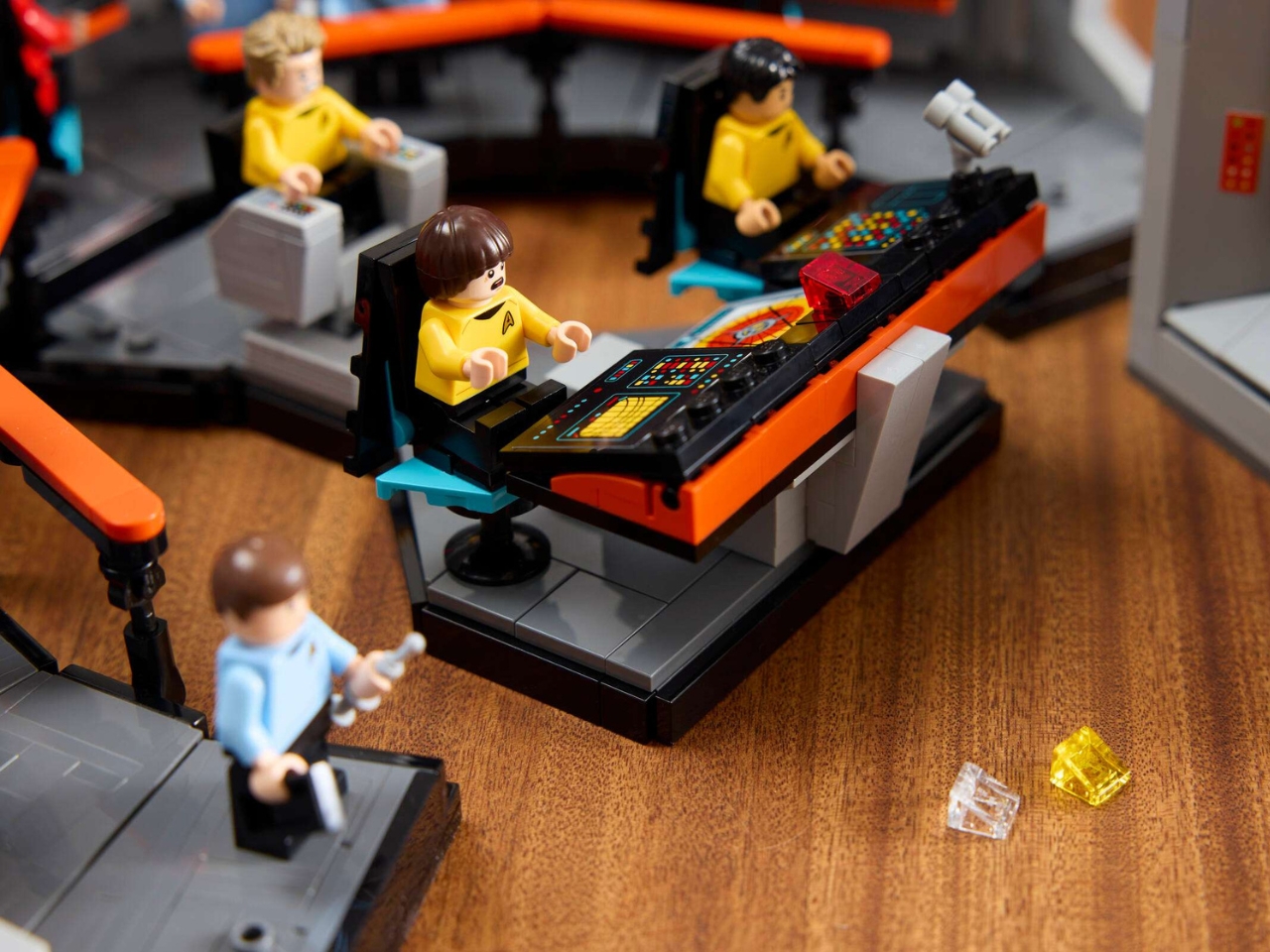
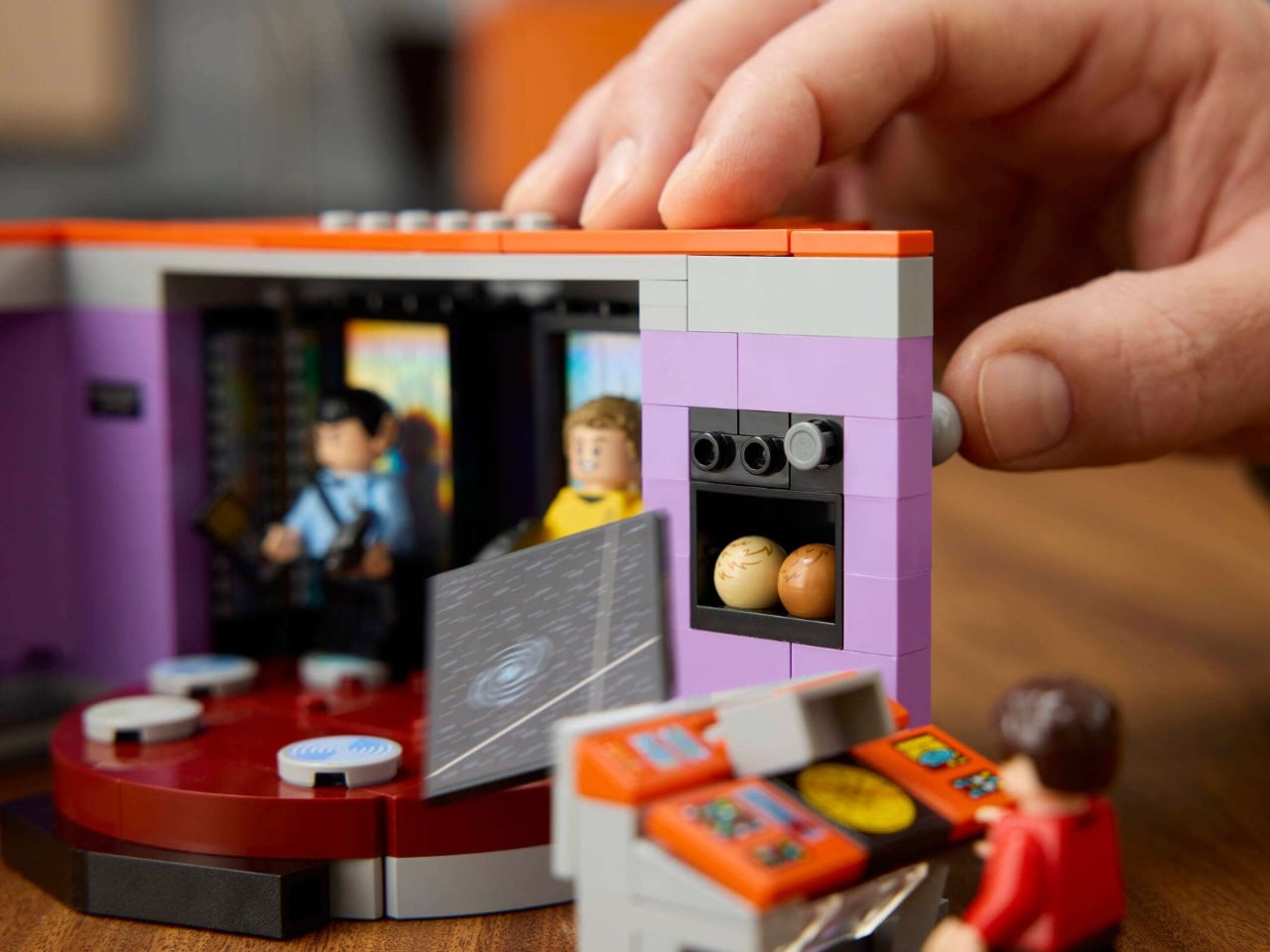
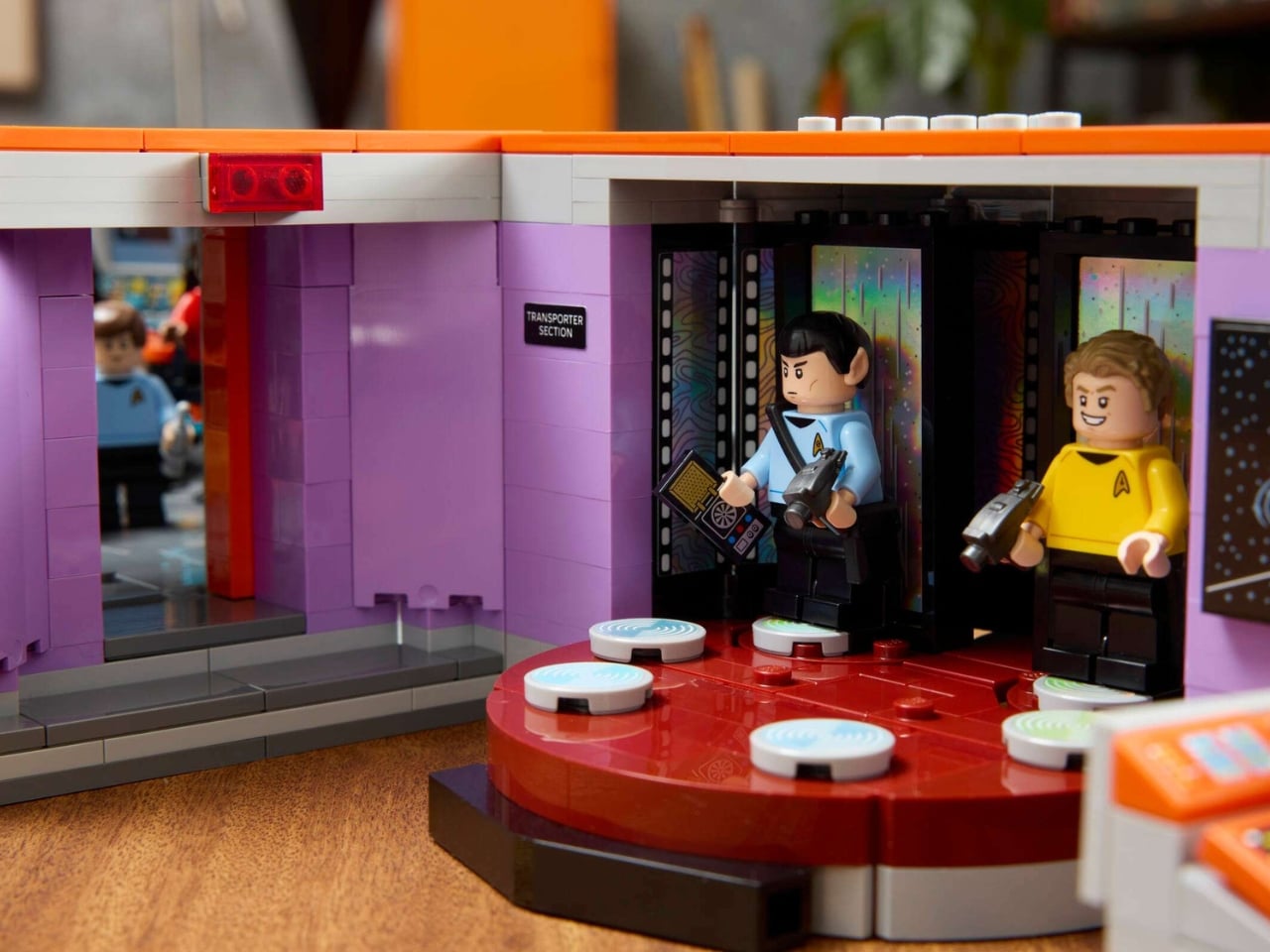
The minifigure roster covers the full original bridge crew: Kirk, Spock, Uhura, Sulu, McCoy, Chekov, Christine Chapel, and Scotty. All eight. That matters more than it sounds, because a lot of licensed collector sets give you the headline names and quietly omit everyone else. Having the complete team in one box is a statement of intent, and it means the set is immediately display-ready without hunting down additional figures.
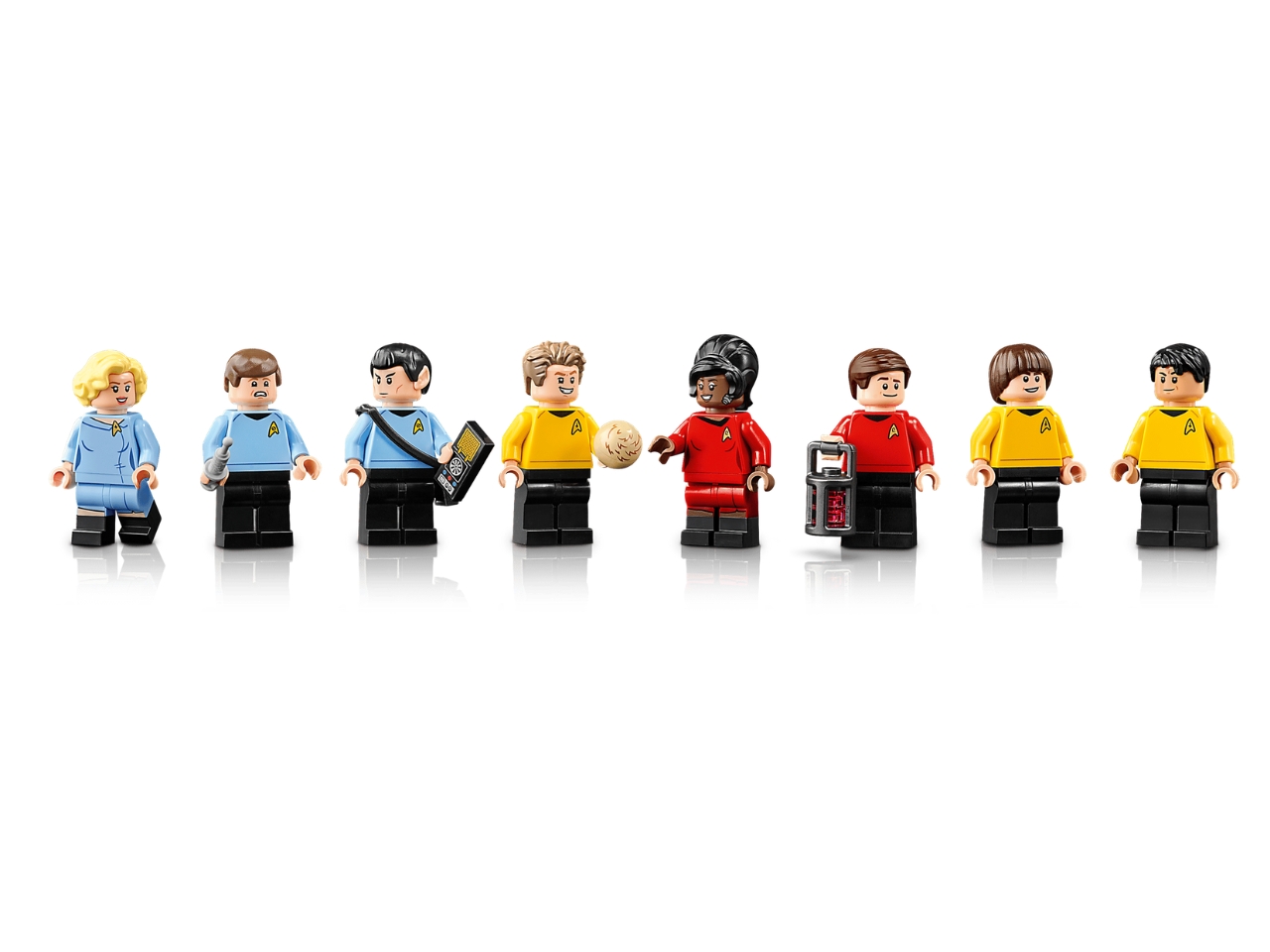
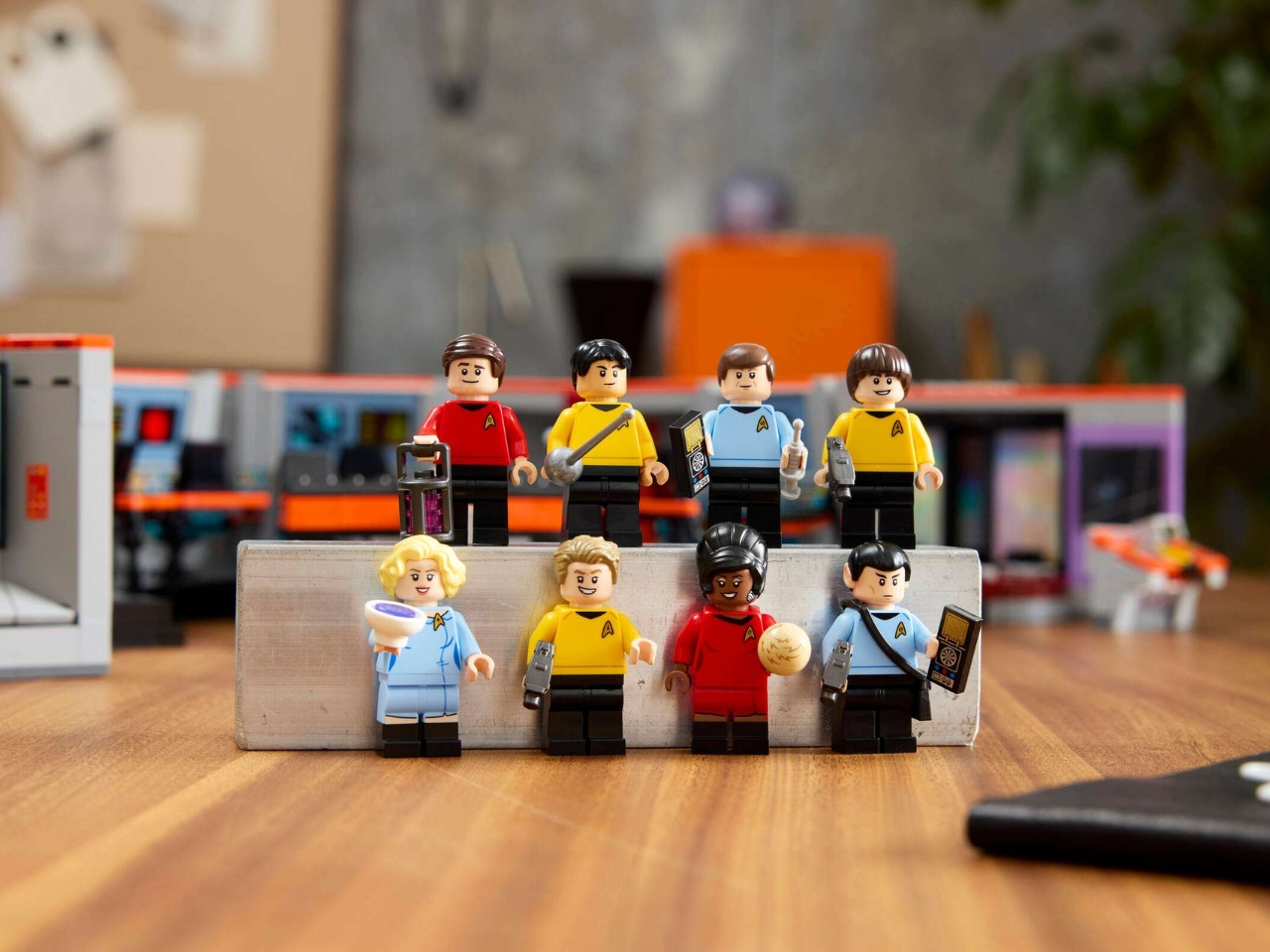
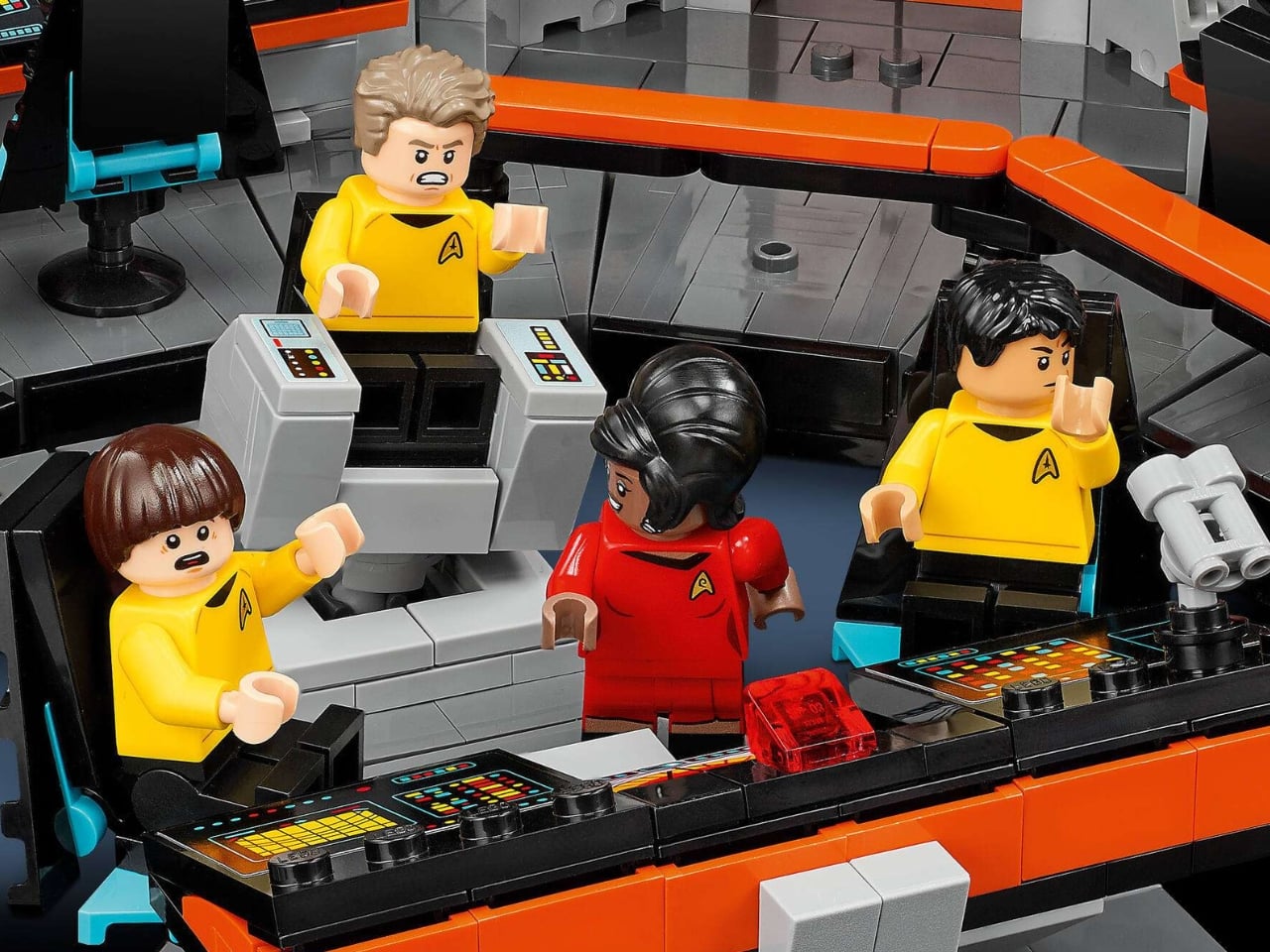
The accessories are equally considered. Spock’s harp, two Vulcan Lirpas, a Trident Scanner, four phasers rendered with an all-new LEGO mold element, printed Starfleet communicator tiles, and four tribbles. The tribbles alone are going to land hard for anyone with a soft spot for “The Trouble with Tribbles.” None of this feels like padding. It feels like someone who genuinely loves this show was sitting in that design meeting, pushing for one more detail.
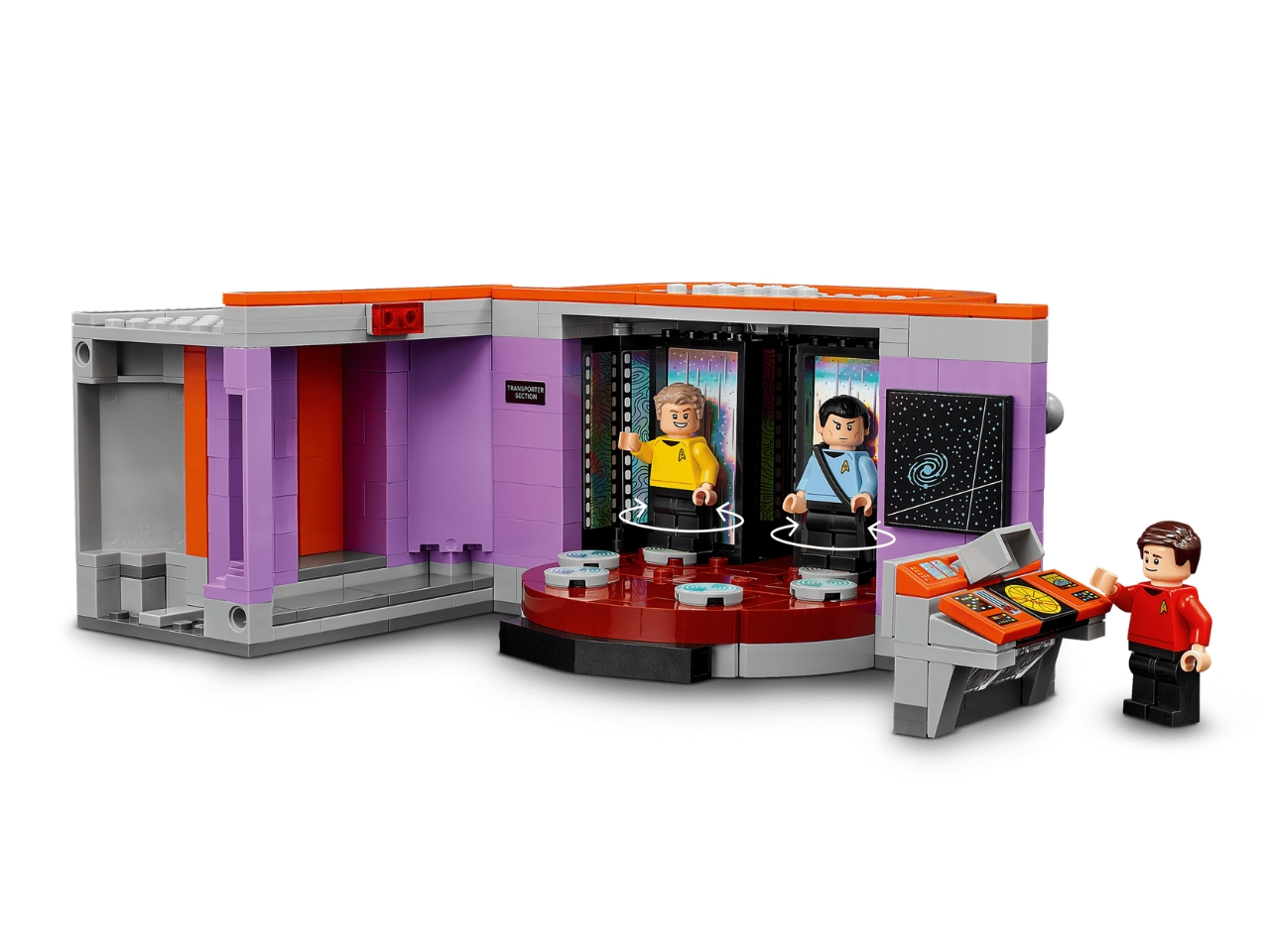
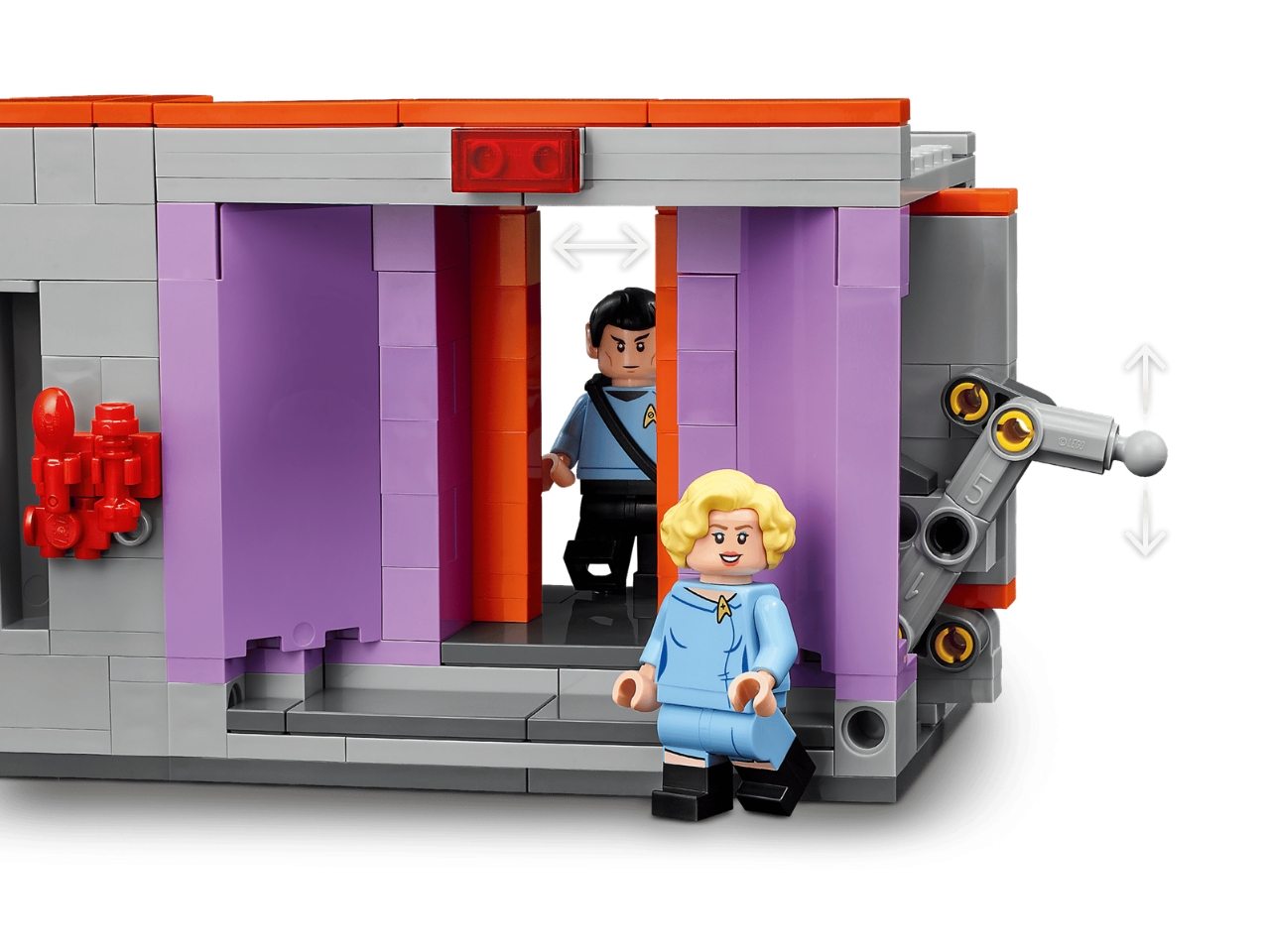
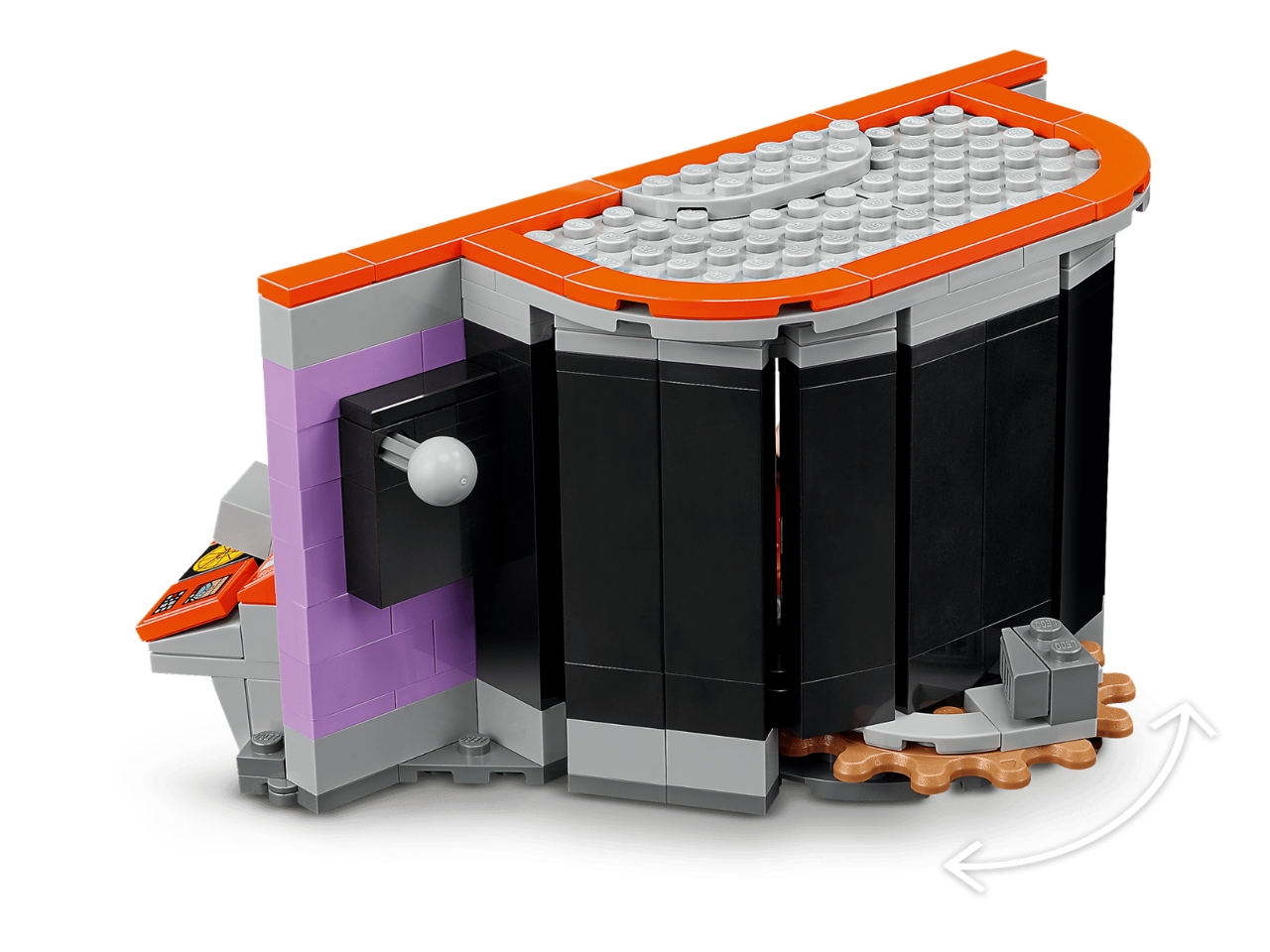
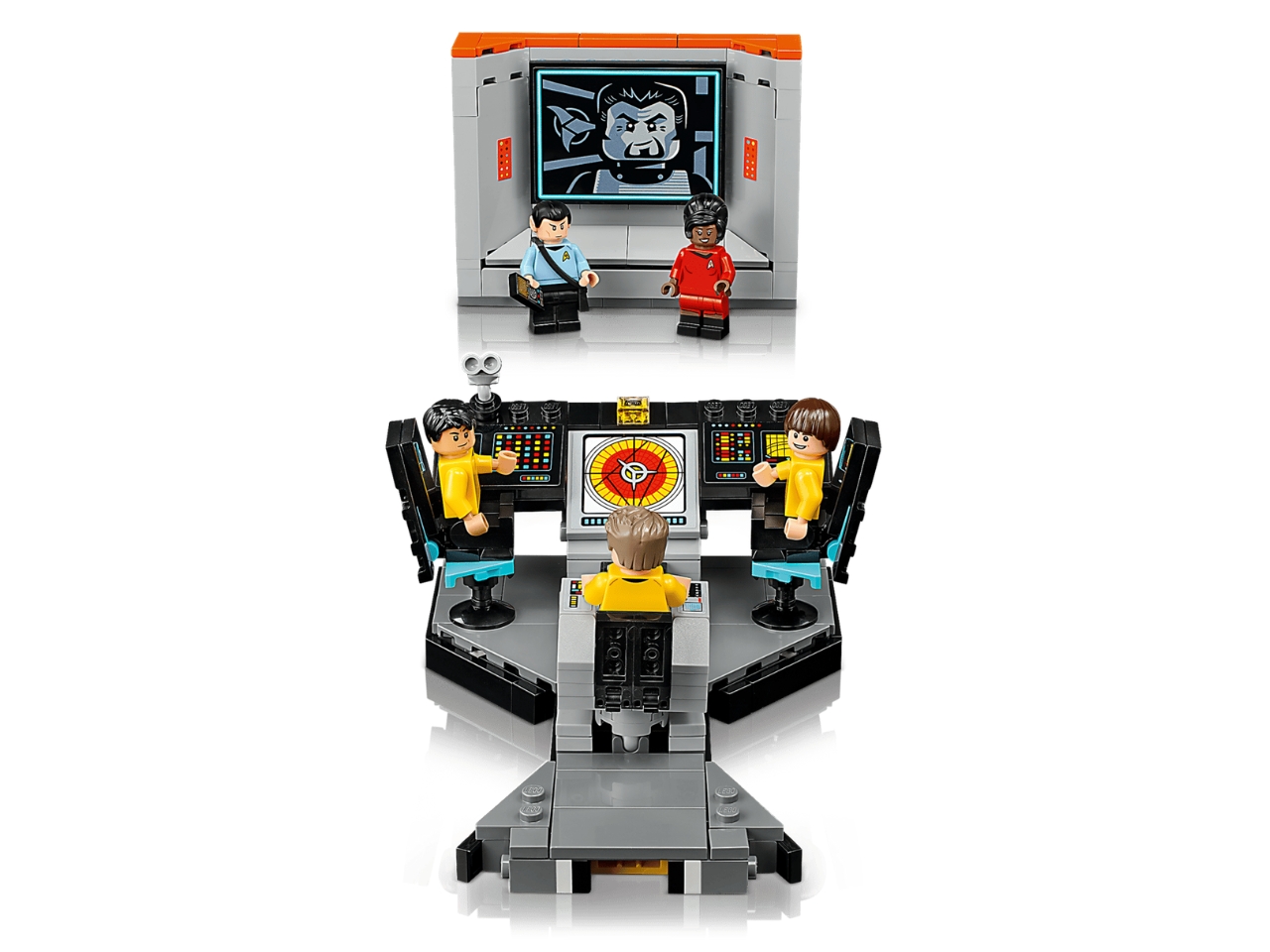
The viewscreen on the bridge displays a Klingon warrior, anchoring the whole build in mid-mission tension. The scene feels caught in the middle of something. At 57cm wide and 34cm deep, it’s a serious piece of real estate that fits neatly into LEGO’s growing adult-focused Icons line. LEGO has been leaning into this demographic for years now, and the bet keeps paying off. Their most loyal buyers are adults who grew up with these stories and want something physical and well-crafted to hold onto them.
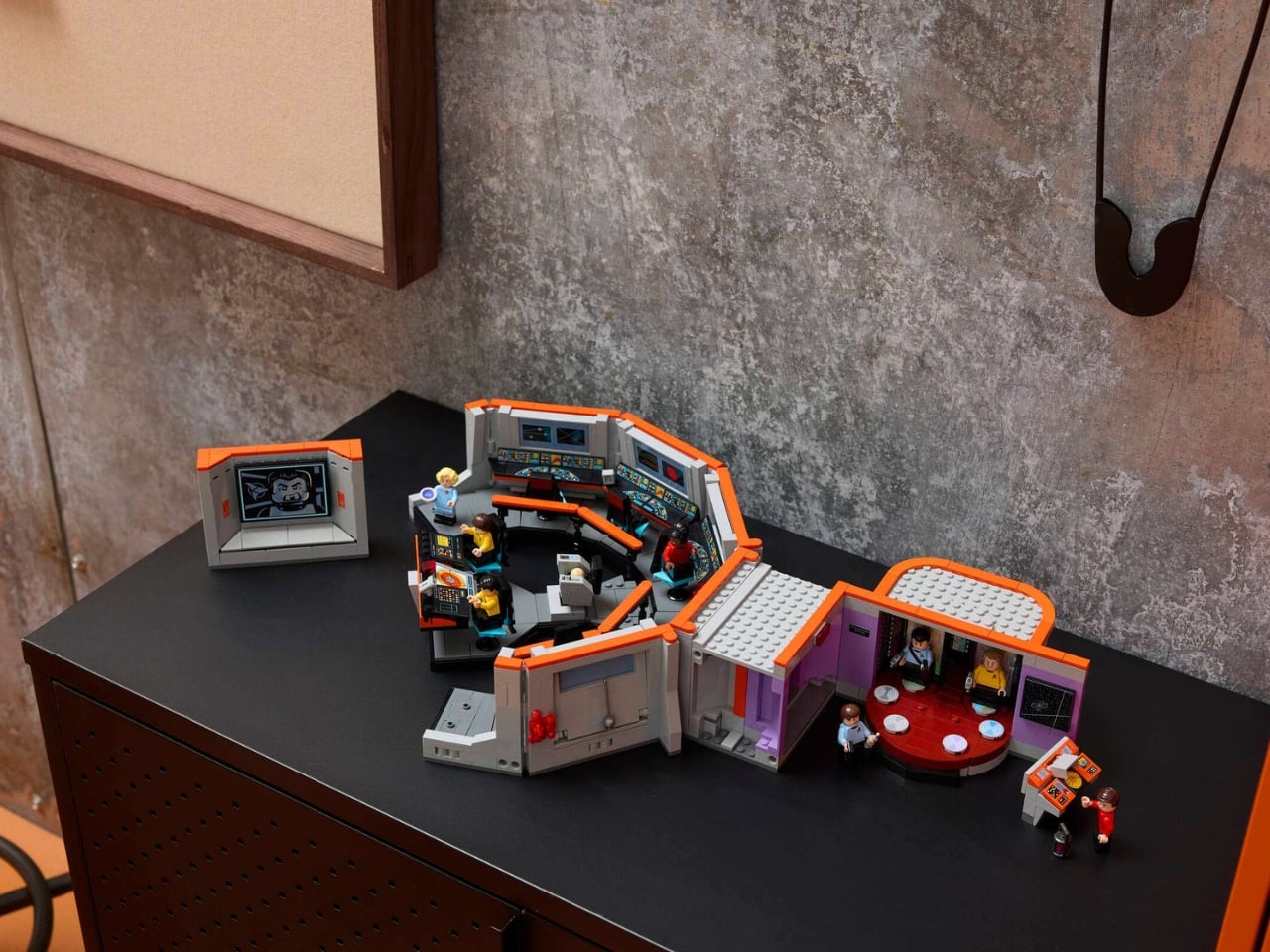
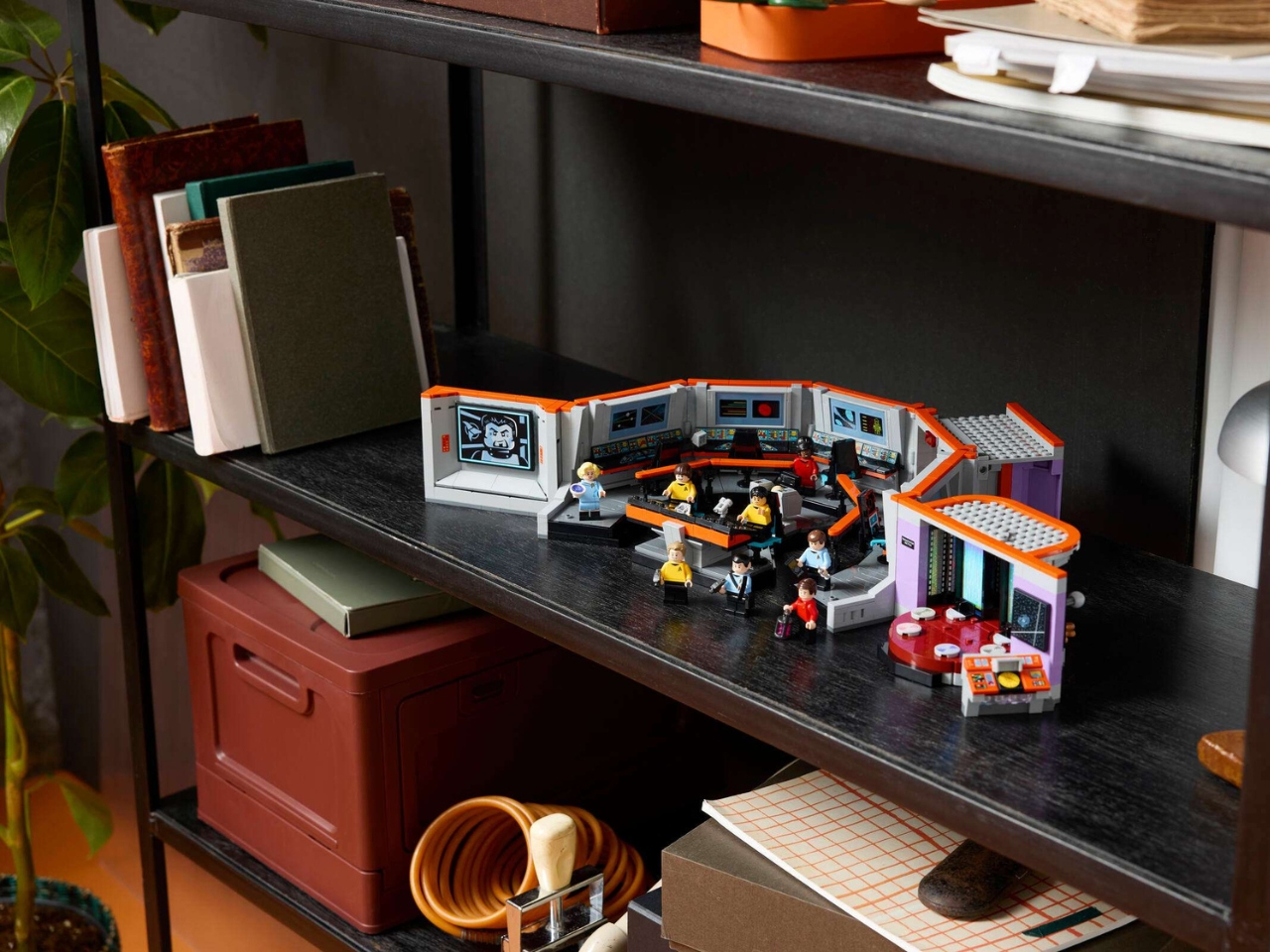
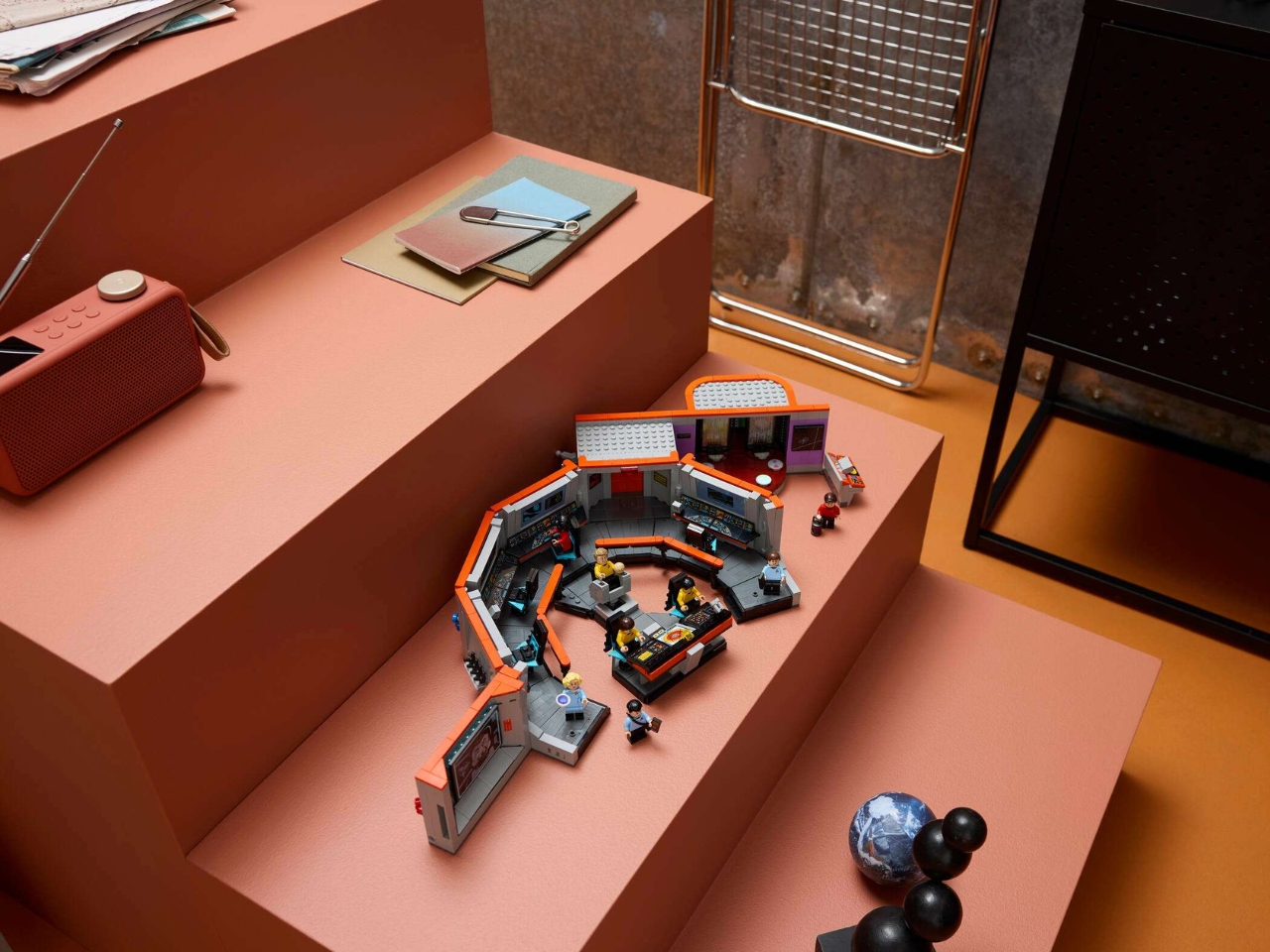
The September 1 release date is worth noting. Star Trek premiered on September 8, 1966, and this year’s 60th anniversary is a genuine milestone for the franchise. Dropping the original Enterprise bridge set in that same month is deliberate, and it works as both a marketing play and a proper celebration.
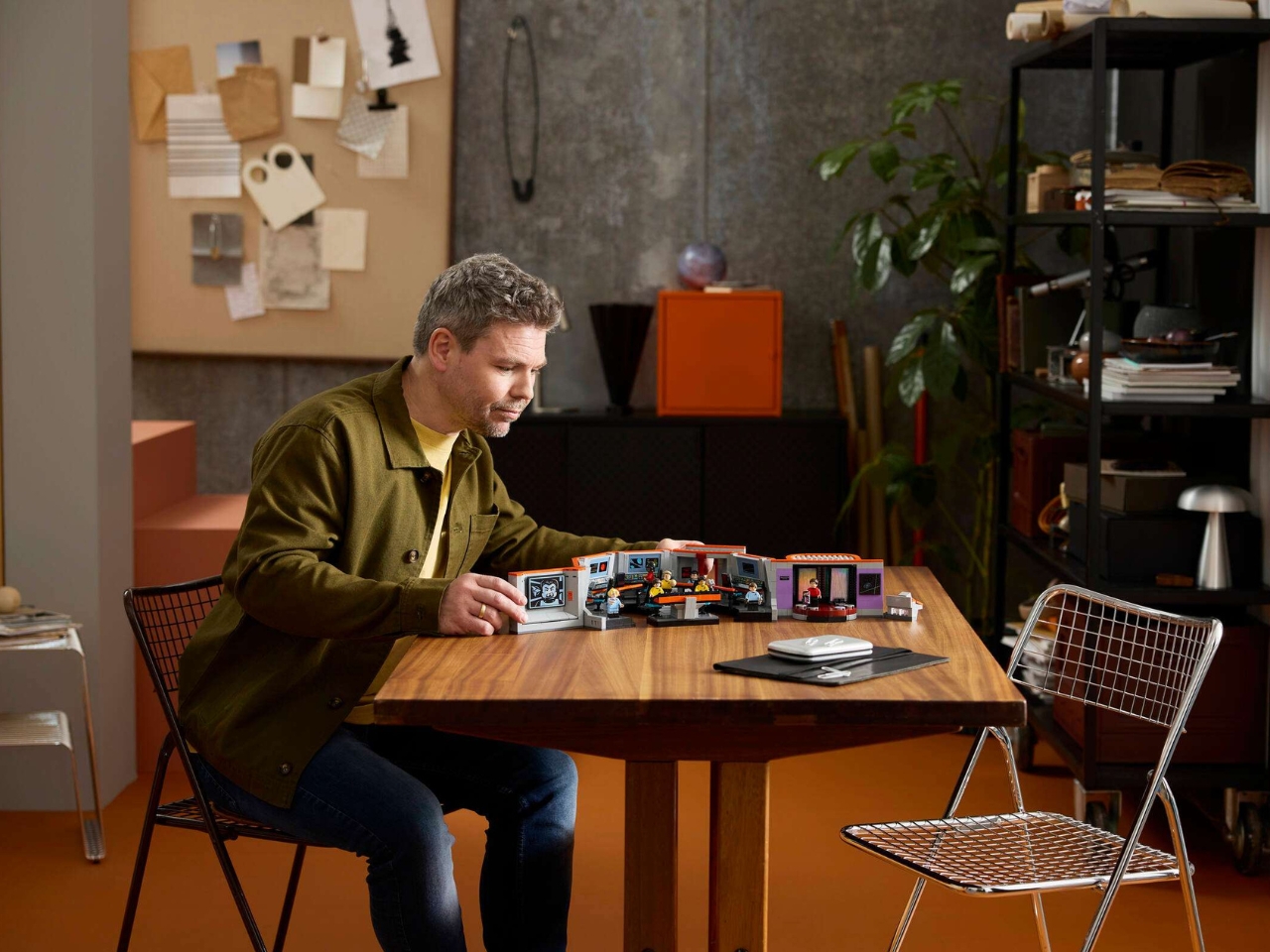
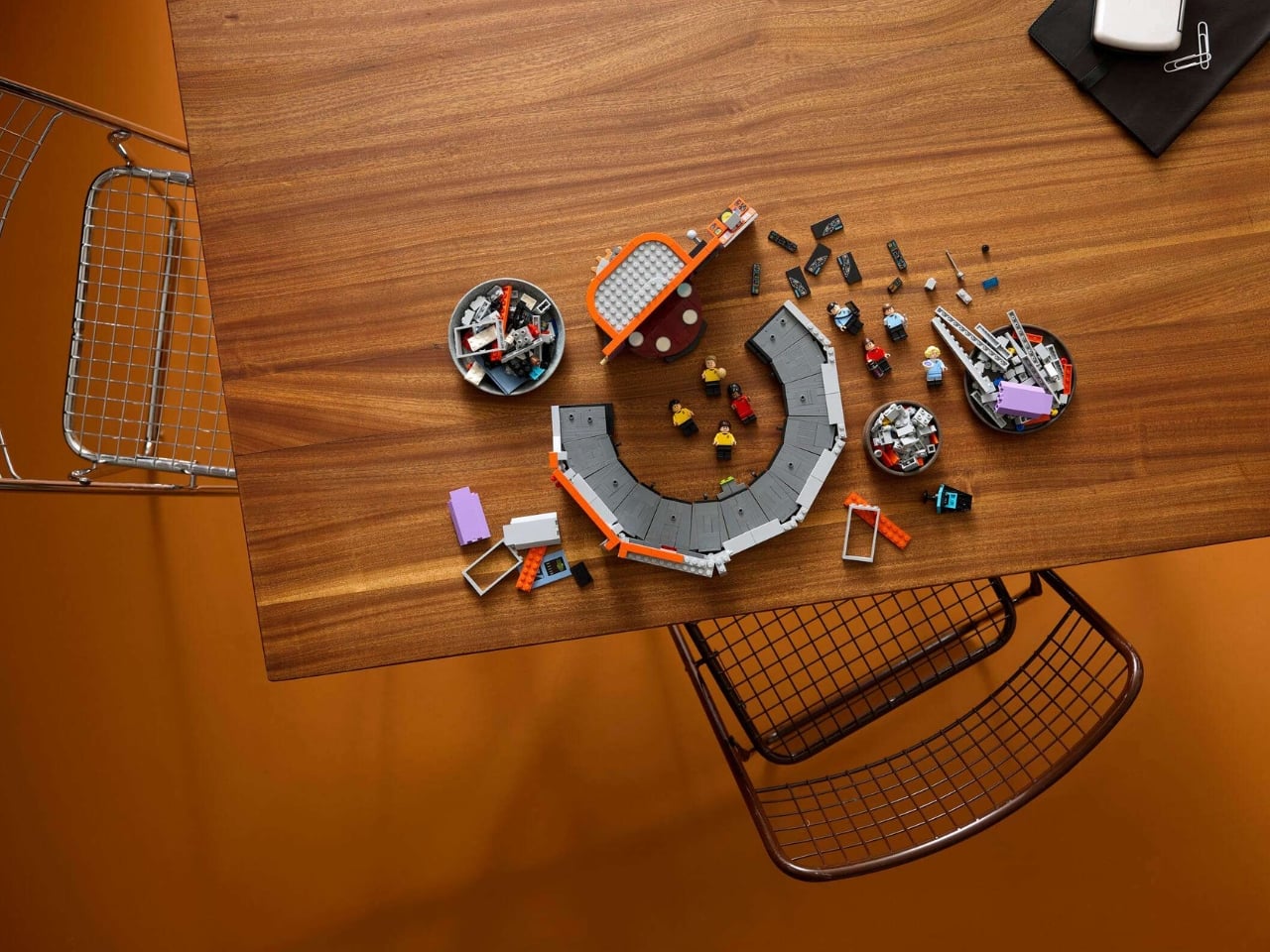
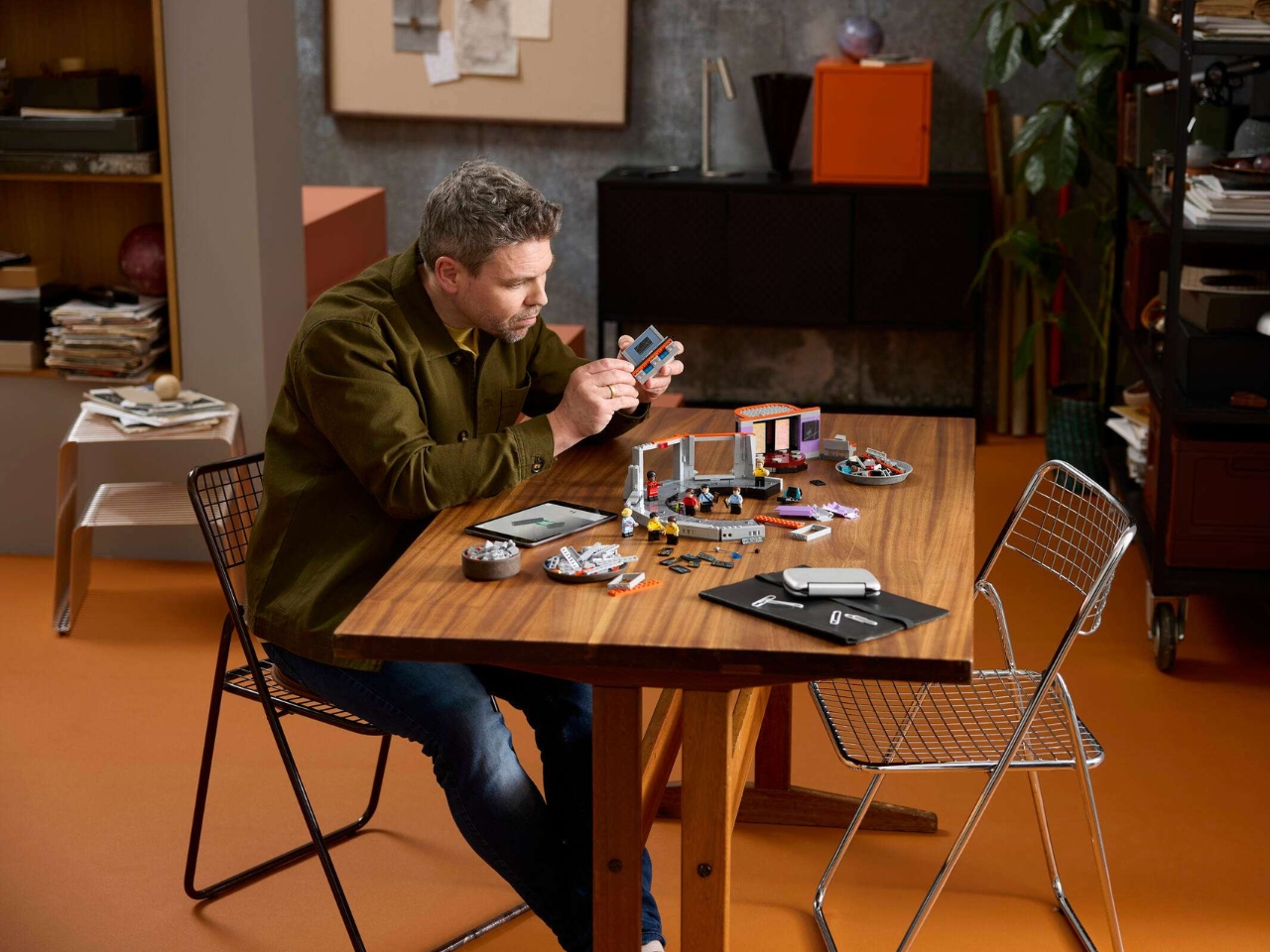
At $199.99, this set earns every penny. It’s equal parts nostalgia and craftsmanship, with enough interactive detail to keep the build interesting long after the box is open. For sixty years, the Enterprise has been a symbol of curiosity and ambition. LEGO built something worthy of that legacy.
The post LEGO’s Star Trek Turns 60 Into 1,701 Pieces of Pure Nostalgia first appeared on Yanko Design.