
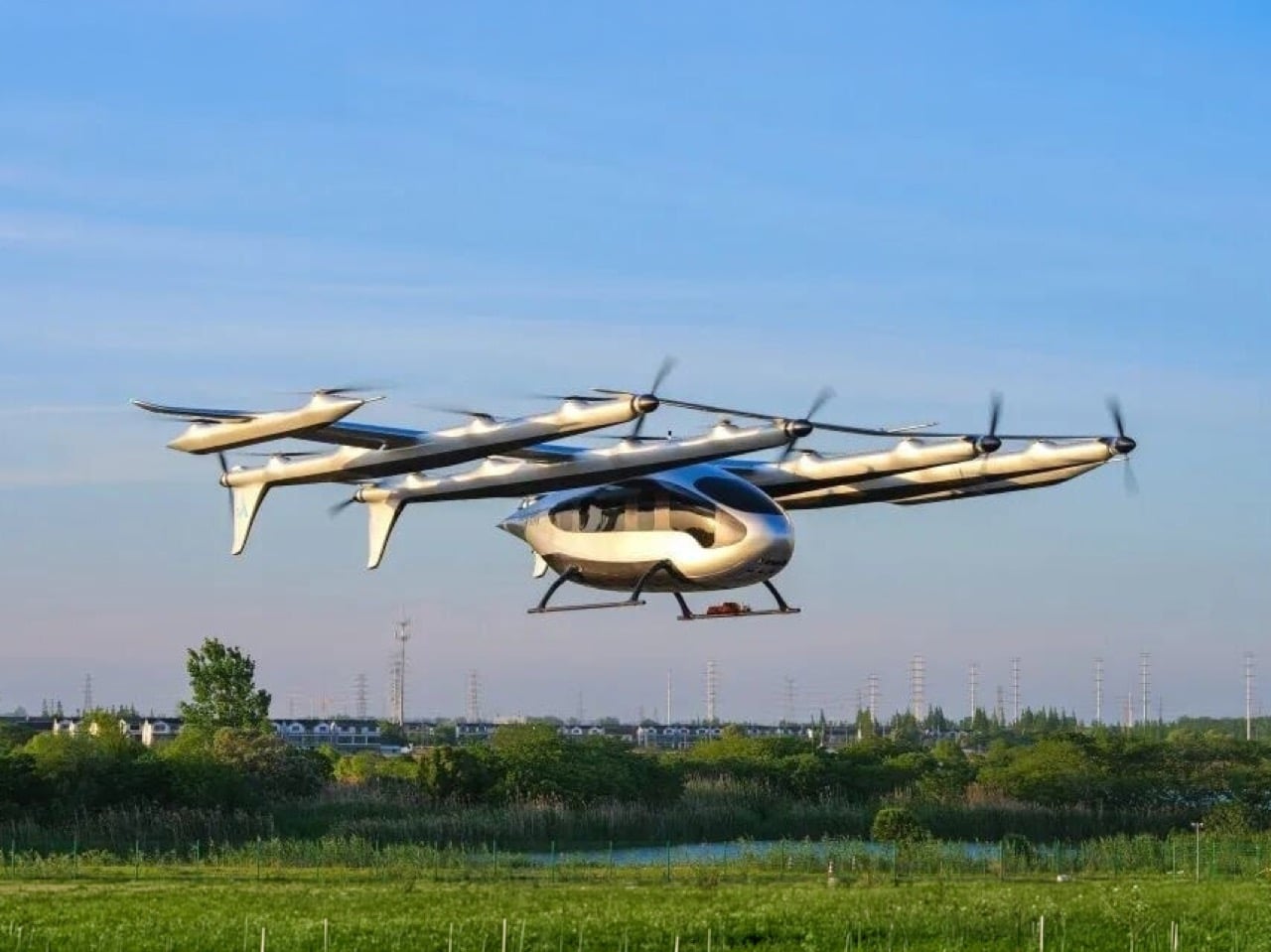
Car companies figured this out decades ago. You build one solid platform, then you stretch it, armor it, or strip it down depending on who is buying. A pickup and an SUV can share more bones than you would think. AutoFlight just applied the same logic to flying machines, and honestly, it is kind of wild that nobody in the eVTOL space was doing this loudly before.
Their 2-ton airframe is the base recipe. From there you get Prosperity, the passenger taxi, plus a cargo hauler, a firefighting variant, and a beefed up 5-ton sibling called the Matrix. Same DNA, four very different jobs. That is not just clever engineering, it is the kind of design thinking that turns a single good idea into an entire product family.
Designer: AutoFlight
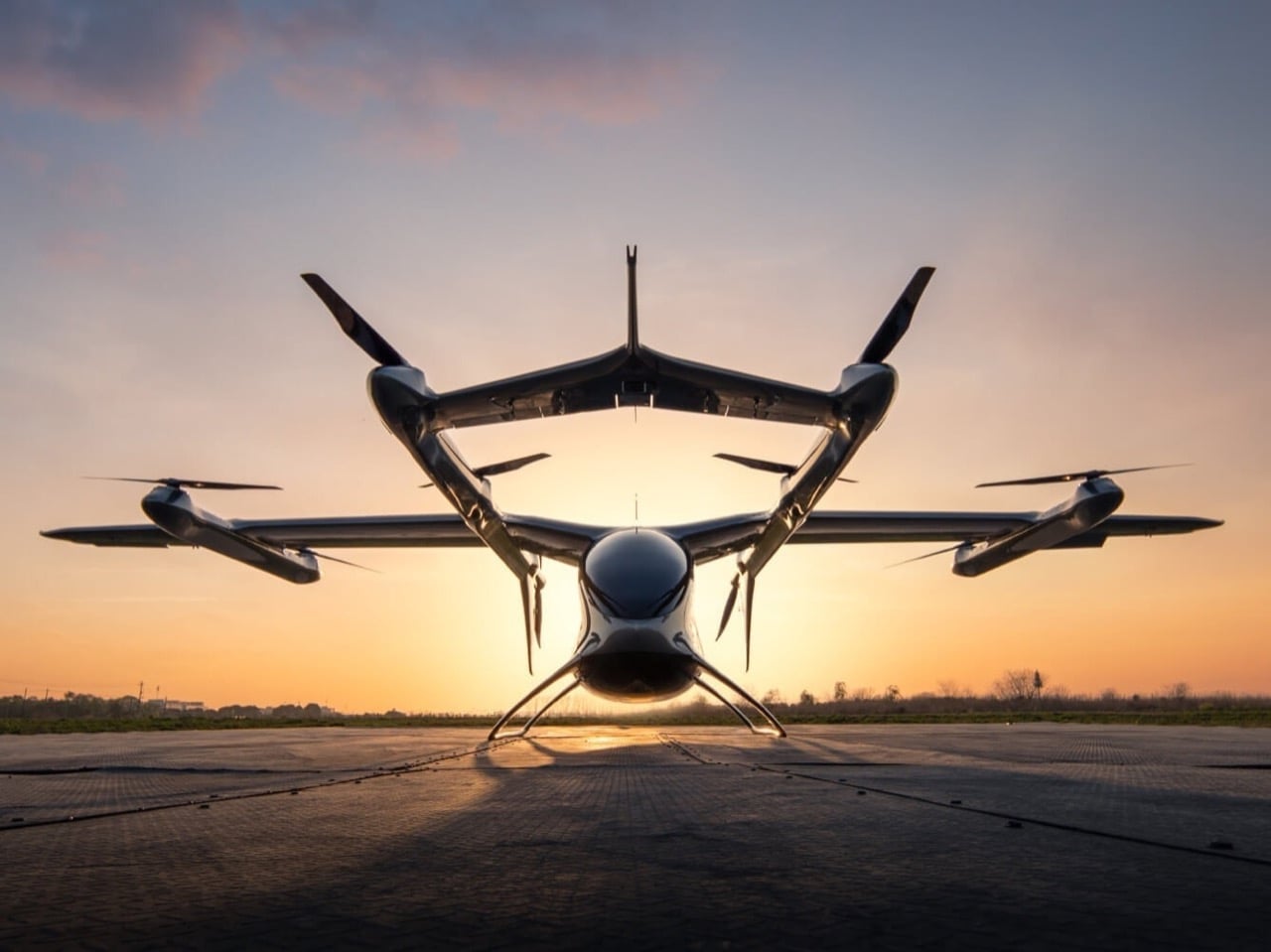
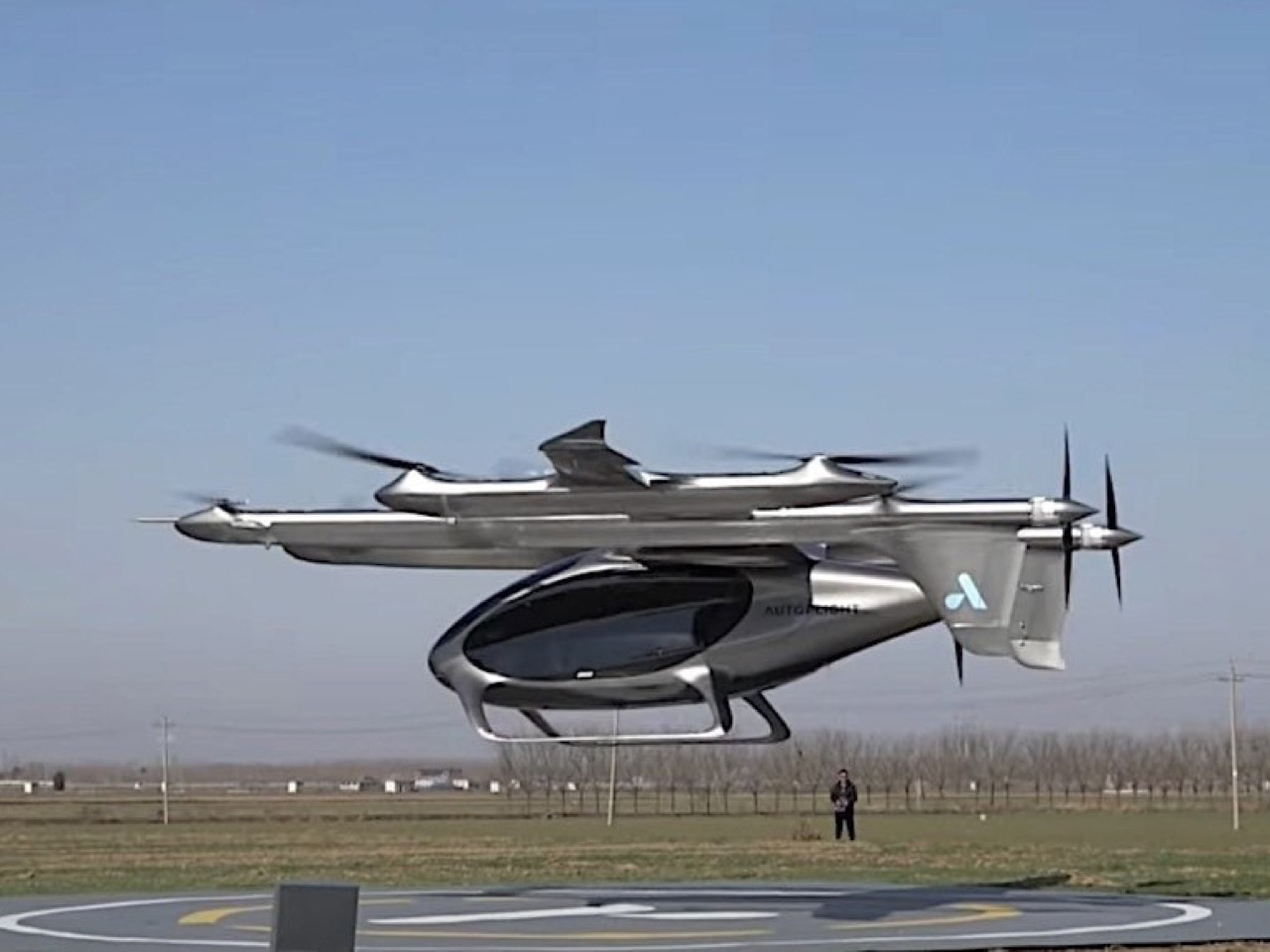
Instead of one long wing with propellers hanging off it, Prosperity splits its lift across two shorter, staggered wing sets, one up top and one lower down, each carrying its own pair of tilting propellers. Seen head on, the whole thing forms a kind of open diamond shape, wings sweeping outward and slightly upward like a bird mid glide. That geometry is not just for show. Shorter wings mean a smaller footprint on the ground, which matters a lot when your business plan involves landing on rooftops and tight urban pads instead of runways. The teardrop cabin tucked underneath keeps the silhouette clean and lets the eye read this as one continuous vehicle instead of a fuselage with stuff bolted onto it.
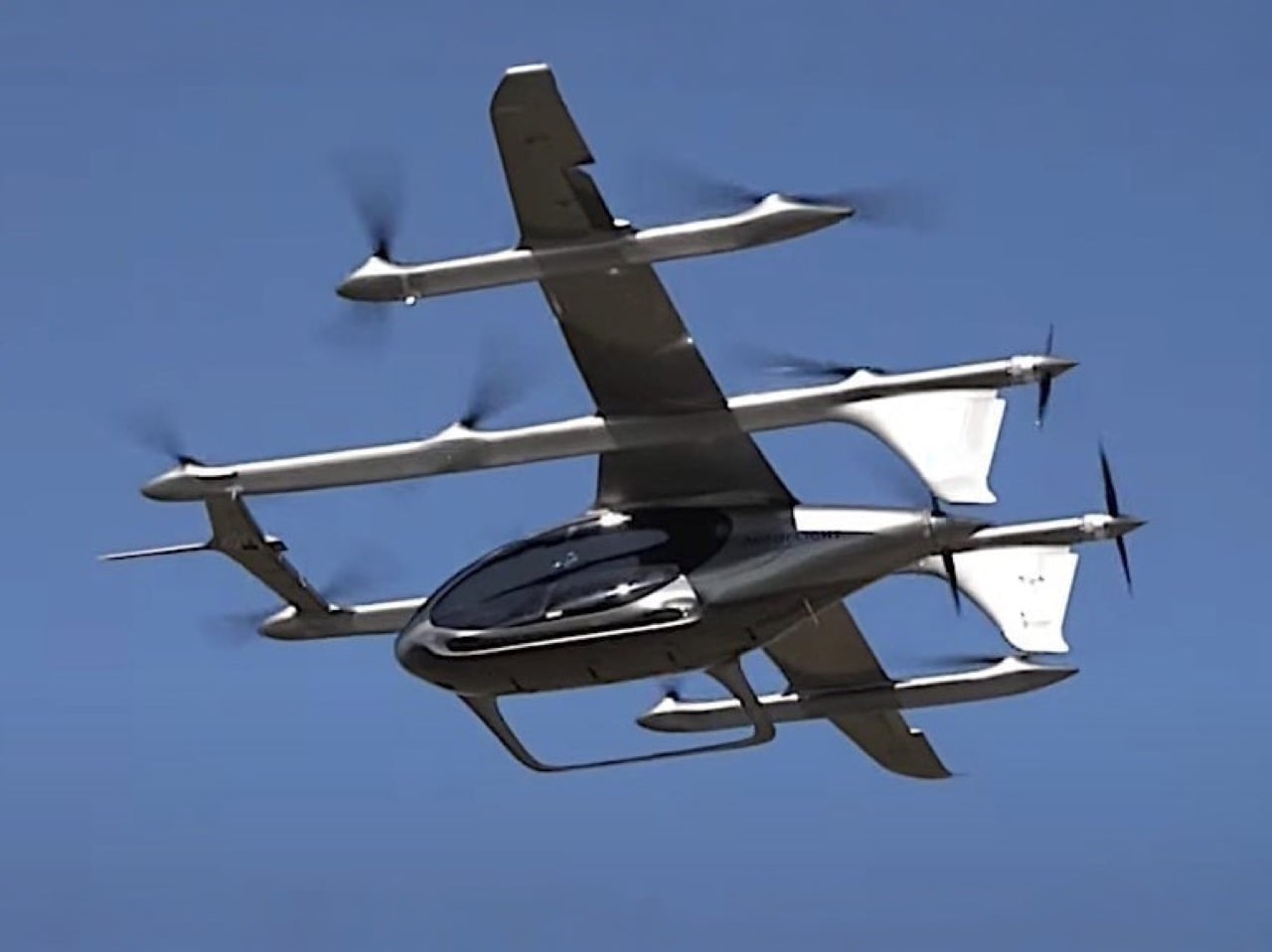
That same wing and boom architecture is what makes the whole family idea work. Swap the passenger cabin for a cargo pod and you get CarryAll, the variant that has already flown certified deliveries. Reinforce the frame and add water or retardant tanks and you get the firefighting version, built for exactly the kind of terrain where a fire truck cannot reach in time. Scale the structure up and add more lift and you land on Matrix, the 5-ton cousin built for heavier industrial jobs. None of these required AutoFlight to reinvent the aerodynamics from scratch, they just reworked what sits inside the same wing and boom skeleton.
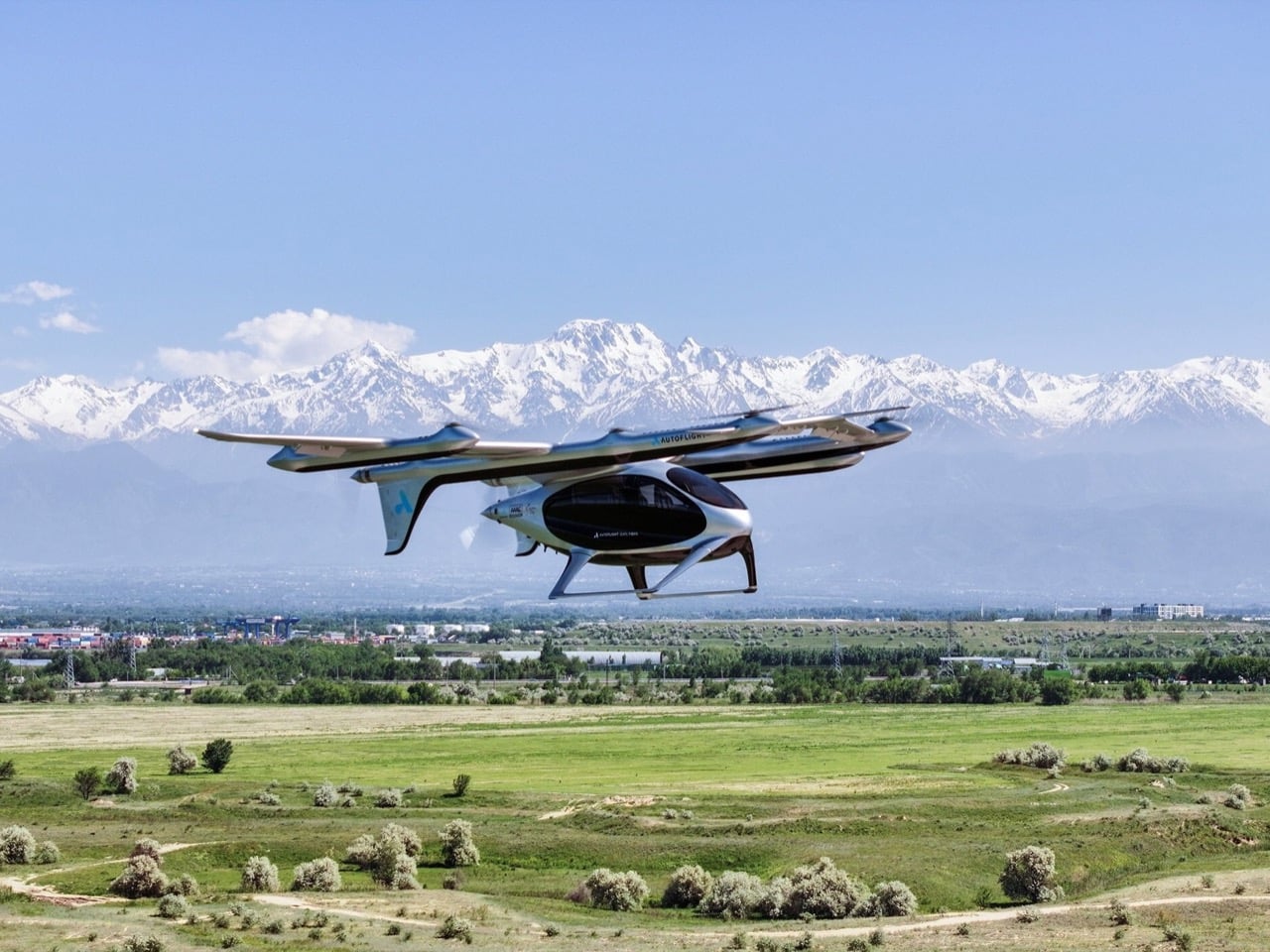
This is also why the Kazakhstan push makes sense as a platform story rather than a one-off sale. AAAG did not just buy a handful of demo units, they signed for 50 aircraft, which only makes financial sense if the underlying platform is flexible enough to serve multiple missions across a country with serious geographic spread. A single certified airframe that can become a taxi one month and a firefighting unit the next is a much easier sell to a government trying to solve connectivity across a huge, sparsely covered region.
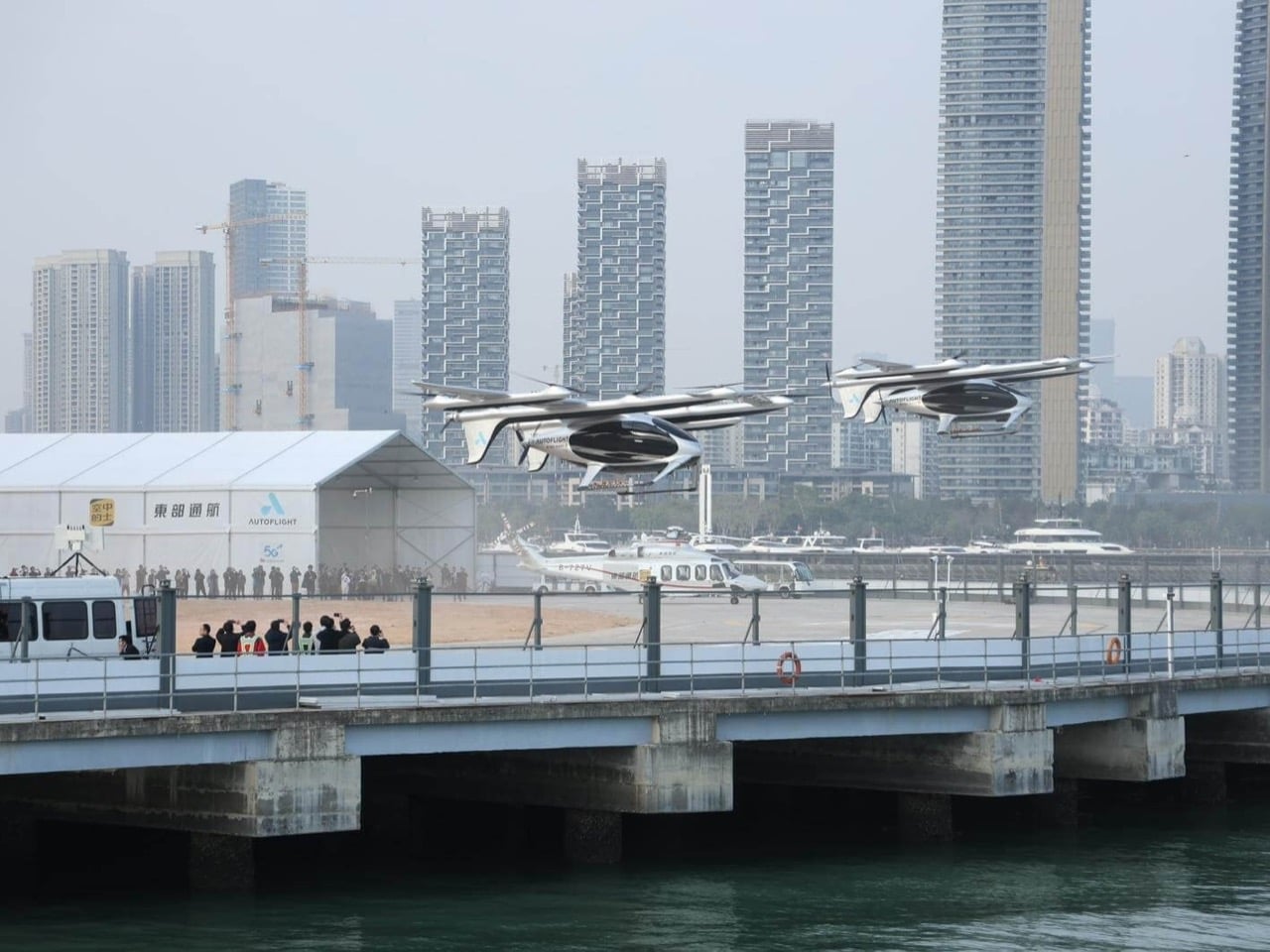
Most eVTOL startups are still fighting just to get one aircraft through certification without going bankrupt. AutoFlight looked at that grind and decided to get four aircraft out of the same paperwork, the same supply chain, and the same wing design. It is a quieter kind of ambition than a flashy air taxi reveal, but it is the kind that actually scales. Watching two Prosperity units and a Matrix fly in formation earlier this year was the moment that platform strategy stopped being a slide in an investor deck and started looking like an actual product family.
The post China built one eVTOL that transforms into an air-taxi, a firefighter, and a 5-ton hauler first appeared on Yanko Design.