
Geometry has always been the silent language of design. Across architecture and interiors, shapes define how spaces feel, function, and flow. Today, furniture design is embracing this language more boldly than ever, transforming basic forms into expressive, functional art pieces. Clean lines, curves, grids, and volumes are no longer just structural tools as they are becoming the identity of objects themselves.
This shift reflects a deeper cultural move, especially among Gen Z sensibilities, toward objects that are aesthetic and meaningful. Furniture is no longer passive as it speaks, interacts, and often challenges traditional expectations of form and function.
1. Modular Furniture Designs
Modular furniture draws heavily on geometric logic, using repeatable units such as cubes, rectangles, and grids to create flexible systems. These pieces adapt to changing needs, allowing users to rearrange and reconfigure spaces effortlessly. Geometry here is not just visual but it becomes a tool for customization and efficiency.
This approach suits modern living, where adaptability matters more than permanence. Modular designs turn furniture into a dynamic system rather than a fixed object. The clean geometry ensures visual harmony, while the flexibility aligns with evolving lifestyles, making design intelligent and responsive.
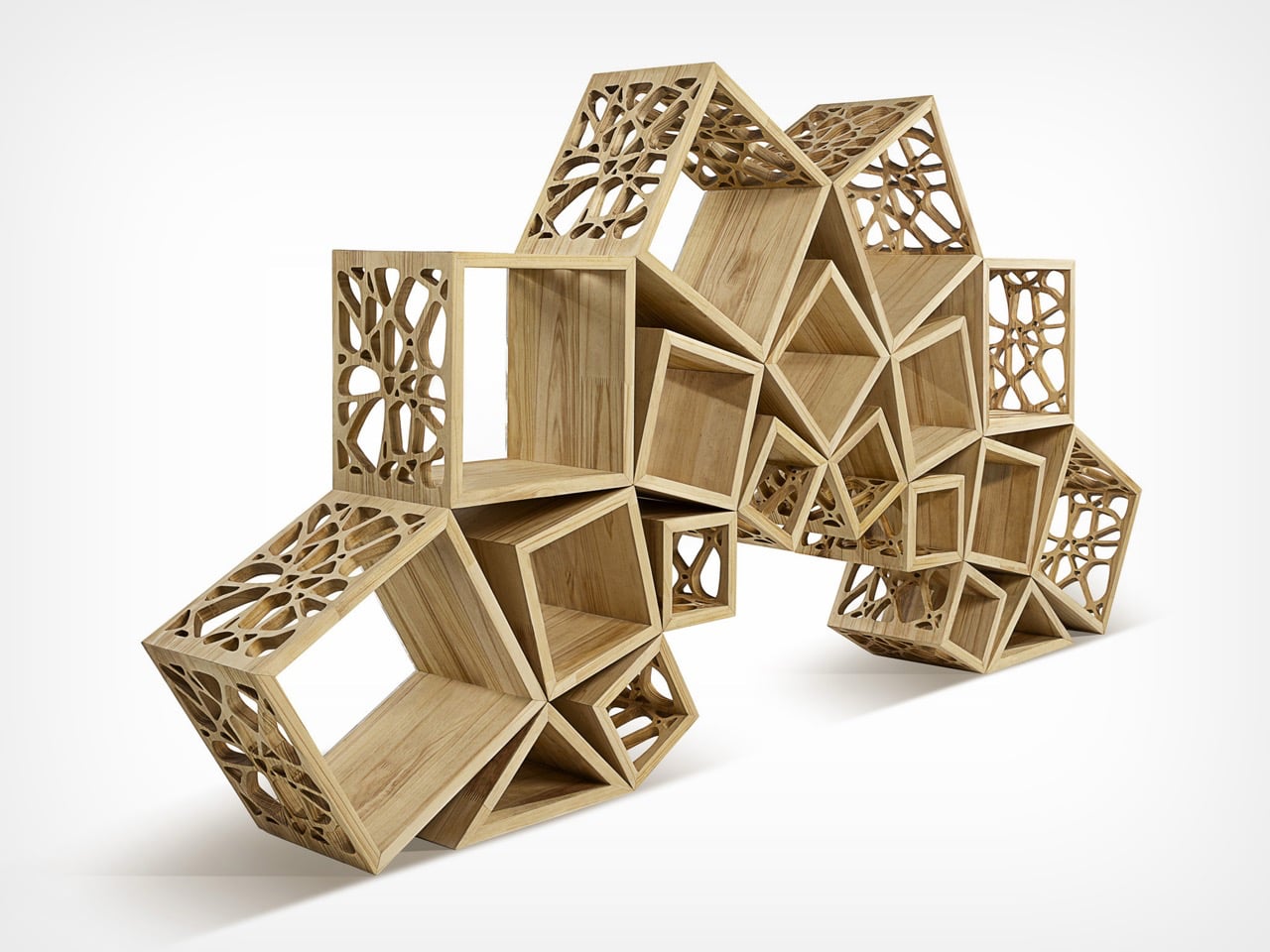
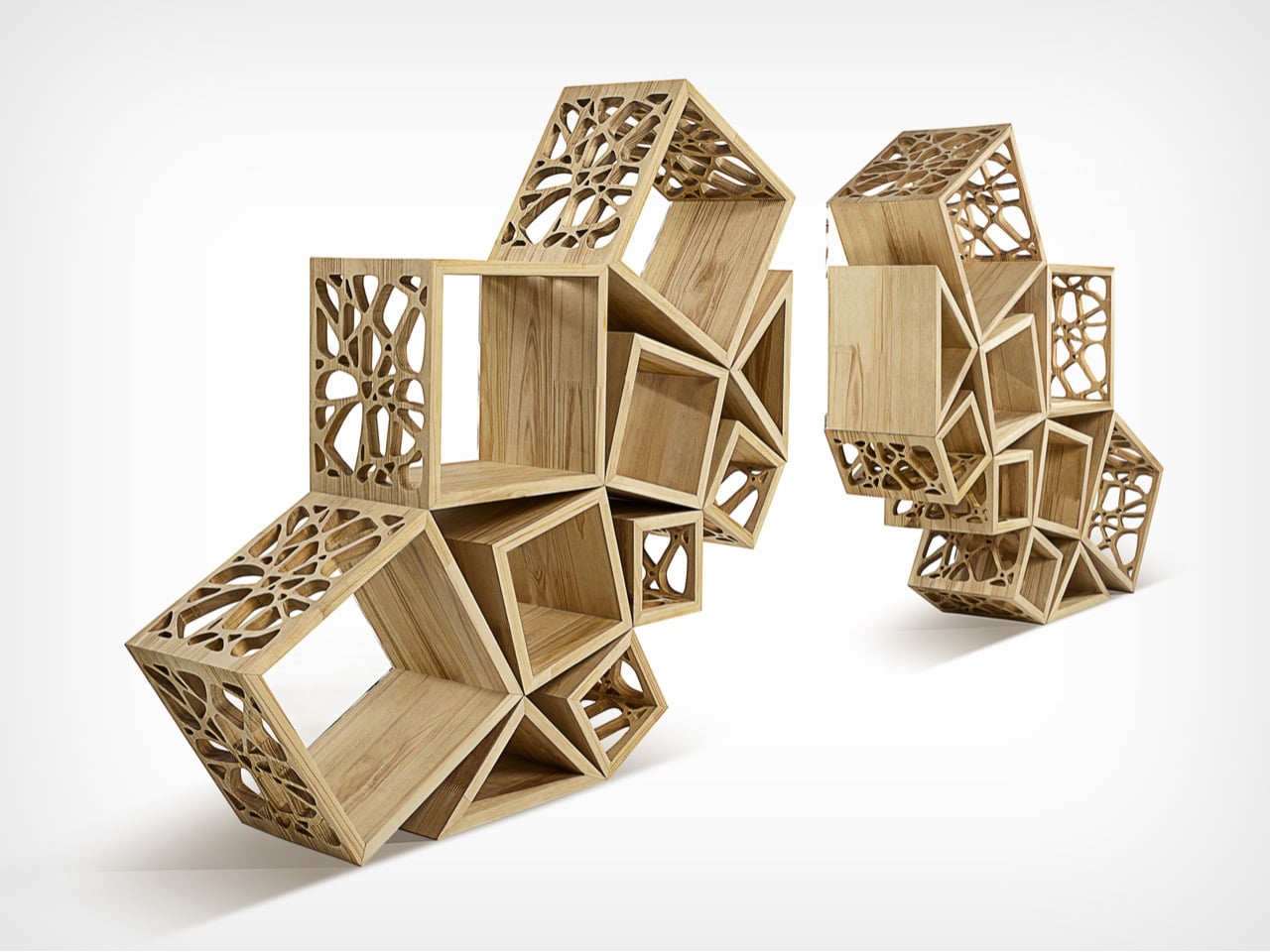
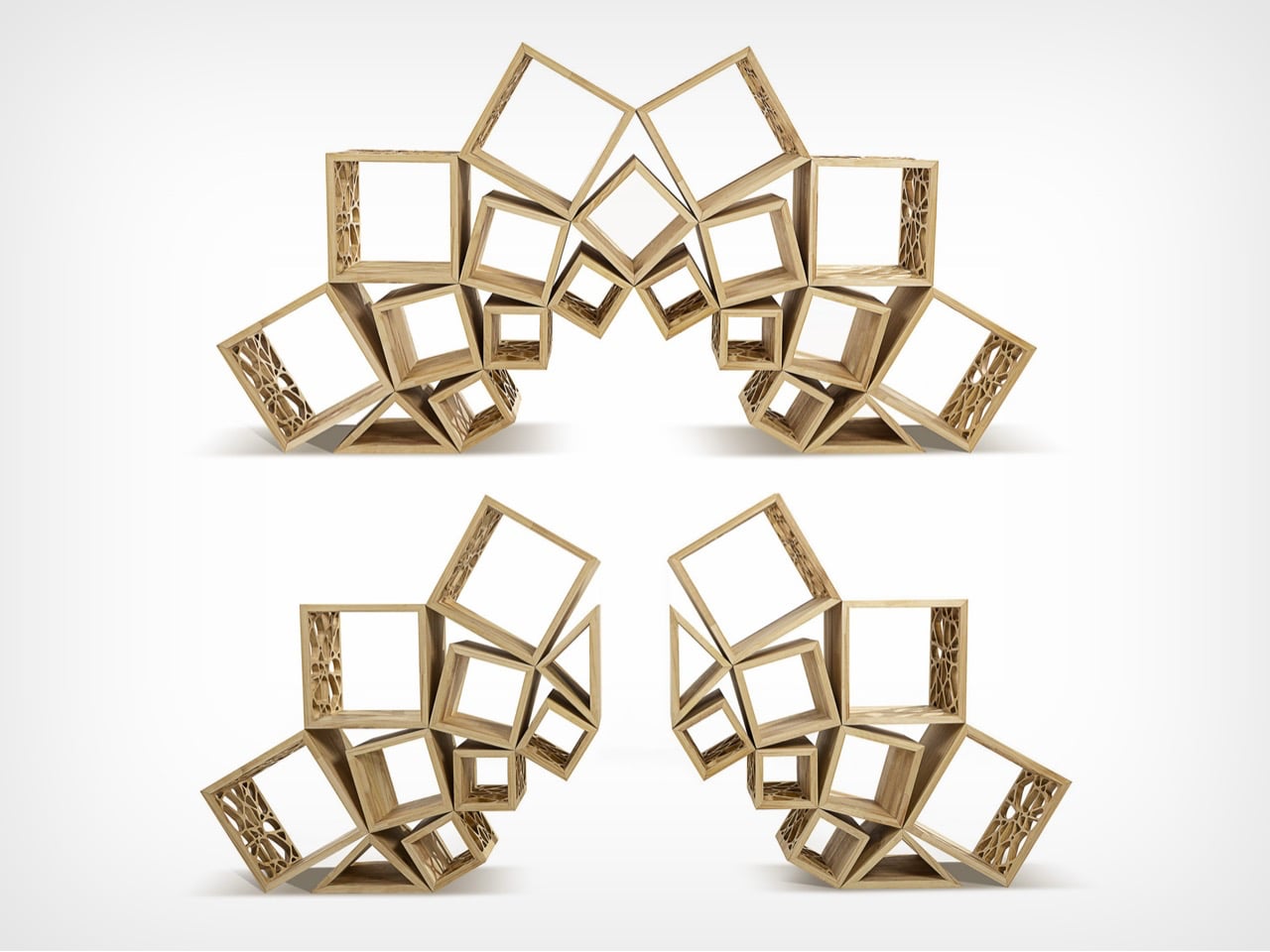
Fractal 9 is defined by its strong geometric identity, where form is driven by precision and not just decoration. The design builds on fundamental shapes like the square, structured through proportions influenced by the golden ratio and the recurring logic of the number nine. These elements guide the composition, creating a balanced system of volumes that feels both ordered and visually dynamic. The result is a piece where every line, angle, and intersection contributes to a cohesive geometric language, giving the object a sculptural clarity that stands out in any space.
This geometric thinking extends into its modular structure, allowing the form to shift while maintaining harmony. Inspired by fractal patterns, the design repeats and scales its geometry in a way that feels consistent across configurations. Whether assembled as one unit or divided into parts, the proportions remain intact, preserving visual rhythm. The transparency of acrylic elements further highlights the geometry, making connections and alignments visible, turning the structure itself into the defining aesthetic feature.
2. Playful Shapes That Feel Fun
Playful furniture explores geometry with curiosity and experimentation. Bold shapes like spheres, arcs, and asymmetrical forms create pieces that feel lively and unexpected. These designs blur the line between art and utility, inviting interaction and emotional connection.
Such furniture often appeals to a younger audience seeking individuality and expression. Bright colors and unconventional forms transform everyday objects into conversation starters. Geometry becomes less rigid and more expressive, proving that functionality does not have to come at the cost of creativity or joy.
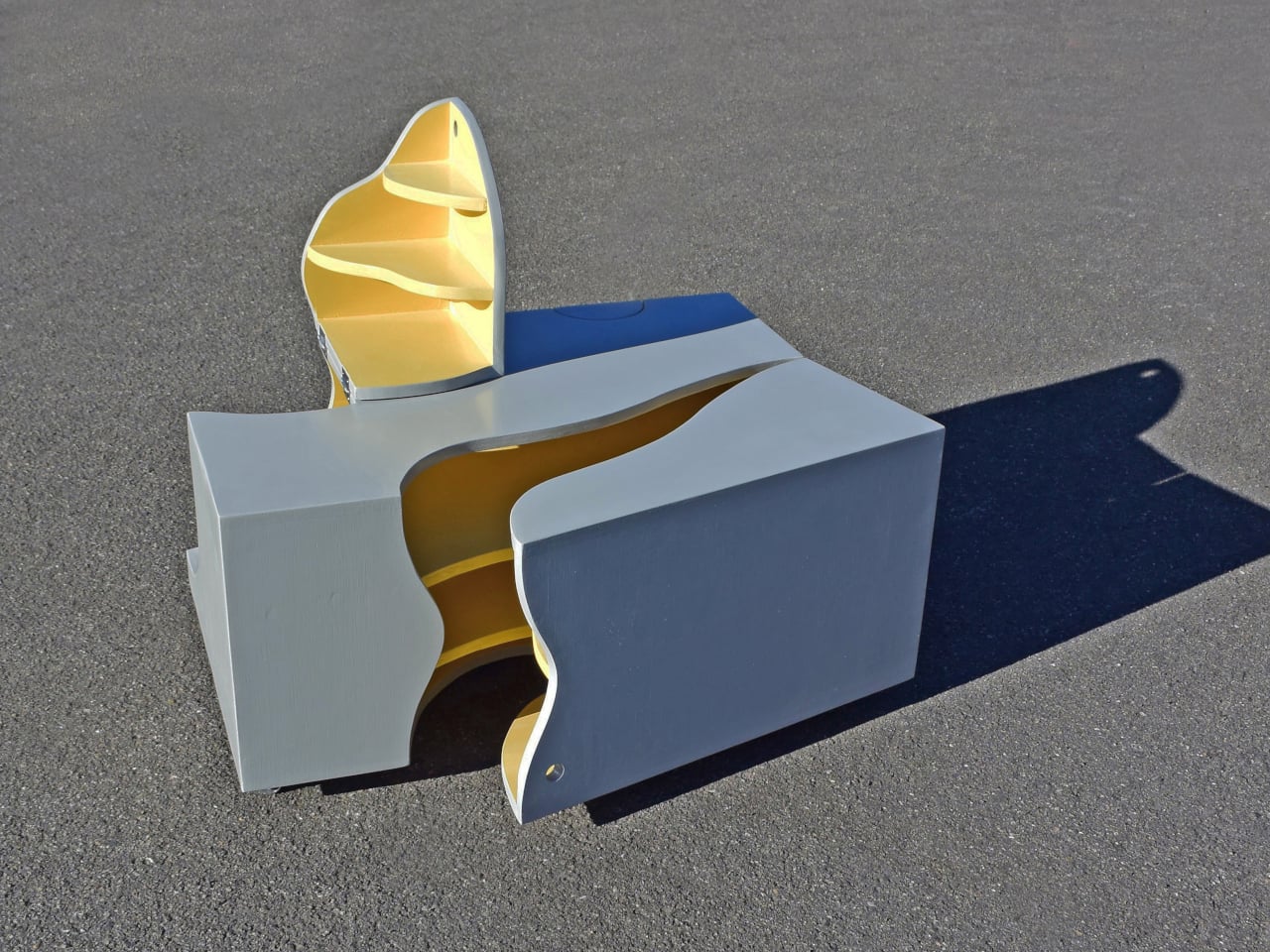
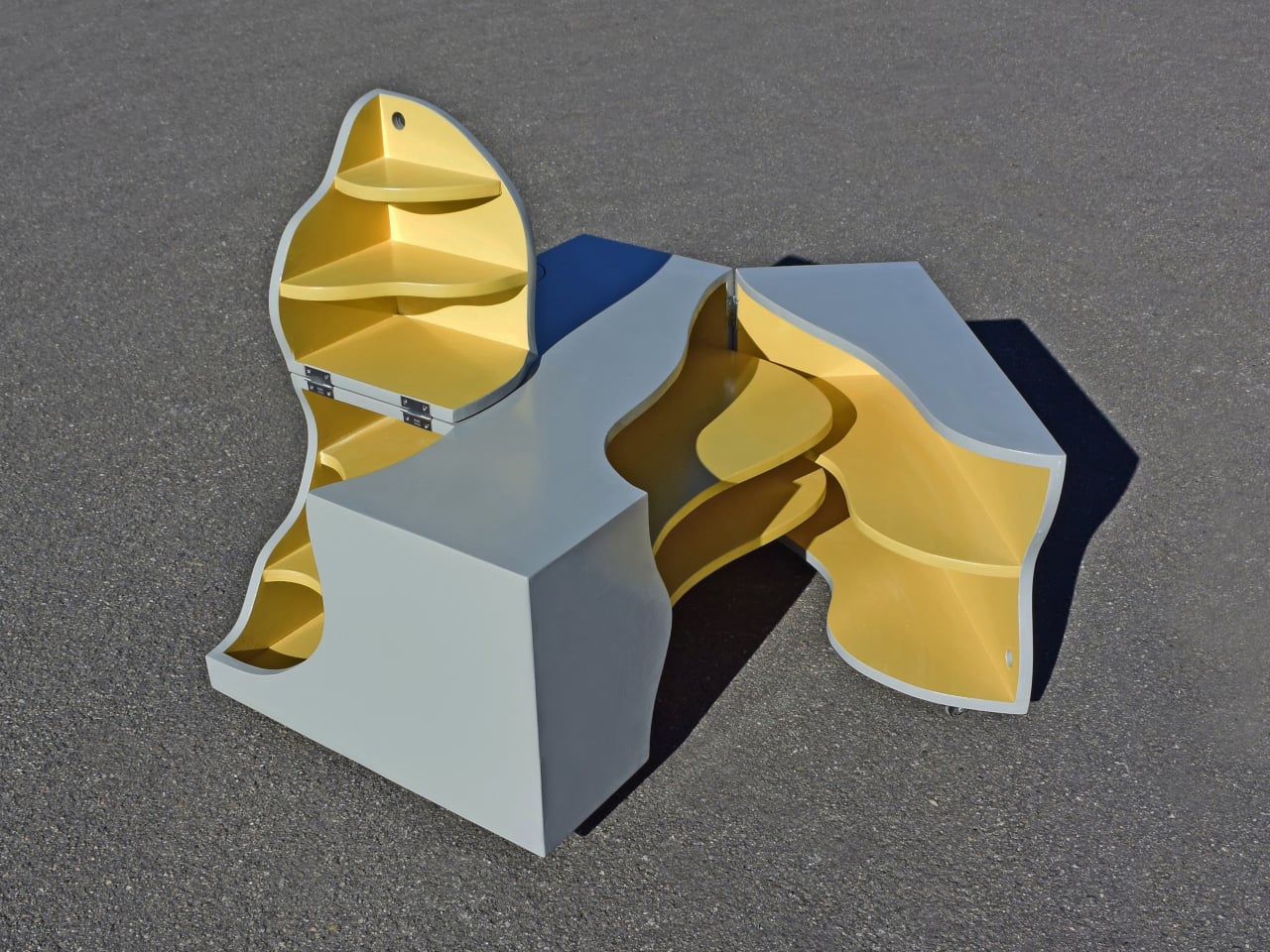
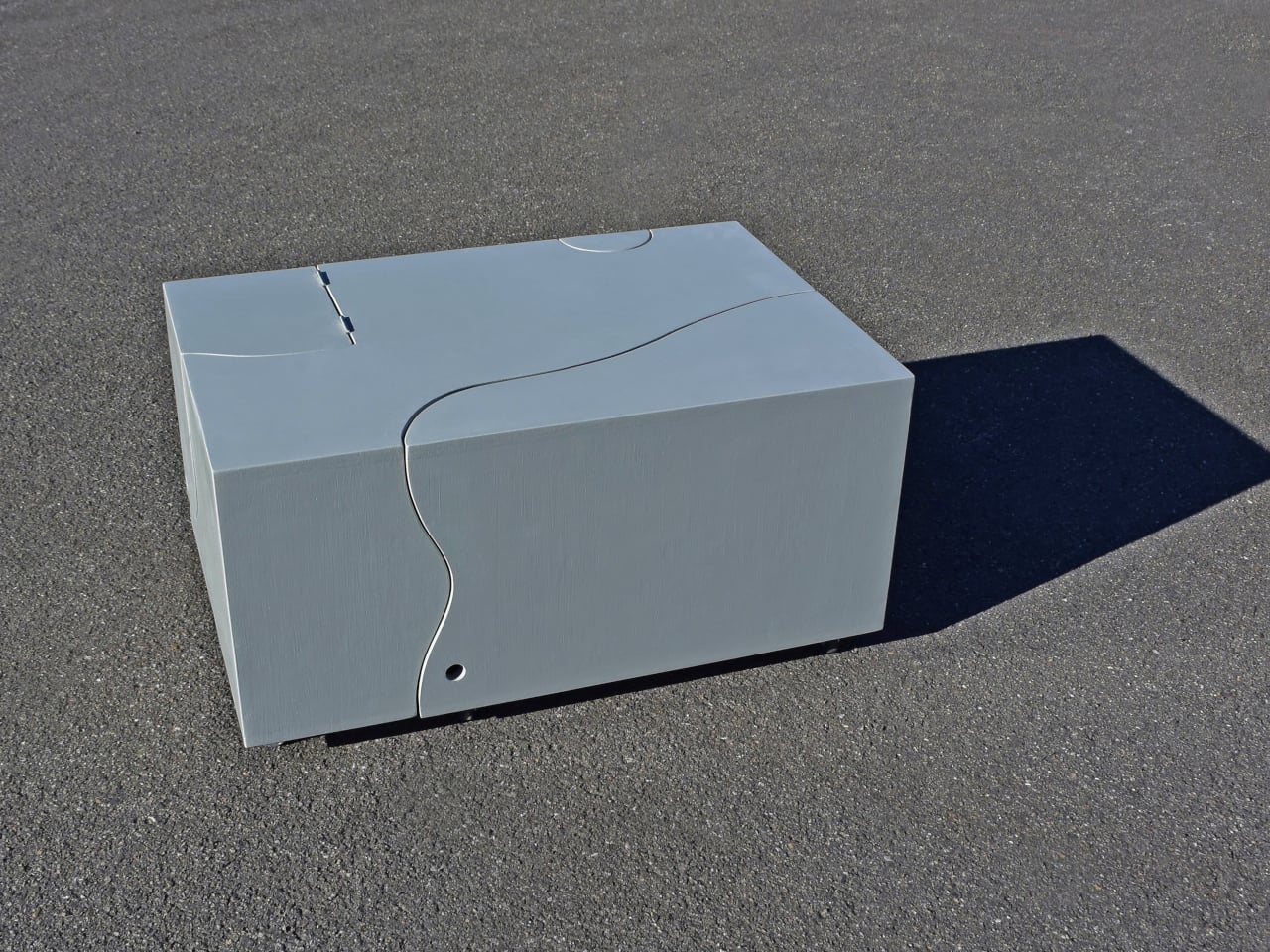
Most furniture stays predictable and is fixed in form and limited in function. The Interactive Transformation Table by Michael Jantzen breaks that pattern by turning a simple object into an evolving, geometry-driven product. At first, it appears as a compact wooden box defined by clean proportions and subtle curved cut lines. These incisions are not random as they introduce a layered geometric logic where straight edges meet flowing curves. The exterior reads as a solid volume, yet the visible seams suggest hidden movement, creating a sense of tension between stability and transformation.
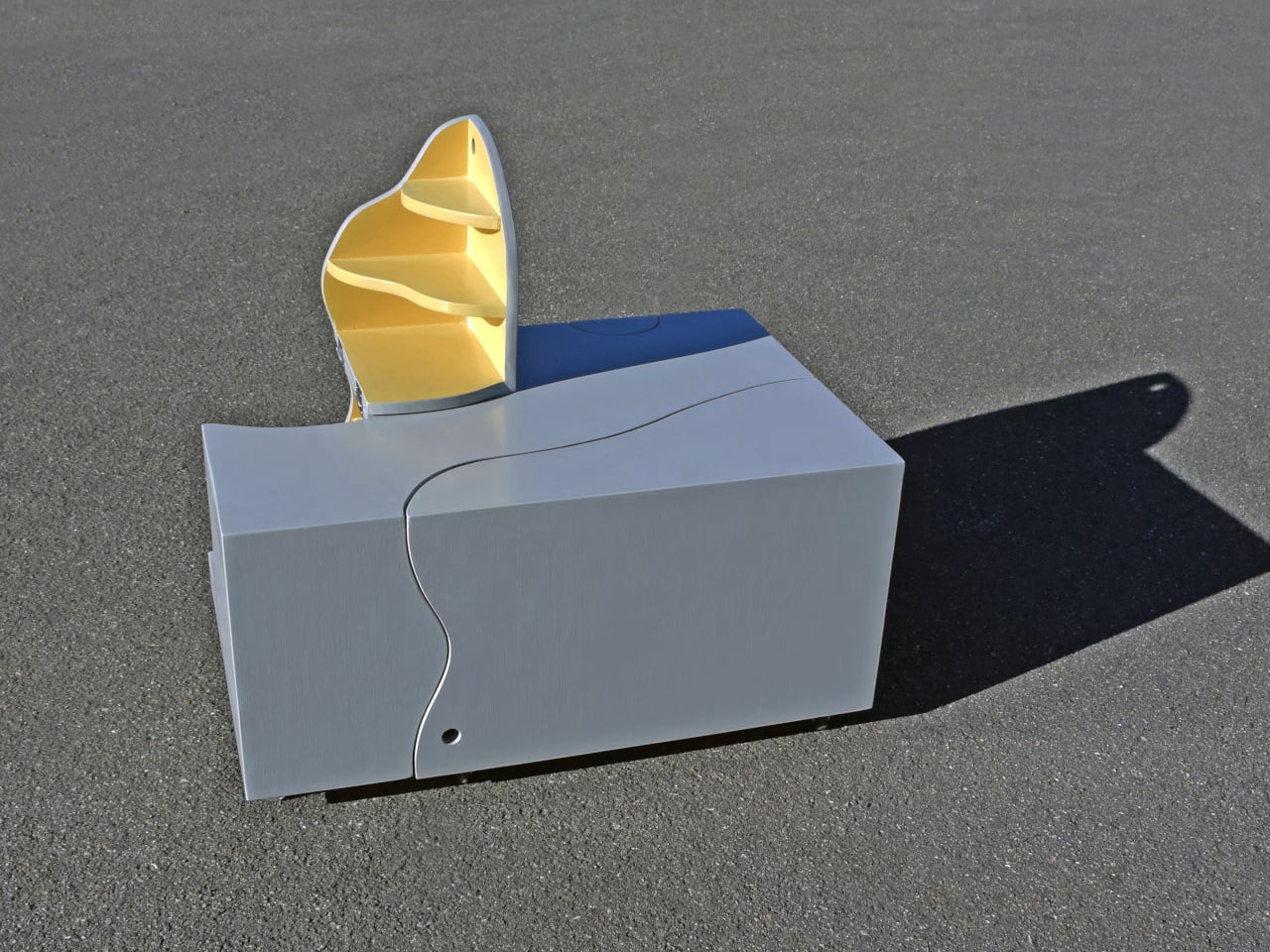
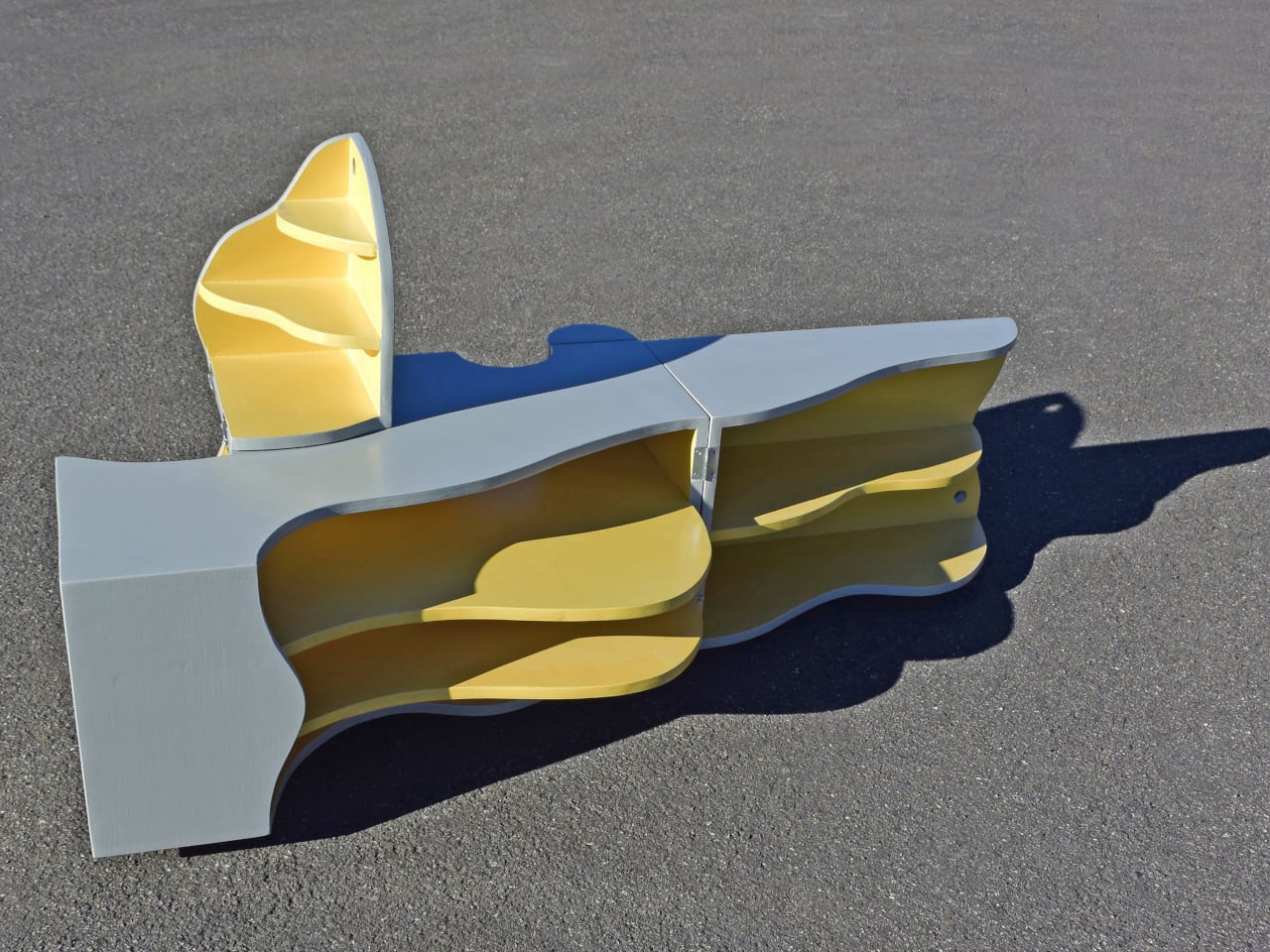
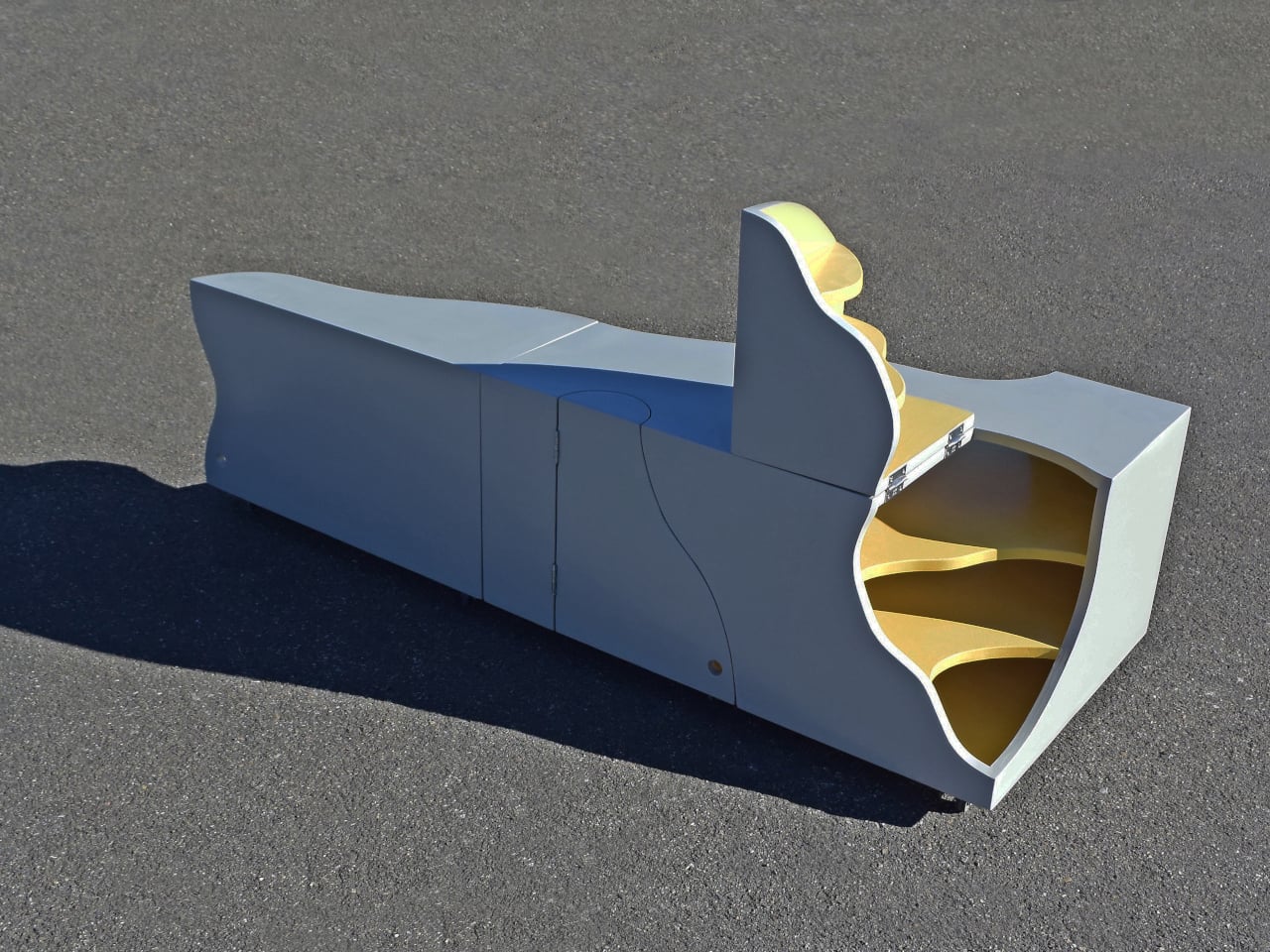
Once engaged, the table unfolds into multiple sections, revealing a complex geometric composition in motion. Hinged parts rotate and expand along precise axes, shifting from a compact rectangular form into a series of organic, interlocking shapes. The contrast between linear geometry and fluid curves becomes more pronounced, while bright interior shelves emphasize depth and structure. Each configuration maintains balance despite constant change, showing how geometry can be both controlled and expressive. The result is a product that uses transformation as its core design language.
3. Smart Storage With Style
Storage solutions are increasingly defined by geometric precision. Shelving units, cabinets, and organizers use grids, hexagons, and intersecting planes to create visually structured systems. These designs bring order not just physically, but visually, making spaces feel organized and intentional.
At the same time, geometric storage enhances spatial efficiency. By maximizing volume through structured forms, these pieces make better use of available space. The result is storage that is practical and sculptural, turning necessity into a design feature and not something to hide.
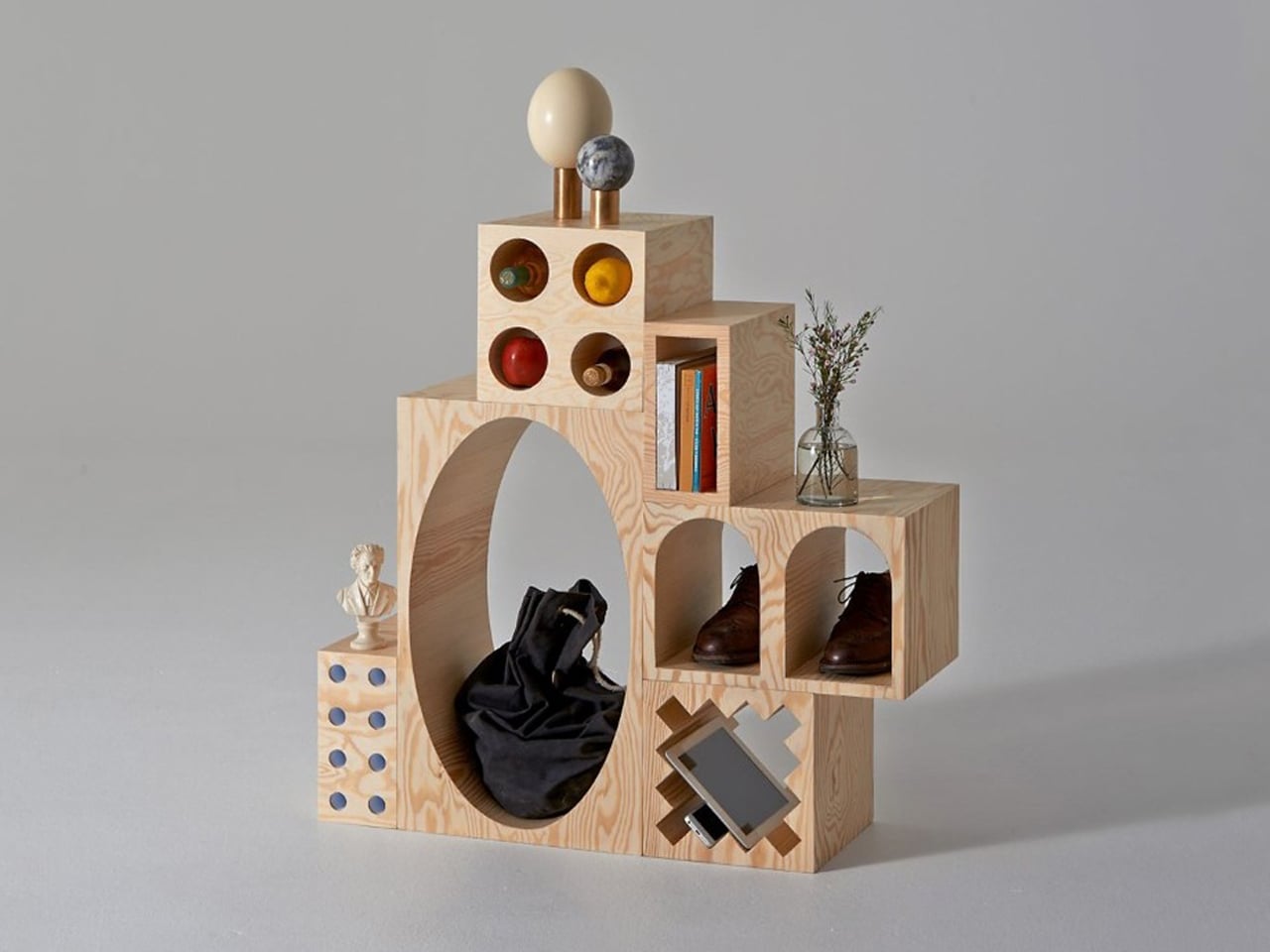
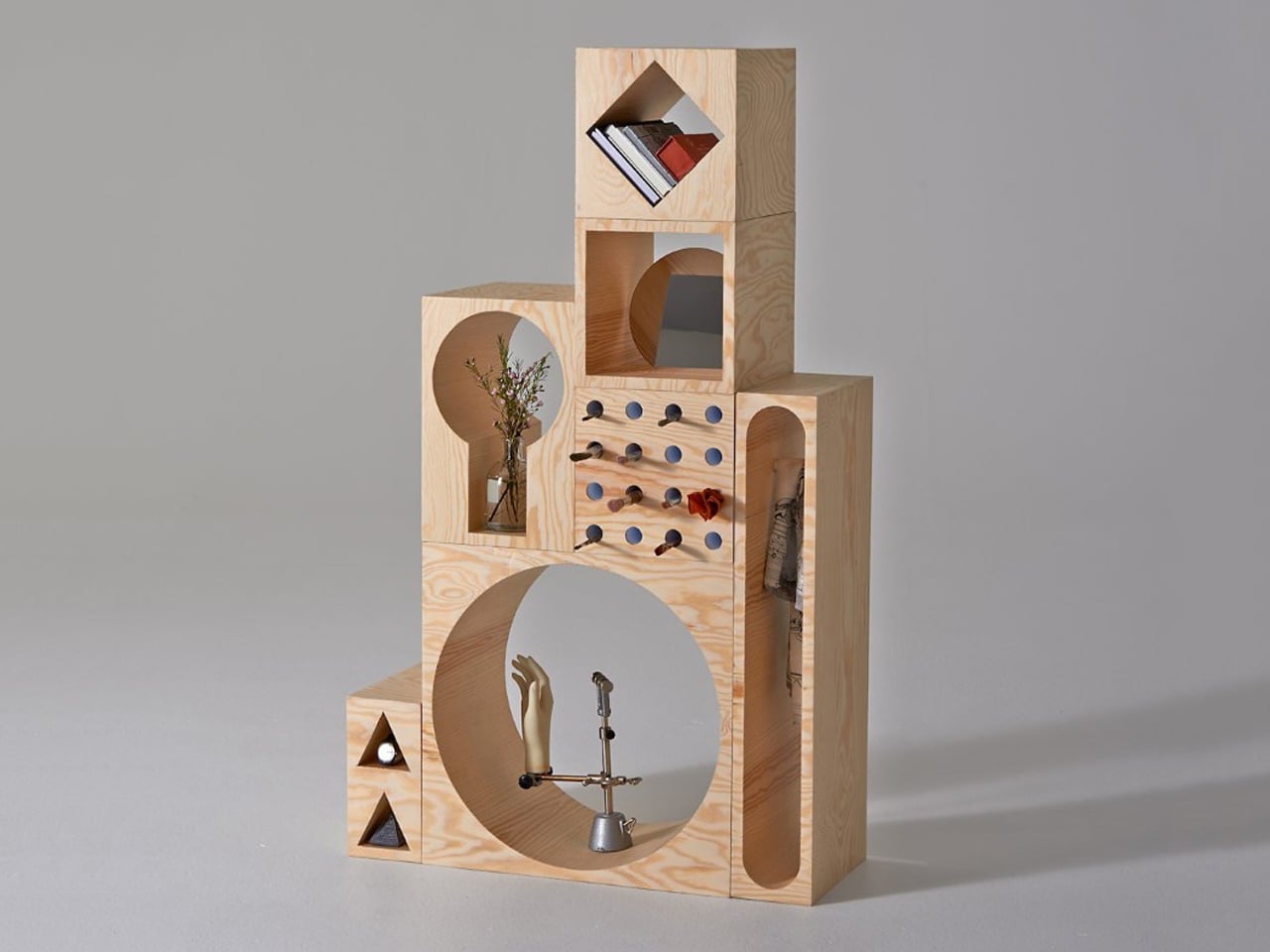
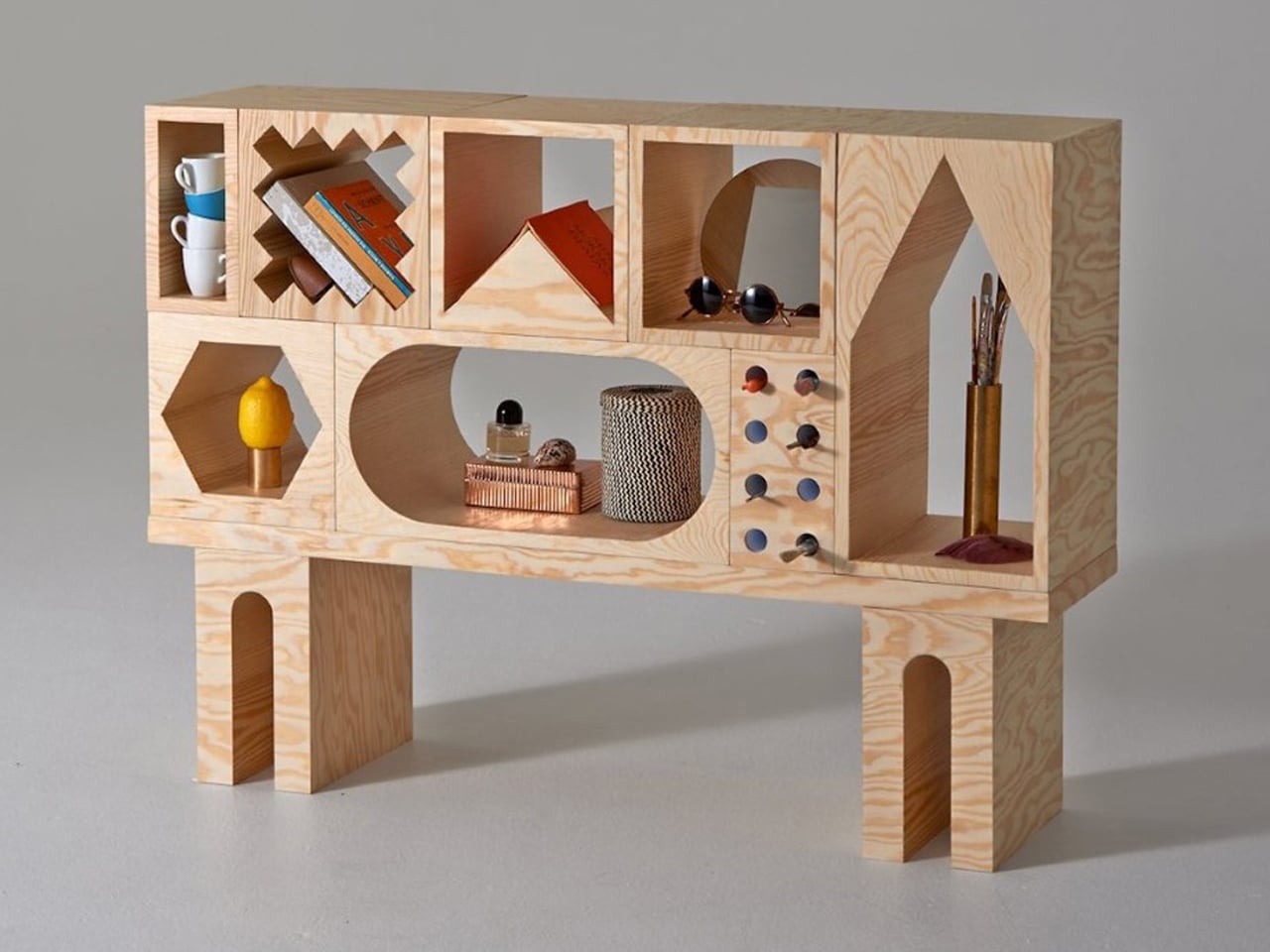
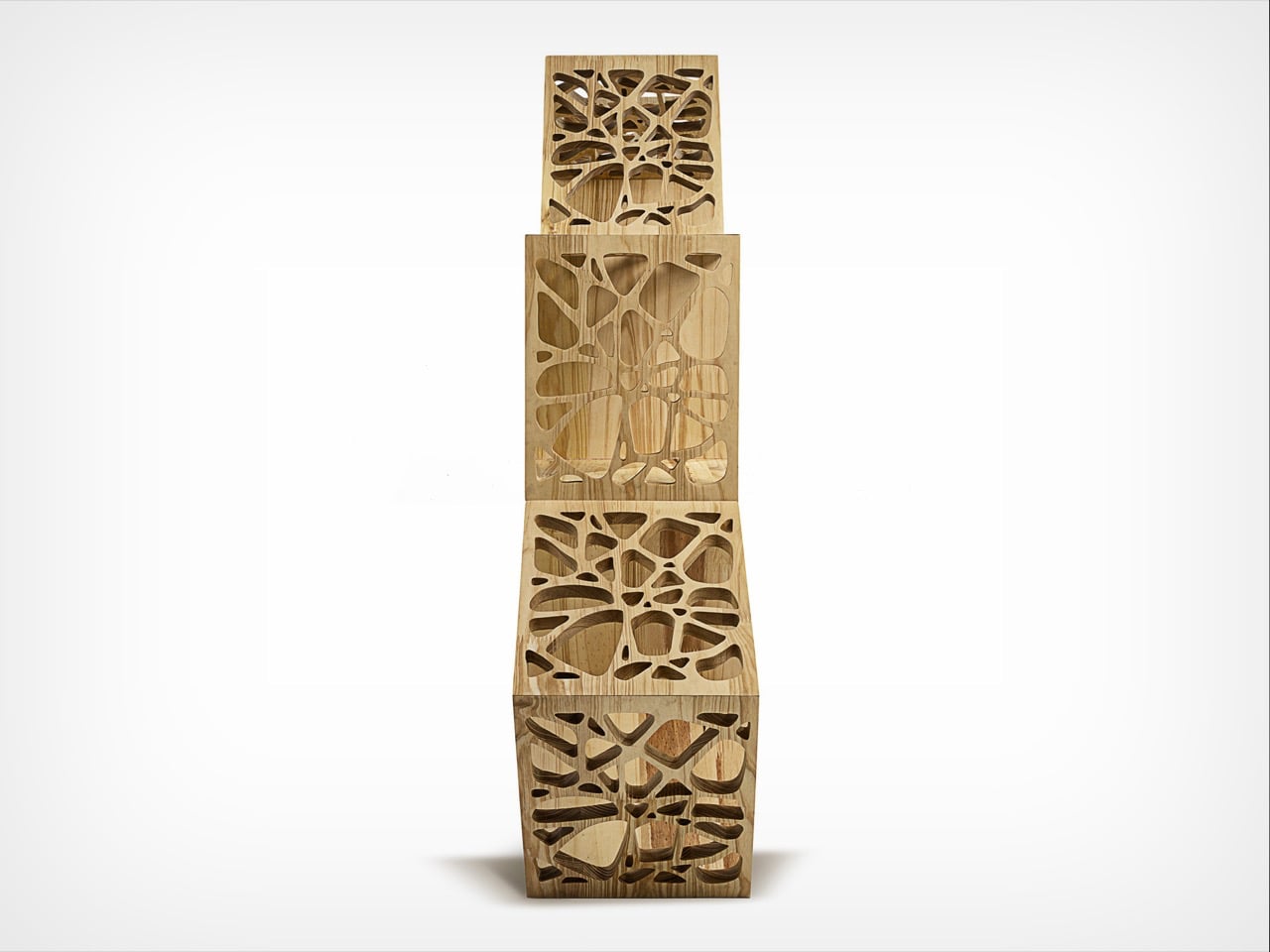
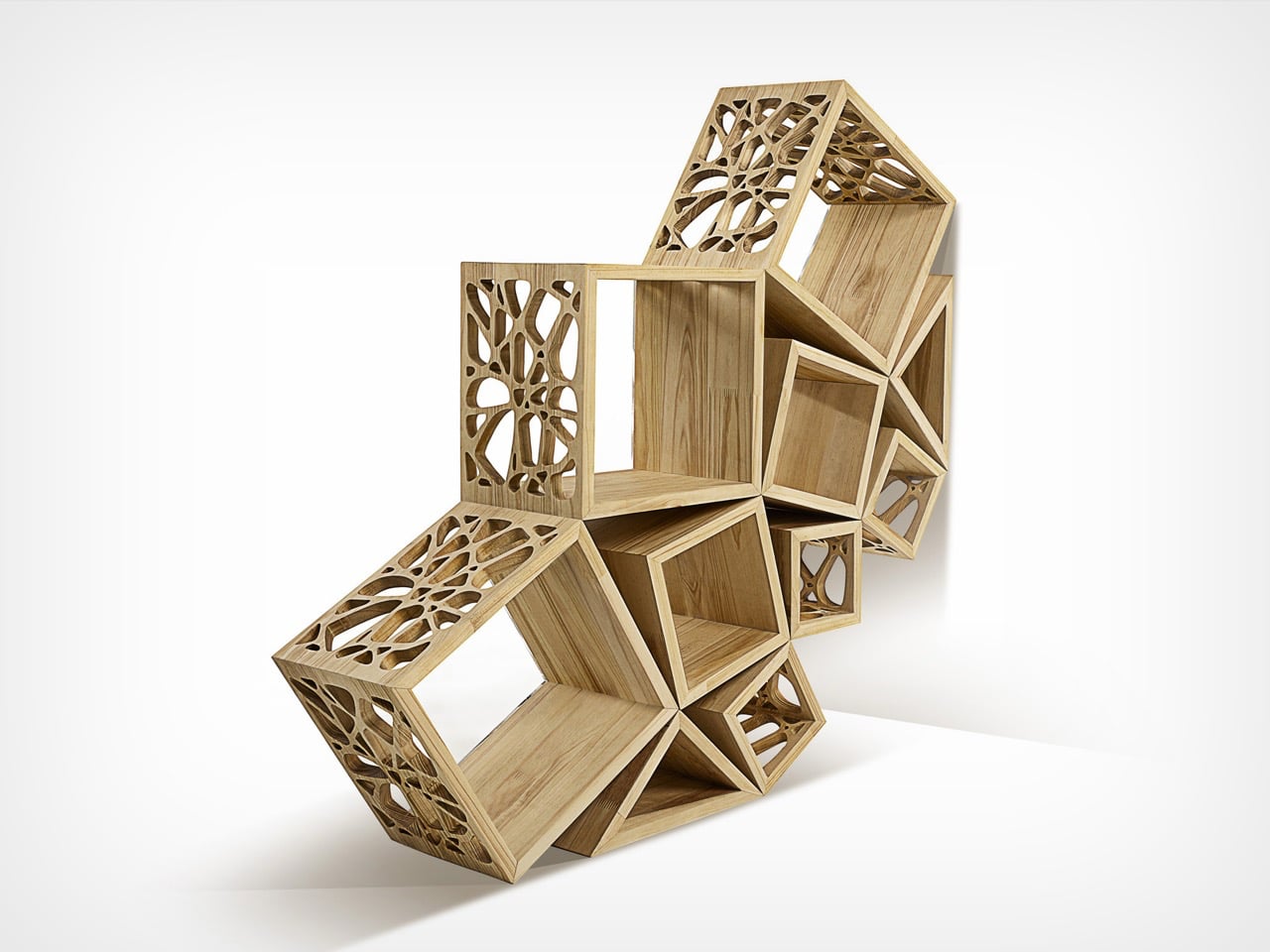
Simple yet unexpected, the ROOM Collection by Erik Olovsson and Kyuhyung Cho redefines furniture through a strong geometric lens. At its core, the system is made of modular wooden blocks, each carved with distinct geometric voids. These negative spaces range from familiar squares and rectangles to more expressive circles, triangles, and hexagons. The contrast between solid mass and carved geometry gives every block a unique identity, turning storage into a study of form, proportion, and spatial rhythm.
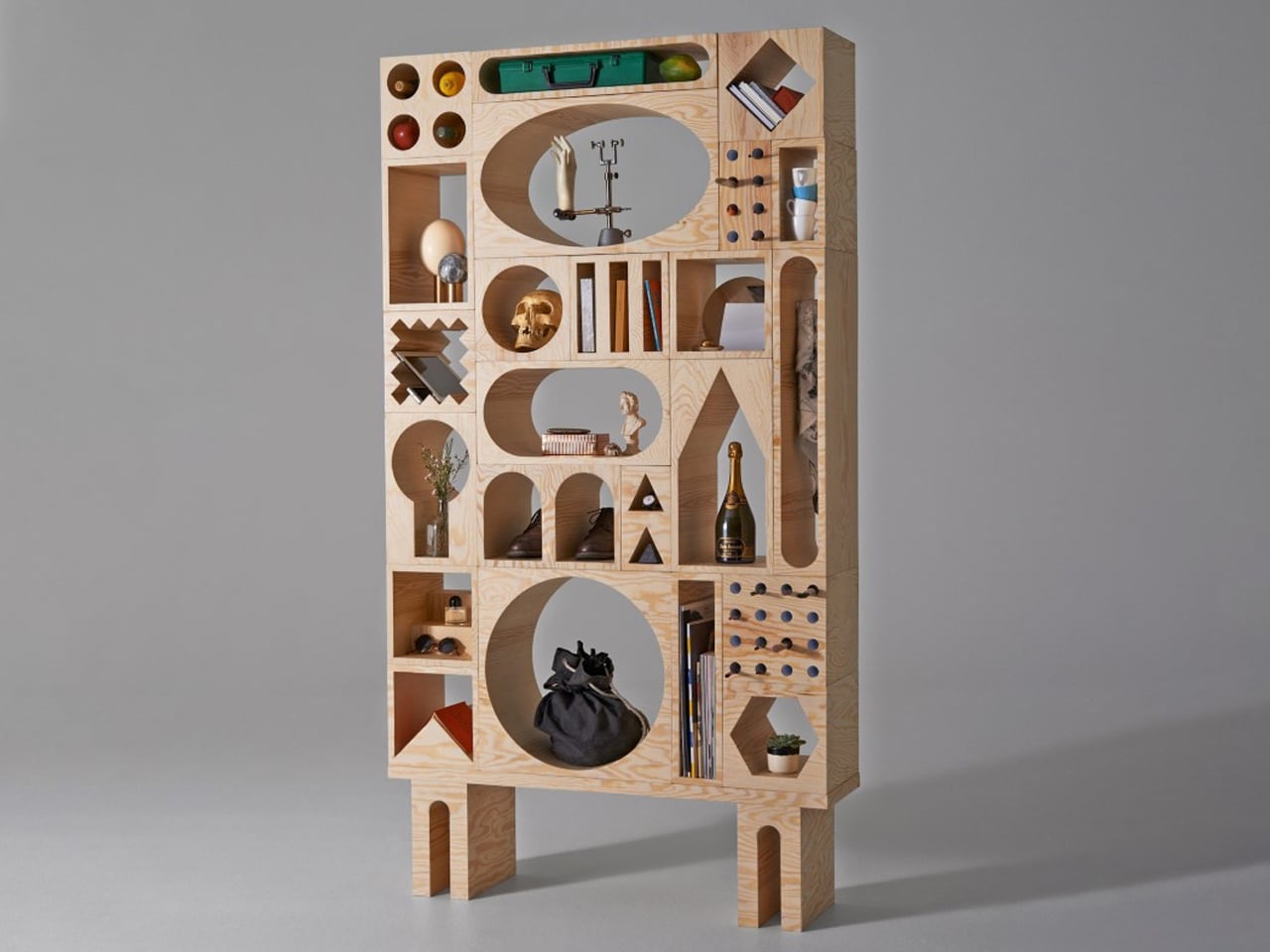
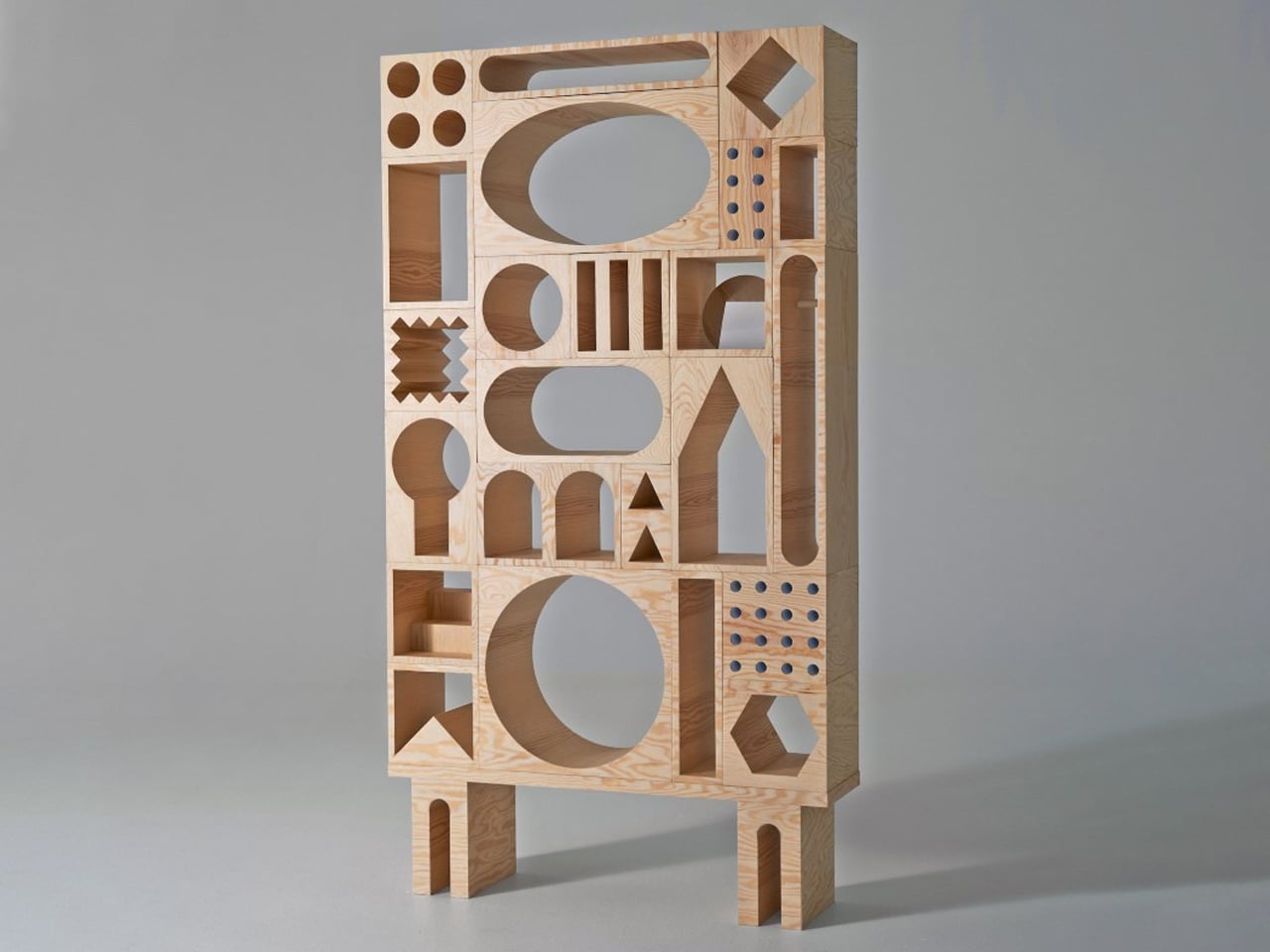
As the blocks are stacked and arranged, they create a dynamic composition of interlocking shapes, almost like a three-dimensional geometric collage. Each cutout acts as a “room,” designed to hold objects while contributing to the overall visual balance. The geometry not only defines function but also drives aesthetics, transforming shelves into architectural compositions. Crafted in plywood with a pine veneer, the system feels structured and playful.
4. Masters Who Shaped Design
The work of Frank Lloyd Wright demonstrates how geometry can shape both architecture and furniture seamlessly. Wright often designed furniture as an extension of his buildings, using strong linear forms and geometric patterns to create a unified visual language.
His furniture was not decorative but integral, reinforcing spatial harmony and function. By aligning form with structure, he showed how geometry could guide design at every scale. This approach continues to influence contemporary designers, proving that thoughtful geometry can transform furniture into enduring functional
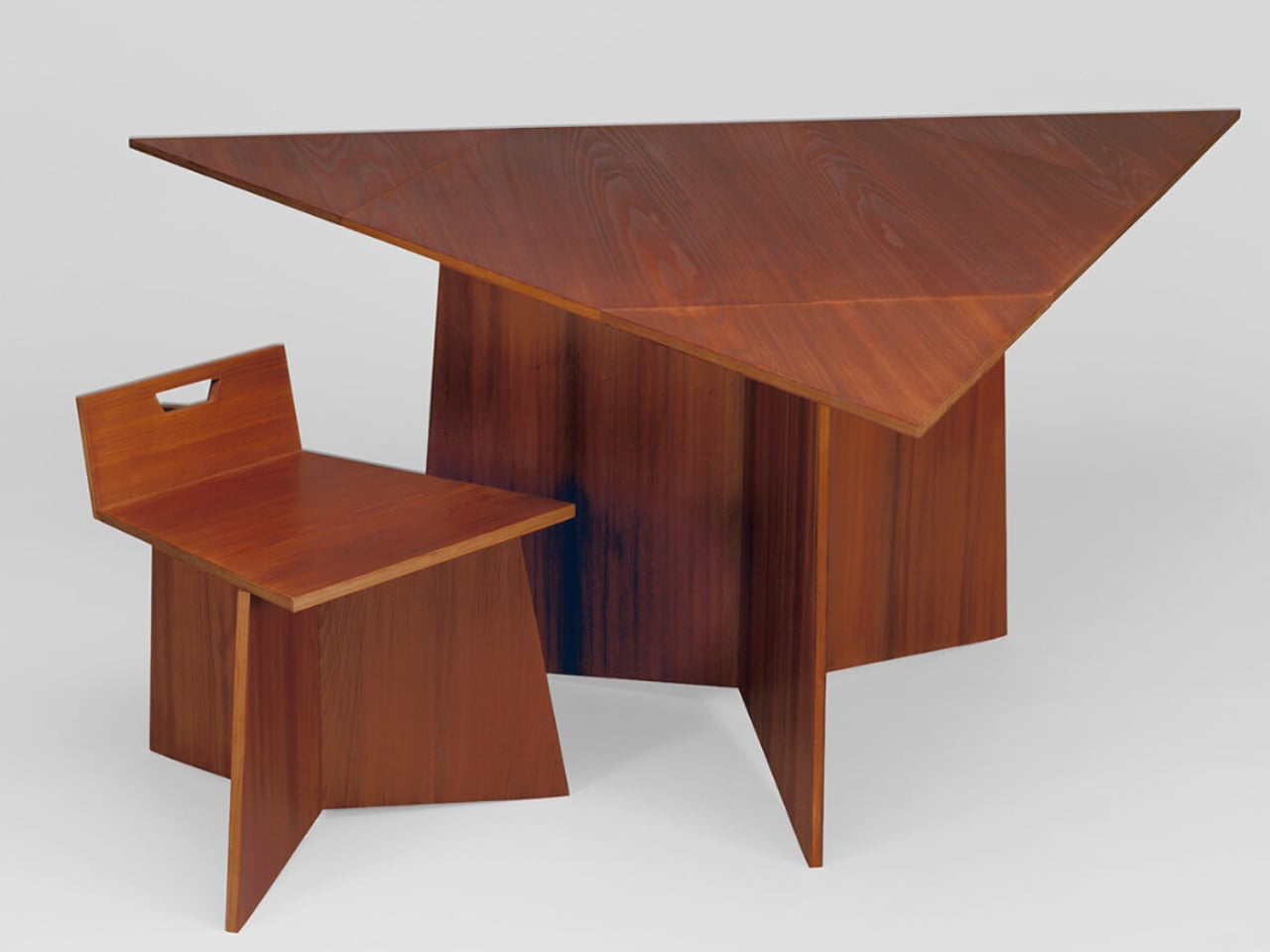
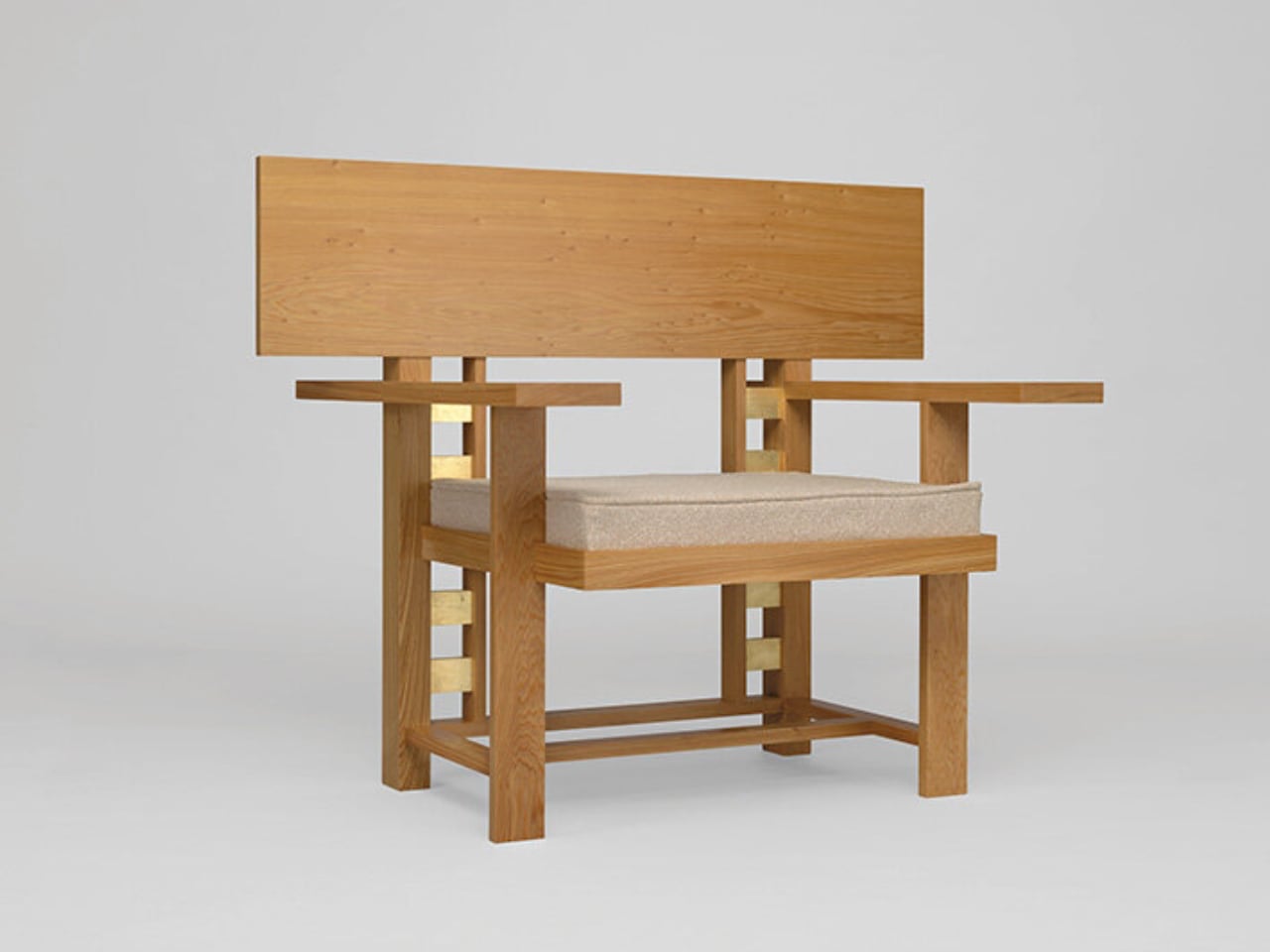
The Museum of Wisconsin Art unveils a remarkable chapter of Frank Lloyd Wright’s legacy by presenting chairs that never moved beyond sketches during his lifetime. Hidden in archives for over seventy years, these designs were reconstructed in 2025, offering a rare glimpse into Wright’s unrealized furniture ideas. The exhibition, Frank Lloyd Wright: Modern Chair Design, features over forty works, including newly fabricated pieces based on his original drawings. Rather than revisiting his well-known furniture, the show highlights concepts that remained incomplete, revealing a deeper layer of his creative vision.
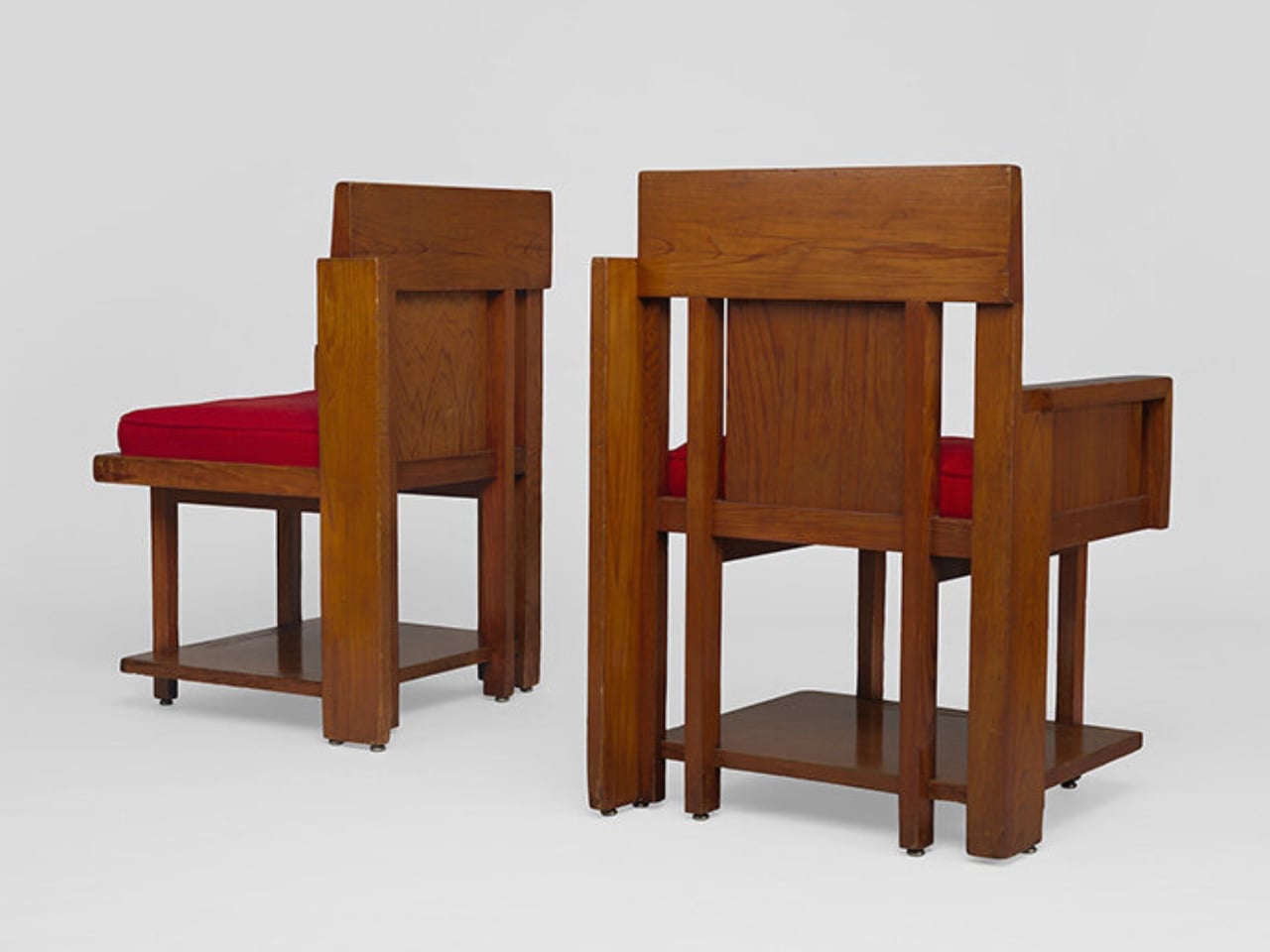
The reconstructed chairs trace Wright’s evolution from early geometric Prairie-style forms to more fluid, organic expressions. Developed through collaboration with the Frank Lloyd Wright Foundation and skilled craftsmen, the pieces combine traditional techniques with modern precision.
5. Minimal Lines Create Big Impact
Minimalist furniture relies on geometry to achieve clarity and balance. Straight lines, simple planes, and proportion-driven forms eliminate excess while maintaining a strong visual presence. The beauty lies in precision, where every angle and dimension serves a purpose.
This approach creates calm, uncluttered environments that feel refined and timeless. Geometry becomes the backbone of simplicity, ensuring that even the most minimal pieces remain impactful. It reflects a mindset that values quality, intention, and the quiet power of well-resolved design.
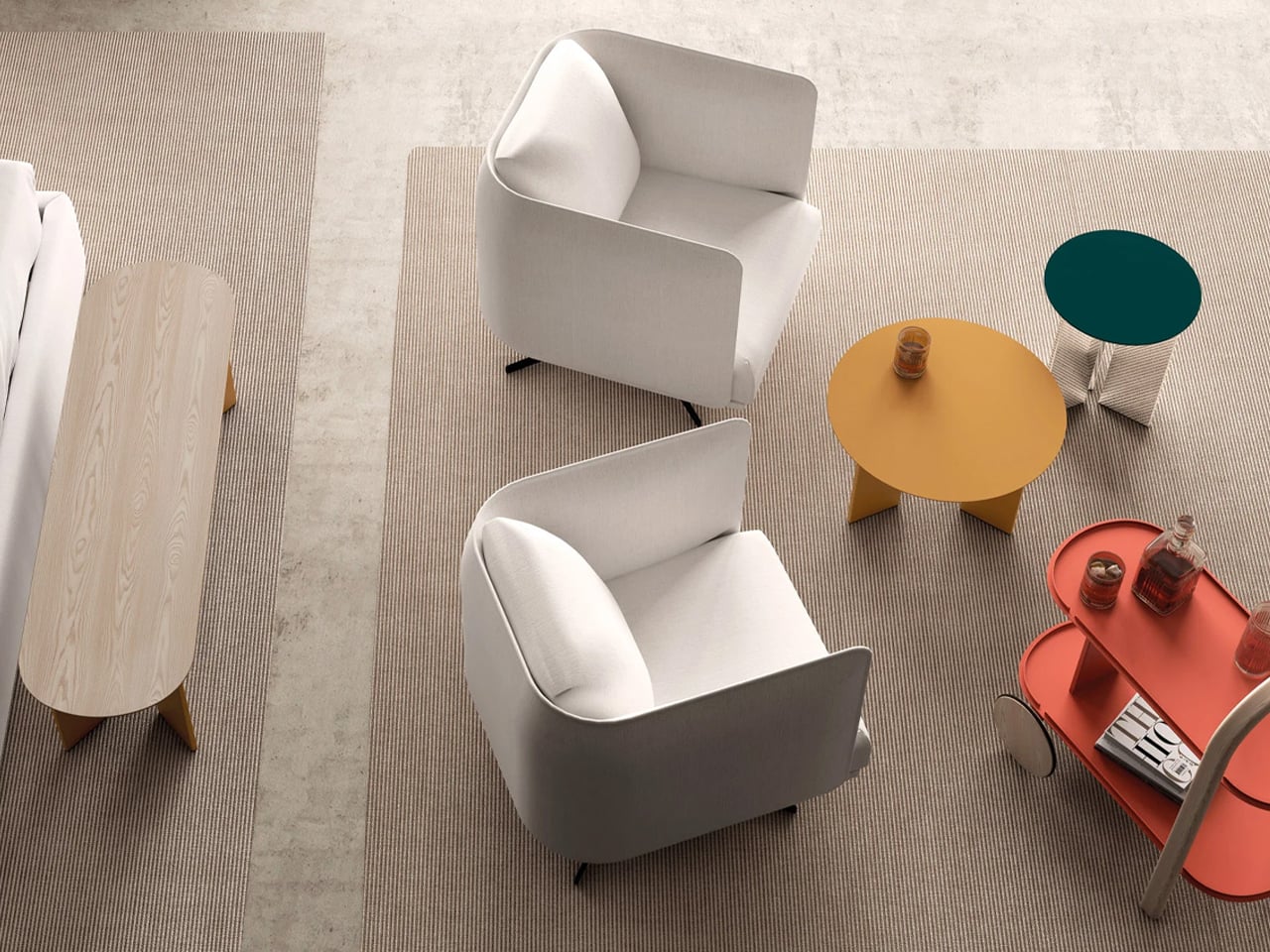
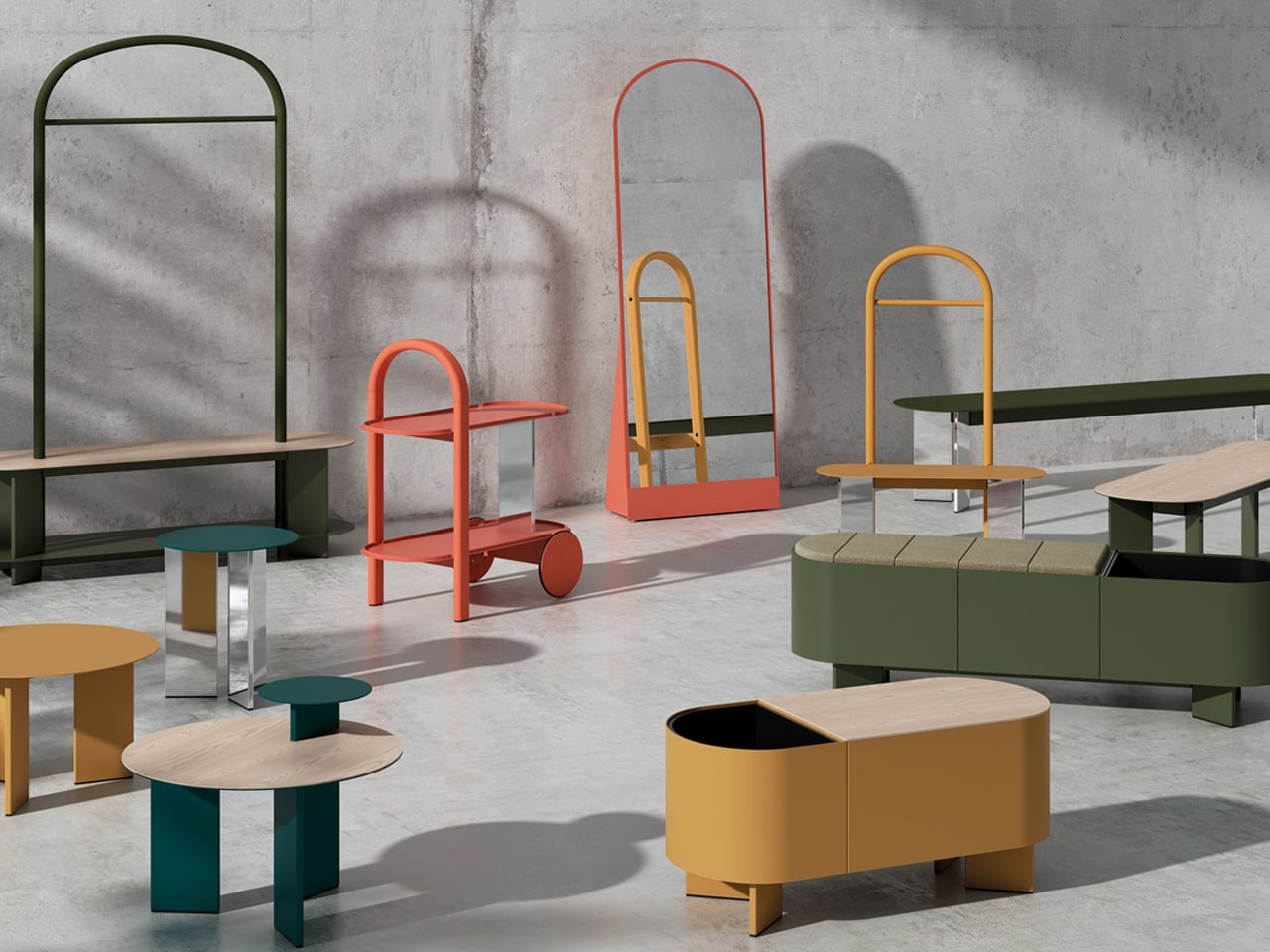
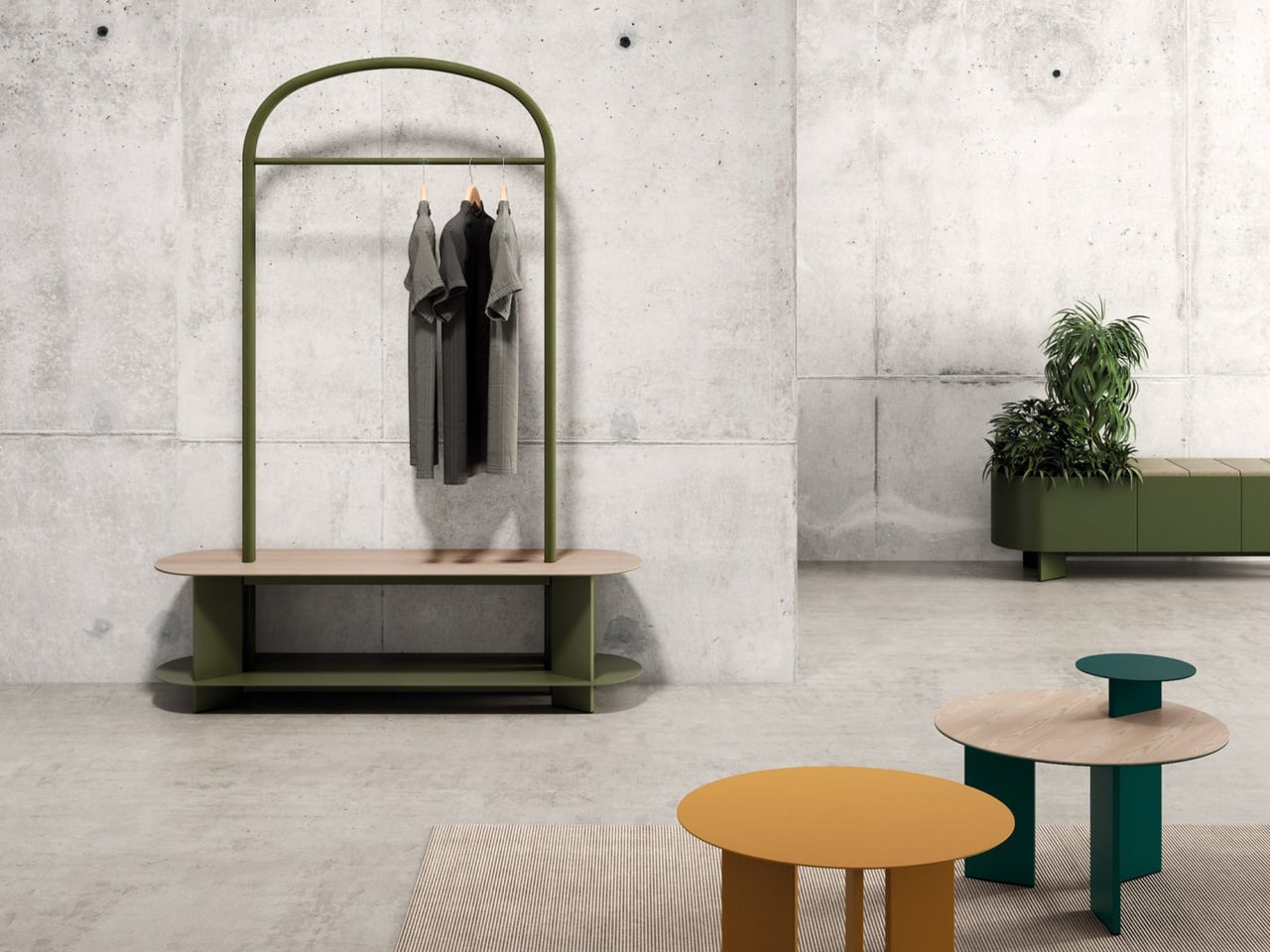
The Croma collection, designed by Lagranja Design for Systemtronic, is defined by a clear and consistent geometric language. Each piece is built around soft curves, circular forms, and gently arched profiles, creating a visual rhythm that feels structured and fluid. The design uses geometry as its core identity, balancing straight lines with rounded edges to achieve a sense of proportion and harmony. This approach allows the furniture to feel minimal yet expressive, with every curve and junction carefully resolved.
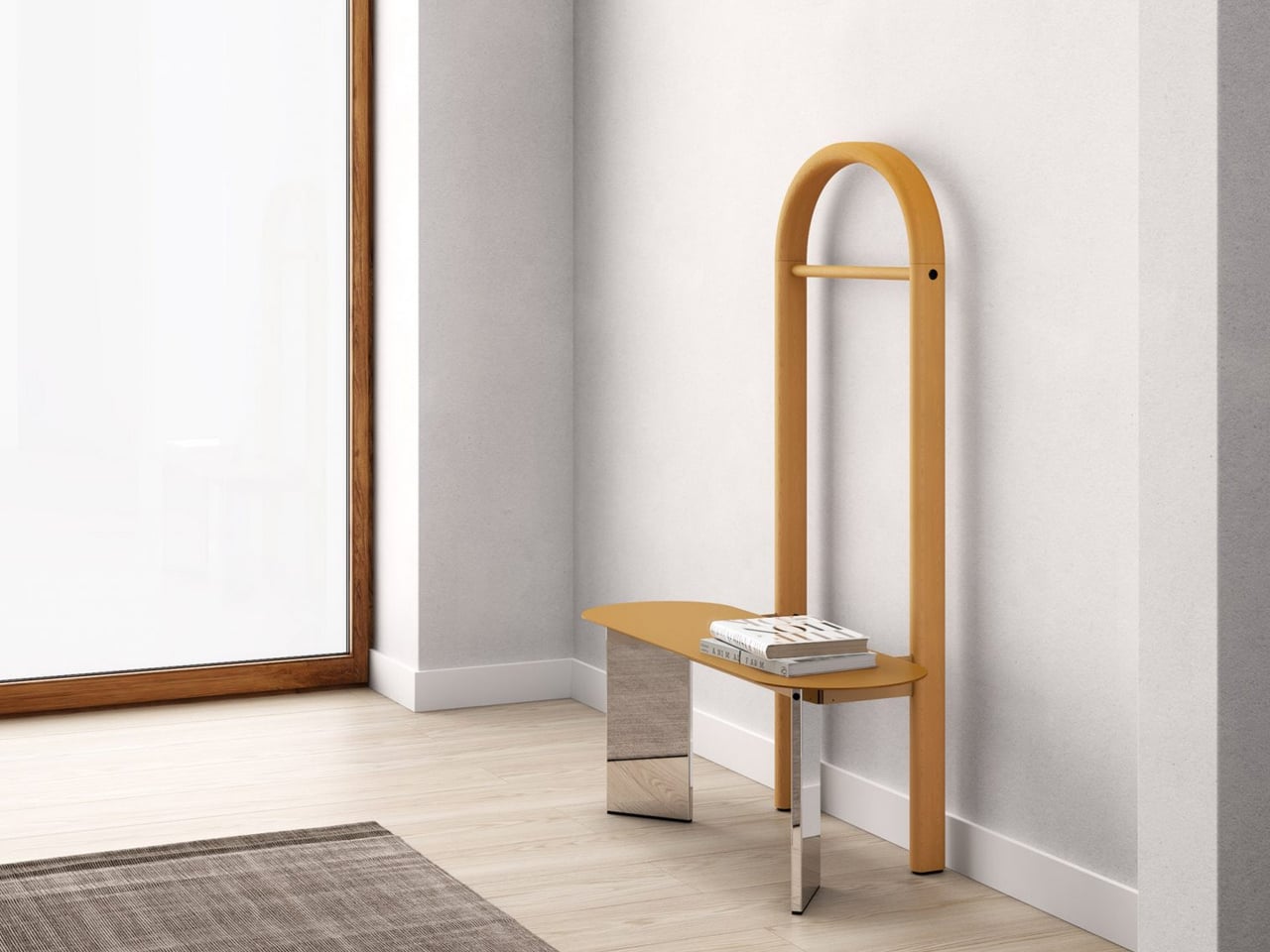
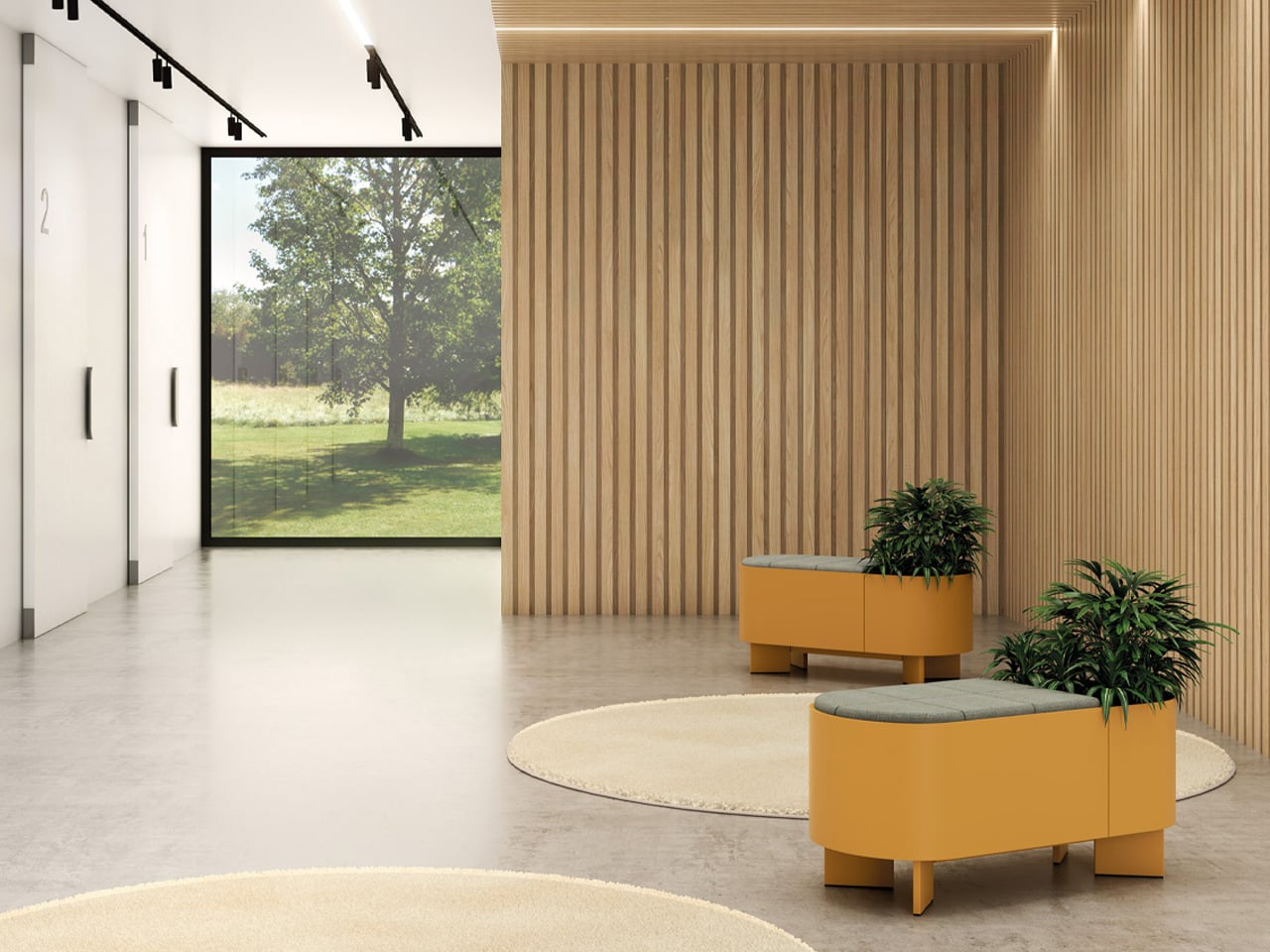
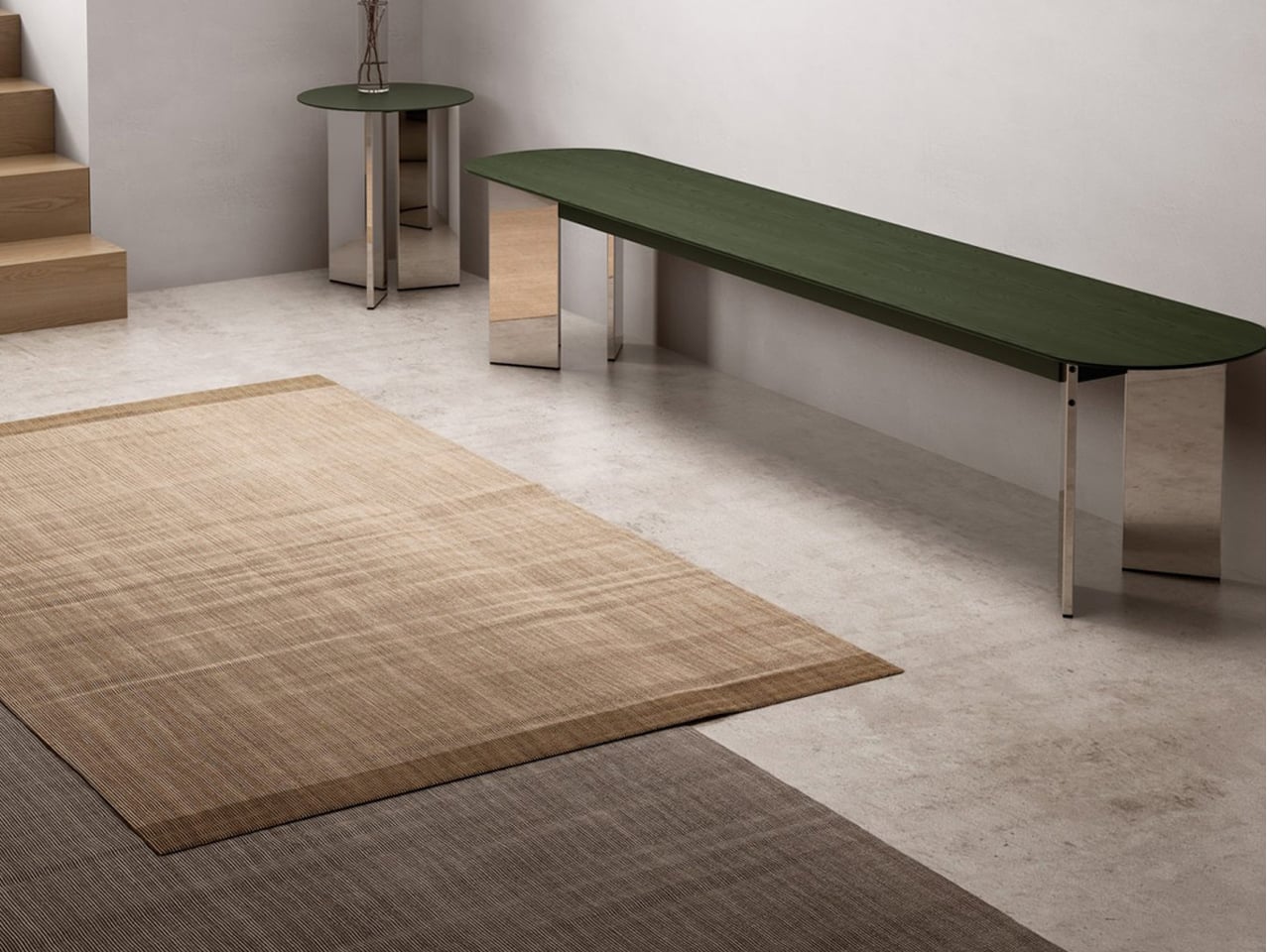
The product range translates this geometry across multiple typologies, including circular tables, arched wardrobes, rounded benches, mirrors, and trolleys. Repetition of forms creates cohesion, while subtle variations keep the collection visually engaging. Materials like ash wood and aluminum further highlight the geometry, contrasting warmth with precision. Each piece functions independently yet fits seamlessly into a larger system, where geometry dictates usability and aesthetics, turning the collection into a unified, sculptural composition.
These concepts show how geometry transforms furniture into purposeful art, where form drives function and emotion. Thoughtful shapes create adaptable, expressive pieces that redefine everyday living, turning spaces into dynamic reflections of design and individuality.
The post 5 Furniture Pieces So Geometric They Could Hang in a Gallery first appeared on Yanko Design.