
Here is a fun little irony nobody asked for. The same AI boom that is making your laptop smarter is also making storage more expensive and harder to get, because every gigabyte of NAND that could go into your next SSD is currently being fought over by datacenters training the next big model. Micron basically said the quiet part out loud this year, killing off its own consumer brand Crucial to chase those fatter AI margins. Less choice for regular people, more racks for hyperscalers. Meanwhile the actual demands on your personal storage have only gone up, phones shooting in formats that used to require a cinema camera, and pockets that were never designed to also carry a second device.
Which makes it almost funny that Lexar, the brand Micron itself walked away from years ago, just used its 30th birthday to launch the kind of drive that actually solves that pocket problem. You have probably had a Lexar SD card in a camera bag at some point, or bought one of its USB drives without thinking twice about who made it. At IFA 2026 in Berlin, the company unveiled the Muse Ultra-Slim Portable SSD, a magnetic, credit-card-thin drive built for phone shooters drowning in 4K footage or even people within the Apple ecosystem who don’t want to splurge on cloud storage. Turns out the company nobody expected much from just built the phone accessory a lot of us did not know we needed.
Designer: Lexar
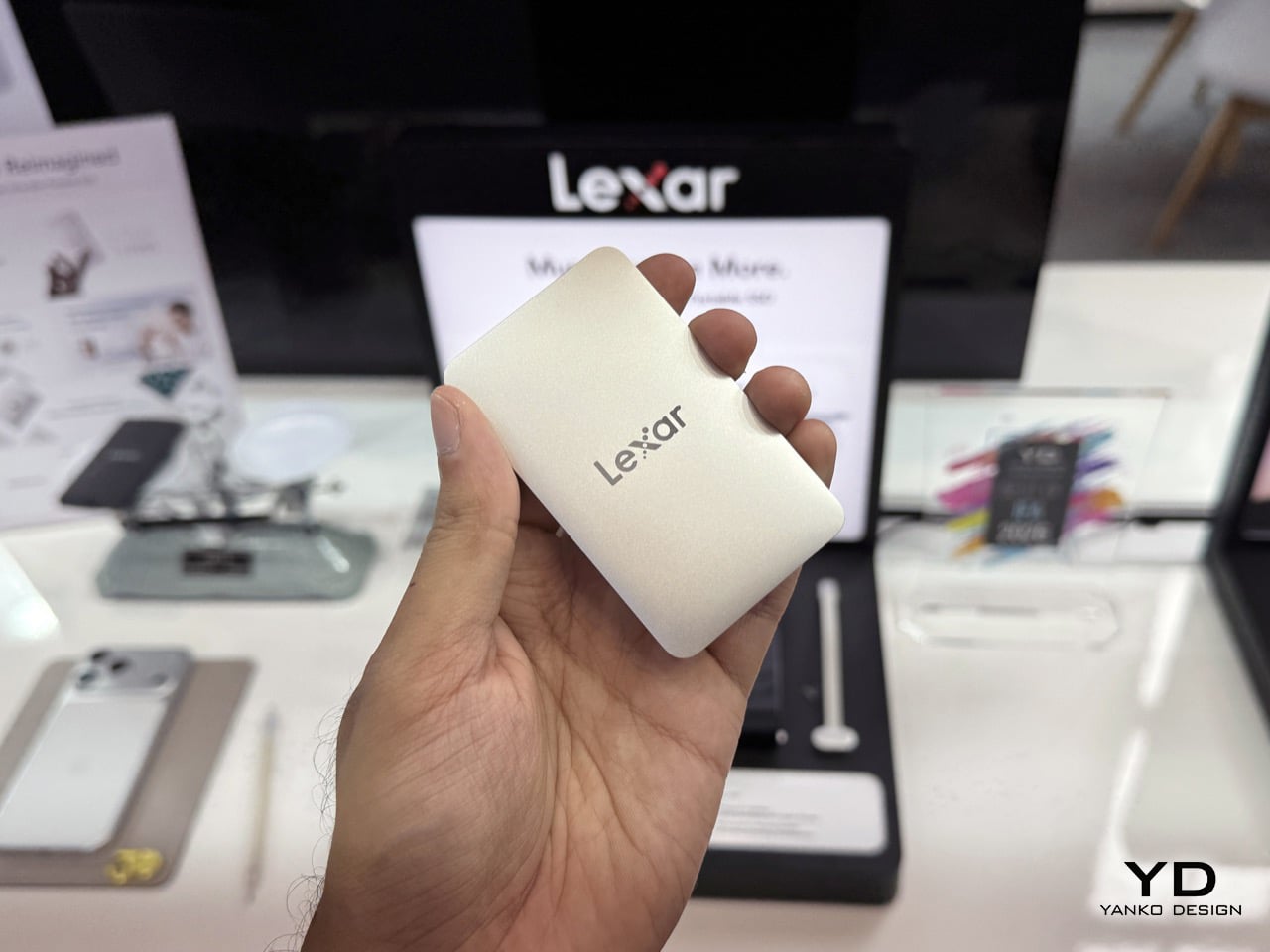
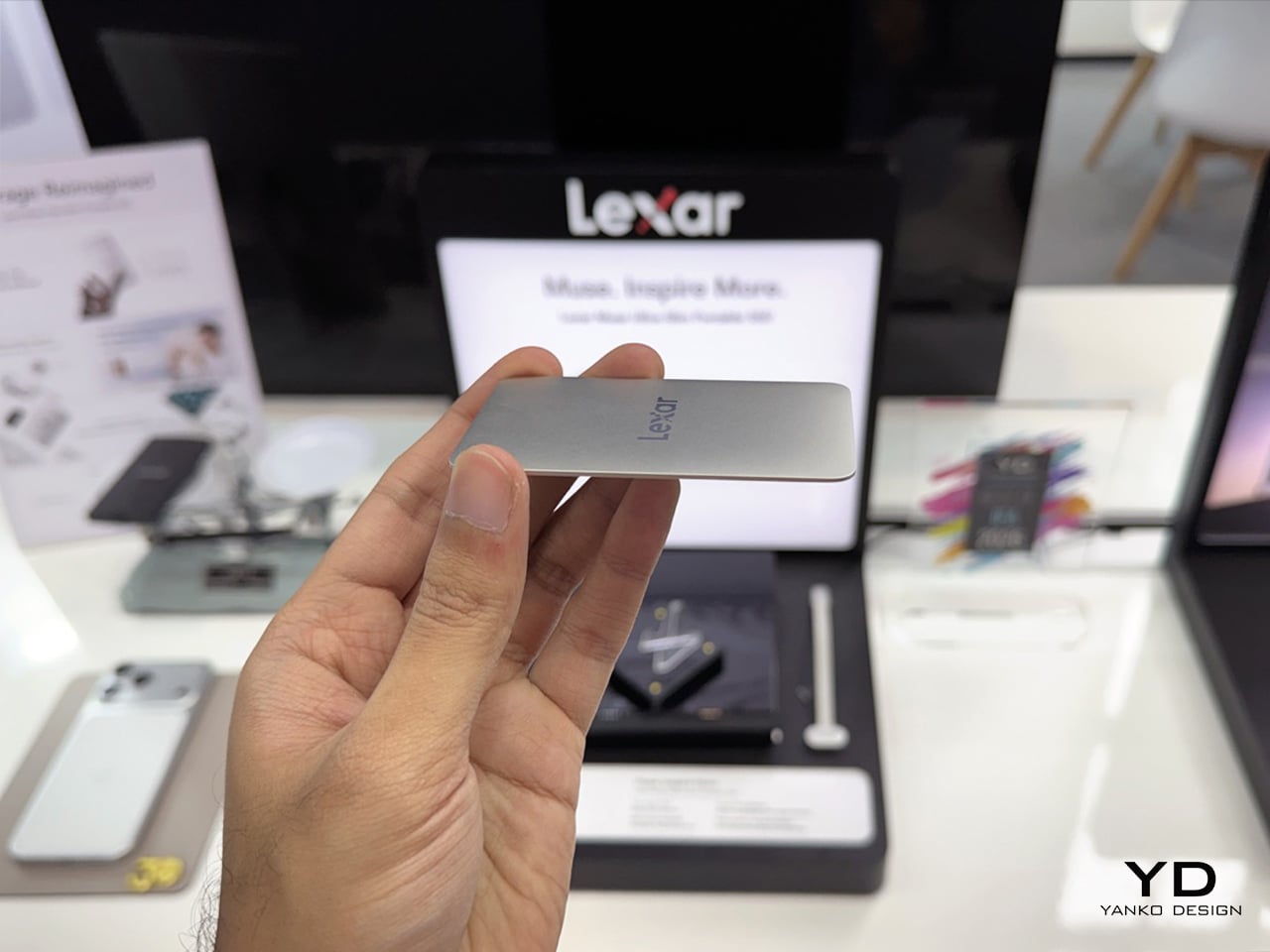
The first thing you notice about the Muse is how little of it there actually is. Lexar carved the enclosure from a single block of metal, no seams, no visible joints, tapering from roughly 3.8mm at its thickest edge down to a single millimeter at the rim, numbers the company is calling the thinnest and lightest portable SSD on the market right now. Hold it flat and it genuinely reads more like a guitar pick than a storage device. Getting there required shrinking everything else too, a custom ultra-thin circuit board and tightly stacked NAND dies packed into a shell with almost no wasted volume. This is not a drive that got thin by cutting corners on capacity or speed either, which is usually where these design exercises fall apart.
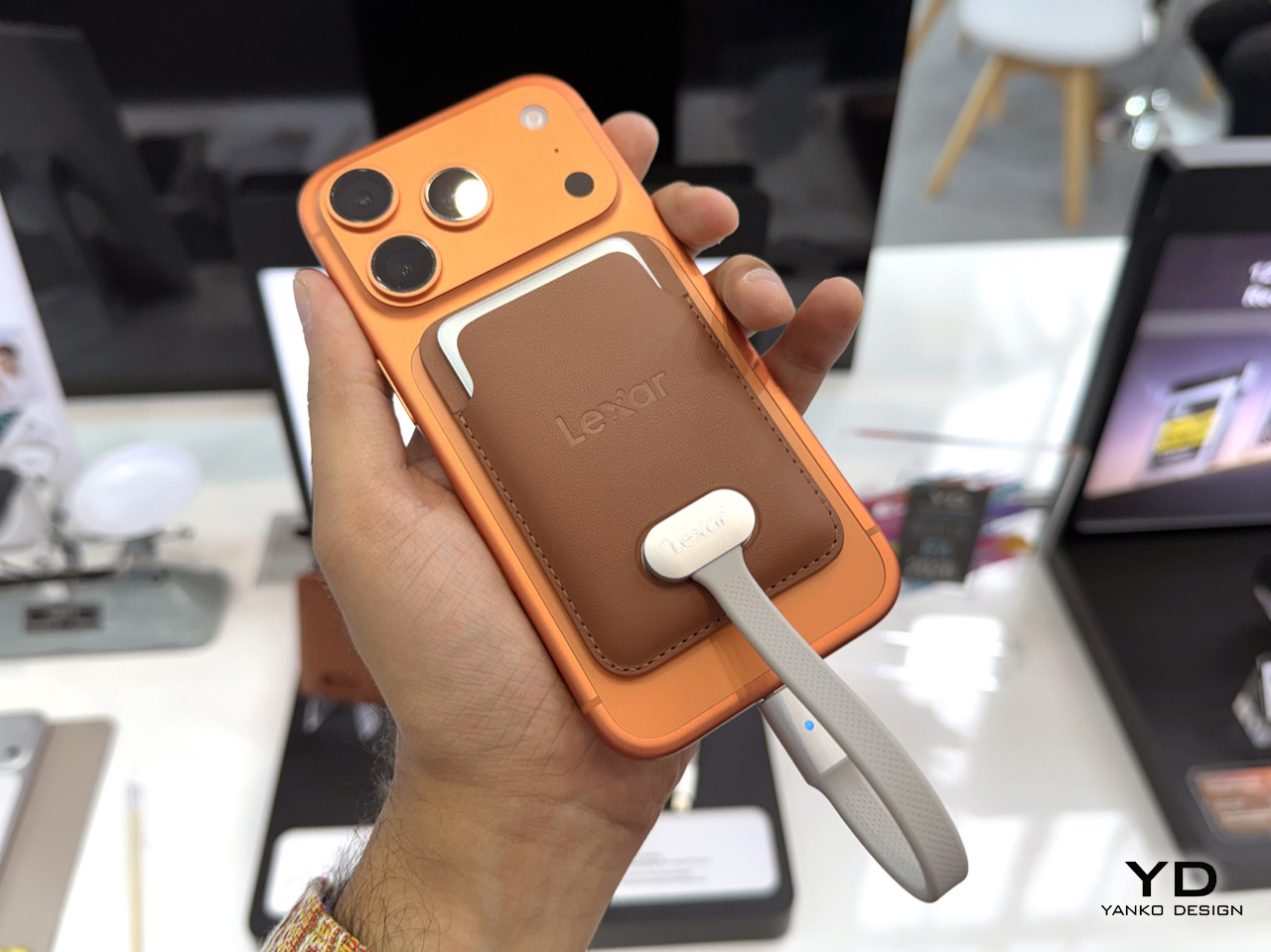
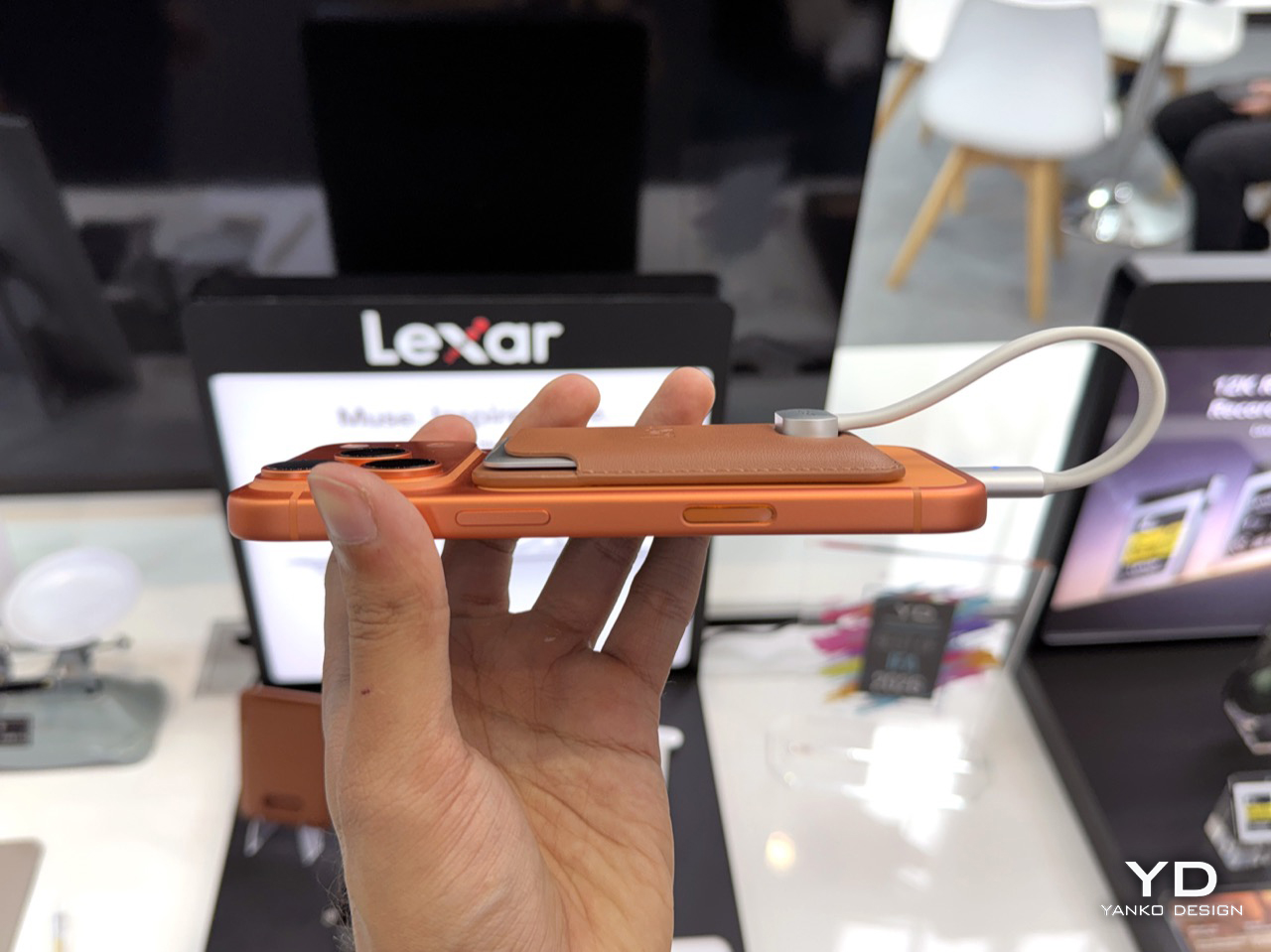
The magnetic attachment system is pretty impressive, because adding a USB-C port on the Muse would mean complicating the build and making things thicker. Lexar built a proprietary PogoPin connector for the data link, paired with a bundled SnapLink Magnetic Cable, and backed both the connector and the carry sleeve with N52-grade neodymium magnets, serious holding power for something this small. Slot the drive into its sleeve, snap the whole assembly onto a MagSafe iPhone, and your rig sits flush against the back of the phone rather than tugging at a port from underneath. Anyone who has fumbled a cable connection mid-handheld shot will understand immediately why that matters more than the spec sheet suggests.
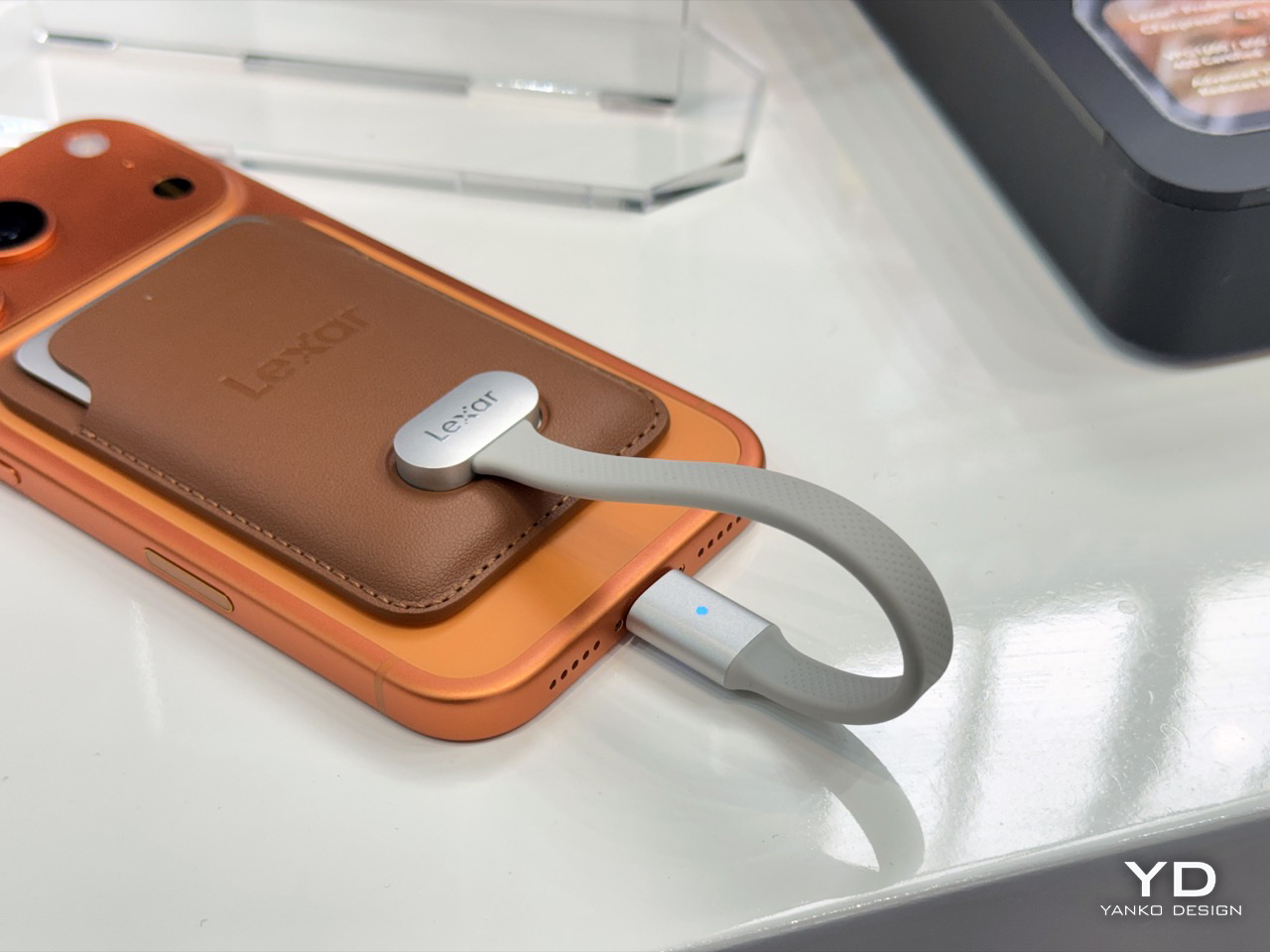
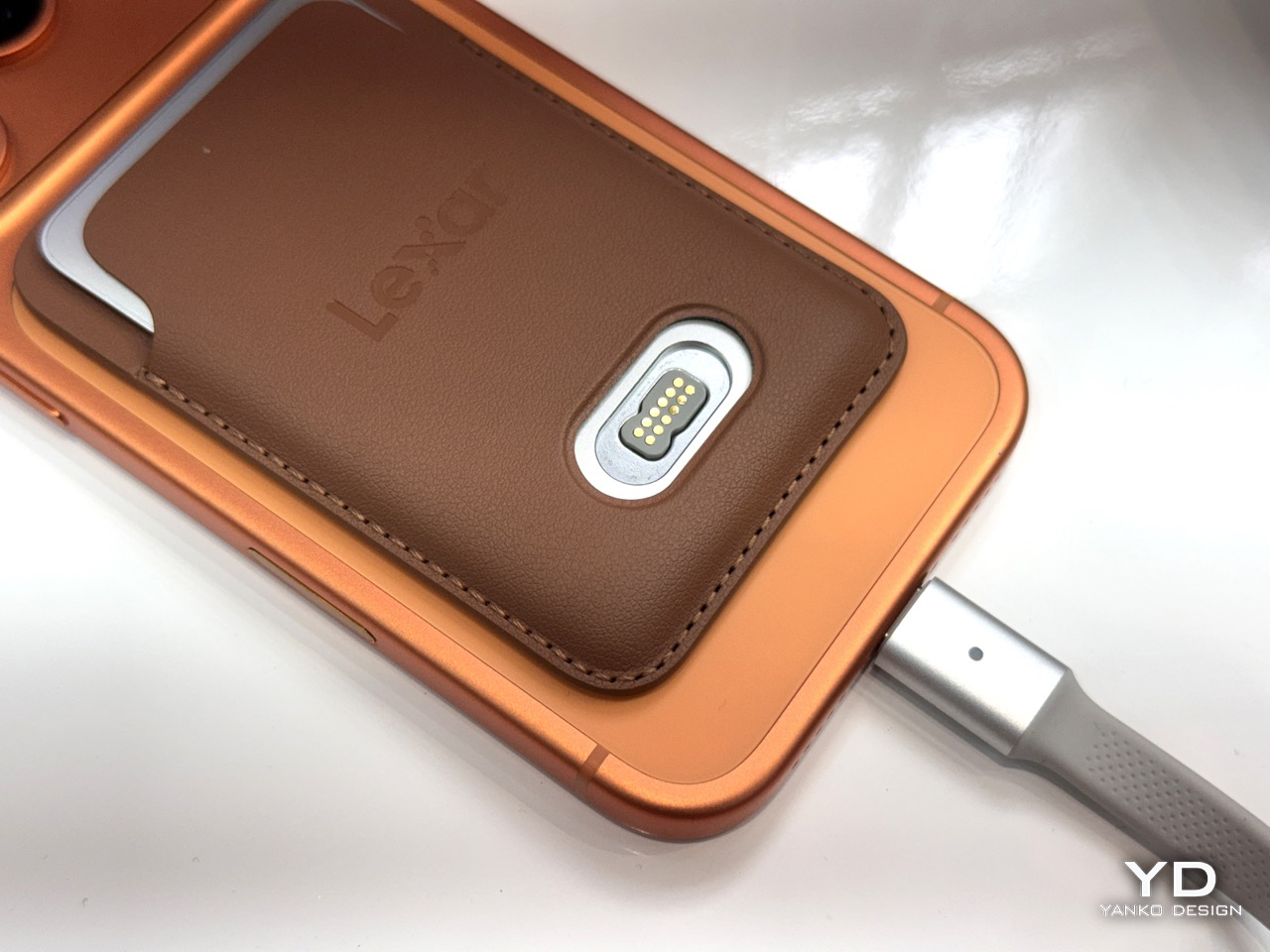
Lexar quotes 1,050MB/s read and 1,000MB/s write, comfortably clearing Apple’s 440MB/s threshold for unlocking 4K120 ProRes recording on external storage, with plenty of room left over for whatever comes next. That puts the Muse in direct conversation with the SanDisk Creator Phone SSD, the drive that has largely owned this category since it launched at CES 2025 with a rugged silicone shell and an IP65 rating. Lexar decided to bet instead on thinness and weight as the whole pitch, creating something close to a MacBook Air moment for portable SSDs, where the headline spec is simply how little of the product you notice. It arrives in 512GB and 1TB capacities starting Q4 2026, with pricing yet to be announced.
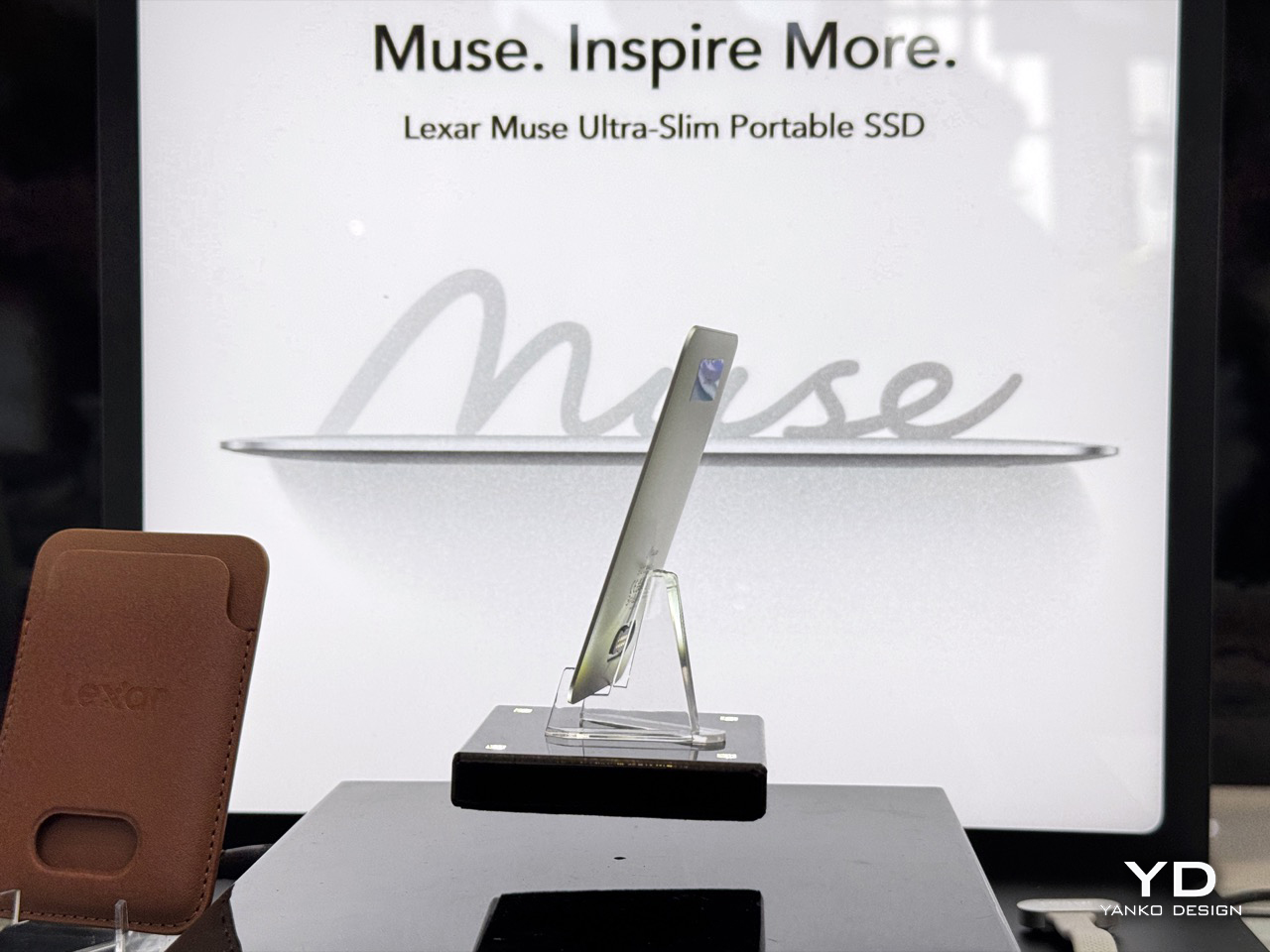
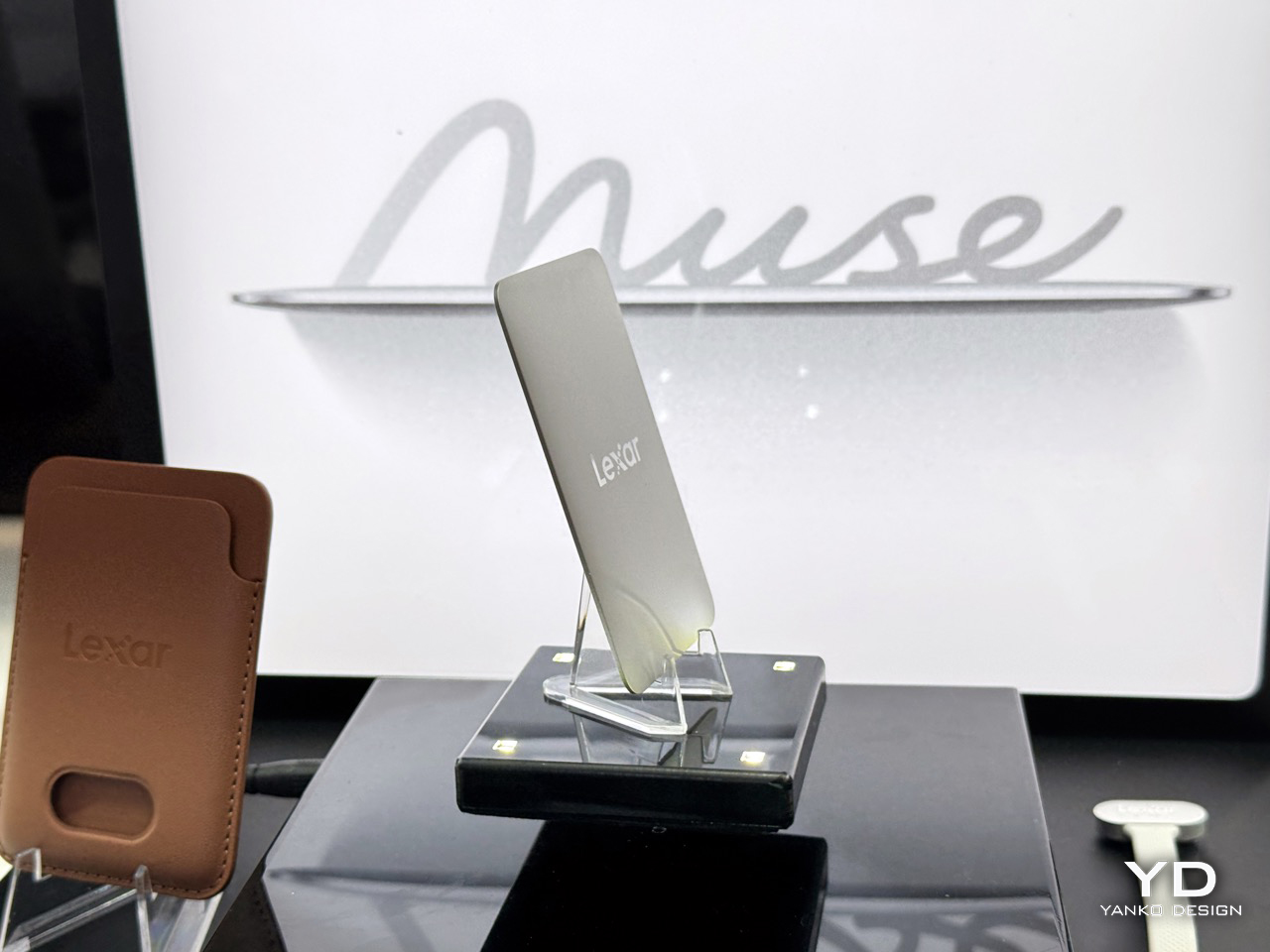
The Muse was not the only thing on Lexar’s IFA floor. The company also showed off its AI Storage Core concepts, next-gen Gen5 SSD and Storage Stick hardware built around a custom Longsys controller and a caching layer called Luma Bridge, aimed at feeding local AI models faster while easing pressure on scarce DRAM. Alongside that sat a new Dashcam USB Flash Drive Series, automotive-grade sticks rated for extreme cabin temperatures and built to survive the kind of nonstop loop recording that kills cheaper drives inside a year. Neither is available to buy yet, but both point at where Lexar’s next thirty years are headed, well past the camera bag.
The post We Held The World’s Thinnest Portable SSD at IFA 2026: Hands-on With The Lexar Muse first appeared on Yanko Design.